Artwork
St. Albert of Louvain
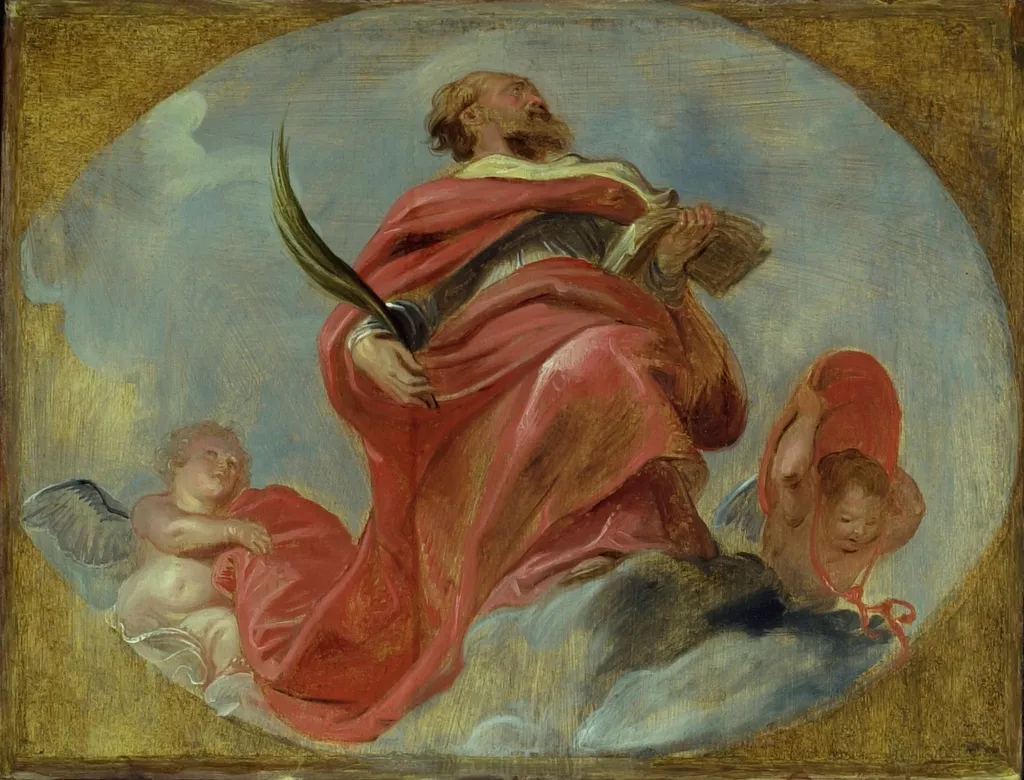
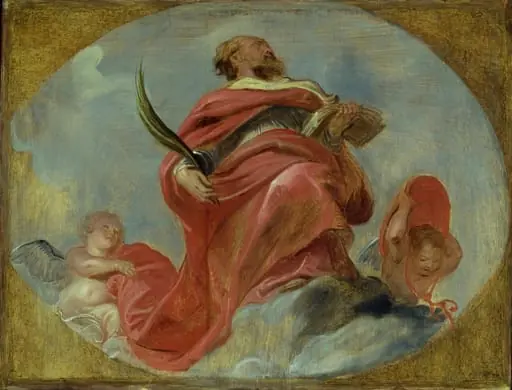
St. Albert of Louvain is an oil painting by the Flemish Baroque painting artist Peter Paul Rubens. It dates from 1620 and is held in the collection of the Art Institute of Chicago.
About this work
Overview
Created during the height of the Flemish Baroque period, the painting reflects Rubens’s mastery in blending religious narrative with expressive physicality.
Painted in 1620 by Peter Paul Rubens, this oil-on-canvas work portrays Saint Albert of Louvain, a 13th-century bishop and martyr. Created during the height of the Flemish Baroque period, the painting reflects Rubens’s mastery in blending religious narrative with expressive physicality. As both an artist and diplomat, Rubens brought a sense of grandeur and emotional intensity to ecclesiastical subjects, aligning with Counter-Reformation ideals of spiritual engagement.
Subject & Meaning
The figure represents Saint Albert, Bishop of Liège, who was assassinated in 1221 while traveling to Rome. He is depicted mid-action, holding a book and quill—symbols of his scholarly devotion and pastoral duties. The upward gaze suggests divine inspiration or supplication. The cherubs flanking him, one holding a crimson cloth, reinforce his sanctity and the celestial recognition of his martyrdom, framing him as both intellectual and spiritually elevated.
Technique & Style
Rubens employs oil paint with fluid brushwork to model the saint’s form, using chiaroscuro to sculpt volume and direct focus. The twisting posture and turned head create dynamic tension, characteristic of Baroque movement. The red robe contrasts sharply with the pale shirt and light blue background, enhancing the figure’s presence. Subtle shading around the edges deepens spatial depth, while the cherubs’ delicate rendering adds ethereal balance to the composition.
History & Provenance
Commissioned during Rubens’s mature period, the painting likely originated as part of a devotional or ecclesiastical project in the Southern Netherlands. It remained within religious or noble collections in the region before entering public ownership. Its survival through centuries reflects its status as a respected example of Flemish religious art, though specific early ownership records are limited.
Context
Created in the wake of the Council of Trent, the painting aligns with Catholic efforts to revitalize religious imagery through emotional immediacy and clarity. Rubens’s style, influenced by Italian Renaissance and Venetian colorism, was widely disseminated across Europe. This work contributes to a broader visual language promoting saints as accessible, heroic figures—reinforcing faith through dramatic, humanized representation.
Legacy
Though less widely known than Rubens’s mythological scenes, this portrait exemplifies his ability to convey sanctity through physical dynamism and psychological presence. It influenced later Baroque depictions of saints in the Low Countries and remains a reference for the fusion of classical composition with devotional intensity. The painting endures as a quiet testament to the intersection of art, faith, and identity in 17th-century Flanders.
Artist & collection
Artist
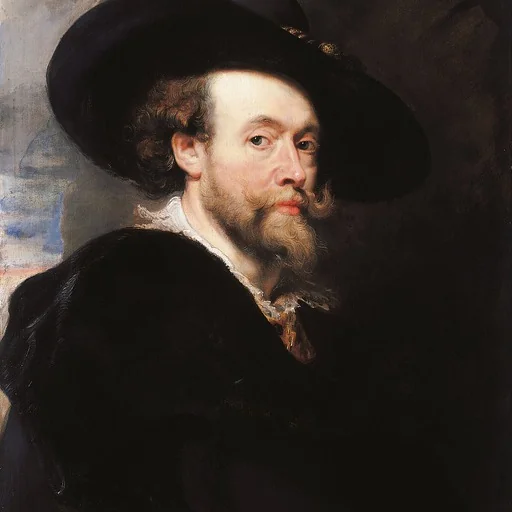
Sir Peter Paul Rubens ( ROO-bənz; Dutch: ; 28 June 1577 – 30 May 1640) was a Flemish artist and diplomat.

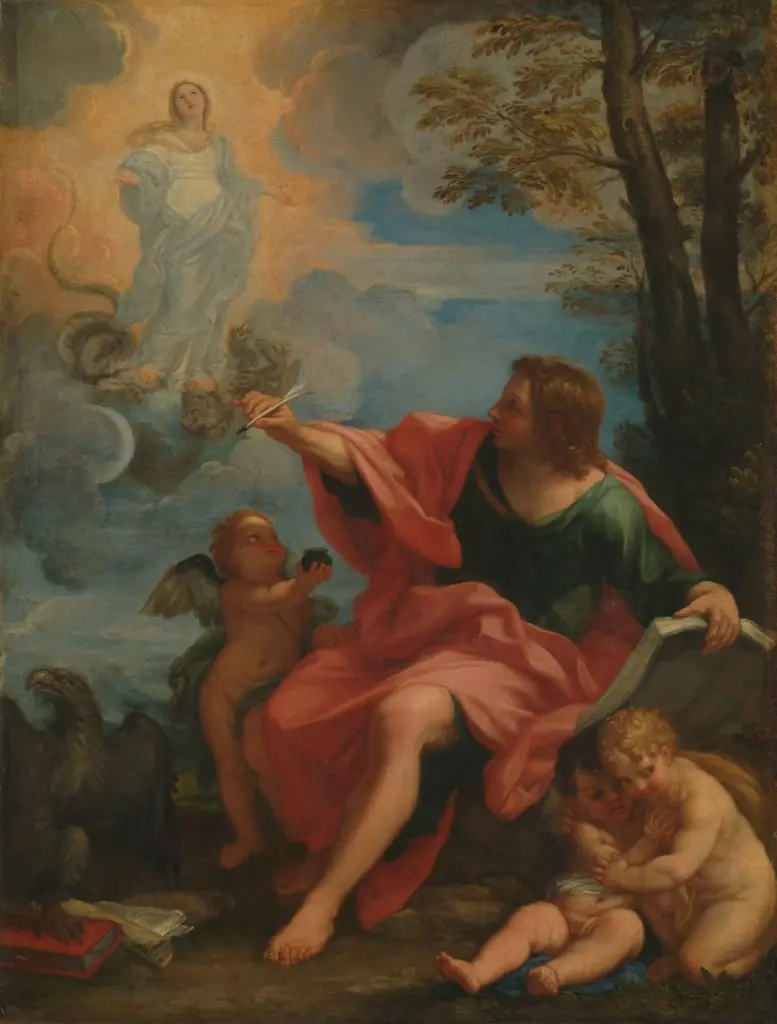 Saint John the Evangelist on Patmos
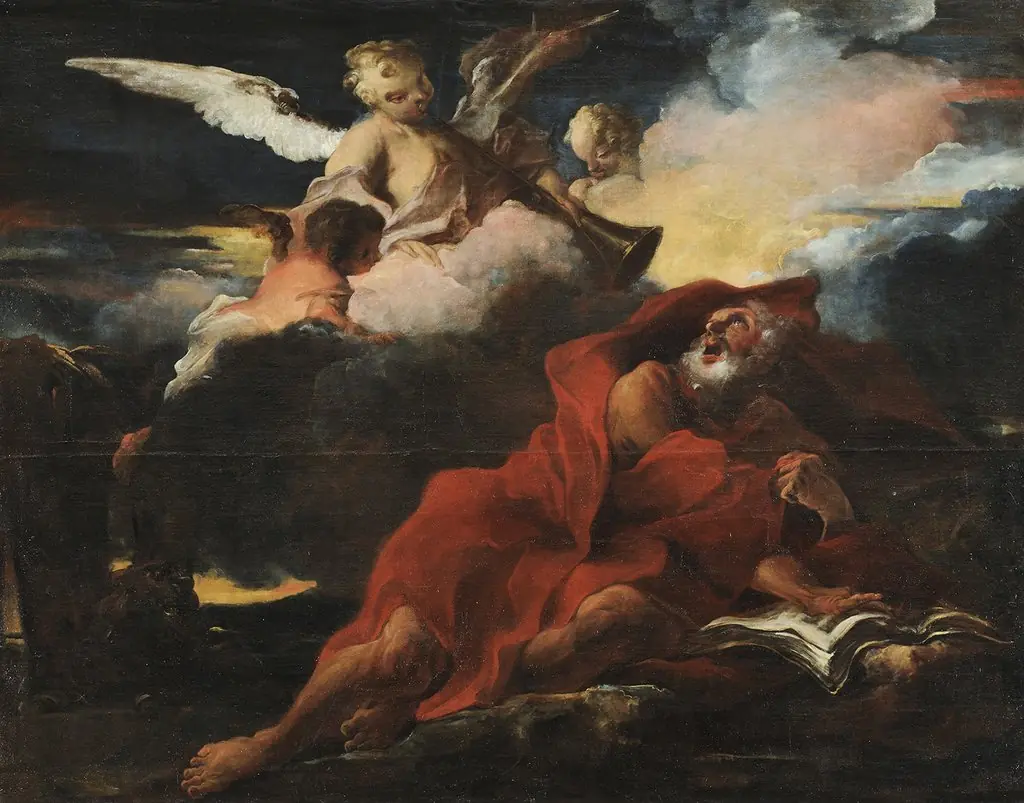 La vision de saint Jérôme
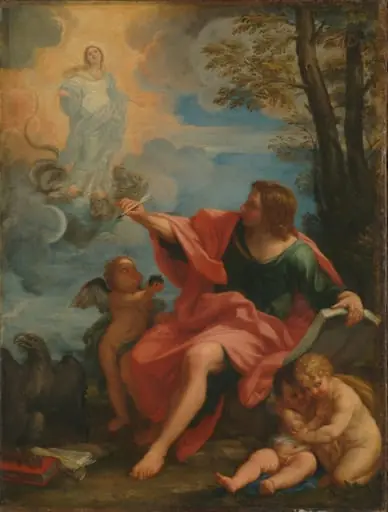 Saint John the Evangelist on Patmos
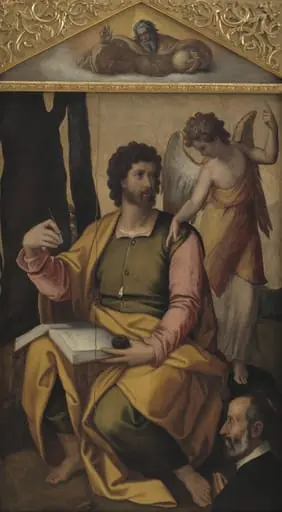 Matthew the Evangelist with Benefactor
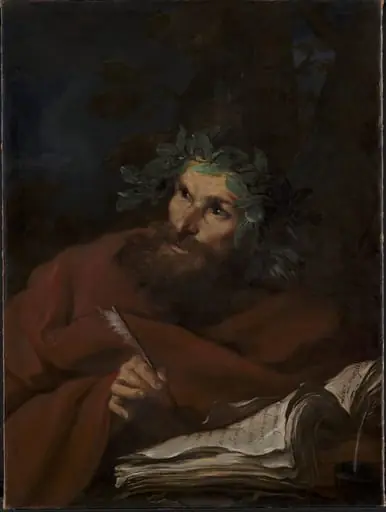 Virgil
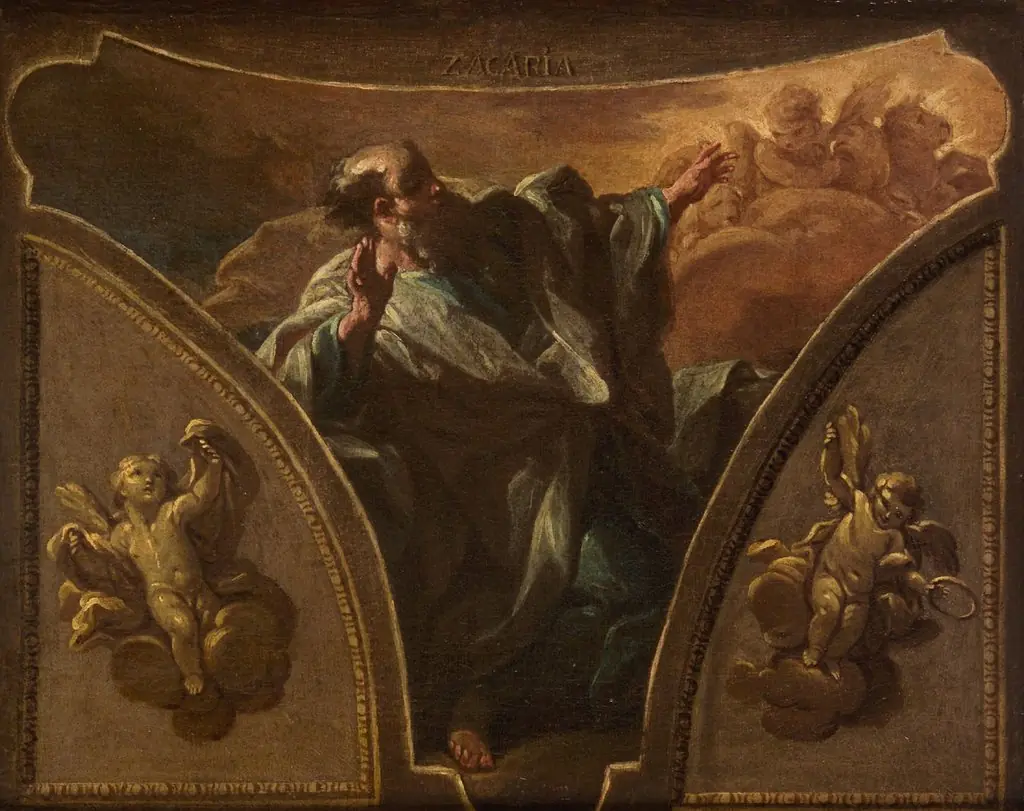 Prophet Zechariah
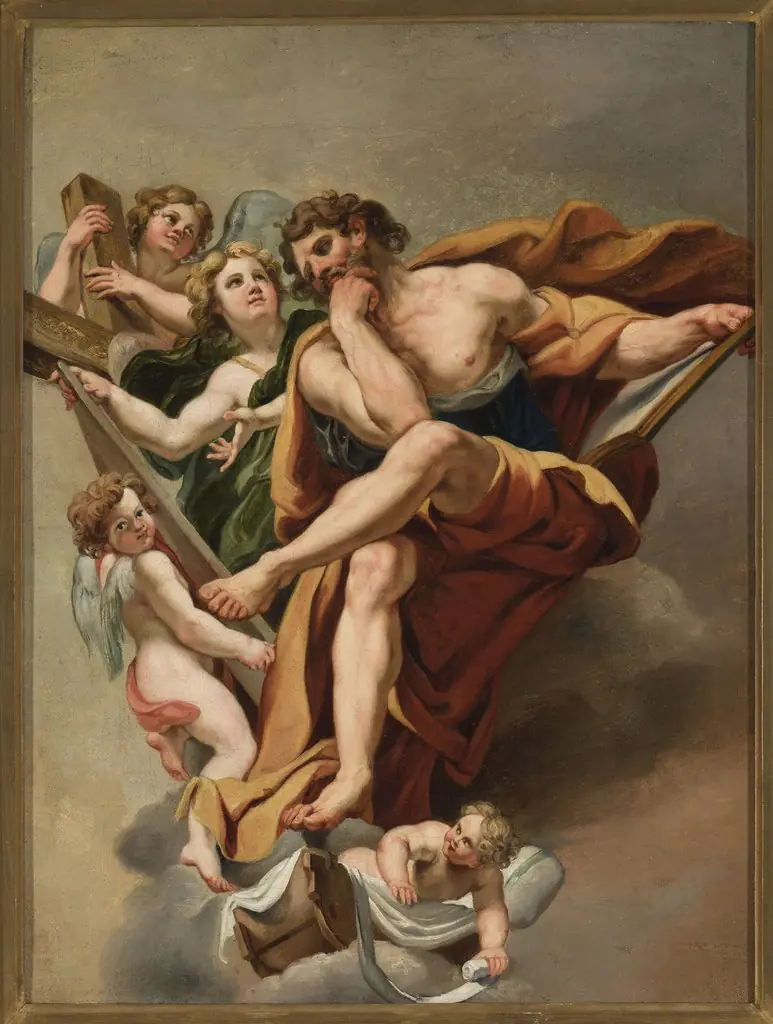 Saint Matthew and Angels
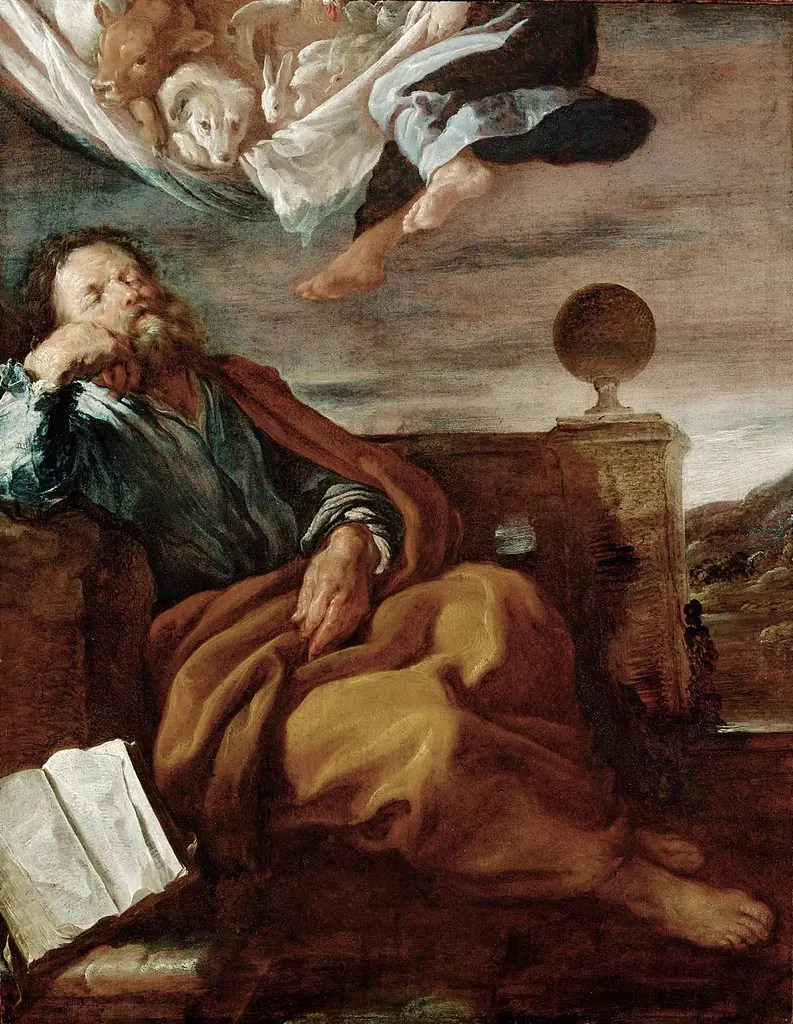 Peter's vision of a sheet with animals
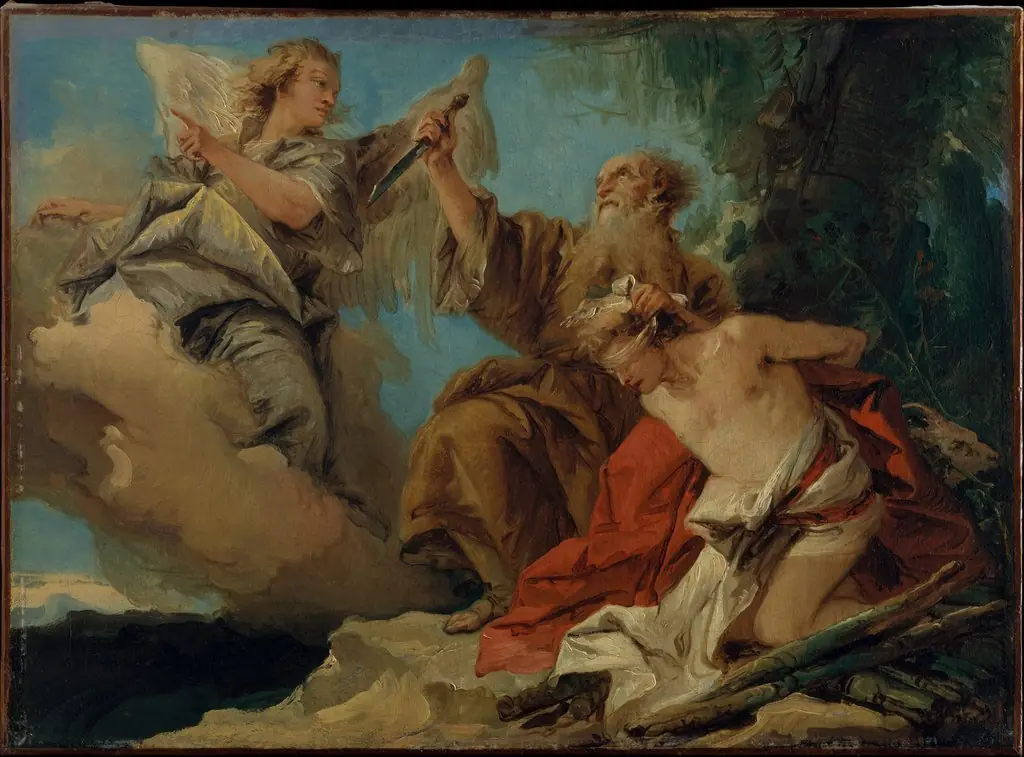 The Sacrifice of Isaac
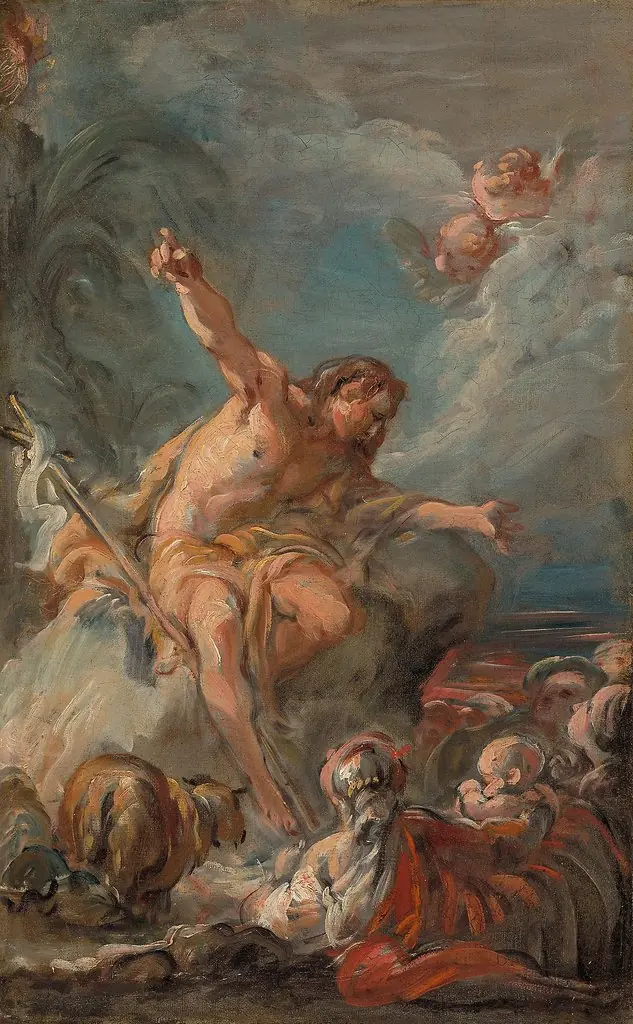 Saint John the Baptist Preaching in the Desert
 Saint John the Evangelist on Patmos
 St. Albert of Louvain