Artwork
Saint John the Evangelist on Patmos
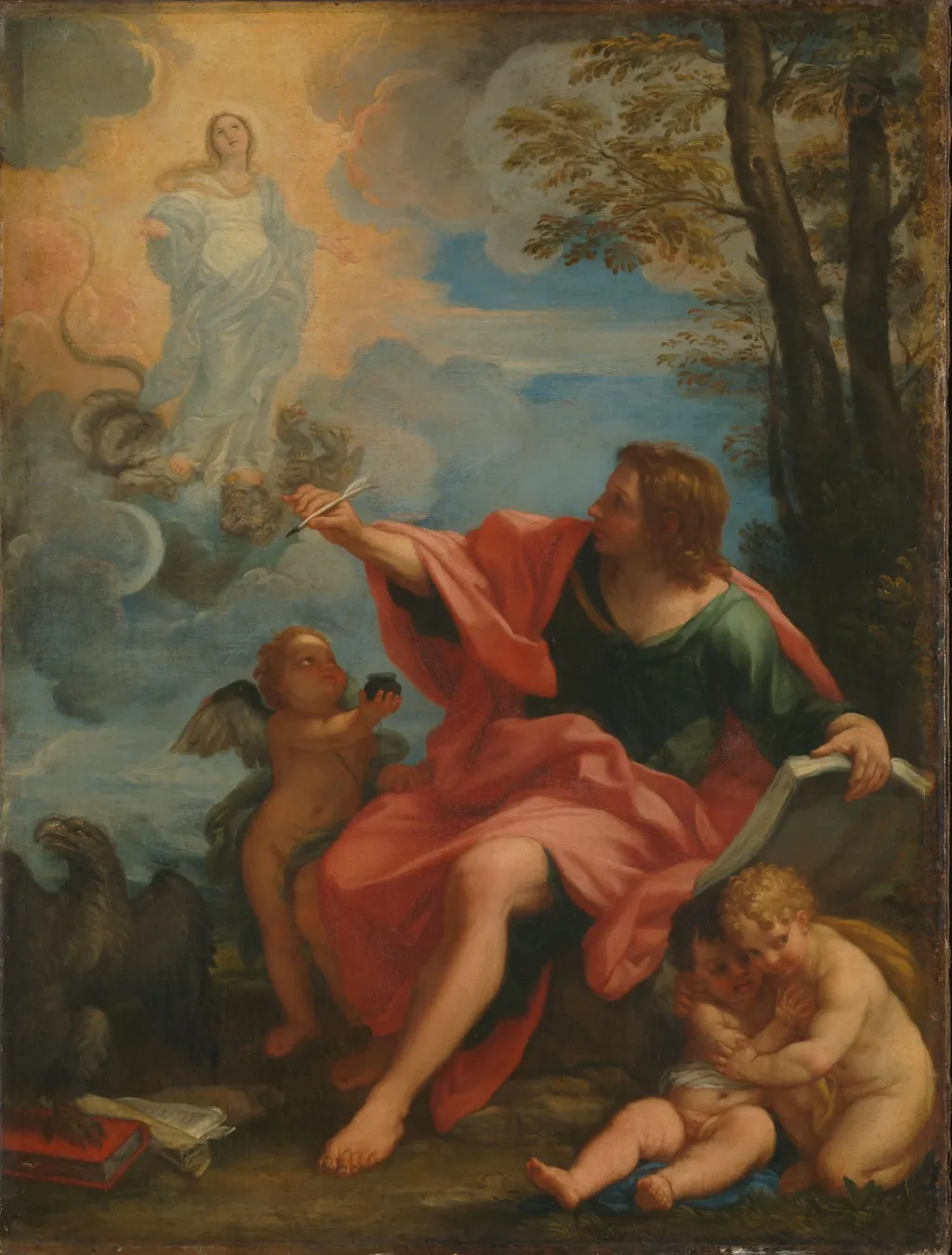
Saint John the Evangelist on Patmos is an unspecified painting by the Spanish Baroque Tenebrist artist Unknown. It dates from 1680 and is held in the collection of the Rijksmuseum. This painting depicts Saint John the Evangelist on the island of Patmos, where tradition holds he received divine visions.
About this work
Overview
This painting depicts Saint John the Evangelist on the island of Patmos, where tradition holds he received divine visions. He is shown in quiet concentration, writing the Book of Revelation, surrounded by symbolic elements drawn directly from the biblical text. The scene blends earthly stillness with celestial drama, uniting the human act of recording revelation with its supernatural source.
Subject & Meaning
The angel offering ink symbolizes divine guidance, while the eagle, traditional emblem of John, signifies the soaring nature of his prophetic message.
The subject centers on John’s divine inspiration as he transcribes the apocalyptic visions of the Book of Revelation. Above him, the woman standing on the moon and the seven-headed dragon represent the celestial battle between good and evil described in chapter 12. The angel offering ink symbolizes divine guidance, while the eagle, traditional emblem of John, signifies the soaring nature of his prophetic message.
Technique & Style
The composition layers earthly and heavenly realms within a single frame, using spatial depth to distinguish the mortal figure from the celestial apparition. Details are rendered with precision—textured rock, delicate wings, and the sheen of ink—yet the overall tone remains solemn. The figures are arranged to guide the viewer’s eye from John’s quiet labor upward to the cosmic struggle above.
History & Provenance
The painting originates from the early 17th century, likely created in the Netherlands during a period of renewed interest in biblical narratives. It entered the Rijksmuseum’s collection in the 19th century, where it has been preserved as part of its broader holdings of Dutch Golden Age religious art. Its provenance reflects the era’s devotional and scholarly engagement with scriptural imagery.
Context
During the Dutch Reformation, artists often turned to apocalyptic themes to express spiritual conviction amid religious upheaval. John’s solitary writing on Patmos resonated as a metaphor for faithful witness under persecution. The inclusion of putti and the eagle reflects both biblical symbolism and contemporary artistic conventions that blended sacred narrative with humanist detail.
Legacy
The painting endures as a visual record of how biblical prophecy was interpreted in early modern Europe. Its careful integration of textual detail and symbolic imagery influenced later depictions of apocalyptic scenes. Though not widely exhibited, it remains a quiet example of how Dutch painters translated complex theological visions into intimate, composed scenes.
Artist & collection

 Domestic Scene
 Giacomo and Cardinal Marco, investing Andrea, Abbot of San Zeno, with his Benefice
 The Nymph of Fontainebleau
 Portrait of a Woman
 Madonna and Child with Saints in the Enclosed Garden
 Venus and Minerva
 Family Group of Four on Sofa
 Wall painting from Room H of the Villa of P. Fannius Synistor at Boscoreale
 The Ecstasy of the Magdalen
 The angel appears to Hagar in the desert
 Salvator Mundi
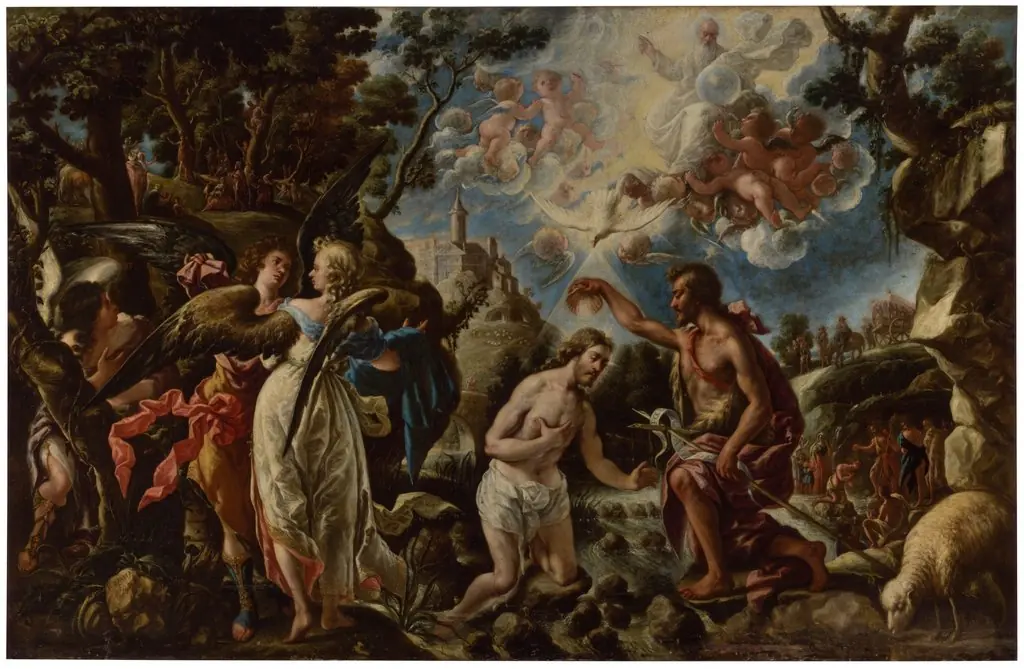 El Bautismo de Cristo
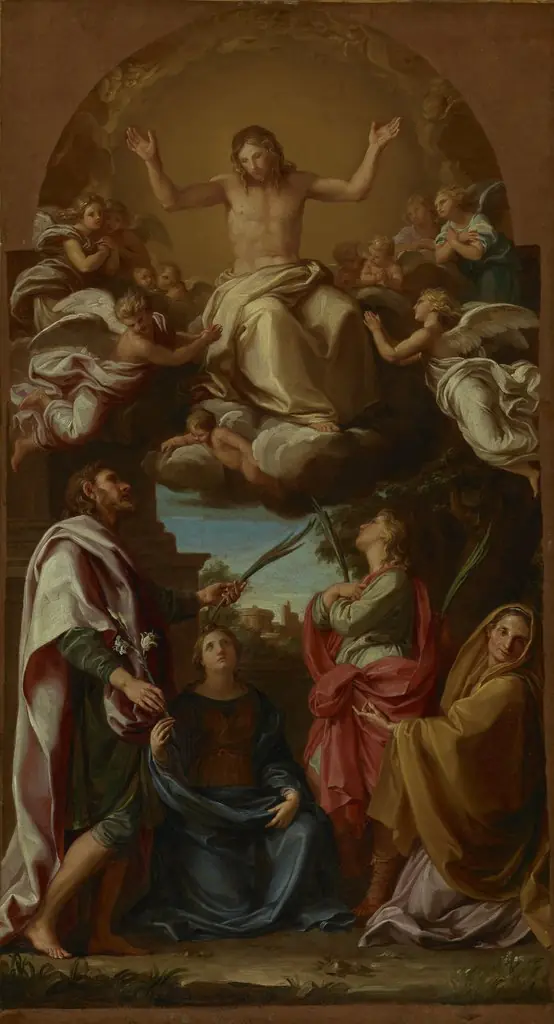 Christ in Glory with Saints Celsus, Julian, Marcionilla and Basilissa
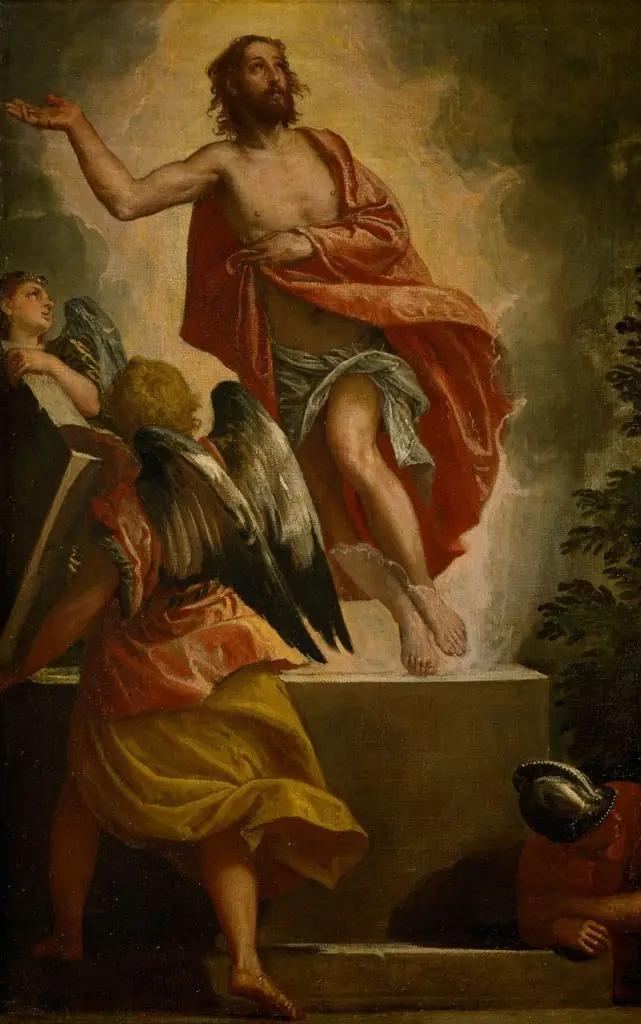 Ascension of Christ
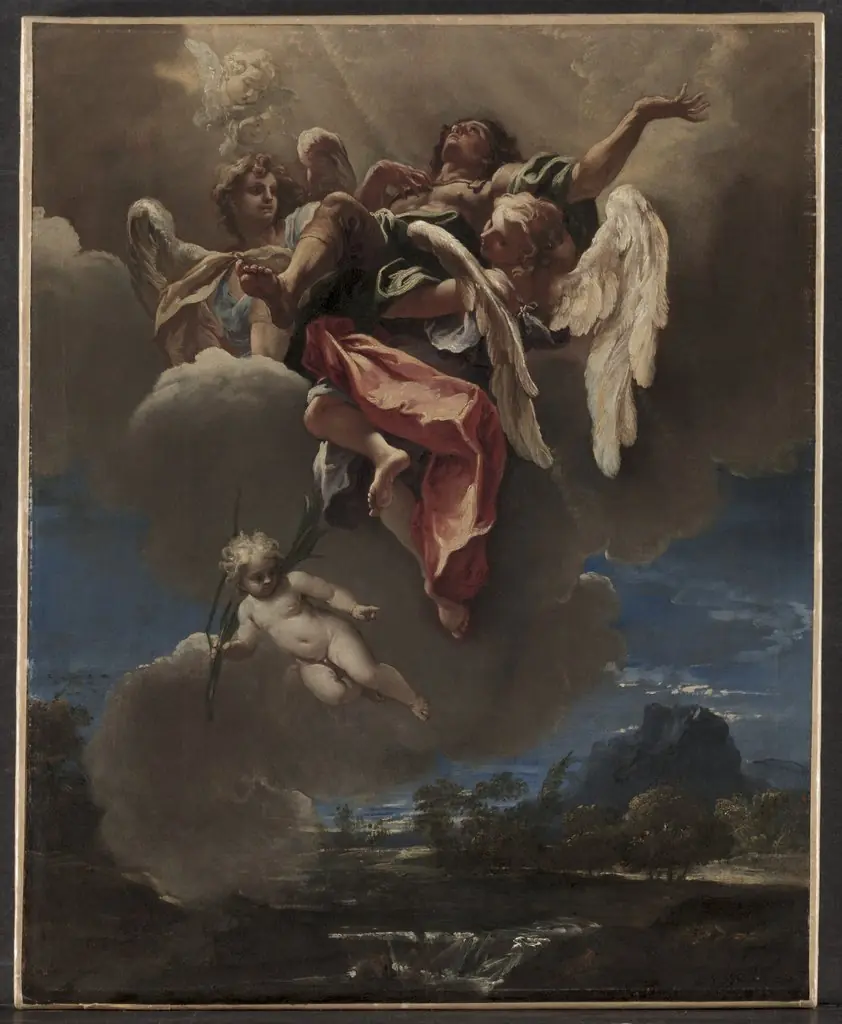 Study for "An Apotheosis of a Saint" (for San Bernardino dei Morti, Milan)
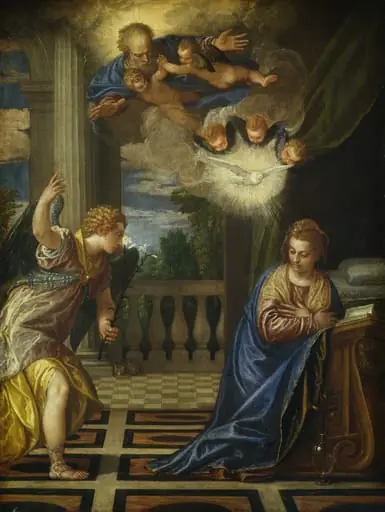 The Annunciation
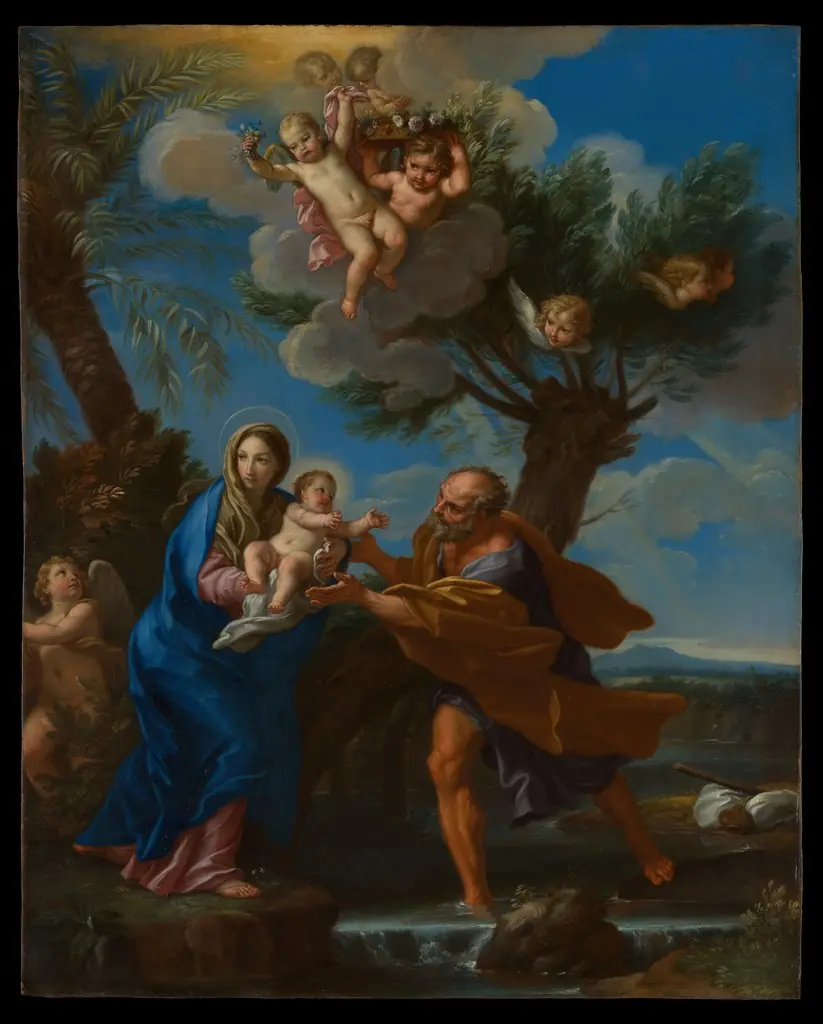 The Flight into Egypt
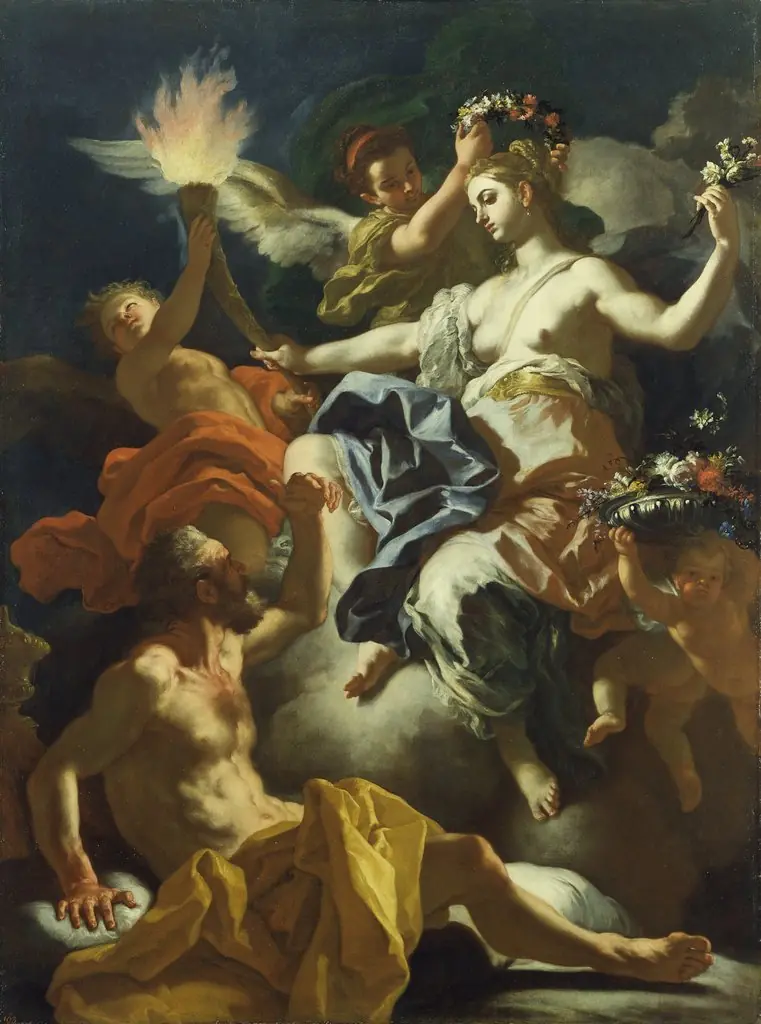 Aurora Taking Leave of Tithonus