Artwork
The Birth of Venus
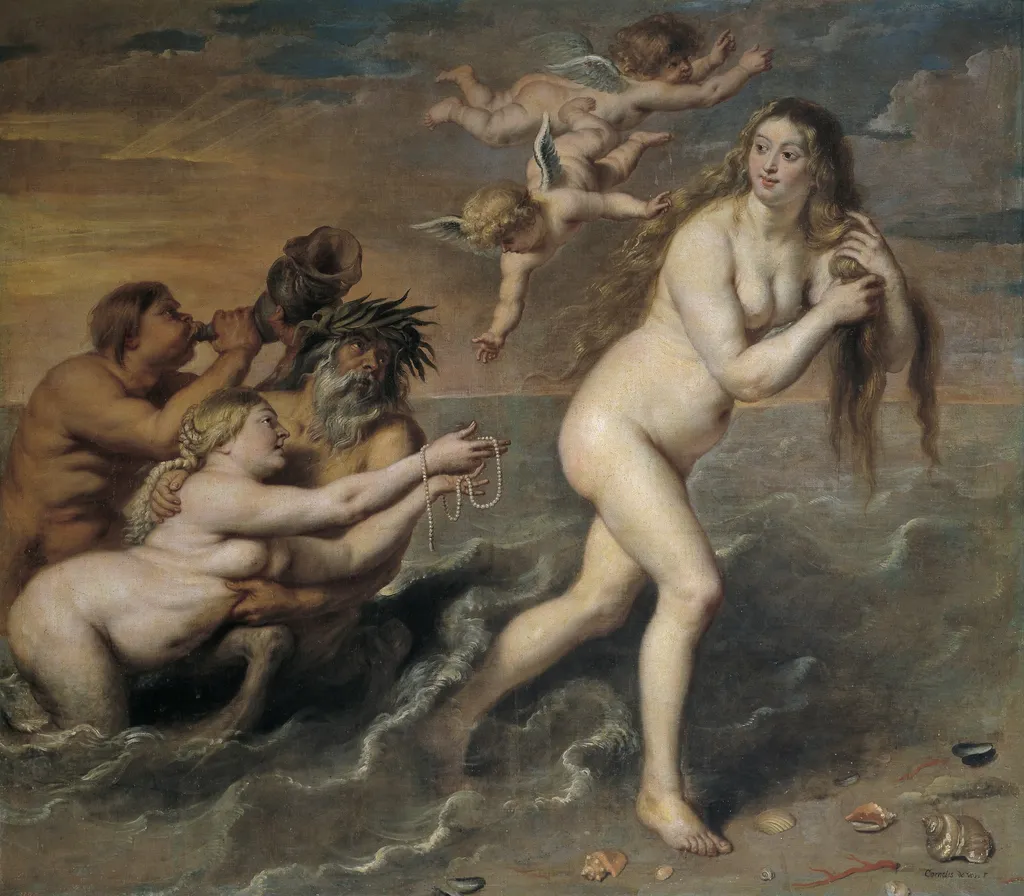
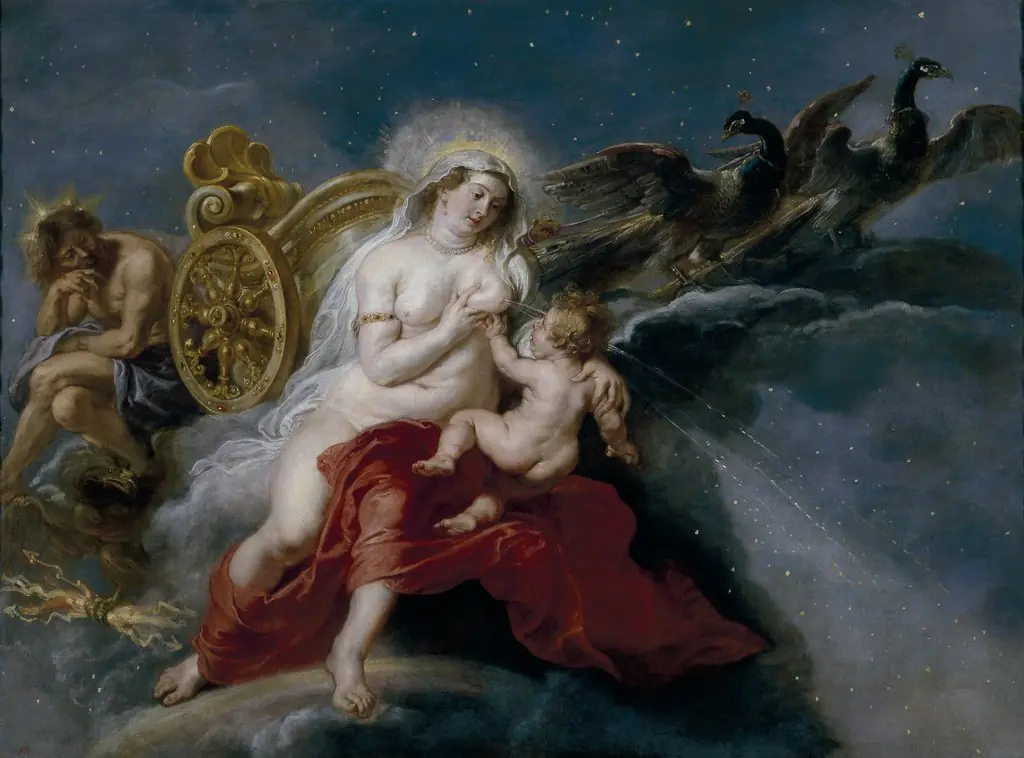
The Birth of Venus is an oil painting by the Flemish Baroque painting artist Peter Paul Rubens. It dates from 1636 and is held in the collection of the Museo del Prado.
About this work
Overview
Created in 1636 by the Flemish painter and diplomat Peter Paul Rubens, this oil on canvas belongs to the Baroque period in Flanders. The work is presently housed in the Museo del Prado and illustrates the classical theme of Venus’s emergence from the sea.
Subject & Meaning
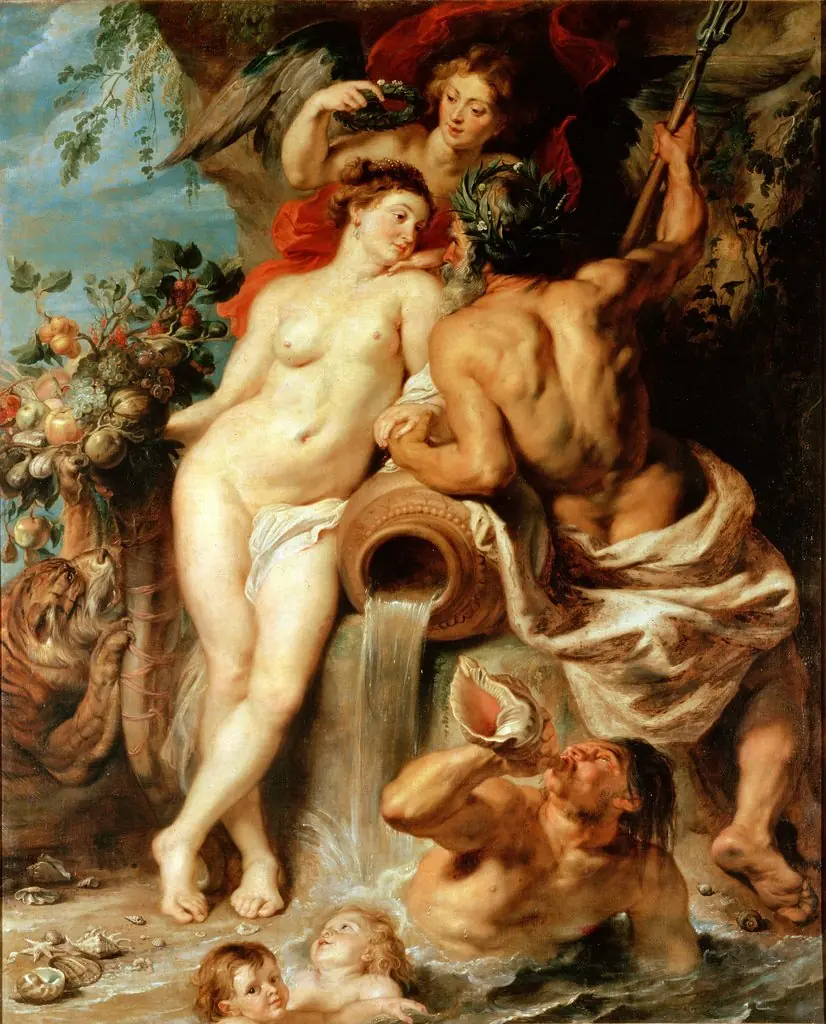
The composition centers on the nude goddess Venus as she steps onto a rocky shore, symbolising her birth from the sea foam. Accompanying figures—a bearded man with a shell crown sounding a horn, two observing children, and floating cherubs—reinforce the mythological narrative of divine emergence and celebration.
Technique & Style
Rubens employs the dramatic chiaroscuro typical of Flemish Baroque, allowing the luminous flesh of Venus to stand out against a darker, turbulent backdrop of water and rock. The vigorous brushwork and rich palette heighten the sense of movement and sensuality within the scene.
History & Provenance
The painting was completed toward the end of Rubens’s career, a period when he frequently revisited classical subjects. After remaining in private collections for centuries, it entered the holdings of the Museo del Prado, where it has been displayed as part of the museum’s Baroque holdings.
Context
Rubens’s fascination with antiquity and his diplomatic travels exposed him to a wealth of mythological sources, which he integrated into large-scale history paintings. This work reflects the broader 17th‑century Flemish interest in dramatizing ancient narratives through dynamic composition and vivid coloration.
Own this work as a print
Artist & collection
Artist
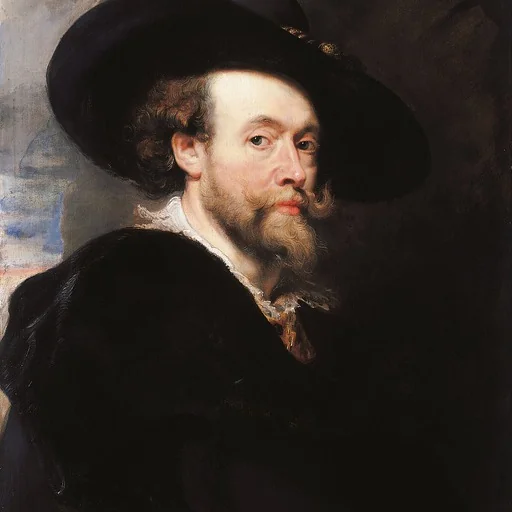
Sir Peter Paul Rubens ( ROO-bənz; Dutch: ; 28 June 1577 – 30 May 1640) was a Flemish artist and diplomat.