Artwork
The Death of Adonis
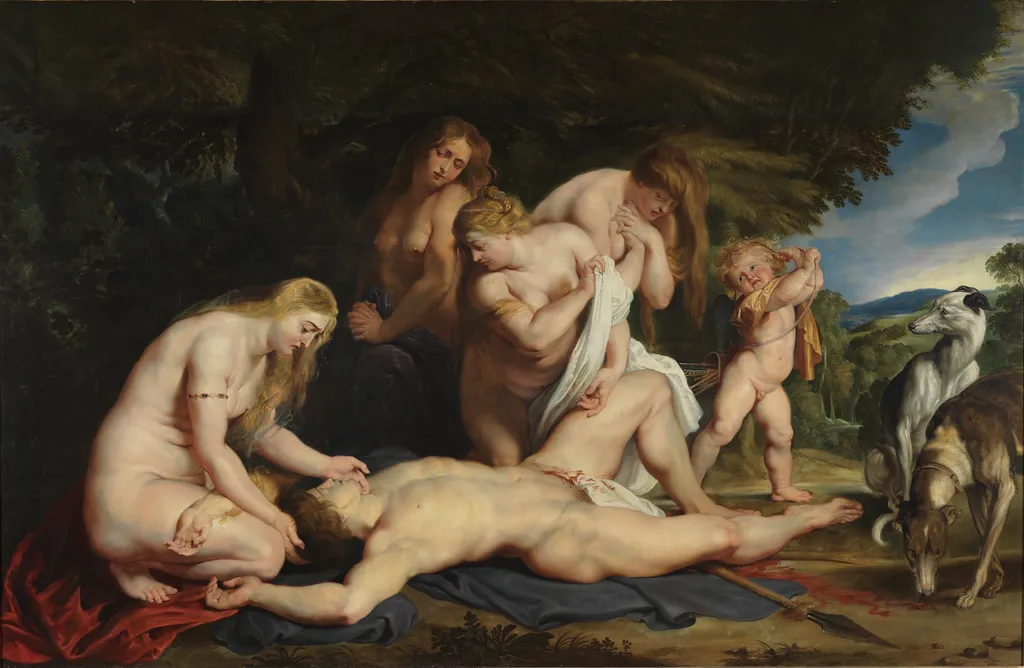
The Death of Adonis is an oil painting by the Flemish Baroque painting artist Peter Paul Rubens. It dates from 1614 and is held in the collection of the Israel Museum.
About this work
Overview
Executed around 1614, this oil painting by Peter Paul Rubens depicts the mythic scene of Adonis’s death. The composition centers on the lifeless figure of Adonis, surrounded by a group of nude women and a child within a forest clearing, while distant trees and a landscape frame the tableau. The work now belongs to the Israel Museum in Jerusalem.
Subject & Meaning
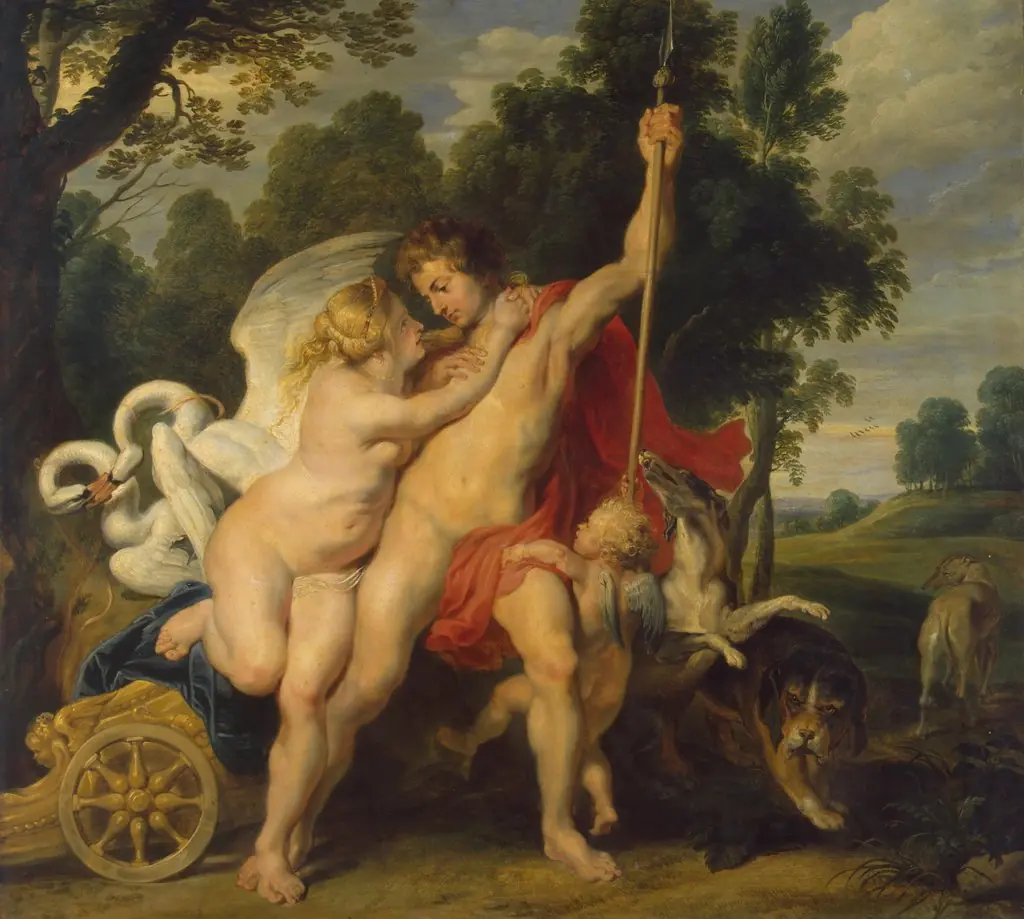
The image illustrates the aftermath of the hunt in which the god Adonis is slain by a boar, an episode linked to the goddess Artemis. Rubens presents Venus, Cupid, and the Three Graces mourning the fallen youth, emphasizing themes of love, loss, and the fragile beauty of mortal life.
Technique & Style
Rubens employs a warm, muted palette dominated by flesh tones and verdant background hues. The handling of light creates subtle chiaroscuro, modeling the figures with soft shadows that lend volume and intimacy. The brushwork balances detailed rendering of the figures with a more atmospheric treatment of the surrounding foliage.
History & Provenance
The painting entered the Israel Museum’s collection as a donation from philanthropist Saul P. Steinberg. Its provenance prior to this gift is not extensively documented, but the work has been recognized as part of Rubens’s mature output during his Antwerp period.
Context
The death of Adonis has been a recurring subject in Western art, interpreted by artists such as Juan Bautista Martínez del Mazo, Nicolas Poussin, and Jusepe de Ribera. Rubens’s version reflects the Baroque fascination with dynamic composition and emotional expression, situating the myth within a sensuous, naturalistic setting.
Own this work as a print
Artist & collection
Artist
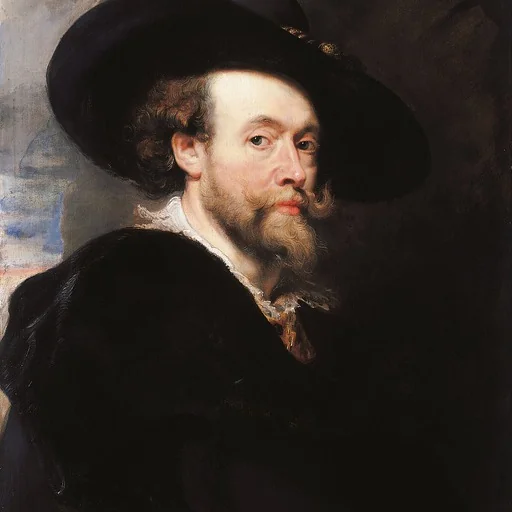
Sir Peter Paul Rubens ( ROO-bənz; Dutch: ; 28 June 1577 – 30 May 1640) was a Flemish artist and diplomat.