Artwork
The escape of Cloelia
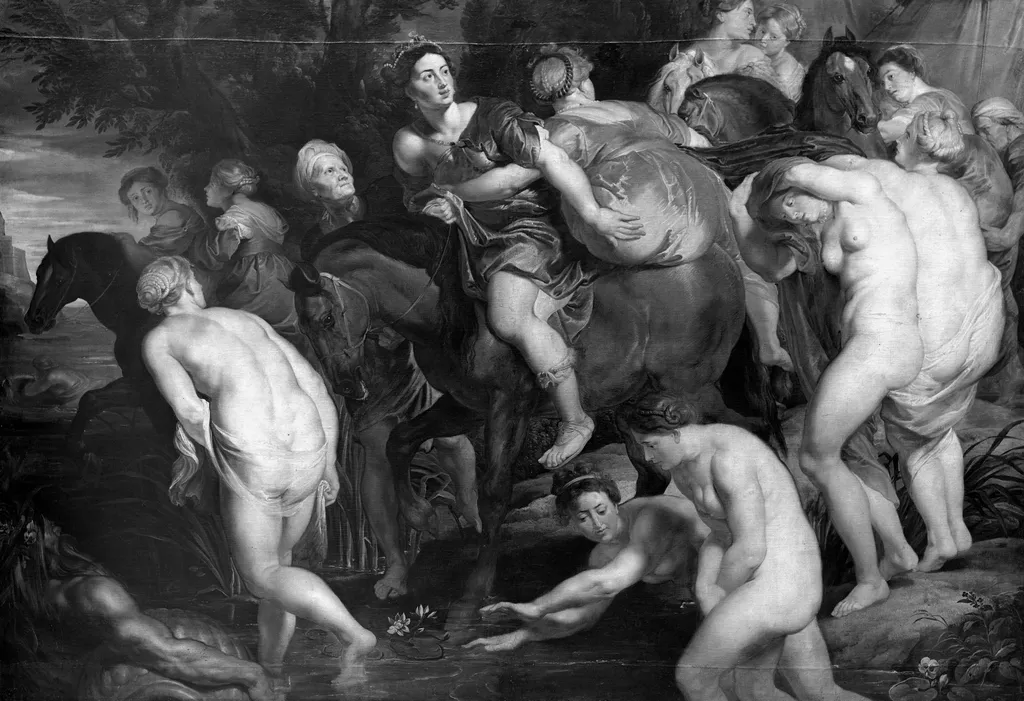
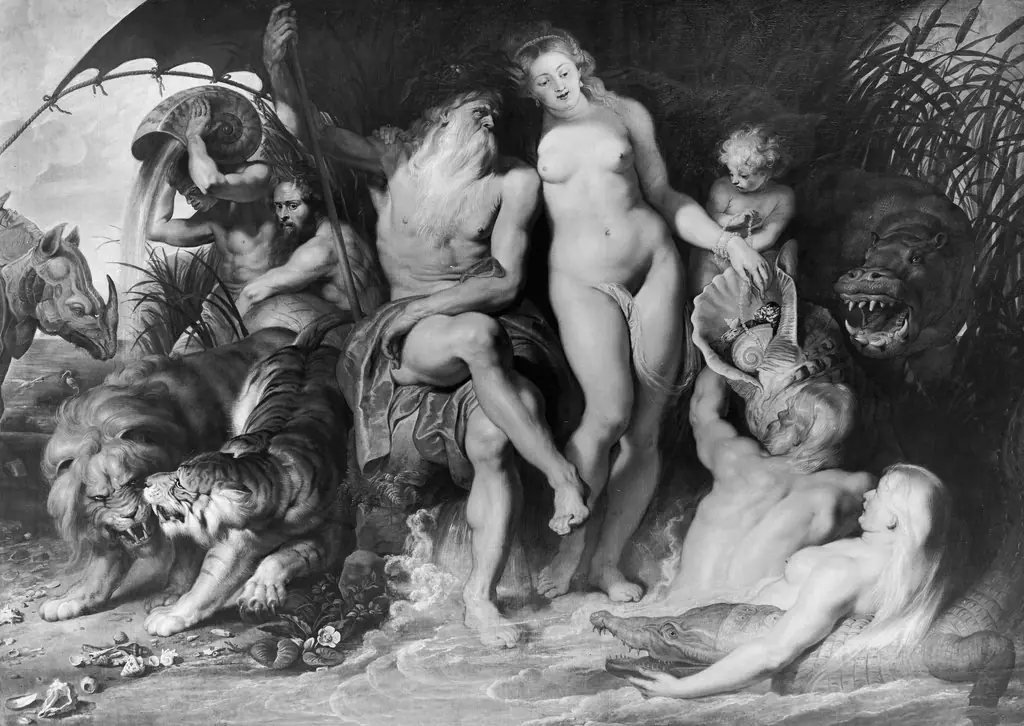
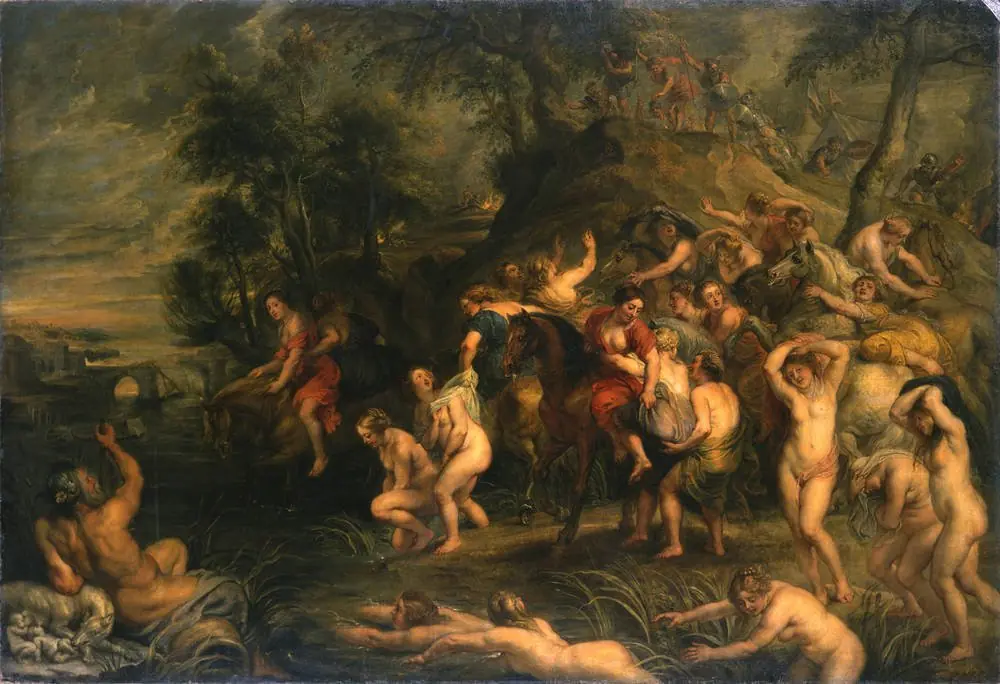
The escape of Cloelia is an oil painting by the Flemish Baroque painting artist Peter Paul Rubens. It dates from 1619 and is held in the collection of the Gemäldegalerie Berlin.
About this work
Overview
Painted in 1619 by Peter Paul Rubens, this work belongs to a series of historical subjects commissioned for a private collection. Executed in oil on panel, it illustrates a moment from Roman legend involving a noblewoman’s daring flight. The composition reflects Rubens’s mastery in blending classical narrative with dynamic visual energy, characteristic of early 17th-century Flemish painting.
Subject & Meaning
Rubens chose this episode to highlight courage and virtue in the face of oppression.
The scene portrays Cloelia, a Roman hostage who escaped from Etruscan captors by swimming across the Tiber River, then riding away on horseback with other captive women. Rubens chose this episode to highlight courage and virtue in the face of oppression. The inclusion of partially nude figures underscores classical ideals of bodily grace and moral purity, aligning the act with heroic virtue rather than mere physicality.
Technique & Style
Rubens employed vigorous brushwork and layered pigments to convey motion and texture. The figures are arranged in a spiraling composition, with drapery and limbs intersecting to amplify kinetic energy. Warm flesh tones contrast with cool greens and blues in the landscape, enhancing spatial depth. His use of chiaroscuro and fluid contours reflects both Venetian colorism and the expressive urgency of Baroque aesthetics.
History & Provenance
Commissioned by a private patron, likely for a domestic setting, the painting entered the collection of the Spanish royal family by the mid-17th century. It remained in royal holdings until the 19th century, after which it passed through several European collections. Its documented lineage confirms its authenticity and places it within the network of aristocratic patronage that sustained Rubens’s workshop.
Context
In early 17th-century Antwerp, classical antiquity was a favored source for intellectual and moral narratives, especially among humanist patrons. Rubens, deeply versed in Latin literature, frequently turned to Roman history to elevate contemporary art. This painting reflects the broader cultural revival of antiquity in the Habsburg Netherlands, where art served both aesthetic and didactic ends.
Legacy
Though less known than Rubens’s religious works, this painting exemplifies his ability to adapt classical themes into emotionally charged compositions. It influenced later artists interested in historical narrative and the depiction of female agency. Its survival and continued study attest to its role in shaping the Baroque tradition’s engagement with ancient virtue and movement.
Own this work as a print
Artist & collection
Artist
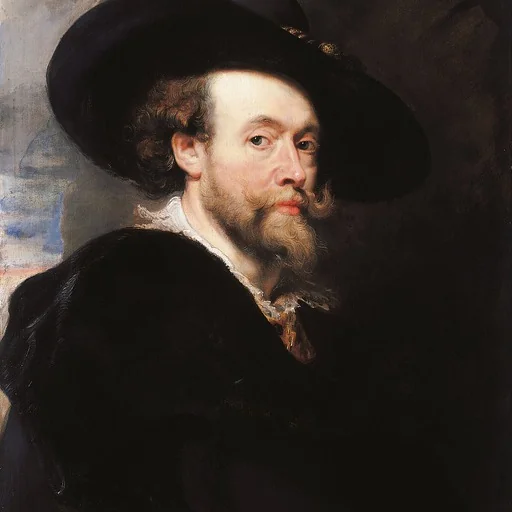
Sir Peter Paul Rubens ( ROO-bənz; Dutch: ; 28 June 1577 – 30 May 1640) was a Flemish artist and diplomat.