Artwork
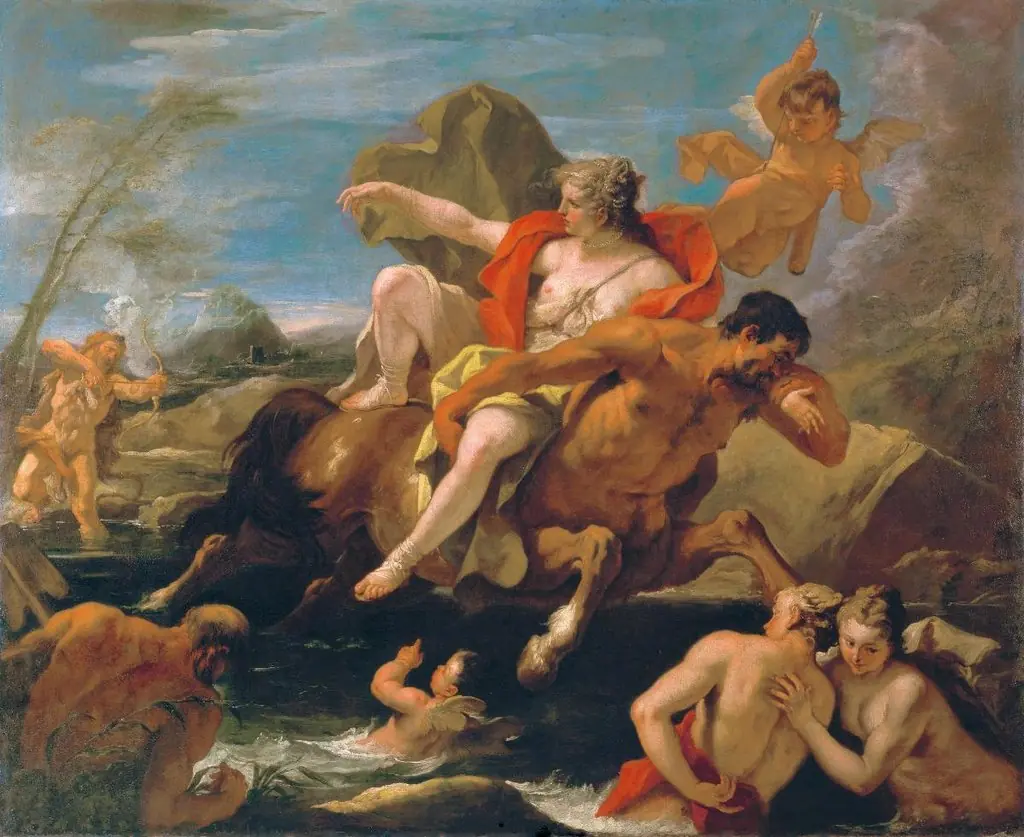
The Abduction of Deianira
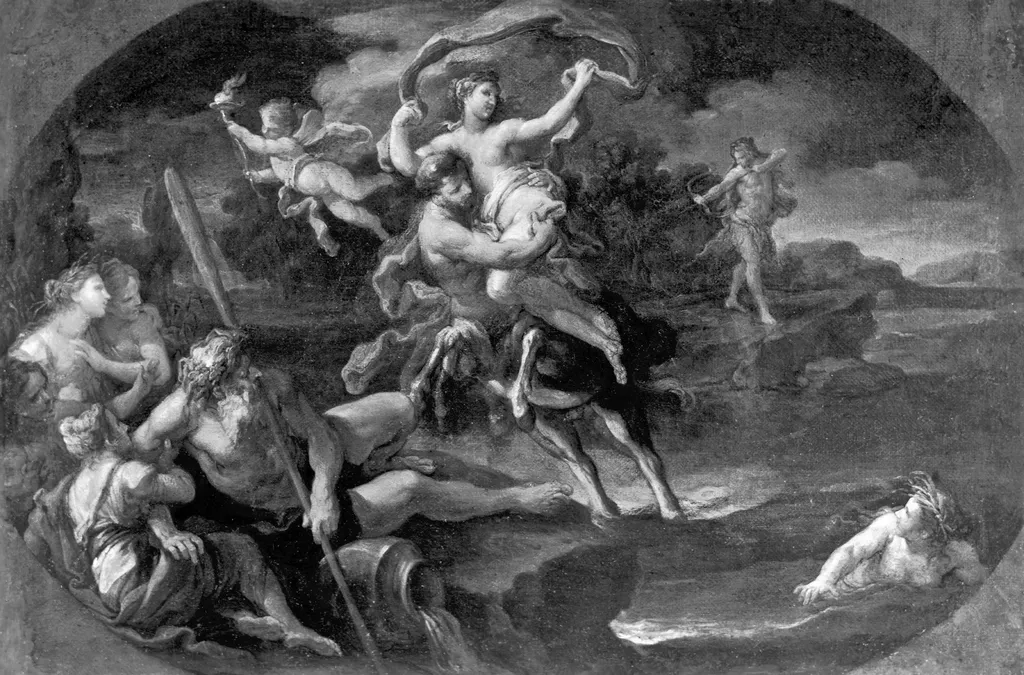
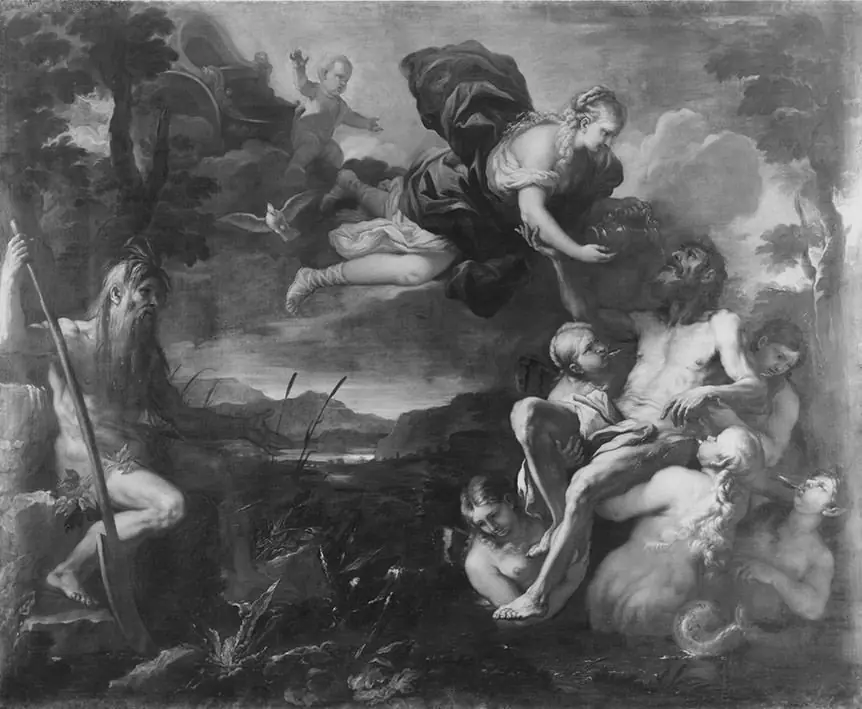
The Abduction of Deianira is an oil painting by the Rococo painting artist Stefano Pozzi. It dates from 1750 and is held in the collection of the Walters Art Museum.
About this work
Overview
Created around 1750, this oil on canvas by Stefano Pozzi depicts a violent encounter drawn from classical mythology. The work is part of the collection at the Walters Art Museum, where it is displayed as an example of mid‑18th‑century narrative painting.
Subject & Meaning
The composition captures the moment Deianira is seized by a mounted rider, while a small group of onlookers attempts to intervene. The tension between the aggressor’s forceful advance and the desperate resistance of the surrounding figures underscores themes of abduction and heroic rescue within the mythic tradition.
Technique & Style
Pozzi employs pronounced chiaroscuro, contrasting illuminated figures against a darker backdrop to heighten emotional intensity. The rearing horse and the swirling clouds in the distance are rendered with dynamic brushwork, while the interplay of light and shadow models the bodies, giving the scene a three‑dimensional, theatrical quality.
History & Provenance
The painting entered the Walters Art Museum’s holdings through acquisition in the early 20th century, though earlier ownership records are sparse. Its attribution to Pozzi, an Italian painter active in the Rococo period, has been confirmed by stylistic analysis and museum documentation.
Artist & collection
Artist
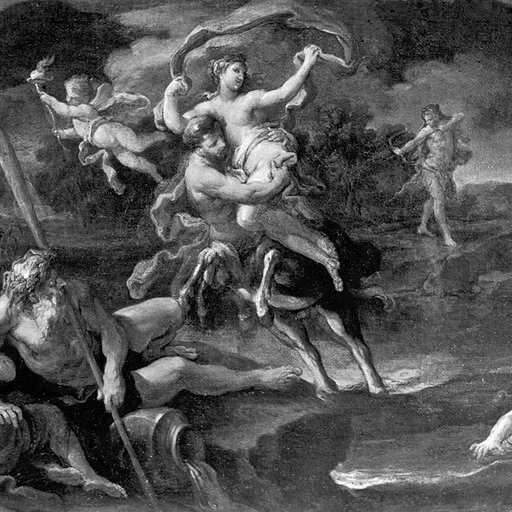
Stefano Pozzi was an Italian painter, designer, draughtsman, and decorator whose career was spent largely in Rome.

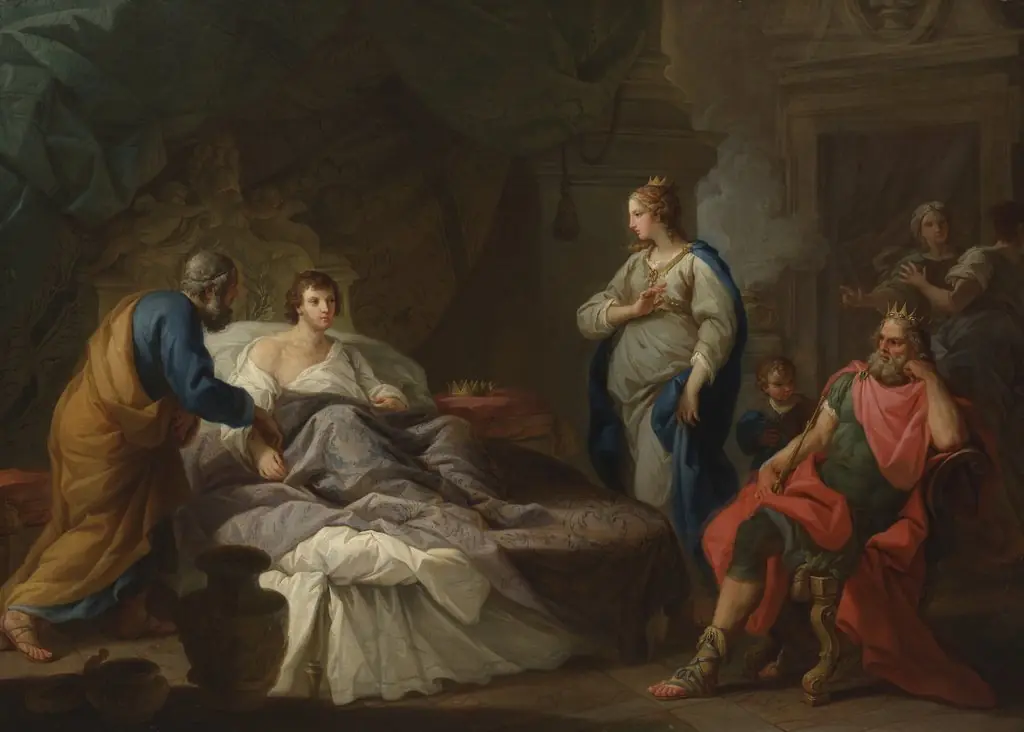

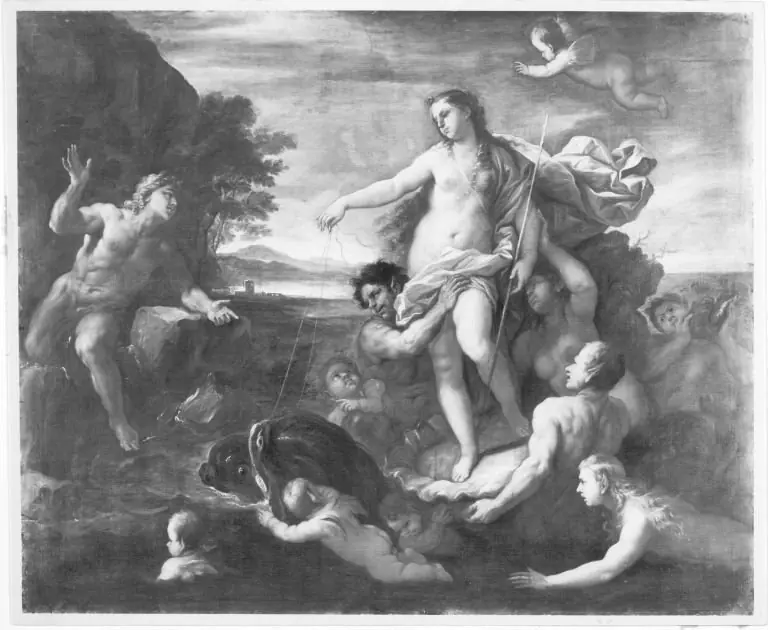 Galathea besucht Acis
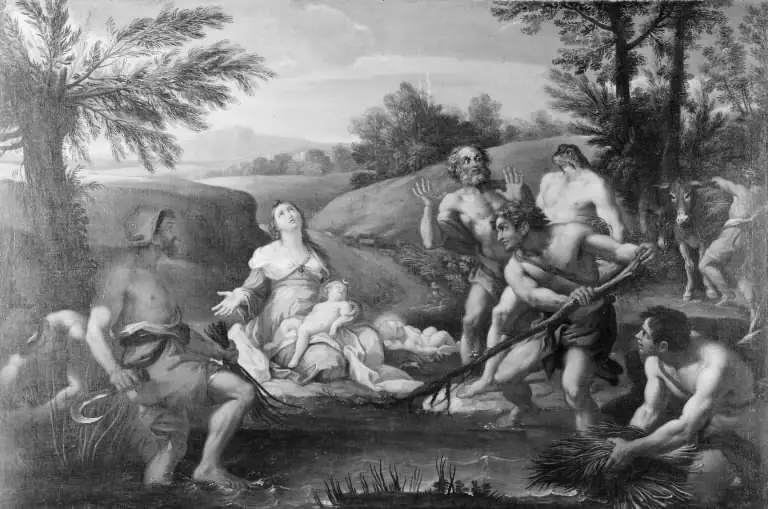 Latona forvandler Licias hyrder til frøer. Motiv fra Ovids "Metamorfoser", VI sang
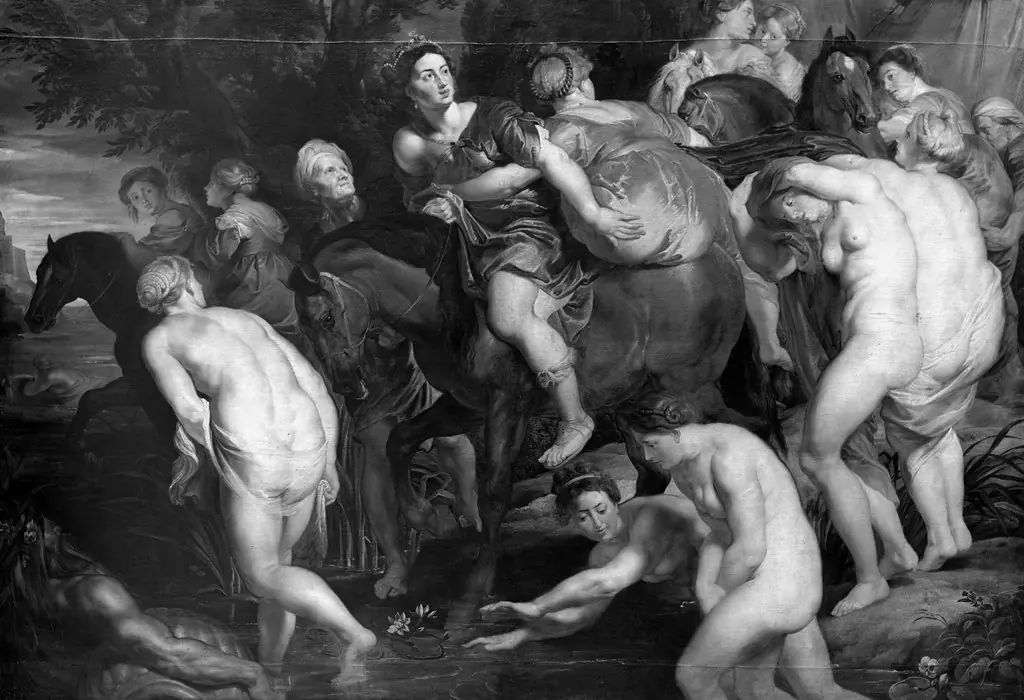 The escape of Cloelia
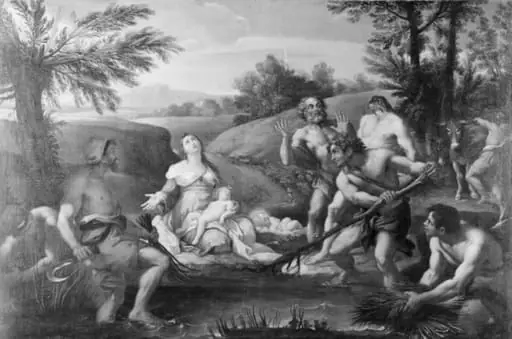 Latona forvandler Licias hyrder til frøer. Motiv fra Ovids "Metamorfoser", VI sang
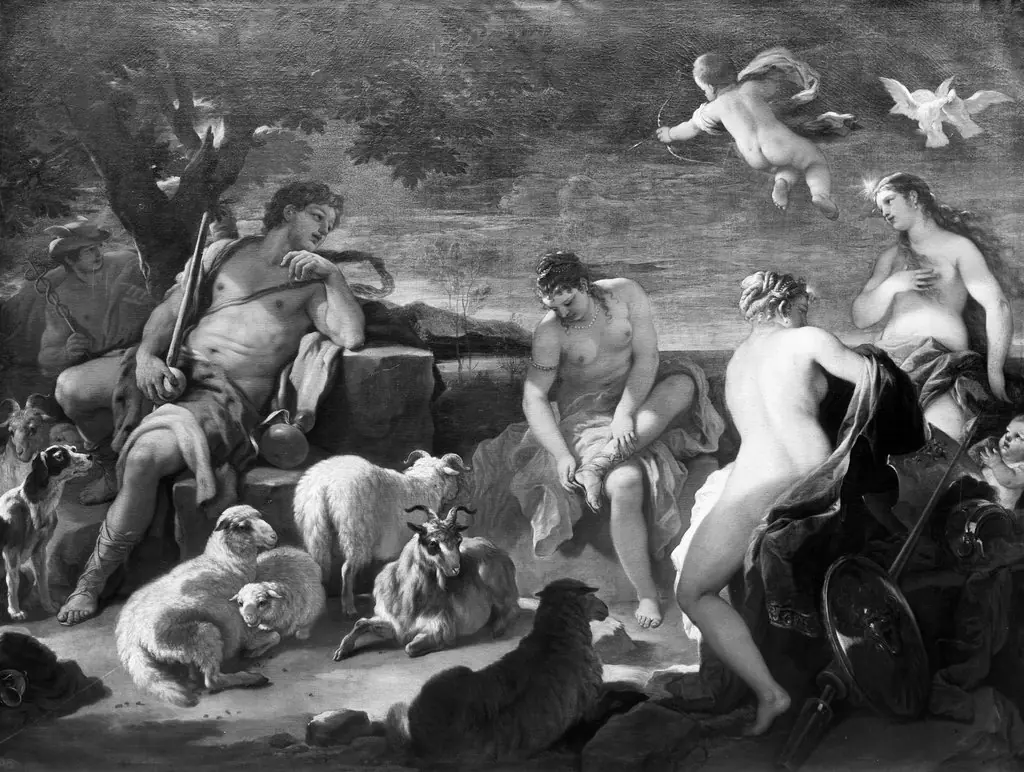 The judgment of Paris
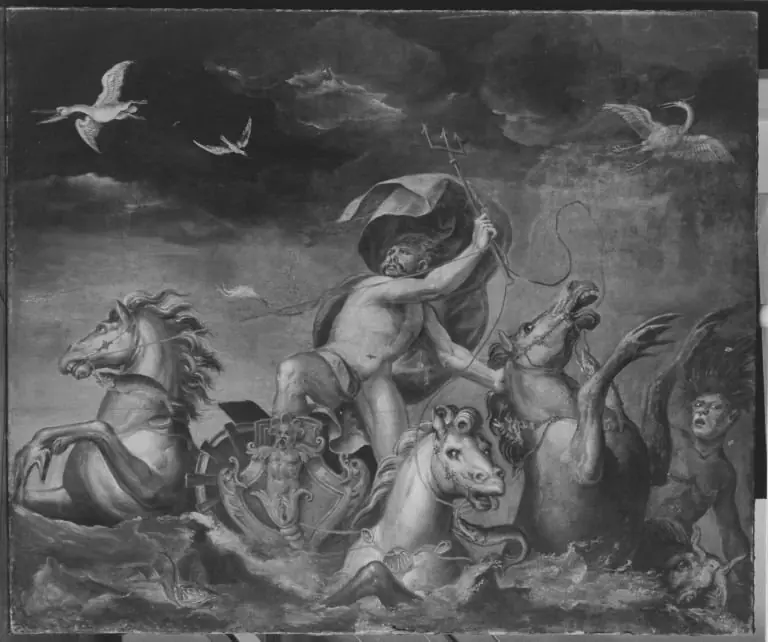 Neptun auf dem Meere (zugeschrieben)
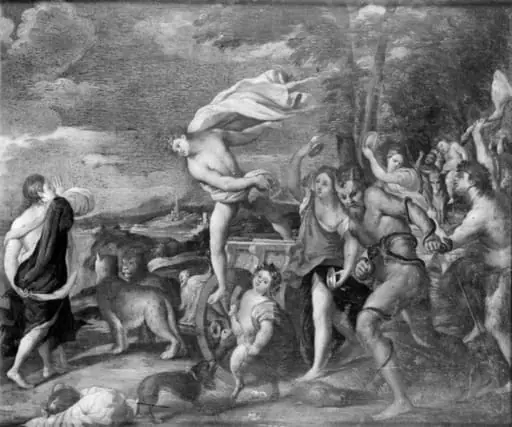 Bacchus and Ariadne
 Apollo tötet die Kinder der Niobe
 Nesso rapisce Deianira
 Bacchus and Ariadne
 Pan and Syrinx
 Aeneas am Numicius