Artwork
The Fall of Icarus (sketch for the Torre de la Parada
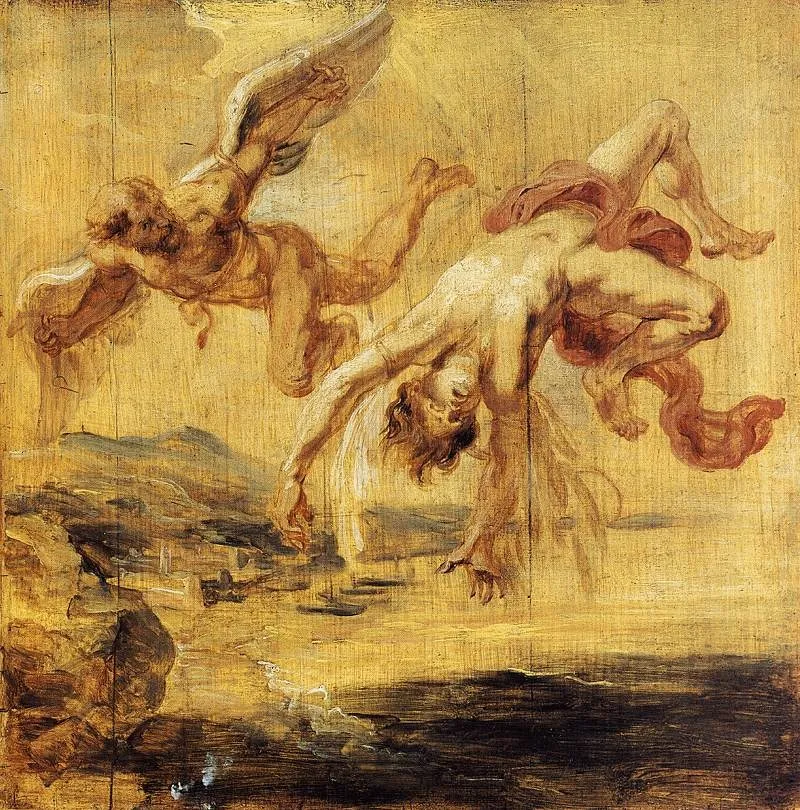
The Fall of Icarus (sketch for the Torre de la Parada is an oil painting by Peter Paul Rubens. It dates from 1636 and is held in the collection of the Royal Museums of Fine Arts of Belgium.
About this work
Overview
Peter Paul Rubens produced this oil sketch in 1636 as a preparatory work for the decorative program of the Torre de la Parada, a royal hunting lodge. The composition captures the moment of Icarus’s descent, rendered in the warm, golden palette typical of Rubens’s Baroque language. The piece is part of the Royal Museums of Fine Arts of Belgium’s collection.
Subject & Meaning
The image illustrates the Greek myth of Icarus, whose hubristic flight ends in a fall from the sky. Rubens emphasizes the tragedy through the figure’s outstretched limbs and the trailing red cloth, while a distant winged presence suggests the lost ambition of the fallen youth.
Technique & Style
Executed with vigorous brushwork, the sketch employs chiaroscuro to model the nude body against a luminous sky, and impasto adds tactile surface texture. The warm tonal scheme and dynamic composition reflect the dramatic intensity characteristic of Baroque painting.
History & Provenance
Created as a study for the Torre de la Parada project, the work remained in Rubens’s studio before entering the Royal Museums of Fine Arts of Belgium. Its survival offers insight into Rubens’s preparatory process for large-scale royal commissions.
Artist & collection
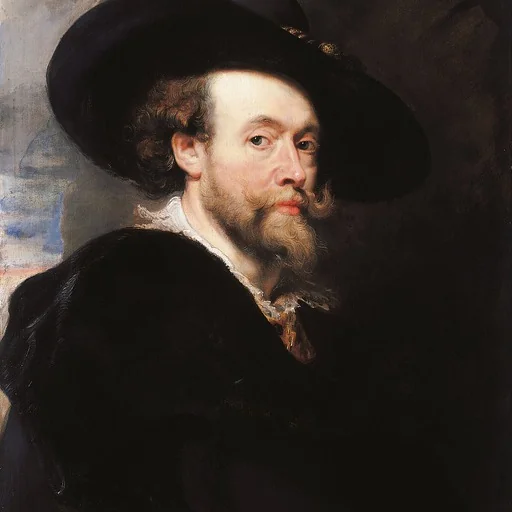
Artist
Sir Peter Paul Rubens ( ROO-bənz; Dutch: ; 28 June 1577 – 30 May 1640) was a Flemish artist and diplomat.

Museum
Royal Museums of Fine Arts of Belgium
Continue through works from the same source collection.
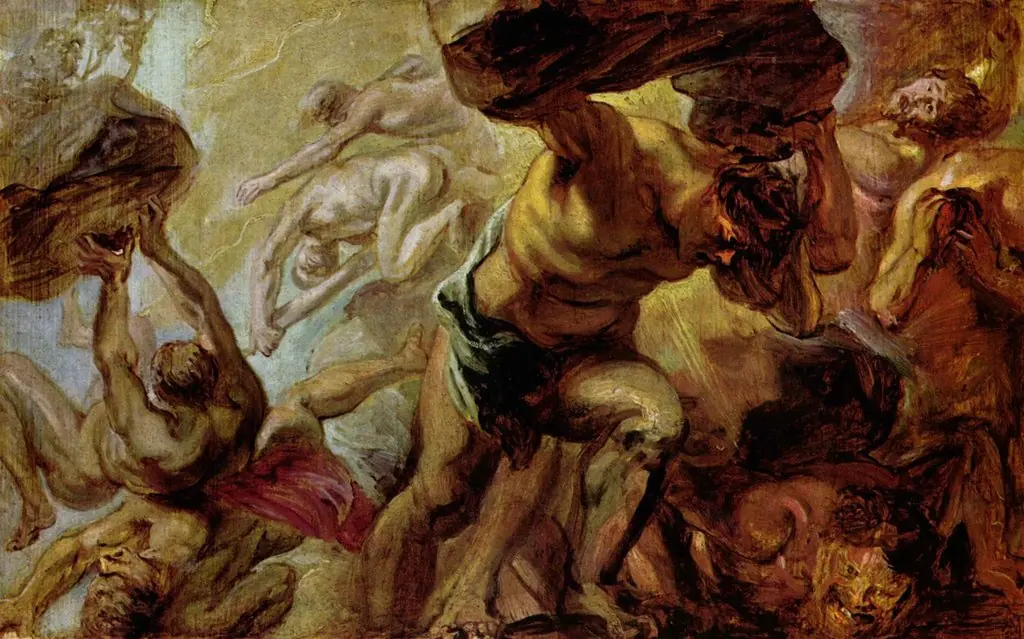 Fall of the Giants
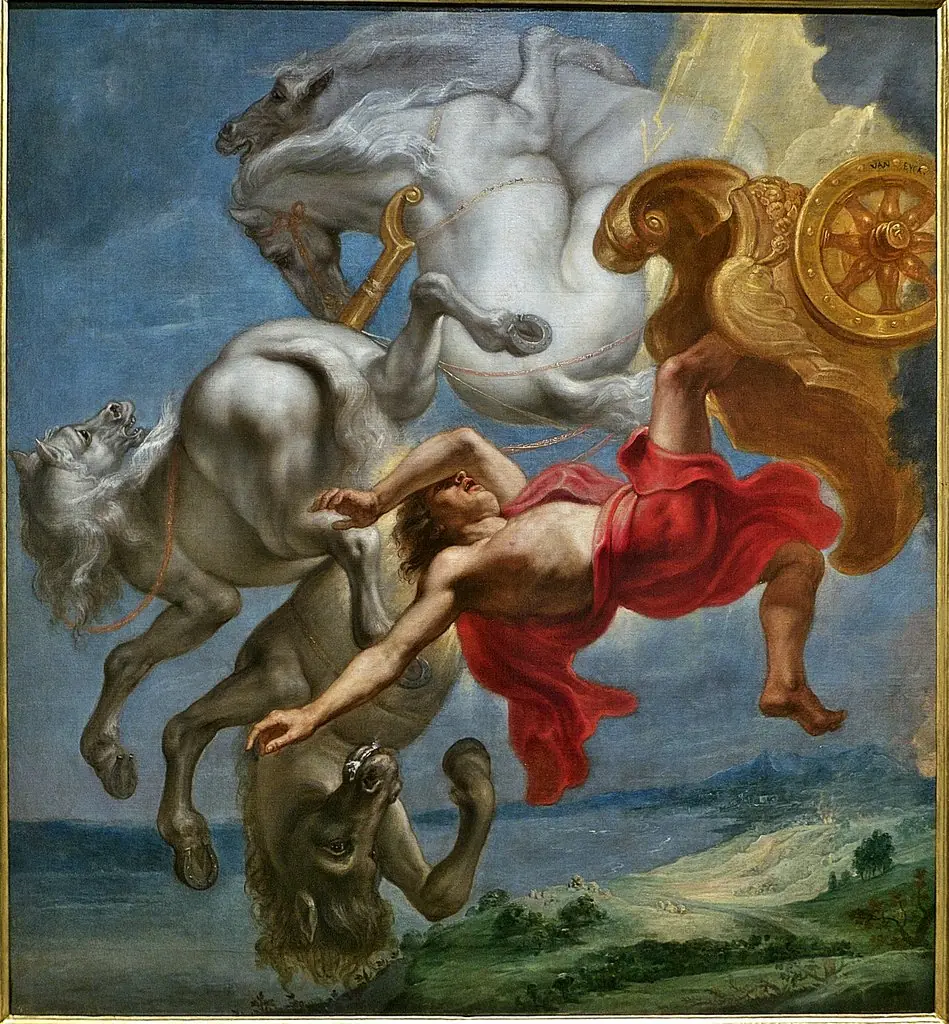 The Fall of Phaethon
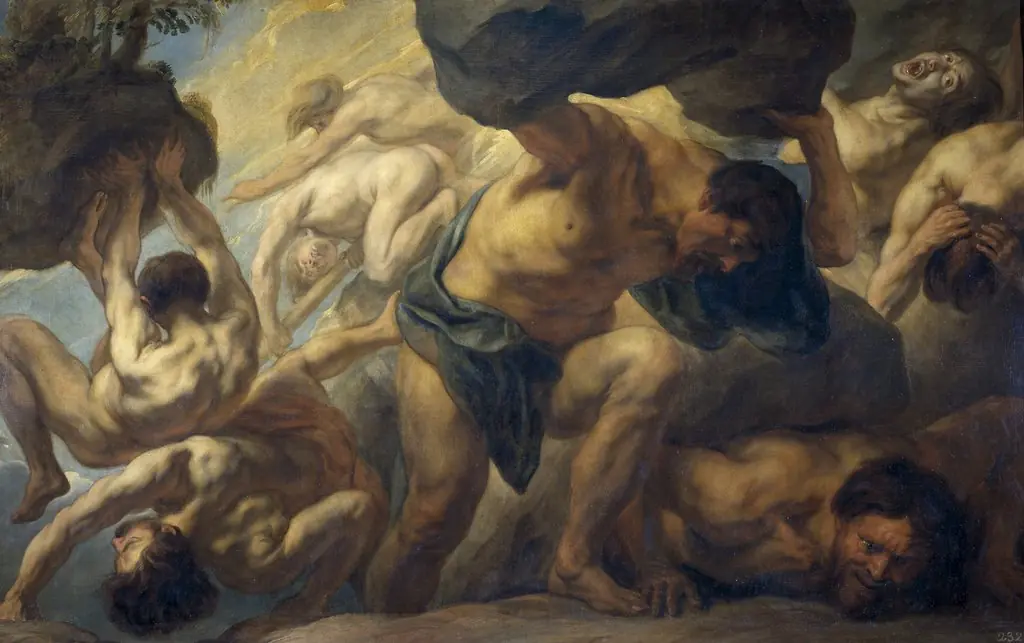 The Fall of the Giants
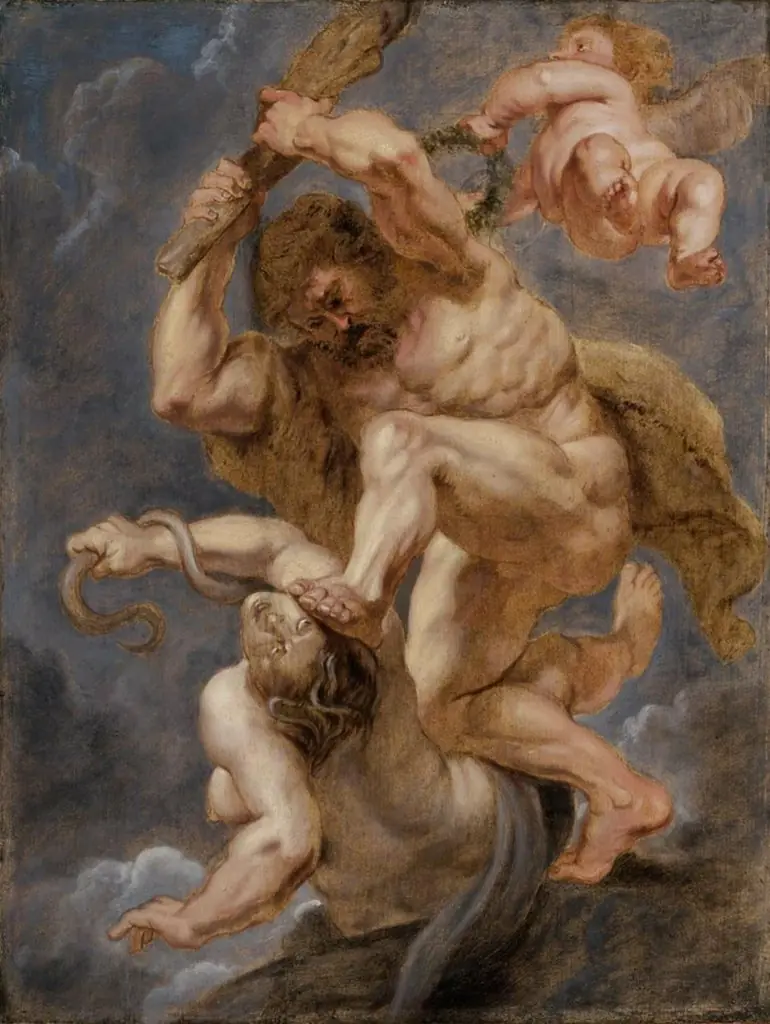 Hercules as Heroic Virtue Overcoming Discord
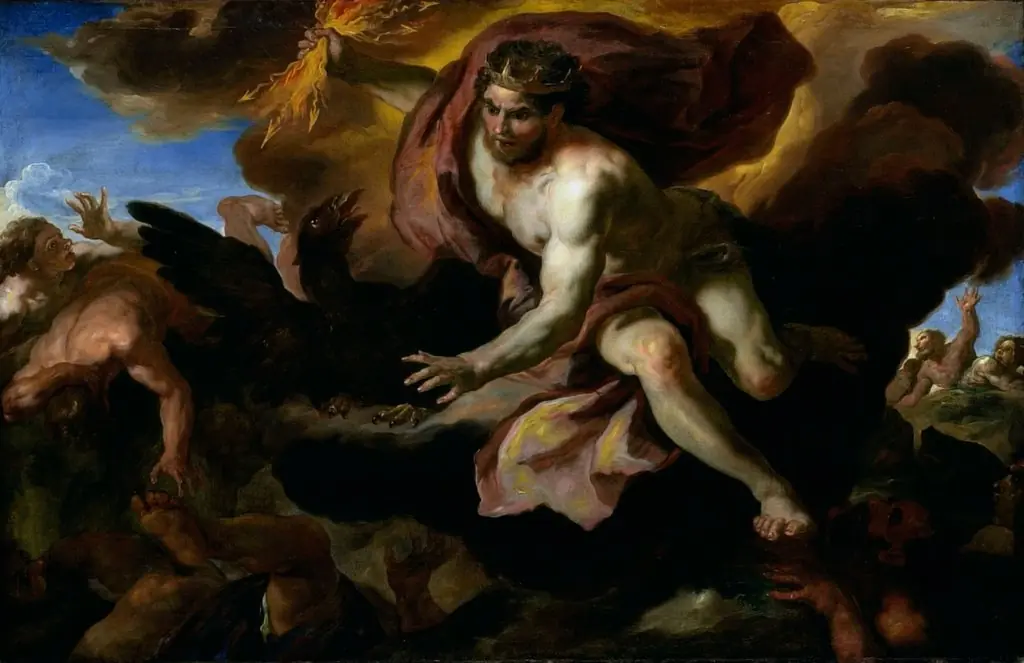 Jove casts his Thunderbolts at the Rebellious Giants
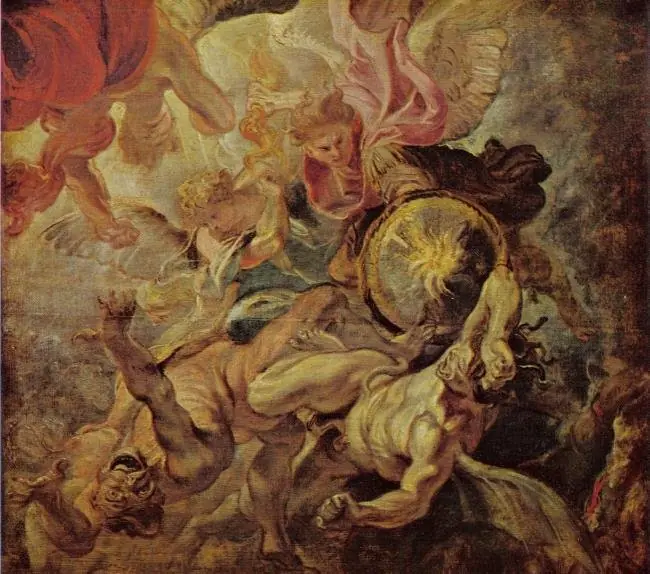 The archangel Michael defeats Satan and the rebellious angels (Revelations 12:7-9), 1620
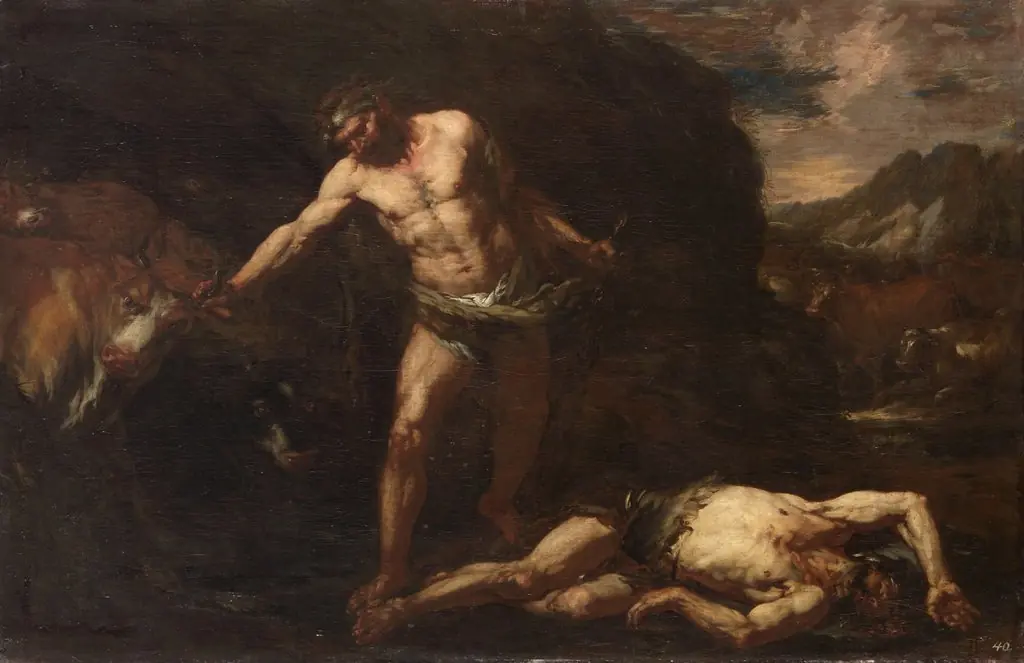 Hercules tötet den Riesen Cacus und raubt die Rinder des Geryoneus
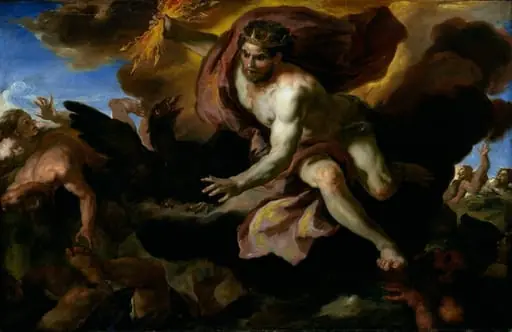 Jove Casts His Thunderbolts at the Rebellious Giants
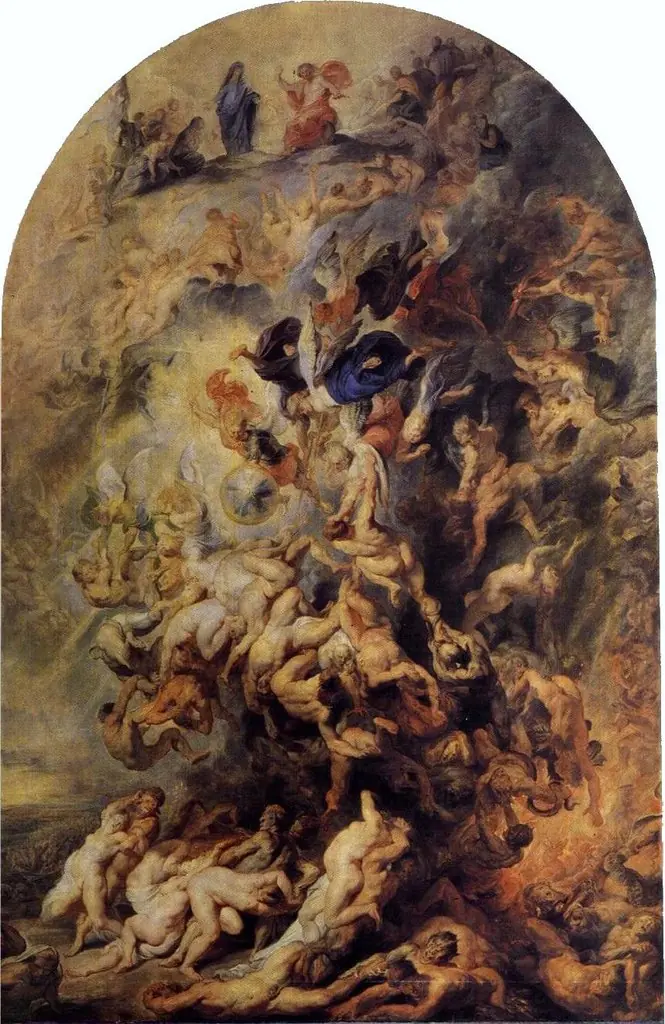 The Small Last Judgement