Artwork
Hercules tötet den Riesen Cacus und raubt die Rinder des Geryoneus
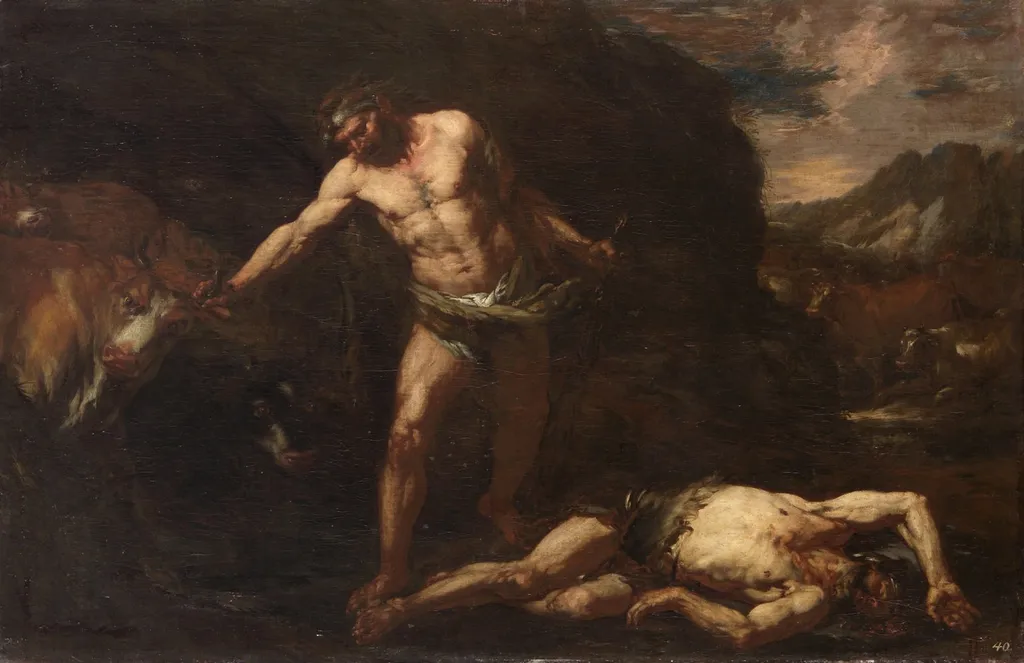
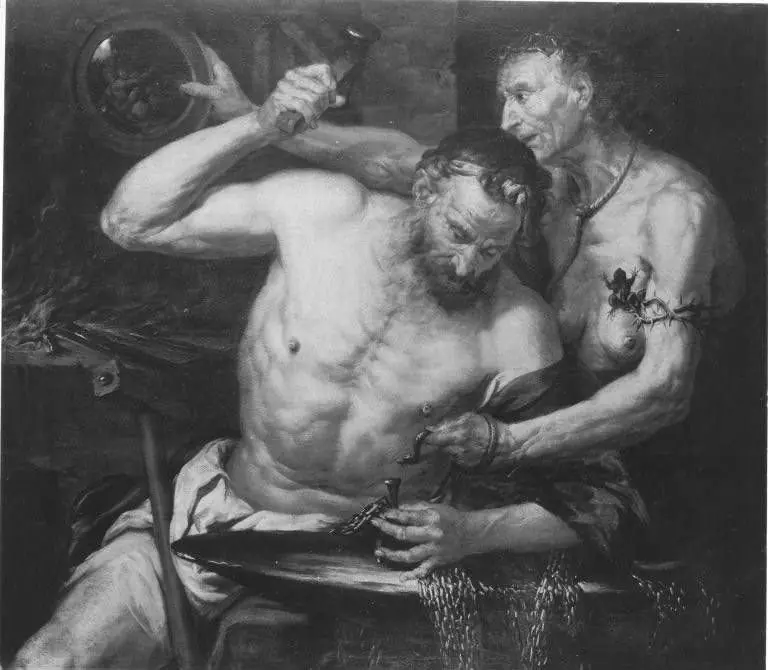
Hercules tötet den Riesen Cacus und raubt die Rinder des Geryoneus is an unspecified painting by the Mannerist artist Giovan Battista Langetti. It dates from 1660 and is held in the collection of the Kunsthistorisches Museum.
About this work
Overview
Hercules tötet den Riesen Cacus und raubt die Rinder des Geryoneus is a late-Baroque painting by Giovan Battista Langetti, created circa 1660. The work depicts a pivotal moment from Hercules' mythological exploits.
Subject & Meaning
The painting illustrates Hercules slaying the giant Cacus while appropriating the cattle of Geryoneus, conveying the hero's strength and the dramatic intensity of mythological conflict.
Technique & Style
Langetti employed stark chiaroscuro, juxtaposing strong light and dark shadows to heighten drama. The work also showcases meticulous attention to texture, evident in the rendering of skin, fur, and muscle.
History & Provenance
The painting is attributed to Langetti's active period in Genoa, Rome, or Venice. It is currently part of the Kunsthistorisches Museum's collection.
Context
While created in the late-Baroque period, the painting's stylistic elements align more closely with the dramatic and emotionally charged aspects of Mannerism, reflecting the artist's eclectic style.
Legacy
The painting's legacy is largely tied to its presence in the Kunsthistorisches Museum, contributing to the institution's collection of Baroque and Mannerist works, though its broader impact on the art historical canon is less defined.
Artist & collection
Artist
Giovanni Battista Langetti (1635 – 22 October 1676), also known as Giambattista Langetti, was an Italian late-Baroque painter. He was active in his native Genoa, then Rome, and finally for the longest period in Venice.

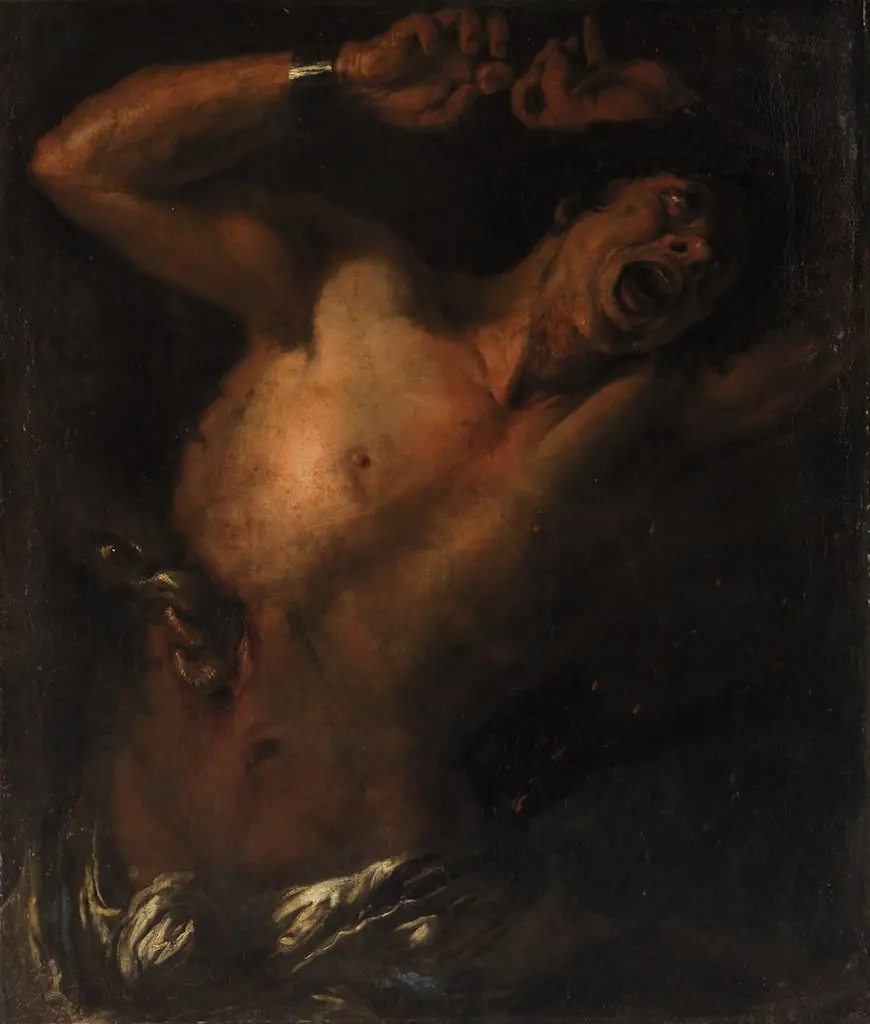
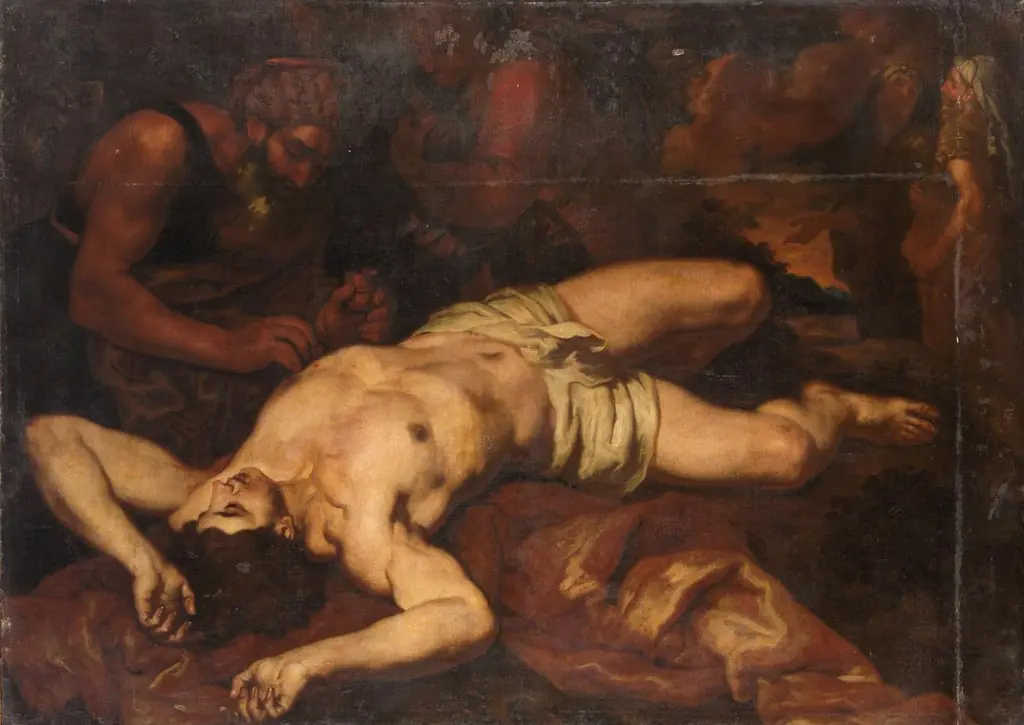 The Good Samaritan
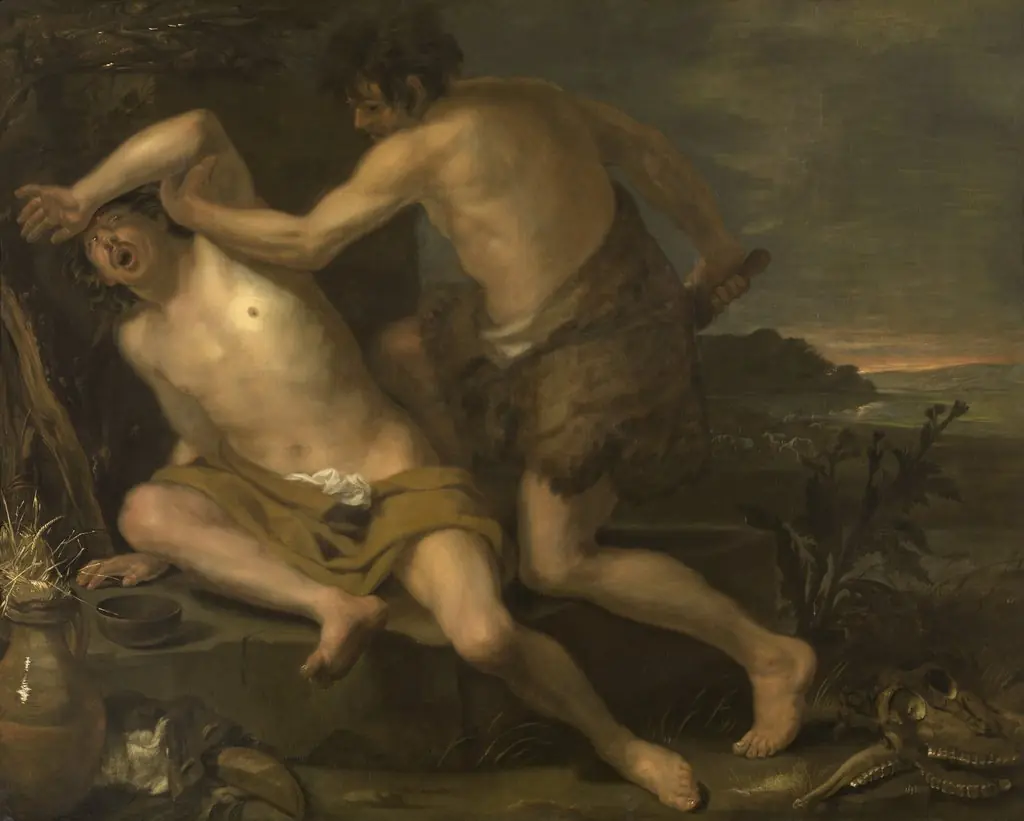 The Death of Abel
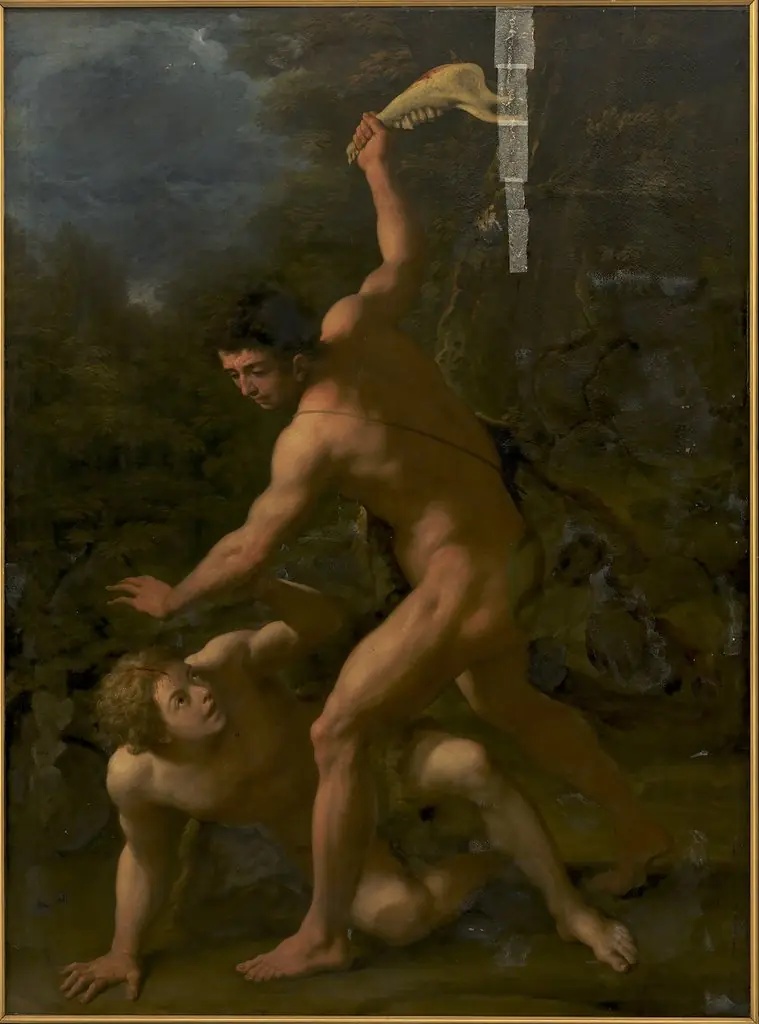 Cain Slaying Abel
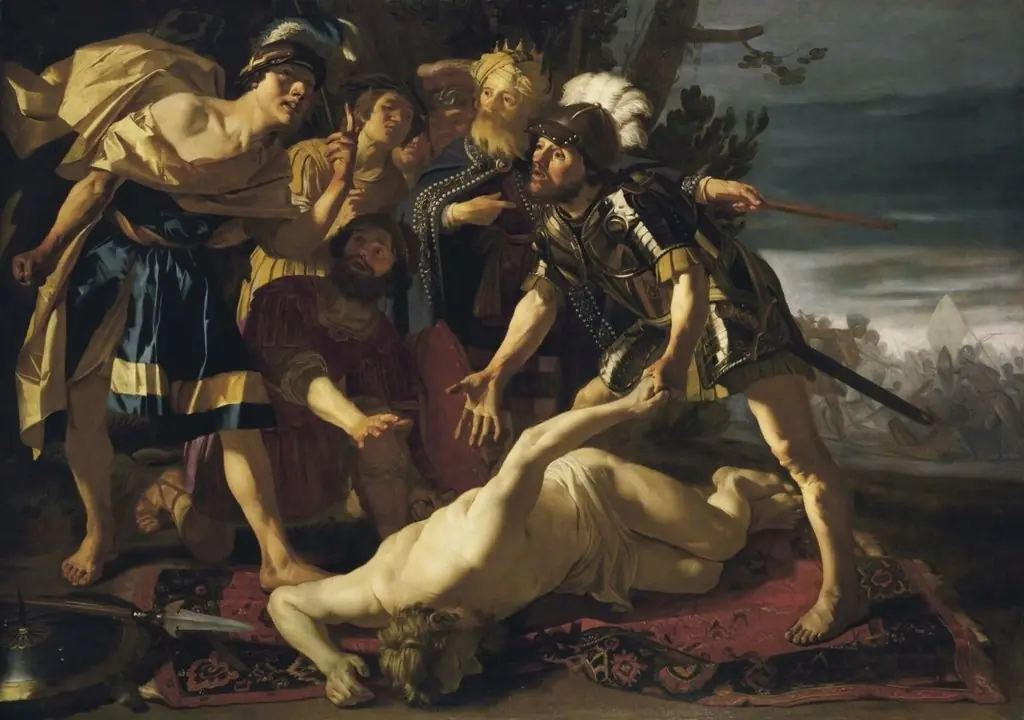 Achilles preparing to avenge the death of Patroclus
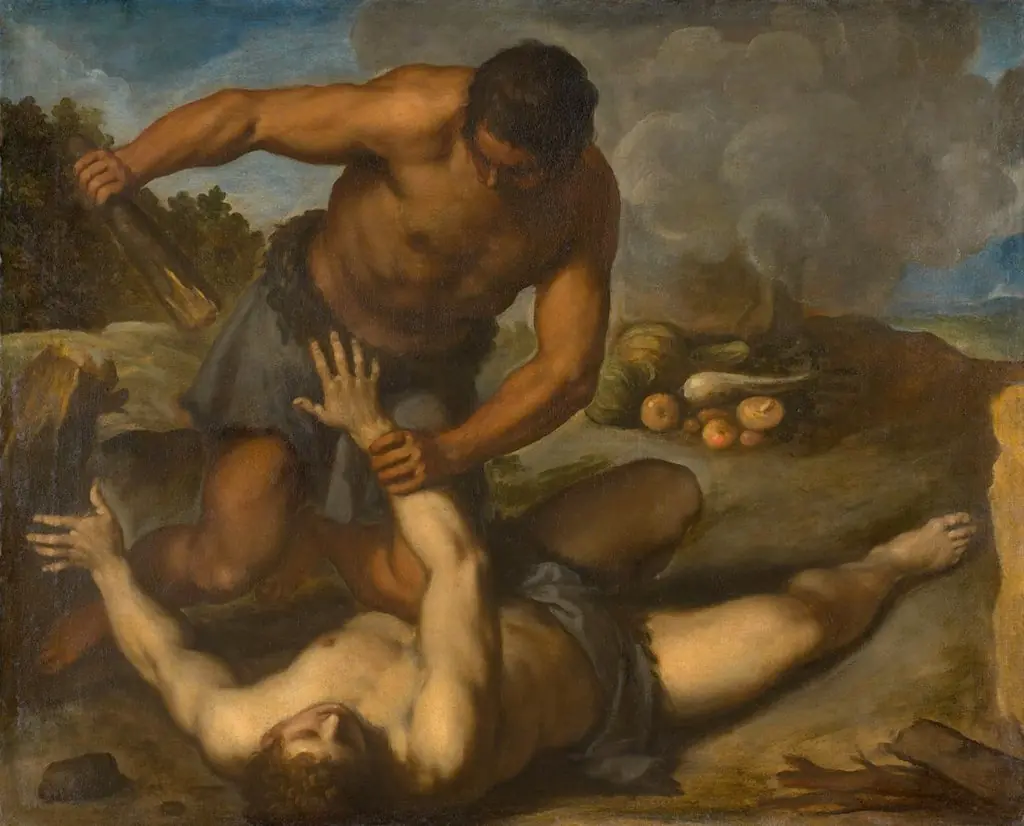 Cain and Abel
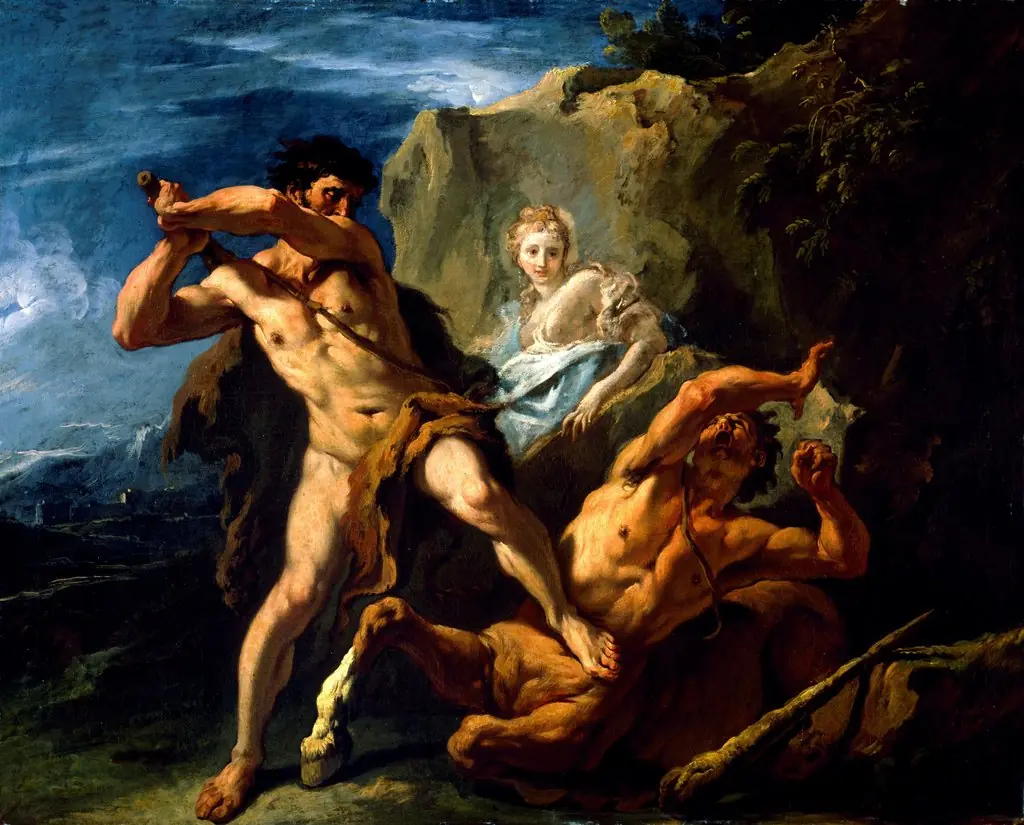 Hercules Killing the Centaur Nessus
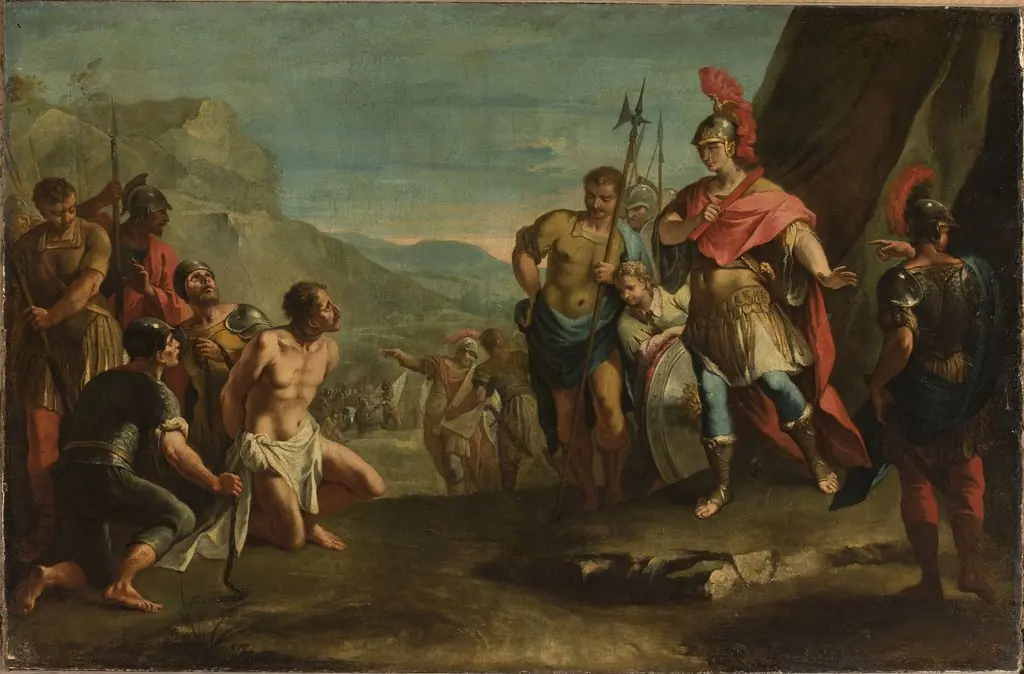 Killer of Darius before Alexander (King Porus and Alexander the Great)
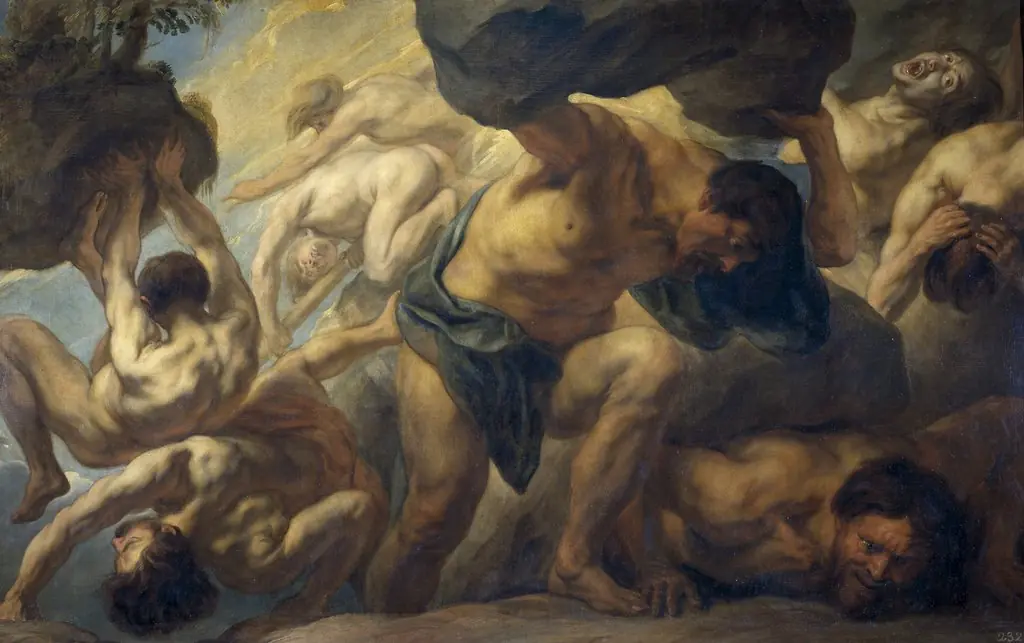 The Fall of the Giants
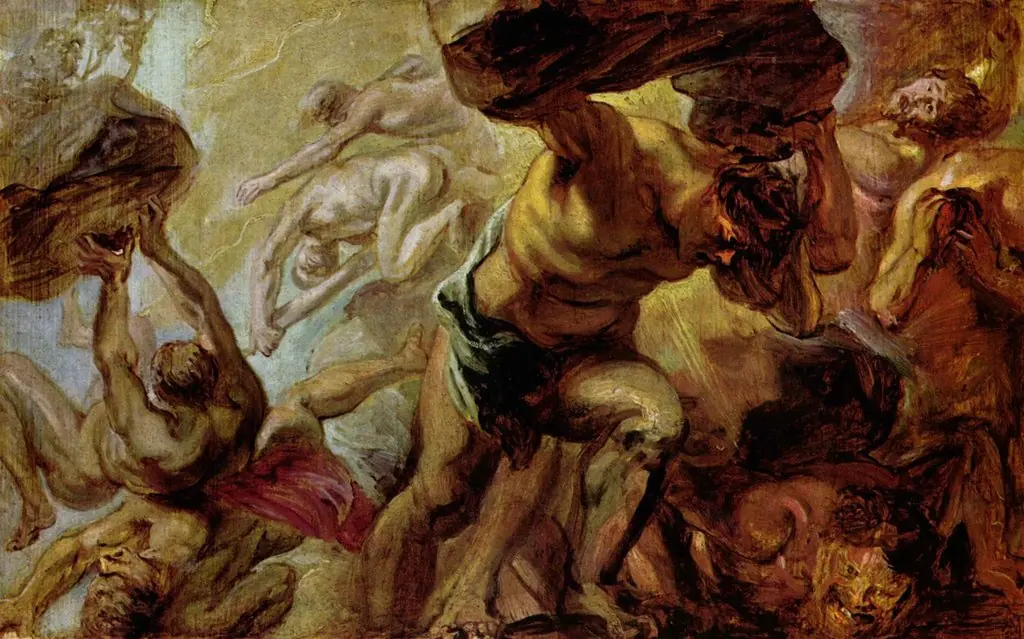 Fall of the Giants
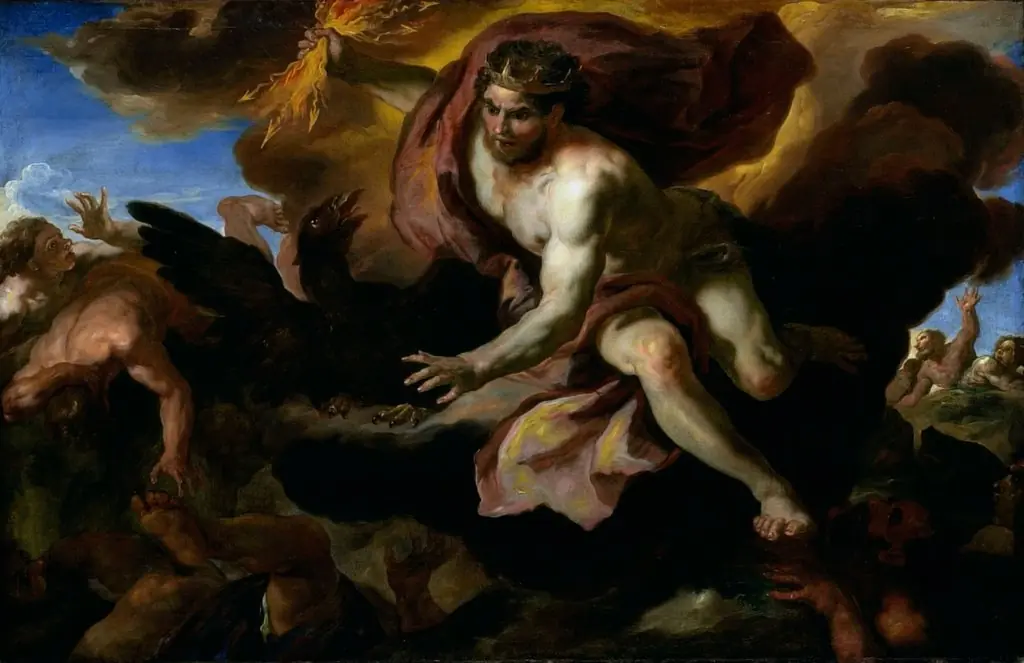 Jove casts his Thunderbolts at the Rebellious Giants
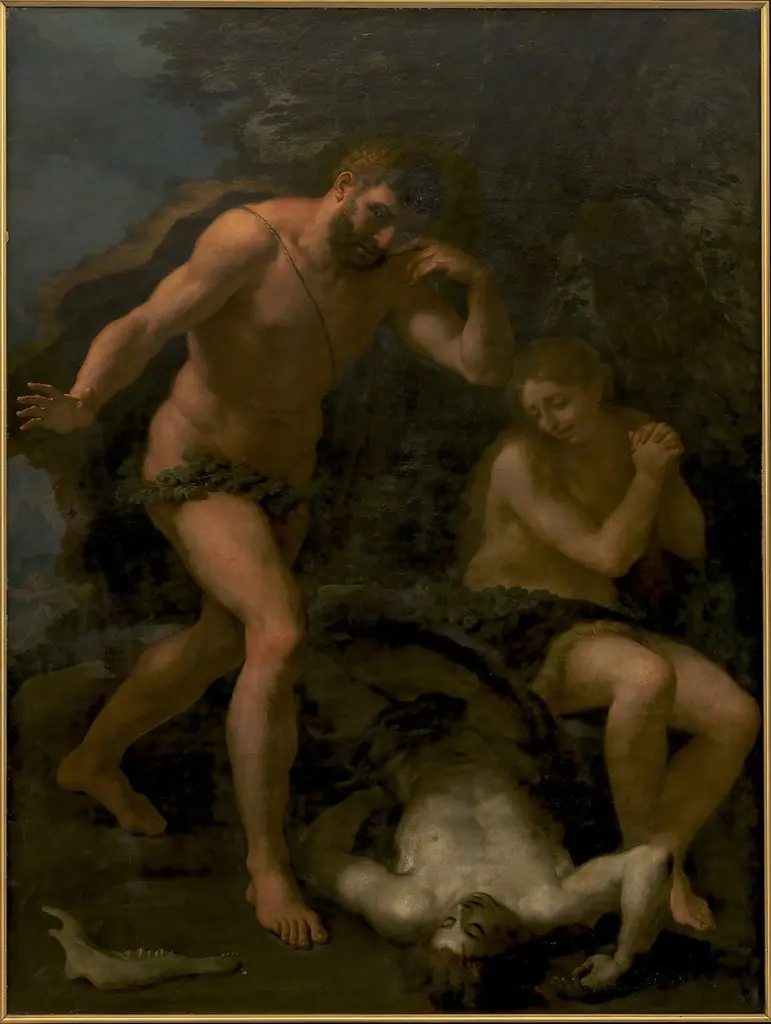 Adam and Eve Lamenting over the Body of Abel
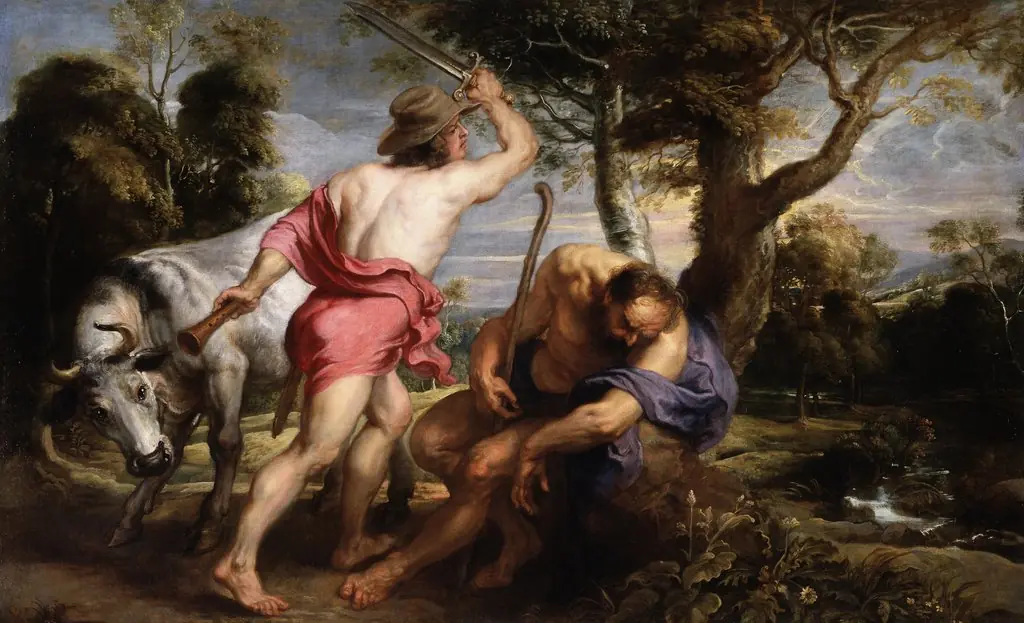 Mercury and Argus