Artwork
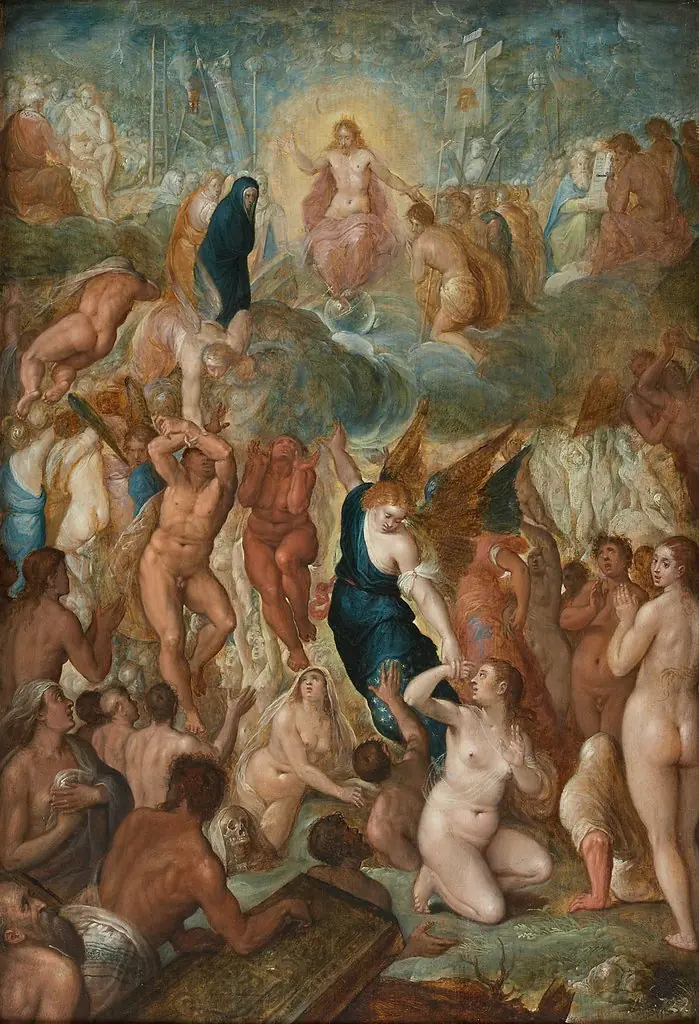
The Great Last Judgement
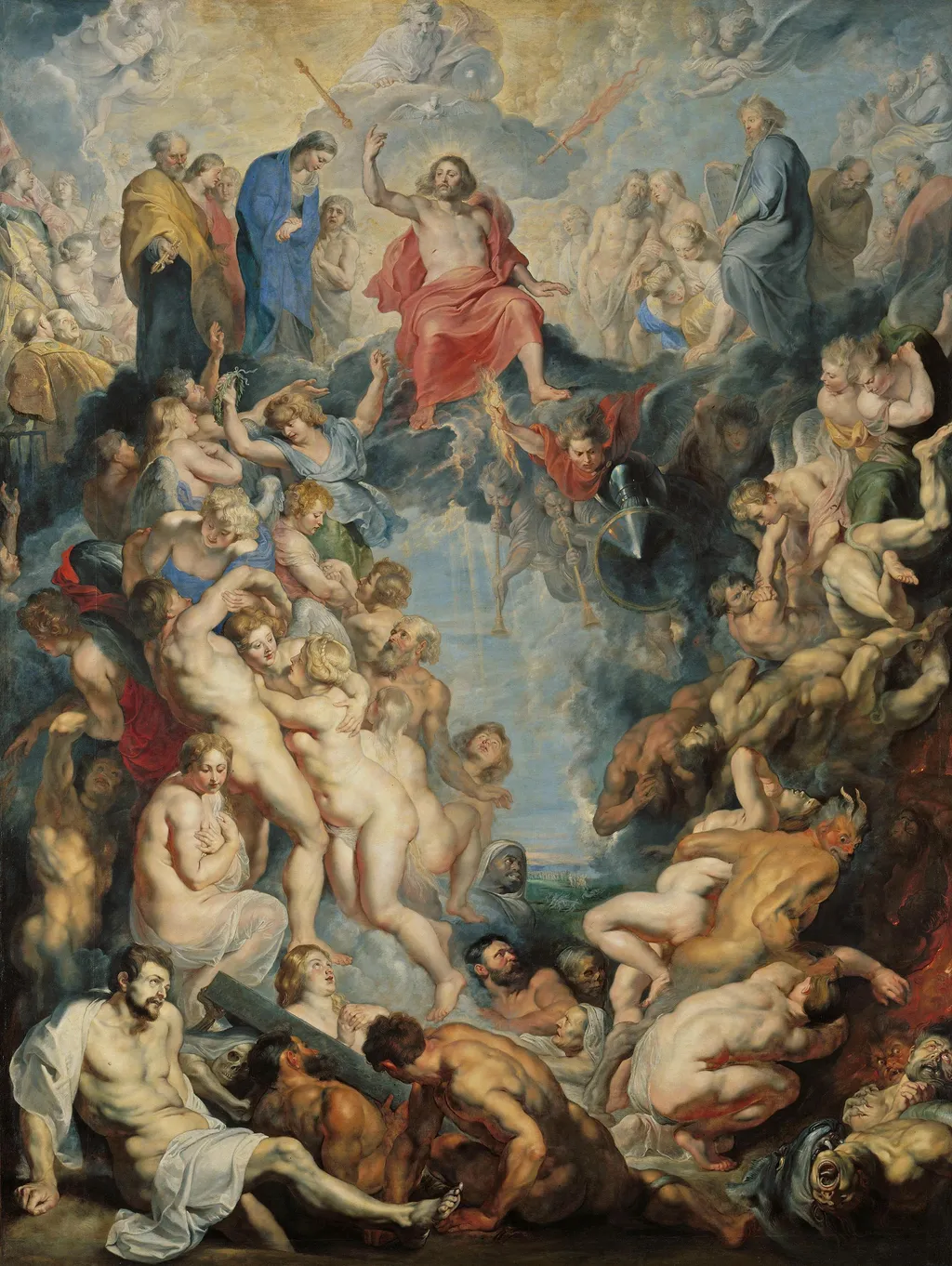
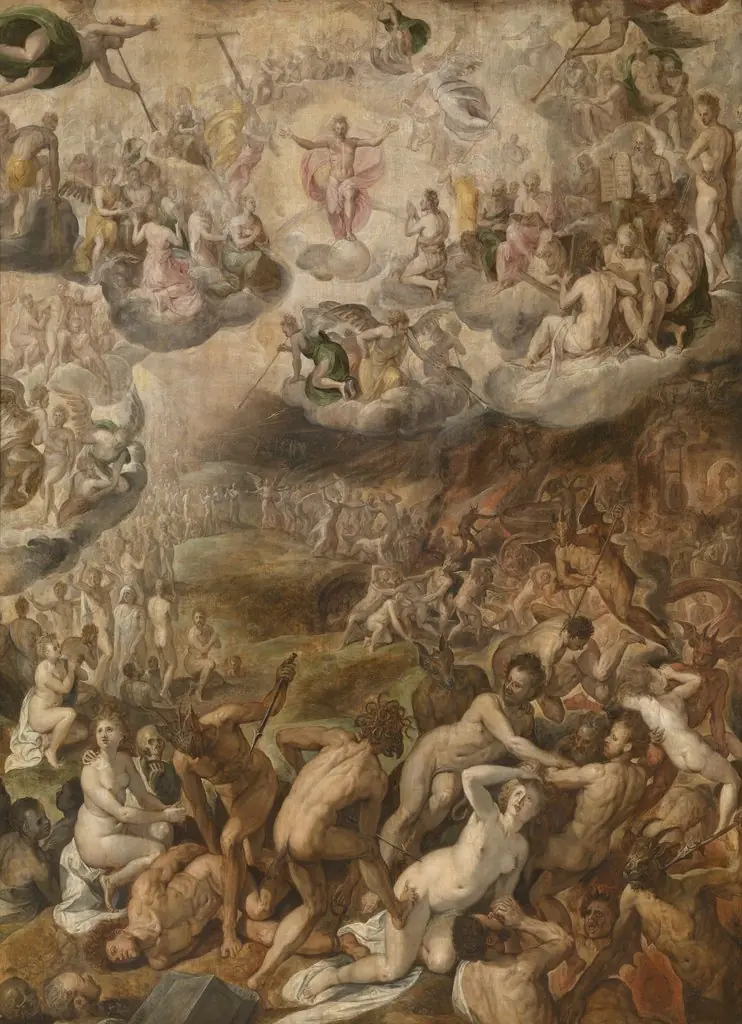
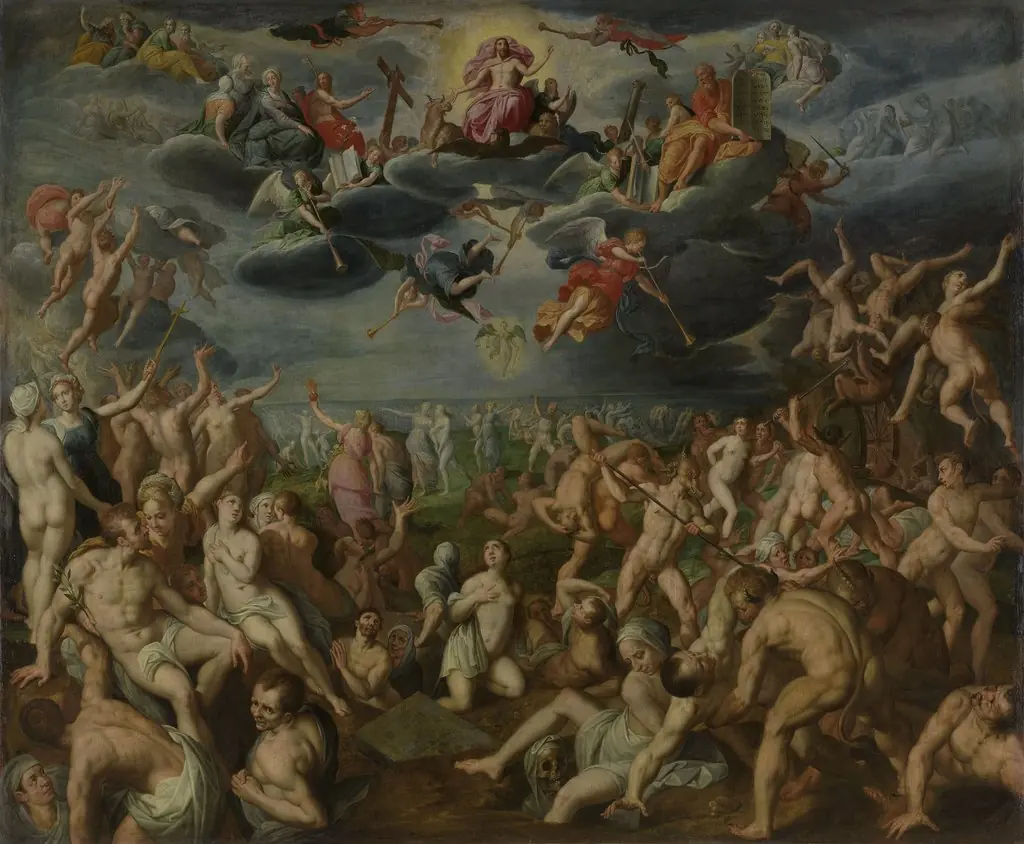
The Great Last Judgement is an oil painting by the Flemish Baroque painting artist Peter Paul Rubens. It dates from 1617 and is held in the collection of the Bavarian State Painting Collections.
About this work
Overview
It forms part of a series of Rubens’ apocalyptic compositions, differentiated from his later Small Last Judgement (1619) and The Fall of the Damned (1620).
Peter Paul Rubens executed the large oil-on-canvas altarpiece known as The Great Last Judgement between 1614 and 1617. The work, signed solely by Rubens, was produced with the assistance of a sizable workshop, estimated to involve between nine and nineteen collaborators. It forms part of a series of Rubens’ apocalyptic compositions, differentiated from his later Small Last Judgement (1619) and The Fall of the Damned (1620).
Subject & Meaning
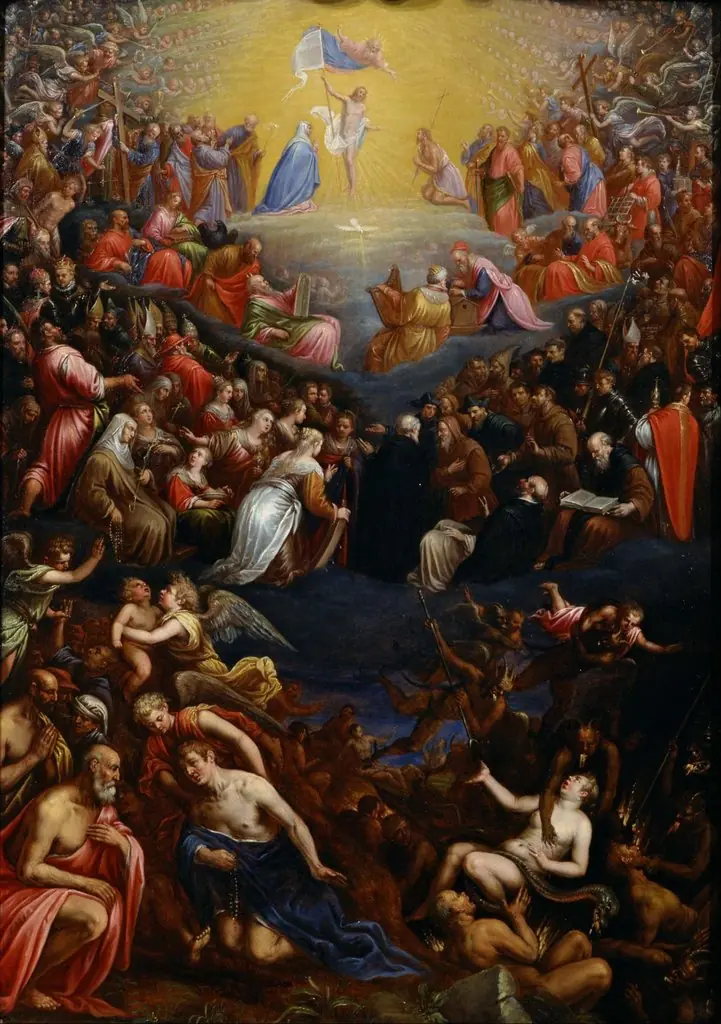
The composition depicts the biblical scene of the final judgment, crowded with a multitude of figures. At the centre stands a bearded, red‑clad man with outstretched arms, surrounded by angels and demons in dynamic motion. The celestial realm is rendered chaotic, with light breaking through clouds, while the earthly plane shows souls in various states of ascent, torment, or supplication, illustrating the theological contrast between salvation and damnation.
Technique & Style
Rubens employs a dramatic chiaroscuro, allowing light to illuminate select faces and bodies while casting others into deep shadow, enhancing the sense of spiritual revelation. Thick impasto is evident in the rendering of musculature and drapery, giving texture to flesh and fabric. The swirling arrangement of figures and the vigorous brushwork reflect the Baroque emphasis on movement, emotional intensity, and theatricality.
History & Provenance
The painting was one of four altarpieces commissioned by Wolfgang William, Count Palatine of Neuburg, for the Jesuit church in Neuburg an der Donau. After its ecclesiastical service, the work entered the private collection of Johann Wilhelm, Elector Palatine. It was later acquired by the Bavarian state and now resides in the Alte Pinakothek in Munich.
Context
Created during Rubens’ mature period, the altarpiece reflects the Counter‑Reformation’s demand for vivid, didactic religious imagery. Its scale and complexity align with the Jesuit order’s aim to inspire devotion through immersive visual narratives, while the involvement of numerous assistants underscores the workshop practices typical of large‑scale Baroque commissions.
Legacy
The Great Last Judgement remains a key example of Rubens’ ability to orchestrate massive, multi‑figure scenes that combine theological rigor with dramatic visual impact. Its presence in a major public museum ensures continued scholarly attention to Rubens’ collaborative methods and the broader role of altarpieces in early‑17th‑century Catholic art.
Own this work as a print
Artist & collection
Artist
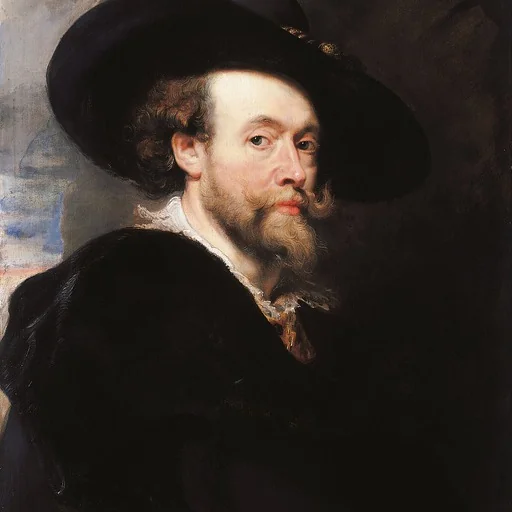
Sir Peter Paul Rubens ( ROO-bənz; Dutch: ; 28 June 1577 – 30 May 1640) was a Flemish artist and diplomat.