Artwork
The Rape of Ganymede
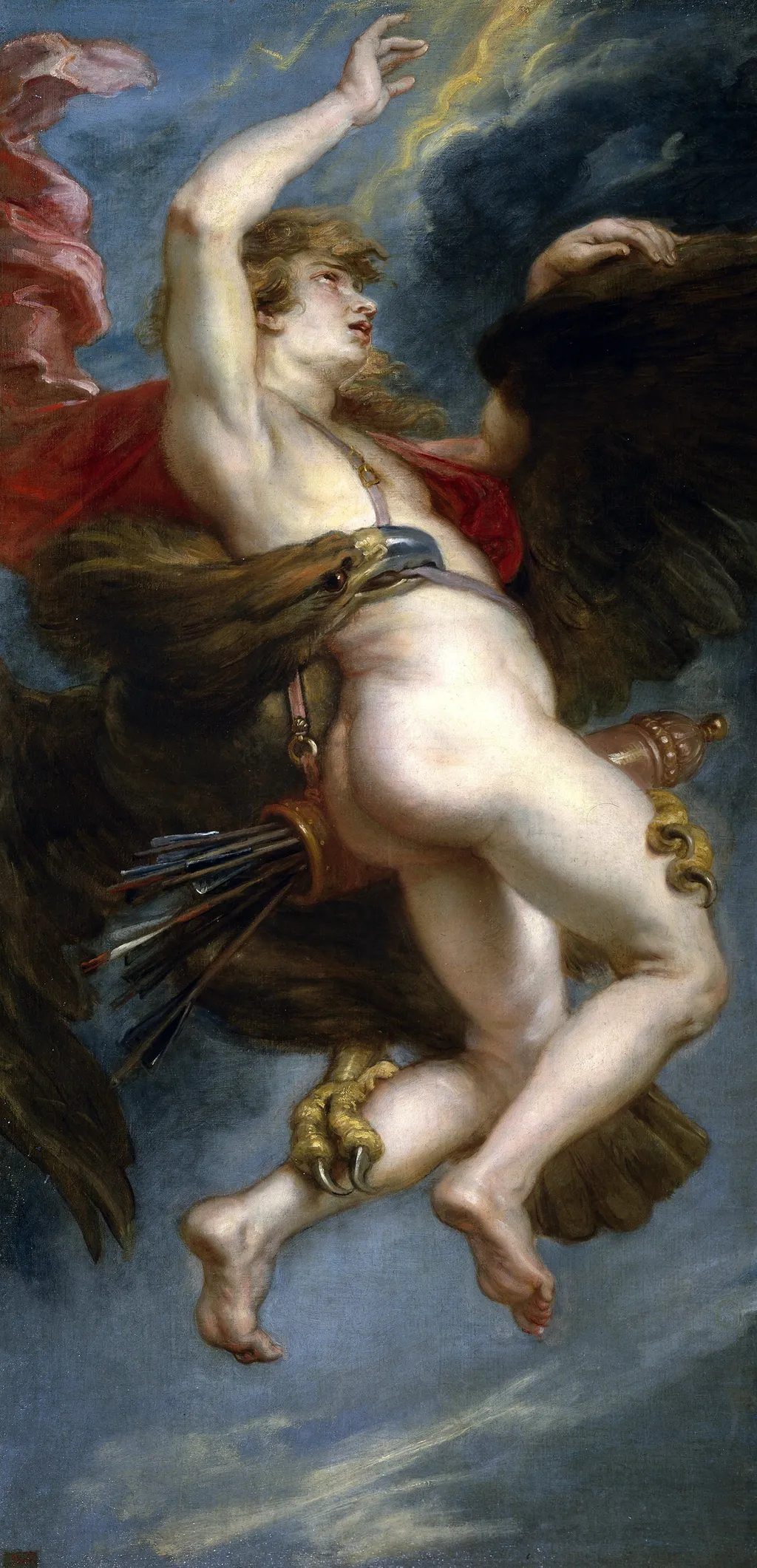
The Rape of Ganymede is an oil painting by the Flemish Baroque painting artist Peter Paul Rubens. It dates from 1637 and is held in the collection of the Museo del Prado.
About this work
Overview
Peter Paul Rubens painted The Rape of Ganymede between 1636 and 1638 for the hunting lodge of Philip IV of Spain. The oil work shows the mythic moment when Jupiter, disguised as an eagle, seizes the youthful shepherd Ganymede and carries him aloft. Today the canvas belongs to the Museo del Prado in Madrid.
Subject & Meaning
The composition follows Ovid’s Metamorphoses, in which the king of the gods abducts Ganymede to serve as cup‑bearer on Olympus. Rubens captures the instant of capture, emphasizing the tension between divine power and mortal vulnerability, while also highlighting the idealized male form that symbolizes youthful beauty.
Technique & Style
Rubens employs a vigorous Baroque palette of blues and golds, using pronounced chiaroscuro to model the flesh of the nude figure and the plumage of the eagle. Thick impasto gives texture to the feathers and musculature, while the swirling sky creates a sense of movement and drama characteristic of his mature style.
History & Provenance
Commissioned by the Spanish monarch, the painting remained in the royal collection before entering the Prado Museum’s holdings. It is linked to an earlier Rubens version from 1611‑12, which shows Ganymede’s arrival on Olympus and includes the cup‑bearer Hebe, indicating the artist’s ongoing engagement with the myth.
Context
Created during Rubens’ later years, the work reflects the Baroque fascination with dynamic mythological scenes and the patronage of European courts. Its subject matter resonated with royal interests in classical antiquity and the display of power through art.
Own this work as a print
Artist & collection
Artist
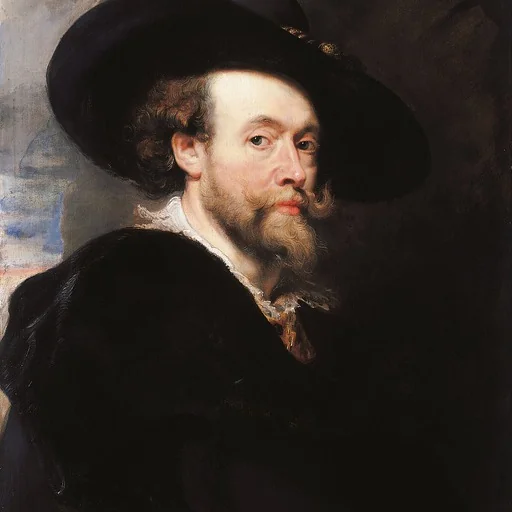
Sir Peter Paul Rubens ( ROO-bənz; Dutch: ; 28 June 1577 – 30 May 1640) was a Flemish artist and diplomat.