Artwork
The Triumph of Divine Love
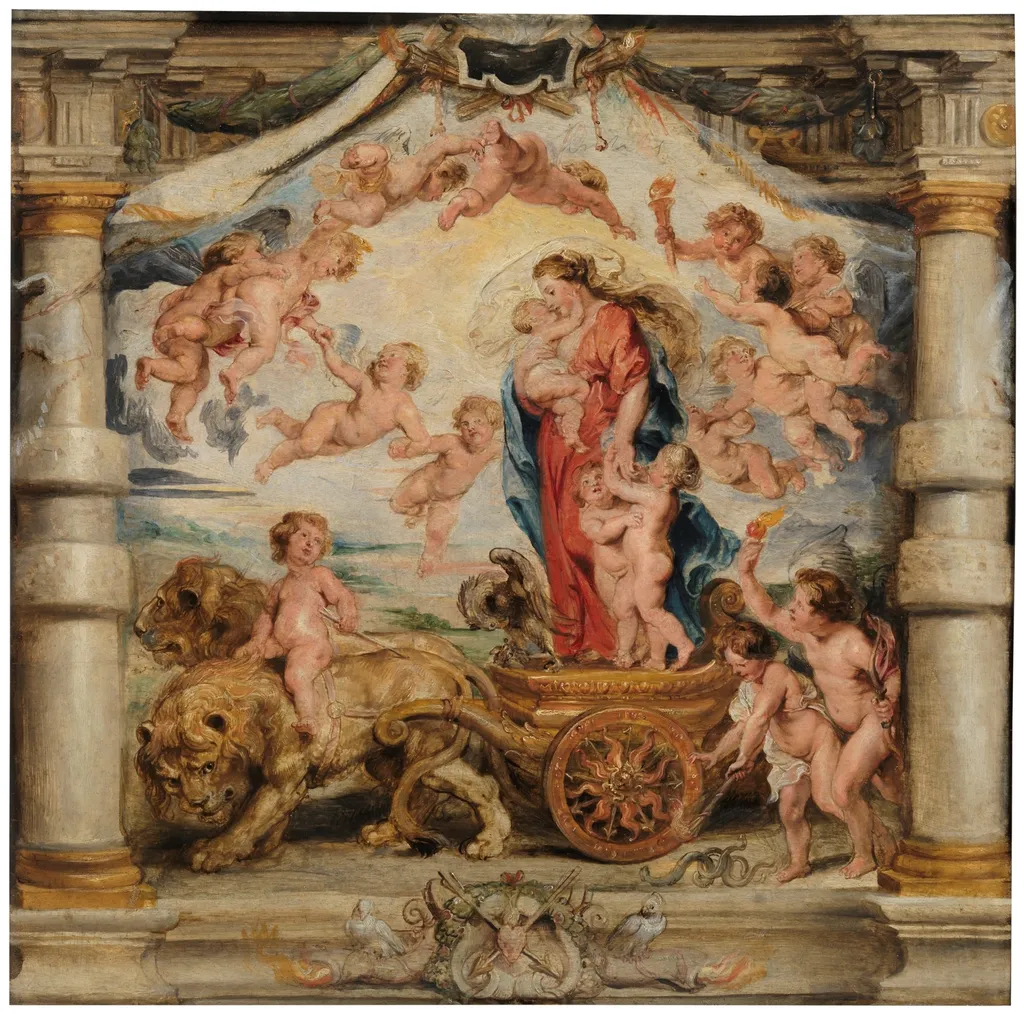
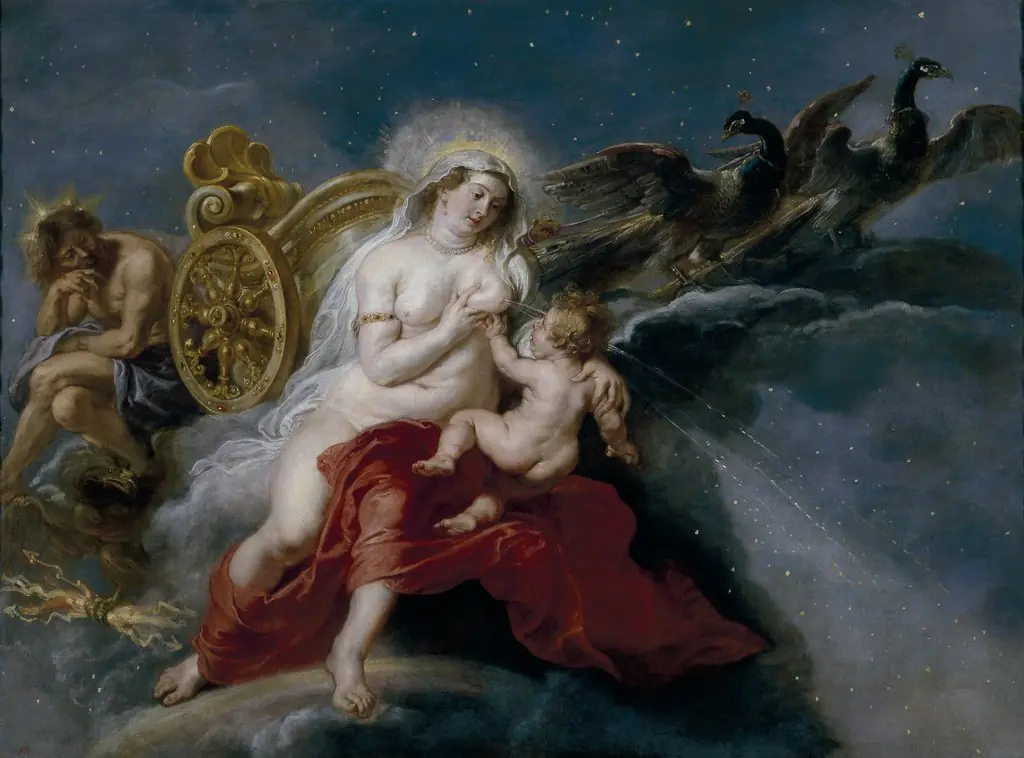
The Triumph of Divine Love is an oil painting by the Flemish Baroque painting artist Peter Paul Rubens. It dates from 1625 and is held in the collection of the Museo del Prado.
About this work
Overview
Created in 1625 by the Flemish painter and diplomat Peter Paul Rubens, this oil work exemplifies the Baroque sensibility of the early seventeenth century.
Created in 1625 by the Flemish painter and diplomat Peter Paul Rubens, this oil work exemplifies the Baroque sensibility of the early seventeenth century. The composition is dominated by a bustling assembly of nude, corpulent figures that ascend and hover amid a sky of swirling clouds. At its centre, a serene woman in red cradles an infant while standing upon a cloud, surrounded by children drawing a gilded chariot escorted by lions and peacocks.
Subject & Meaning
The scene presents an allegorical celebration of divine love, with the central female figure embodying a celestial motherly presence. The infant she holds symbolizes the incarnation, while the surrounding youths and animal attendants suggest the triumph of spiritual affection over earthly concerns. The overall tone balances calm devotion with lively activity, reflecting the theological emphasis on emotional engagement promoted by the Counter‑Reformation.
Technique & Style
Rubens employs vigorous brushwork and a rich palette characteristic of Baroque painting, using thick impasto in selected areas to give the bodies a palpable solidity. The dynamic arrangement of figures creates a sense of movement, and the contrast between the luminous reds and the golden chariot heightens visual drama. Light appears to emanate from the cloud platform, enhancing the three‑dimensional effect.
History & Provenance
After its completion, the canvas entered the royal collections of Spain and eventually became part of the Museo del Prado’s holdings, where it remains on display. Its presence in the Prado reflects the long‑standing appreciation of Rubens’ religious commissions by European courts and institutions.
Context
Rubens’ training in classical antiquity and Christian iconography informed the work’s synthesis of mythic vigor and devotional purpose. Executed during a period when the Catholic Church encouraged emotionally resonant art, the painting aligns with contemporary efforts to inspire piety through dramatic visual narratives.
Artist & collection
Artist
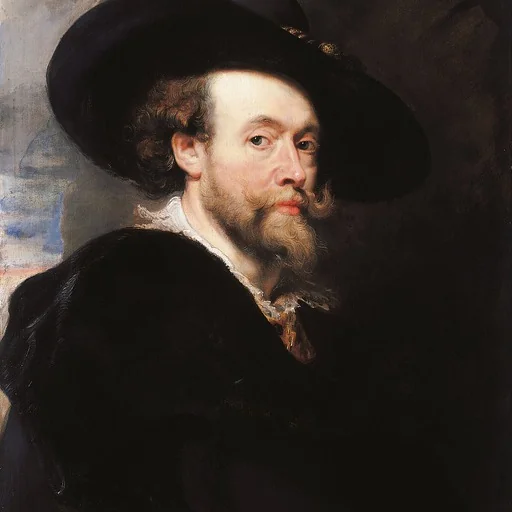
Sir Peter Paul Rubens ( ROO-bənz; Dutch: ; 28 June 1577 – 30 May 1640) was a Flemish artist and diplomat.

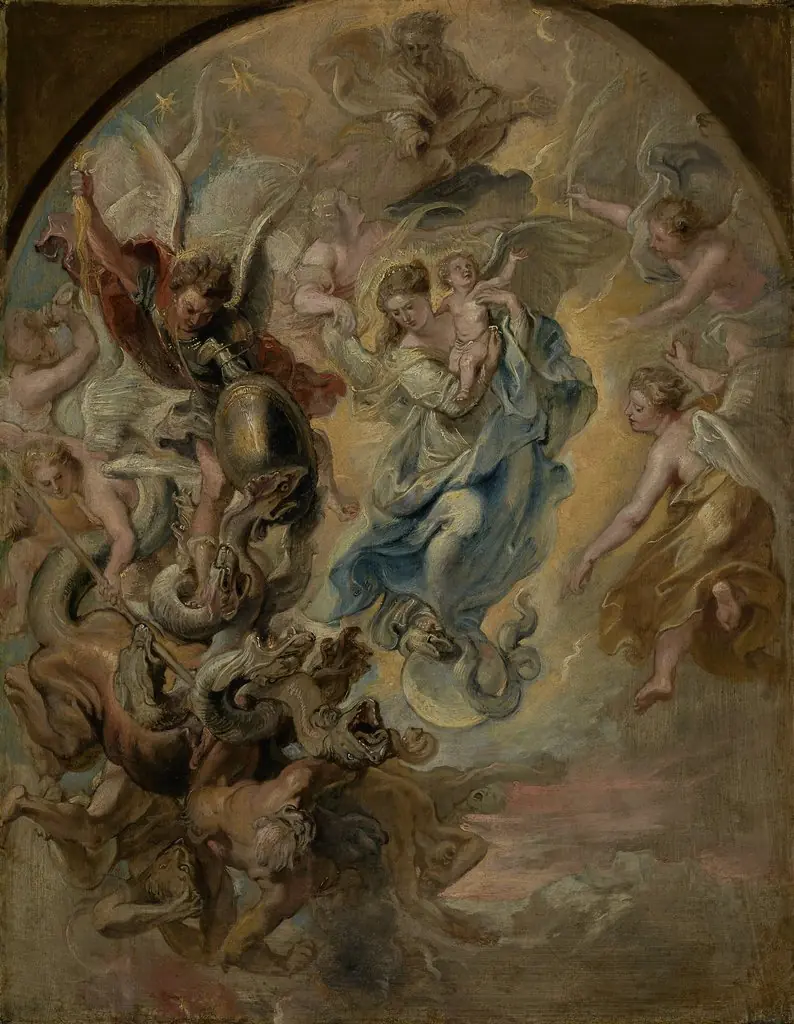 The Virgin as the Woman of the Apocalypse
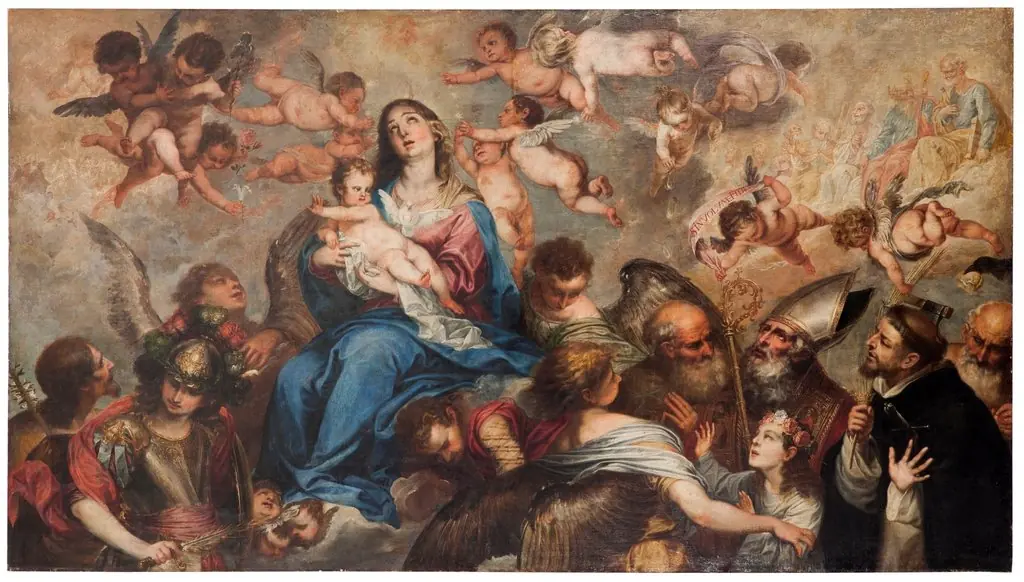 The Virgin with Saints
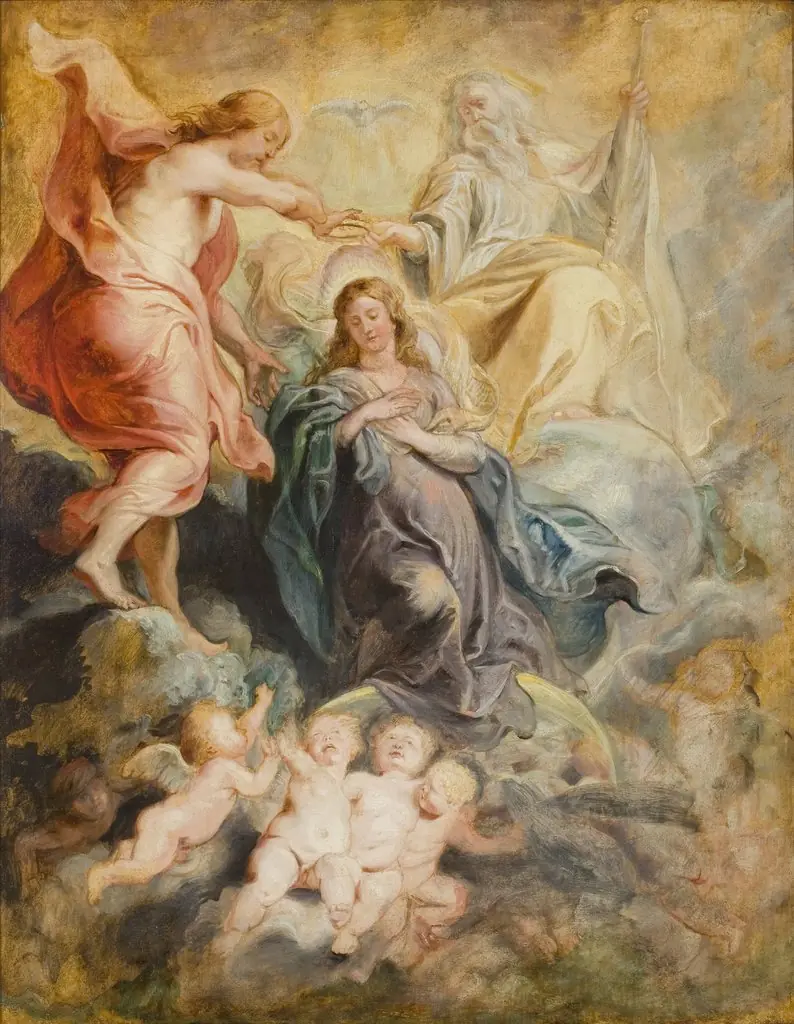 Coronation of the Virgin
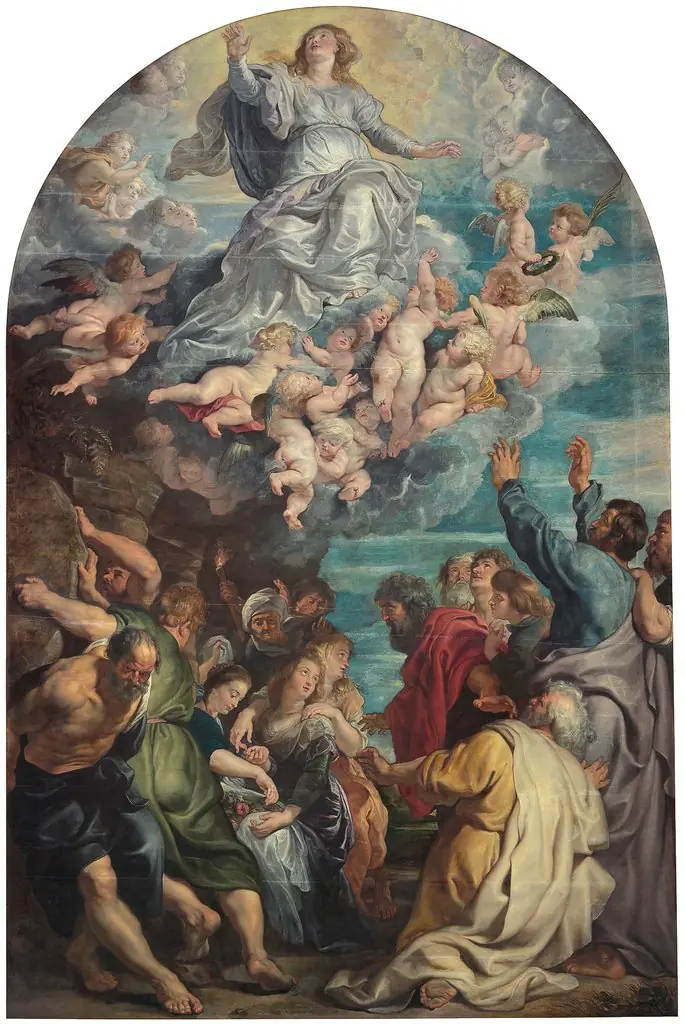 Assumption of Mary
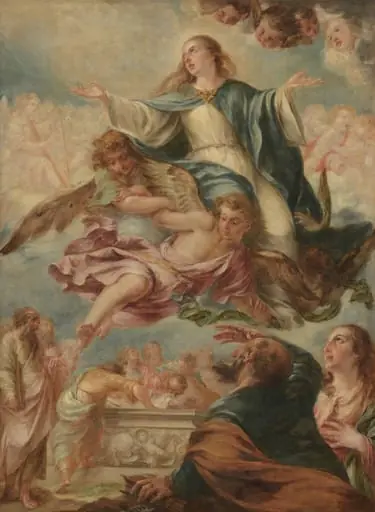 The Assumption of the Virgin
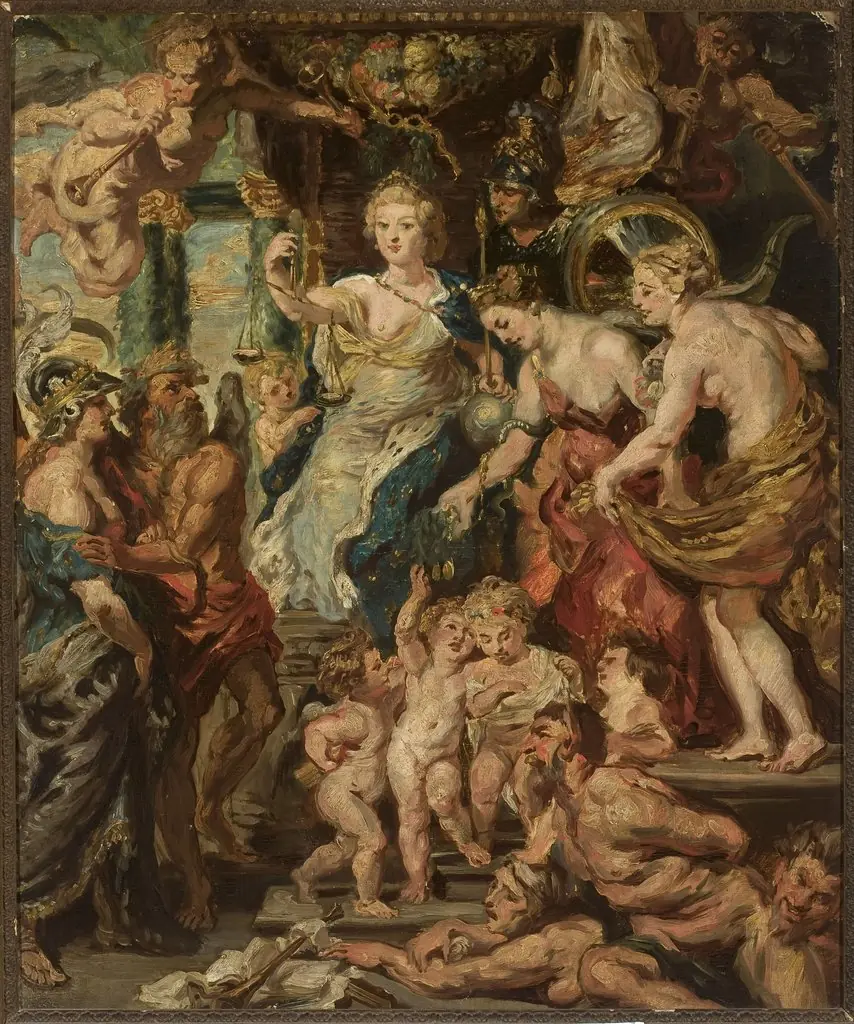 Apotheosis of Maria Medici
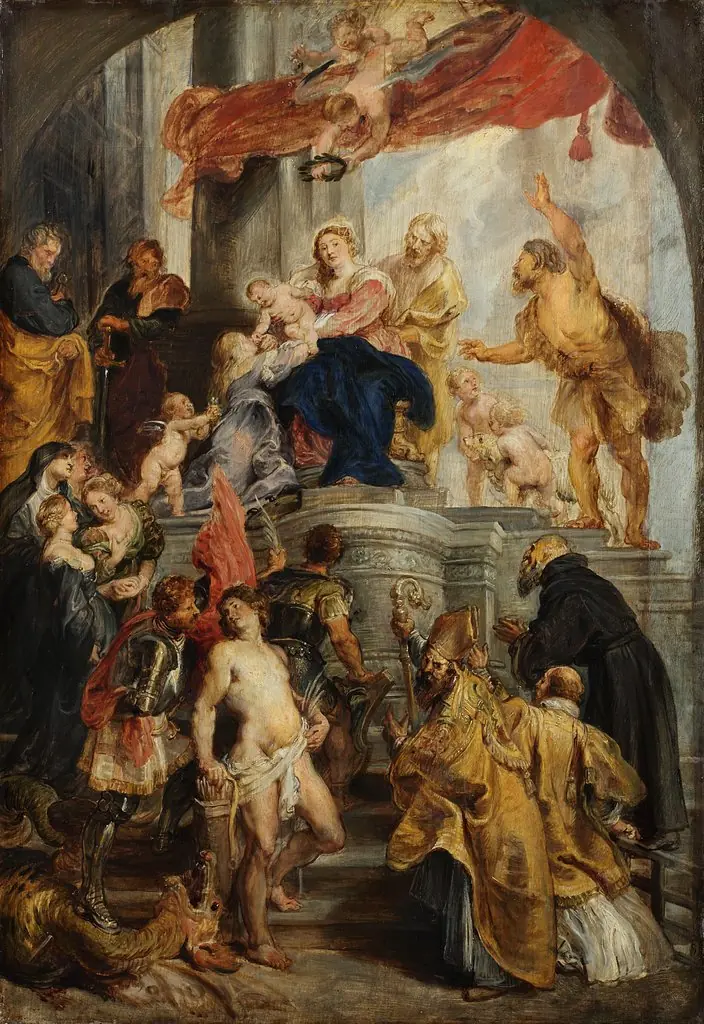 The Virgin and Child Enthroned with Saints by Peter Paul Rubens
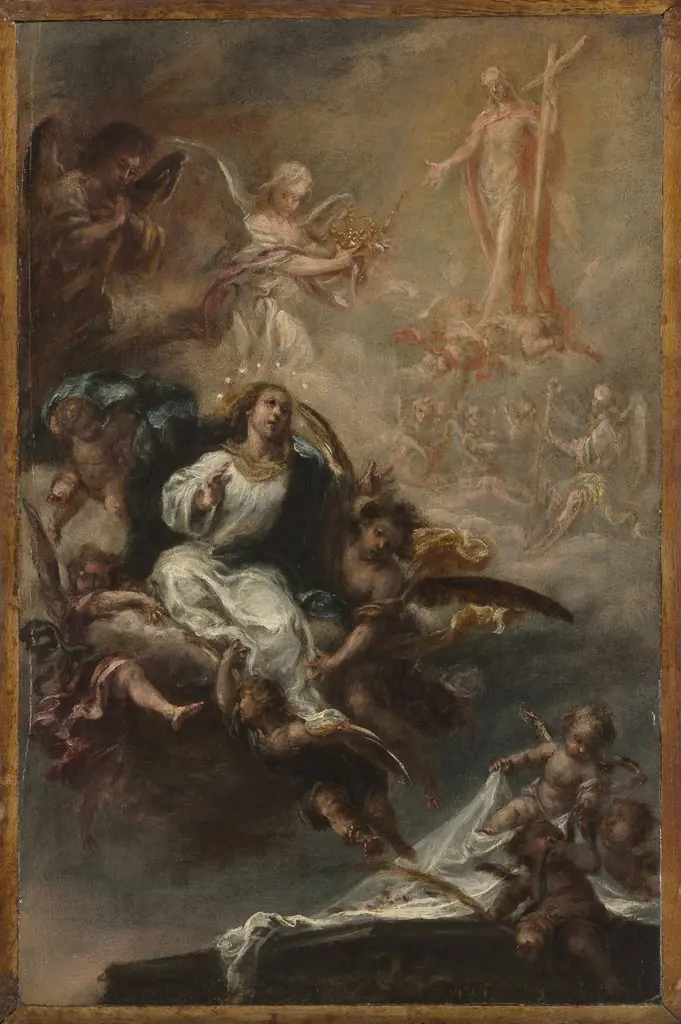 Study for "The Assumption of the Virgin" for San Augustín, Seville
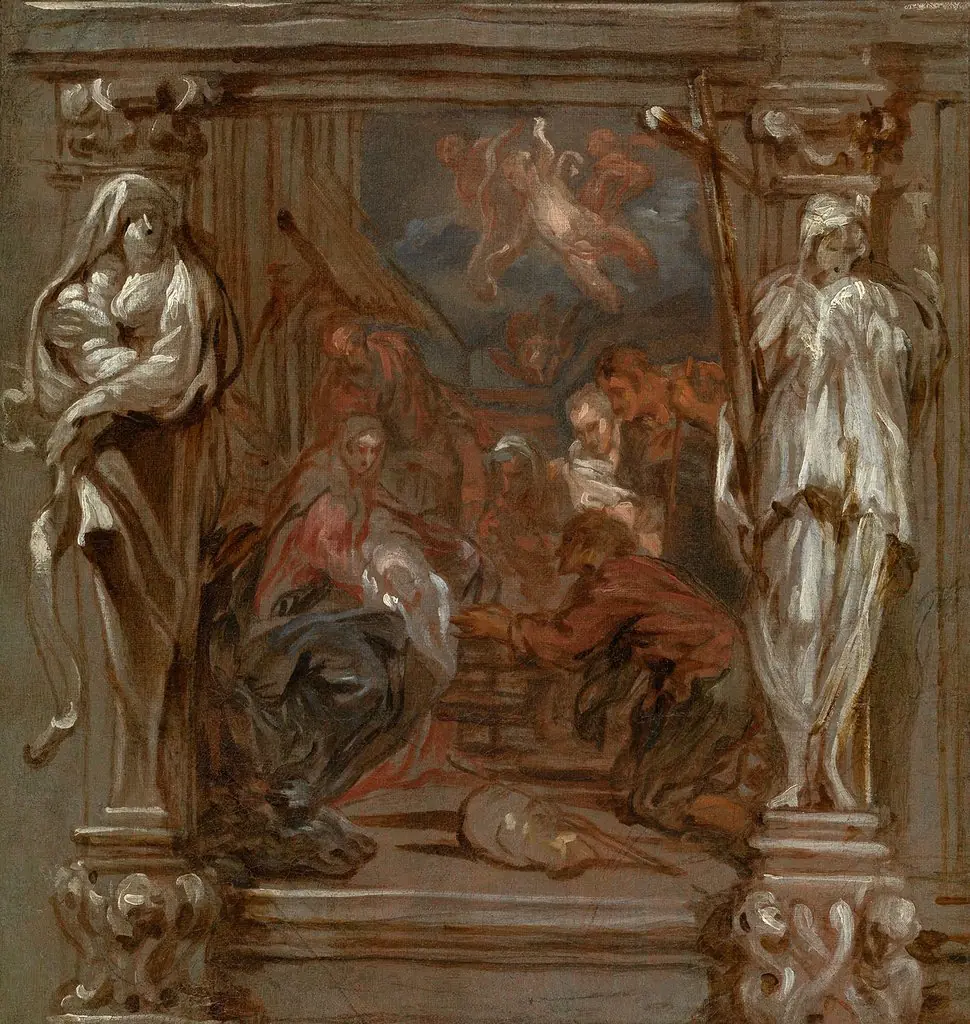 Adoration of the shepherds
 Study for "The Assumption of the Virgin" for San Augustín, Seville
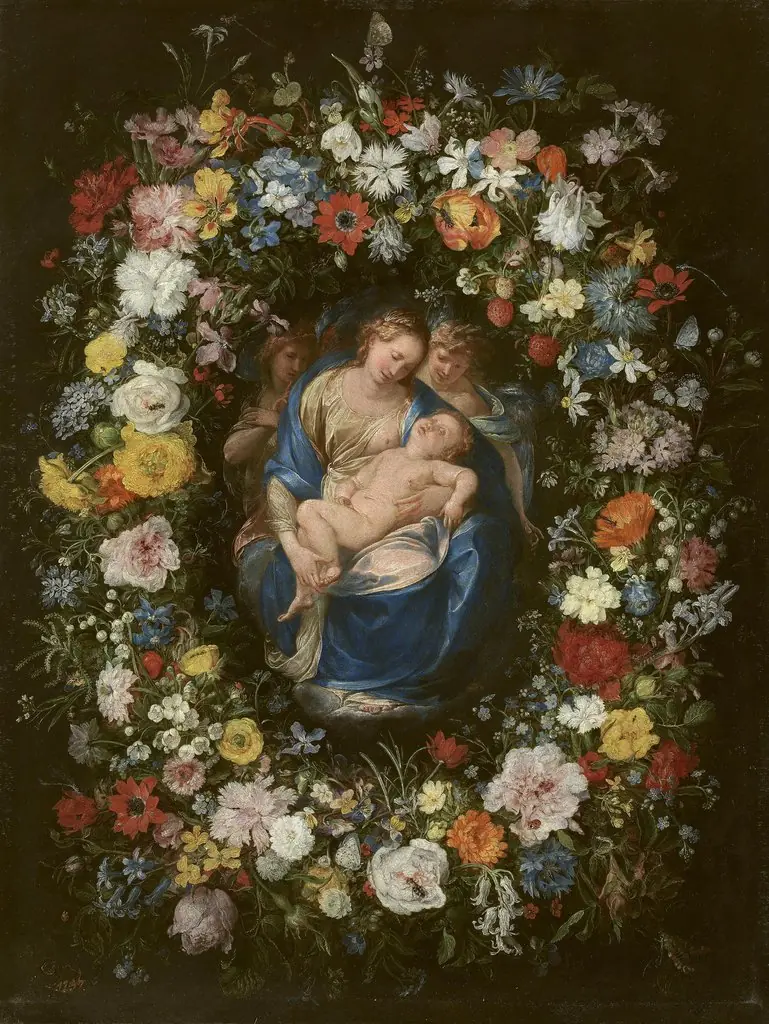 Garland with the Virgin, the Christ Child and two Angels
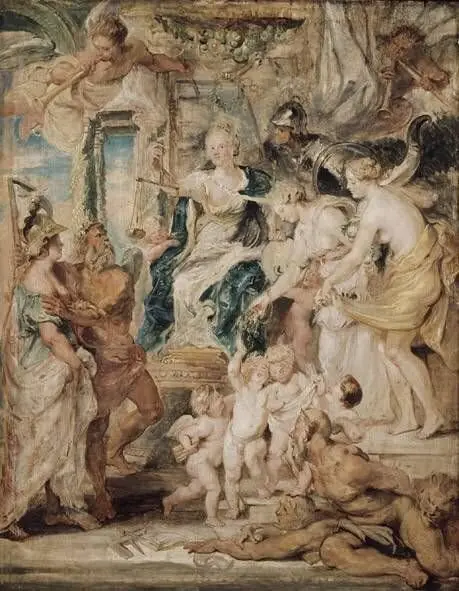 The Felicity of the Regency