Artwork
Vertumnus and Pomona
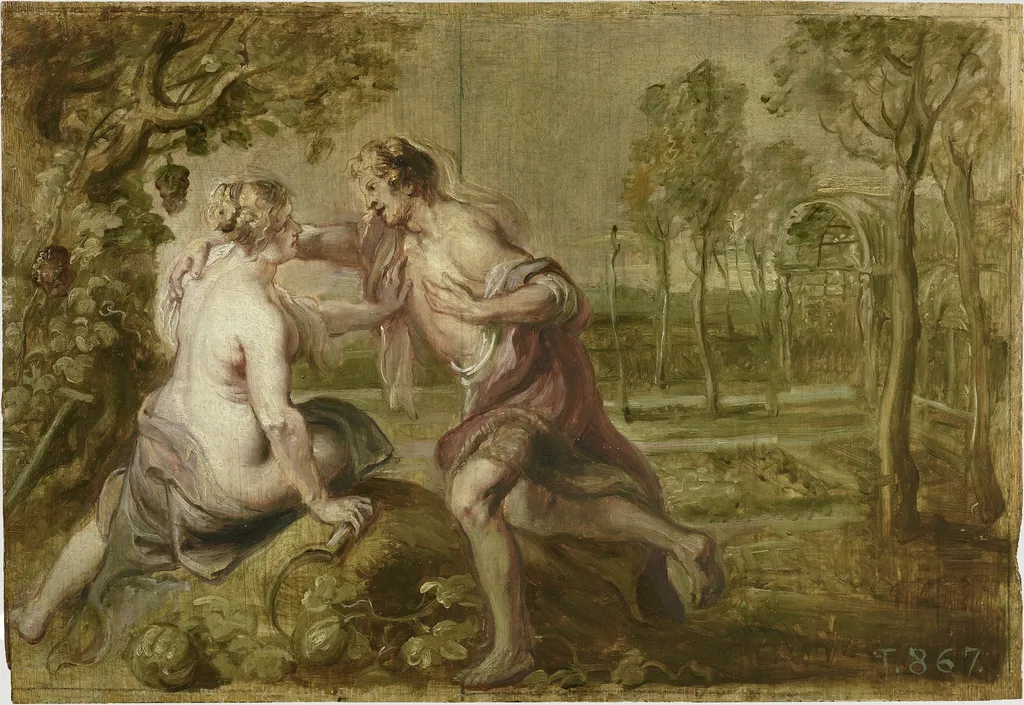
Vertumnus and Pomona is an oil painting by the Flemish Baroque painting artist Peter Paul Rubens. It dates from 1636 and is held in the collection of the Museo del Prado.
About this work
Overview
Created in 1636, this oil painting by Peter Paul Rubens belongs to the Flemish Baroque period. It portrays the Roman deities Vertvertum, god of the seasons, and Pomona, goddess of fruit trees, within a verdant landscape. The work is part of the Museo del Prado’s collection.
Subject & Meaning
The composition presents Pomona seated on a rock in a white, flowing dress, while Vertumnus stands nearby in a red robe, extending his hand toward her. Their interaction suggests a moment of gentle courtship, echoing the myth in which the shape‑changing god woos the orchard goddess.
Technique & Style
Rubens employs his characteristic dynamism, using vigorous brushwork and a rich palette to convey movement and sensuality. The figures are rendered with anatomical confidence, set against a detailed foliage backdrop that balances naturalistic observation with allegorical intent.
History & Provenance
Painted during Rubens’s later career, the piece reflects his mature synthesis of classical themes and Baroque vigor. It entered the Spanish royal collection before being transferred to the Prado, where it remains on public display.
Own this work as a print
Artist & collection
Artist
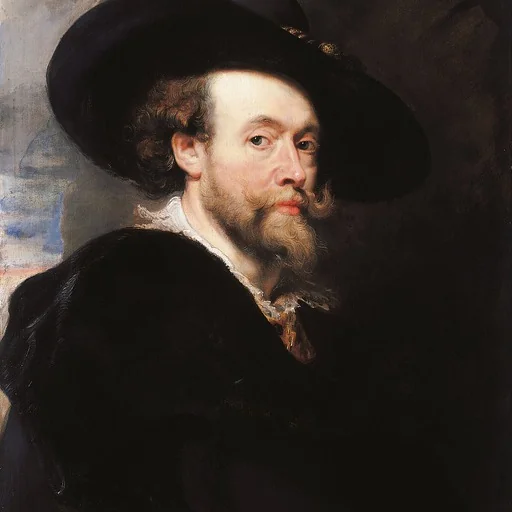
Sir Peter Paul Rubens ( ROO-bənz; Dutch: ; 28 June 1577 – 30 May 1640) was a Flemish artist and diplomat.