Artwork
Untitled
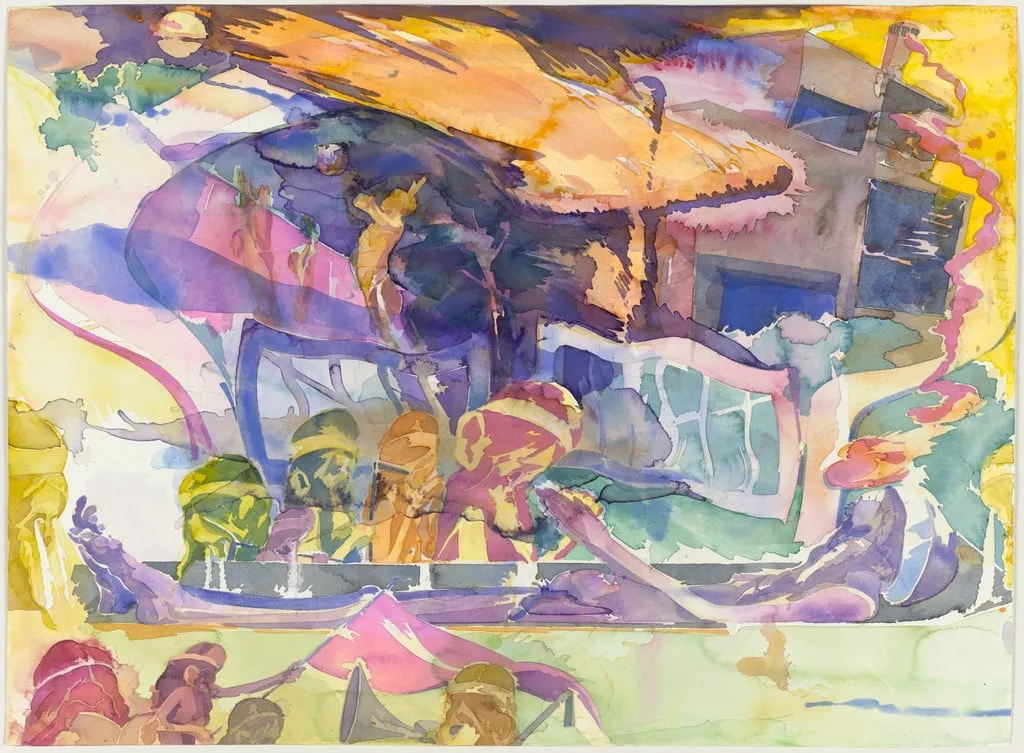
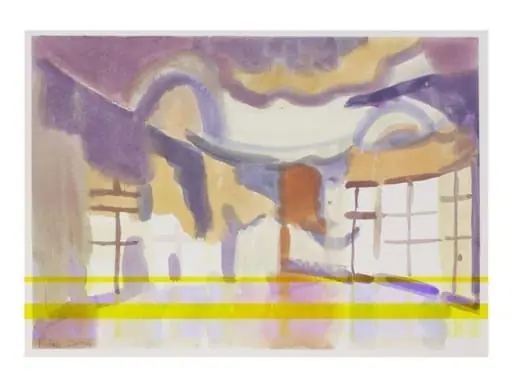
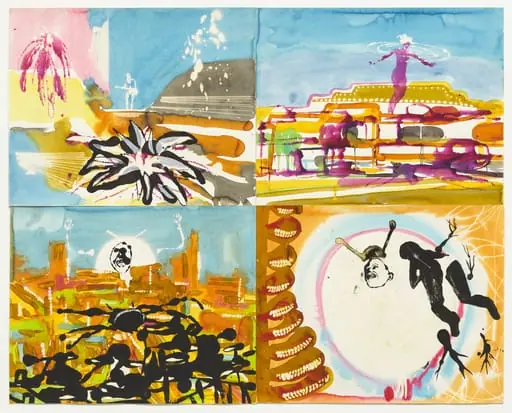
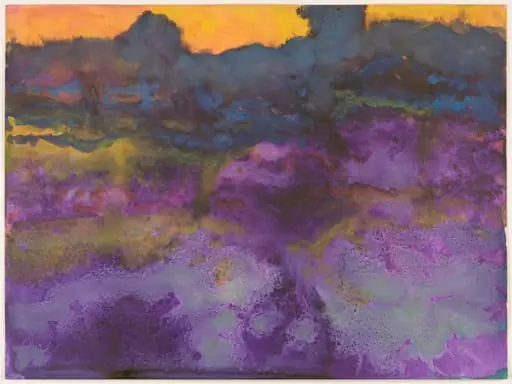
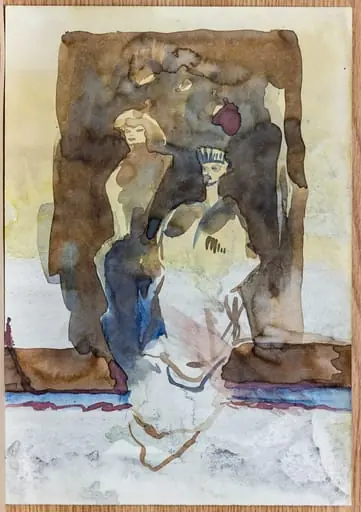
Untitled is a watercolor drawing by Peter Stauss. It dates from 2002 and is held in the collection of the Museum of Modern Art.
About this work
Overview
Created in 2002, this watercolor and pencil drawing by Peter Stauss is part of The Museum of Modern Art’s collection.
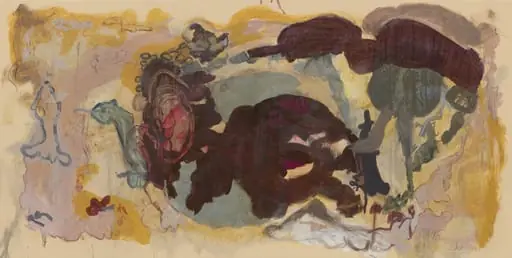
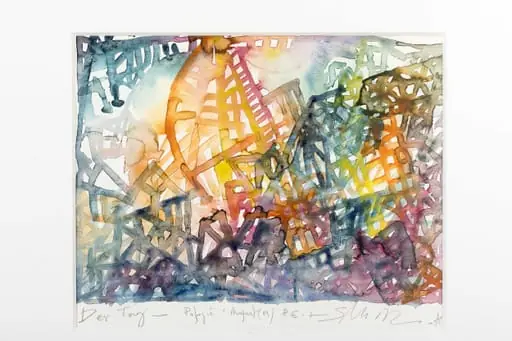
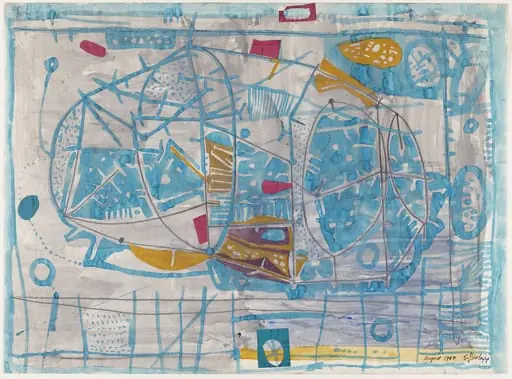
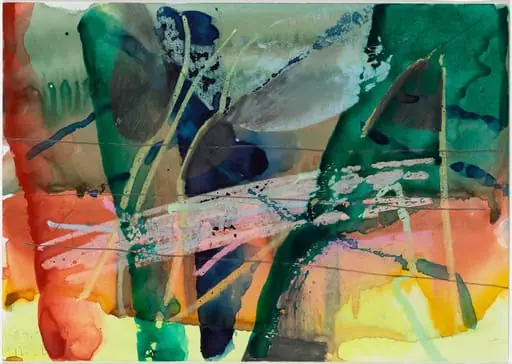
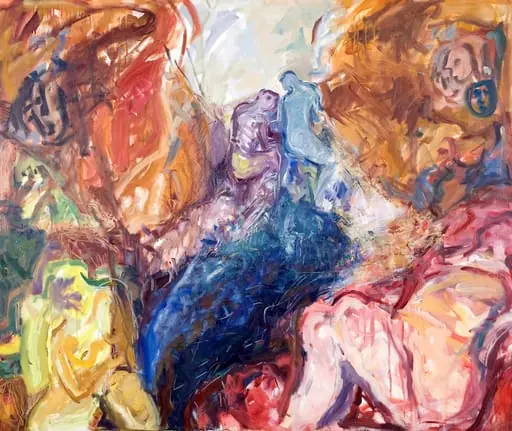
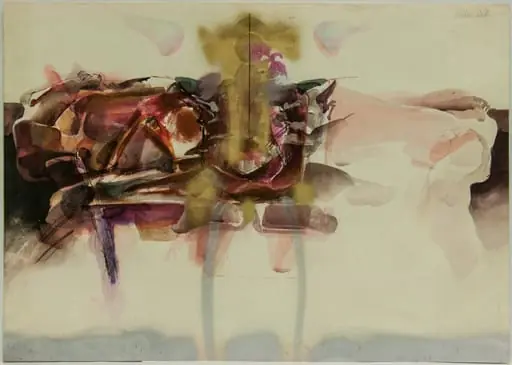
Created in 2002, this watercolor and pencil drawing by Peter Stauss is part of The Museum of Modern Art’s collection. It presents a vibrant, loosely rendered scene populated by figures and abstracted architecture. The work’s spontaneous quality suggests a rapid, intuitive approach, emphasizing movement and color over detail. Its scale and medium align with intimate, experimental practices common in contemporary drawing.
Subject & Meaning
The composition features a cluster of indistinct human figures, some seated, others standing, beneath a swirling, atmospheric sky. No clear narrative is evident; instead, the scene evokes a sense of communal presence within an undefined space. The lack of recognizable landmarks or context invites interpretation as an emotional or psychological landscape rather than a literal depiction.
Technique & Style
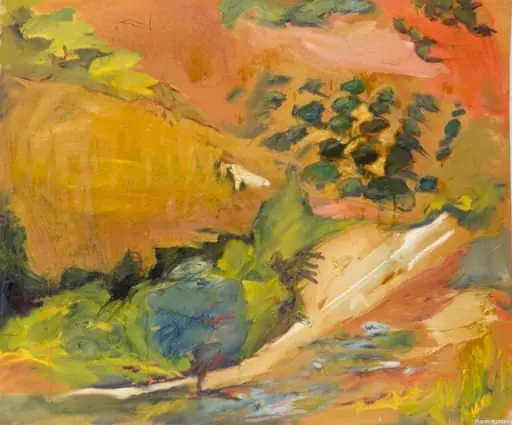
Stauss employs wet-on-wet watercolor techniques to achieve fluid color blends, allowing hues of pink, blue, green, and yellow to bleed into one another. Pencil lines are soft and gestural, defining forms without rigid contours. The absence of sharp edges and the deliberate blurring of shapes contribute to a dreamlike, transient atmosphere, prioritizing mood over precision.
History & Provenance
The work entered The Museum of Modern Art’s collection shortly after its creation, acquired as part of a broader interest in contemporary drawing practices. No prior exhibition or ownership history is publicly documented beyond its inclusion in the museum’s holdings. Its acquisition reflects institutional recognition of informal, expressive approaches to watercolor in early 21st-century art.
Context
Stauss’s work aligns with a post-1990s resurgence in watercolor as a medium for conceptual and emotional expression, moving beyond traditional landscape conventions. His approach resonates with artists exploring spontaneity and impermanence, often influenced by abstract expressionism and informal drawing traditions. The piece reflects a broader trend toward valuing process and immediacy in contemporary art.
Legacy
While not widely reproduced or cited in major critical texts, the work contributes to an ongoing dialogue about the potential of watercolor in non-traditional contexts. Its presence in MoMA’s collection affirms its role as an example of how everyday materials can convey complex, non-narrative experiences. It remains a quiet reference point for artists reconsidering the boundaries of drawing and color.
Artist & collection