Artwork
Sunshine in an Interior
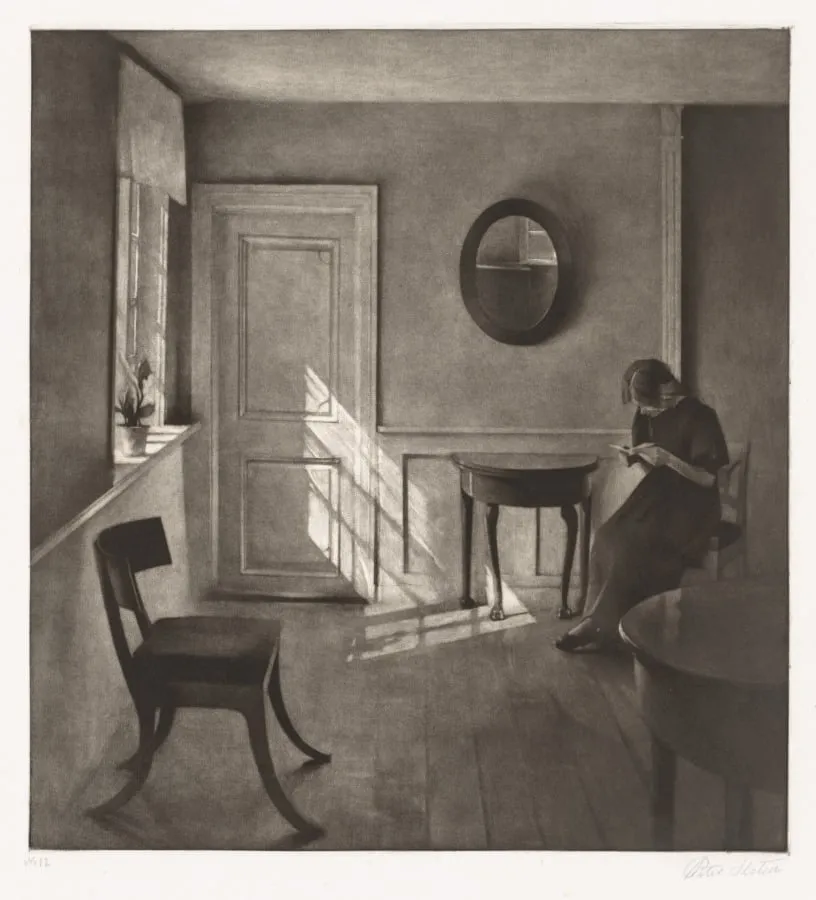
Sunshine in an Interior is a print by Peter Ilsted. It dates from 1920 and is held in the collection of the Cleveland Museum of Art.
About this work
Overview
This technique enabled subtle gradations of shadow and glow, ideal for capturing the quiet interplay of interior light.
Peter Vilhelm Ilsted was among the rare artists of his era to specialize in mezzotint, a labor-intensive printmaking method that builds tone by scraping away darkened metal to reveal light. This technique enabled subtle gradations of shadow and glow, ideal for capturing the quiet interplay of interior light. The work exemplifies his focus on domestic stillness, rendered with a muted palette and restrained composition.
Subject & Meaning
A young woman sits with her back turned, absorbed in reading, positioned just beyond the reach of a window’s sunlight. Her isolation within the frame suggests inward reflection, as if the illumination outside remains inaccessible. The figure’s anonymity and posture emphasize solitude rather than narrative, inviting contemplation of private moments within domestic space.
Technique & Style
Using mezzotint, Ilsted scraped the copper plate to create soft transitions from deep shadow to diffused light. The result is a luminous quality where sunlight appears to dissolve into the walls and floor, while the figure remains in near-darkness. This tonal control avoids sharp outlines, favoring atmospheric haze and quiet contrast, characteristic of his approach to interior scenes.
History & Provenance
Ilsted produced few prints, and mezzotint was his primary medium. This work belongs to a small body of prints made between the late 19th and early 20th centuries, all centered on intimate, uneventful interiors. Few of his prints were widely distributed during his lifetime, and most remain in private or institutional collections in Scandinavia.
Context
His work emerged alongside Danish and Nordic realist traditions that favored subdued domesticity over dramatic storytelling. While contemporaries painted bustling streets or landscapes, Ilsted turned inward, aligning with a broader interest in psychological quietude. His choice of mezzotint—largely abandoned by others—reinforced his commitment to slow, meditative observation.
Legacy
Ilsted’s prints influenced later Scandinavian artists interested in light and introspection, though his technique never gained widespread adoption. His focus on the unseen emotional weight of ordinary moments prefigured 20th-century interests in psychological realism. Today, his mezzotints are studied for their technical discipline and quiet emotional resonance.
Artist & collection

Artist
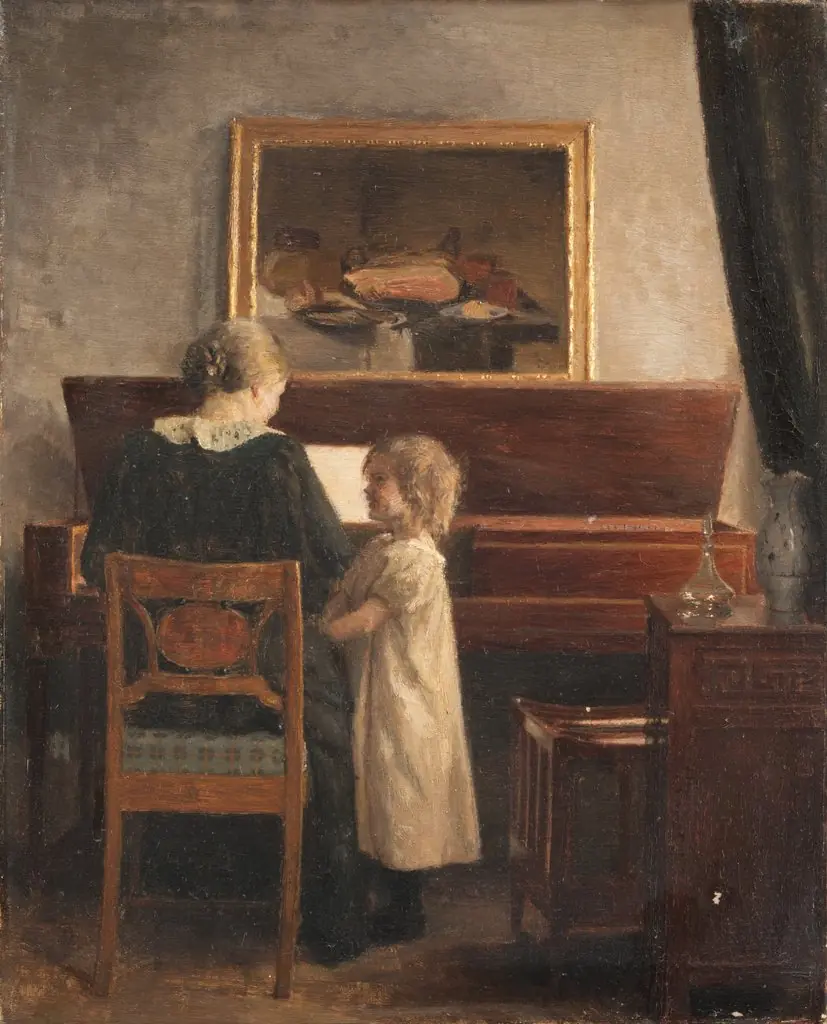
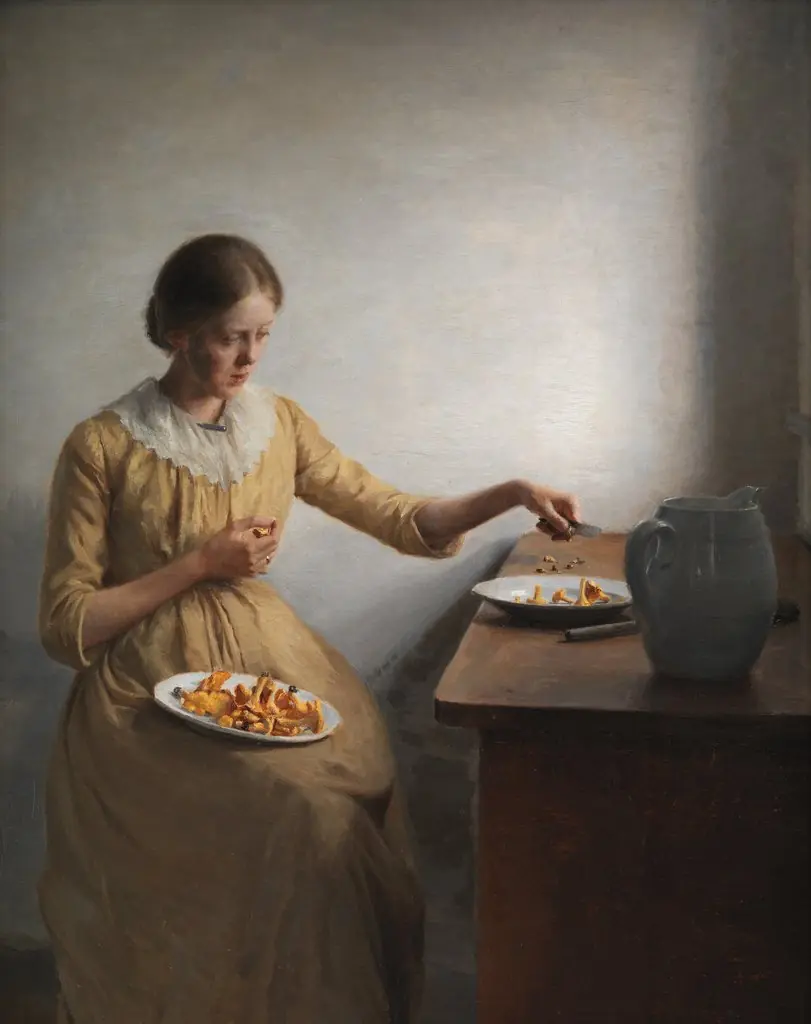
Peter Ilsted (14 February 1861 – 16 April 1933) was a Danish printmaker and painter. He was most associated with domestic interior scenes.

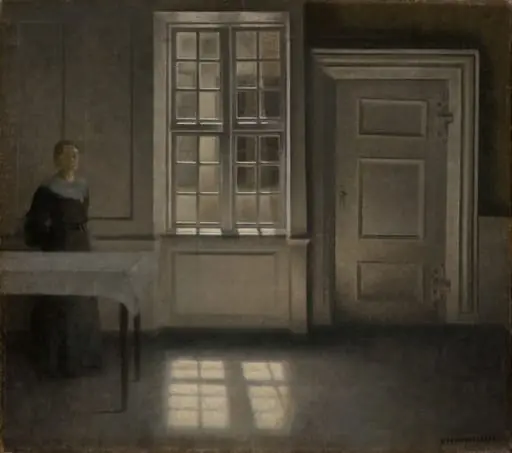 Strandgade, Sunshine
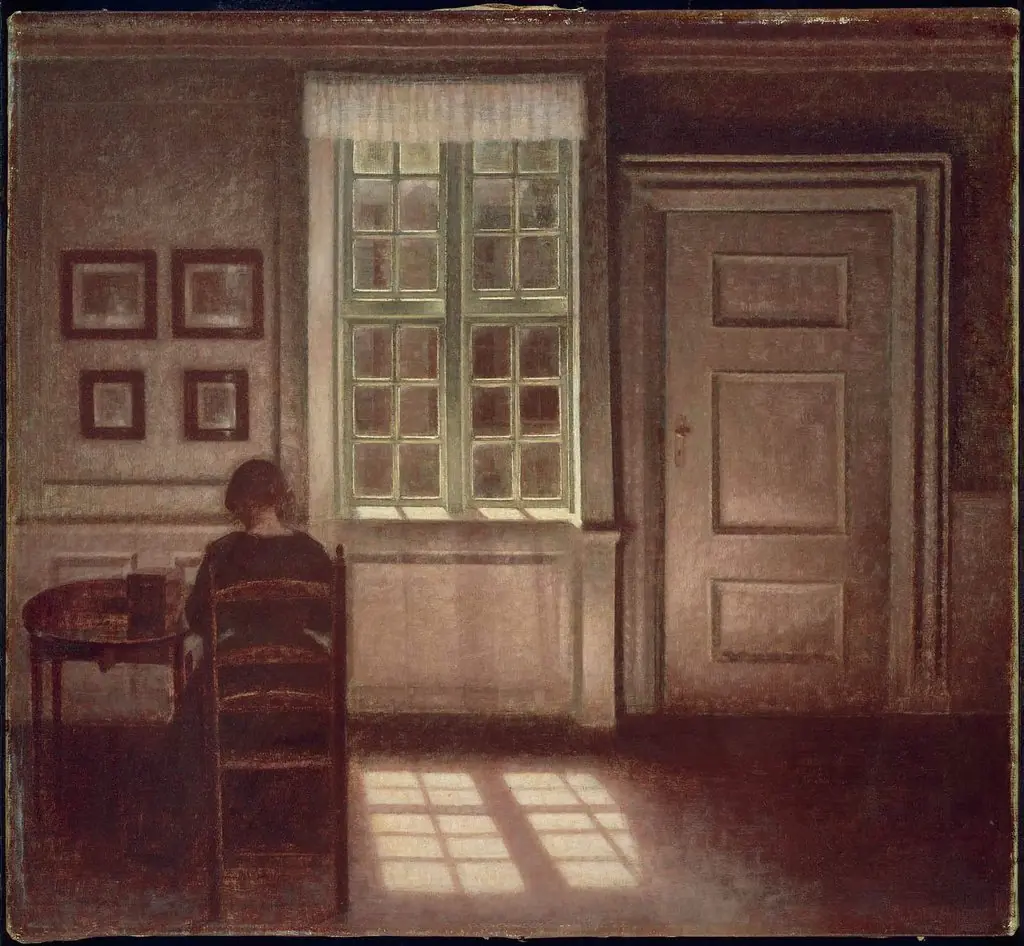 Woman in an Interior
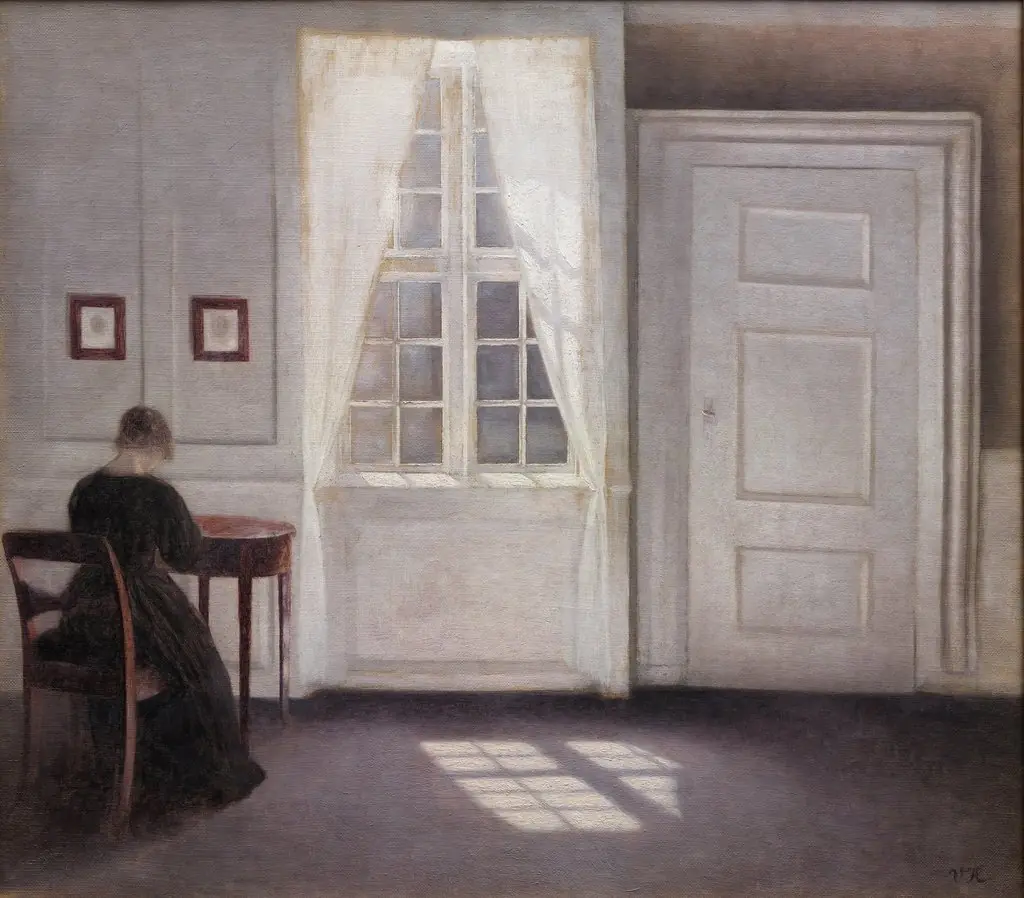 Interior in Strandgade, Sunlight on the Floor
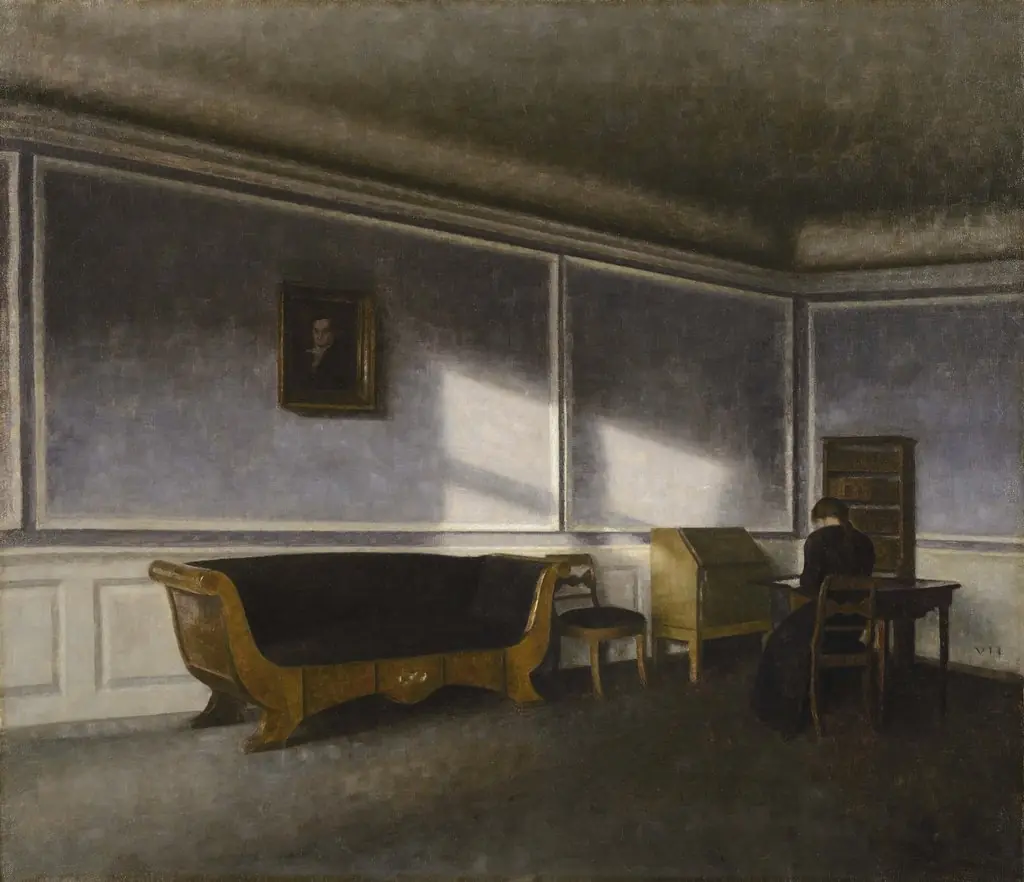 Sunshine in the Drawing Room
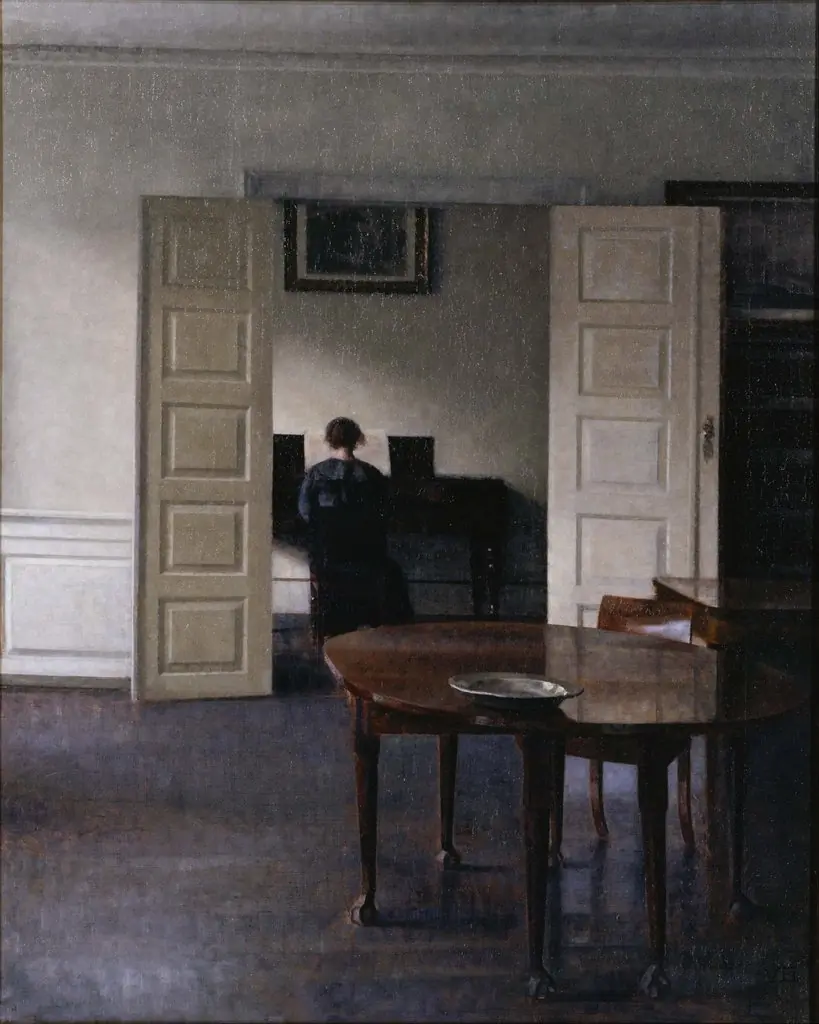 Interior with Ida Playing the Piano
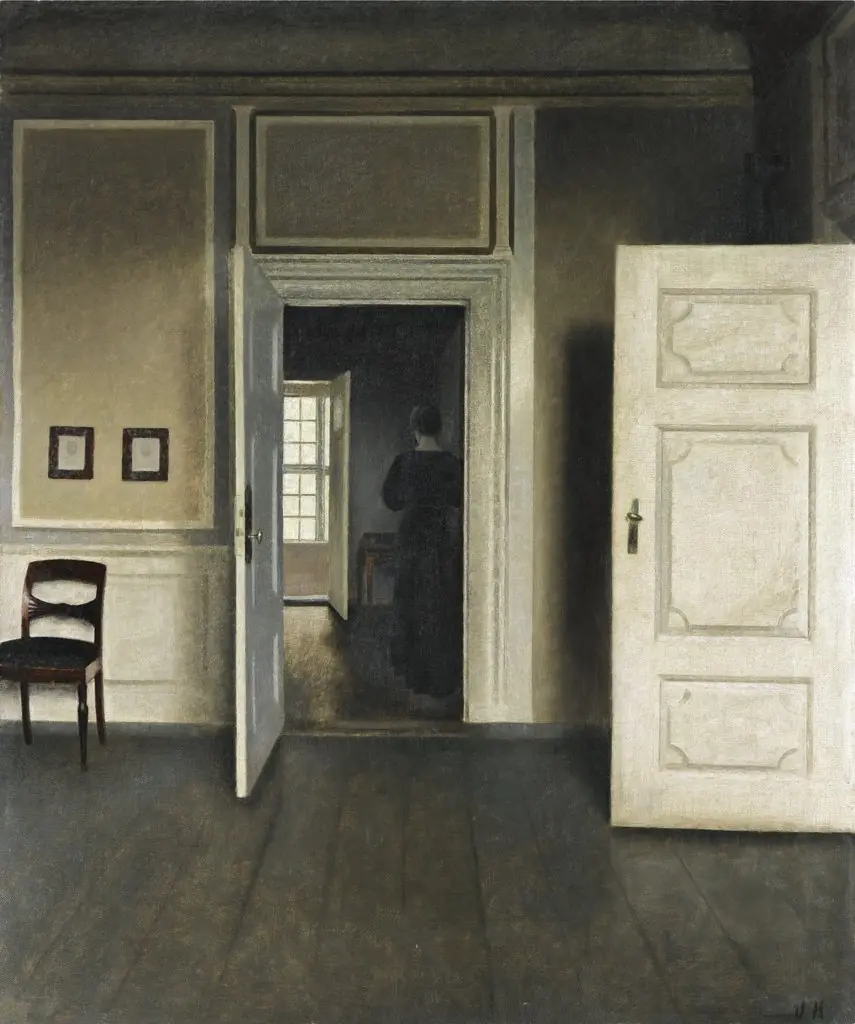 Interior. Strandgade 30
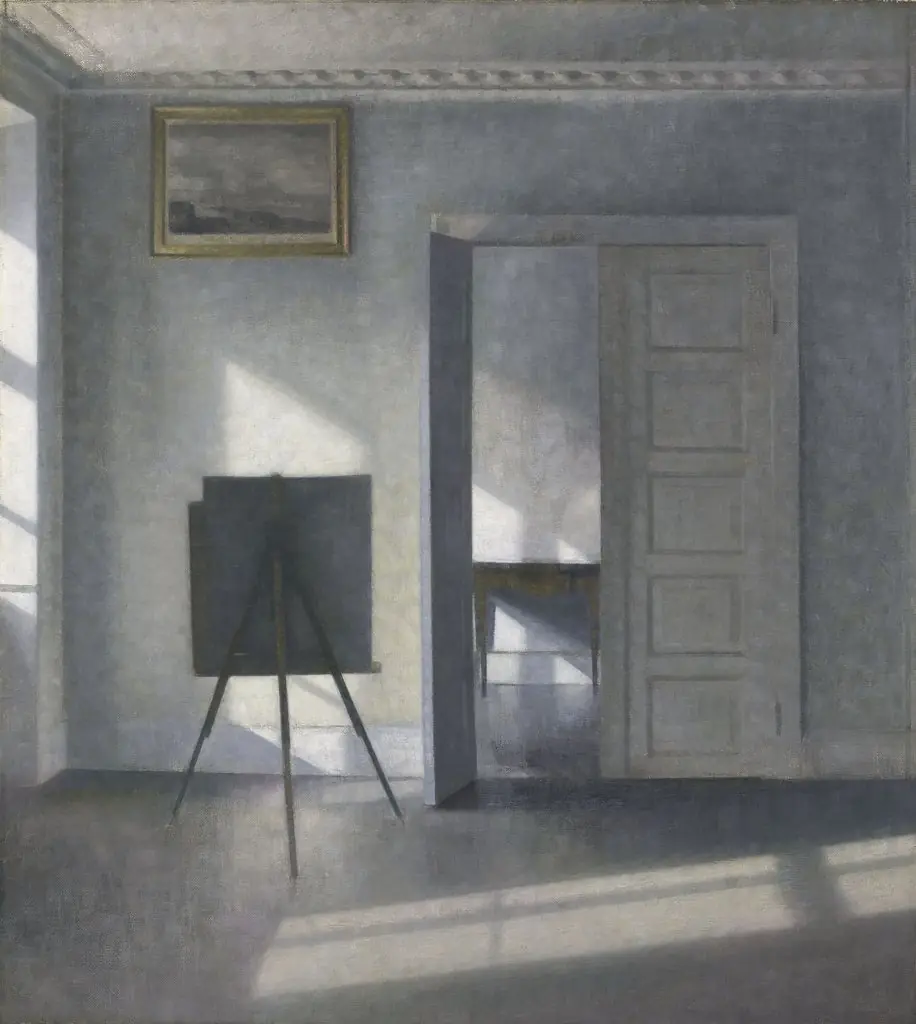 Interior with an Easel, Bredgade 25
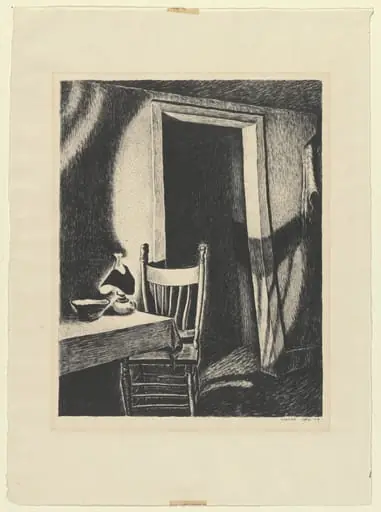 Untitled
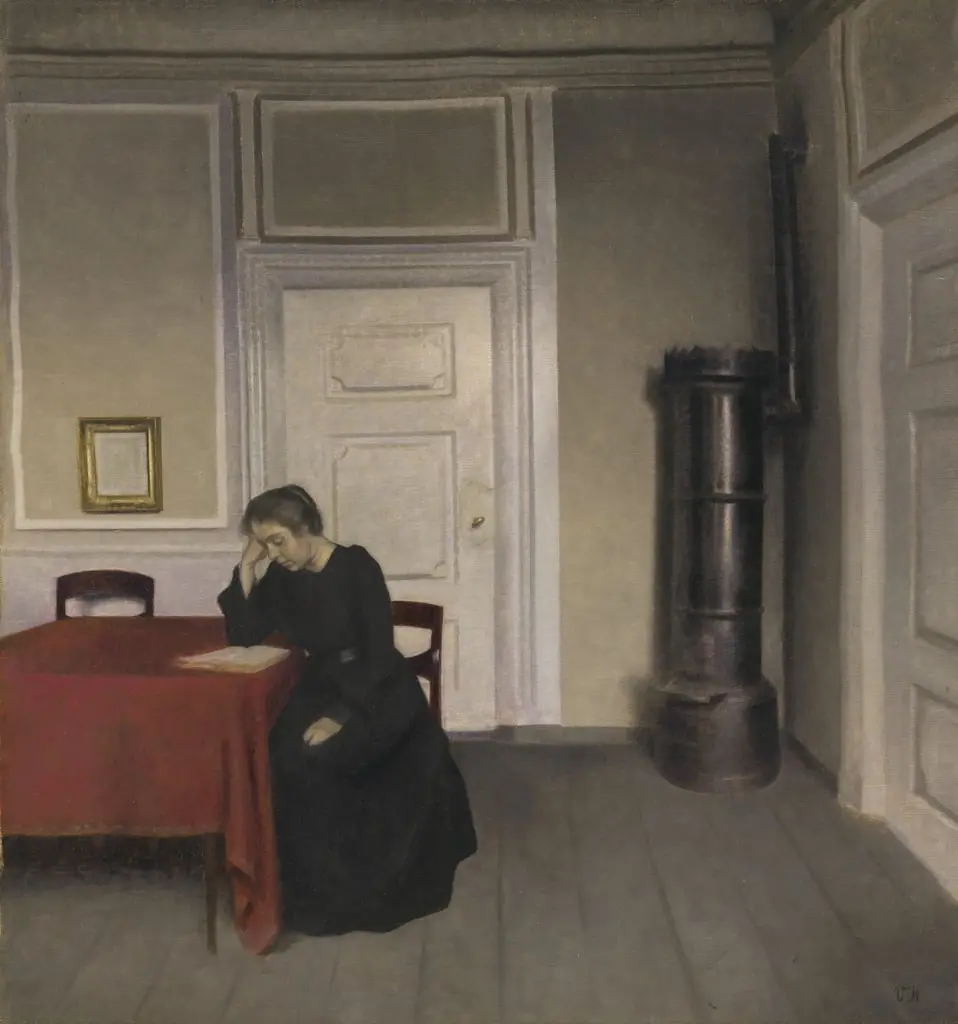 A Room in the Artist’s Home in Strandgade, Copenhagen, with the Artist’s Wife
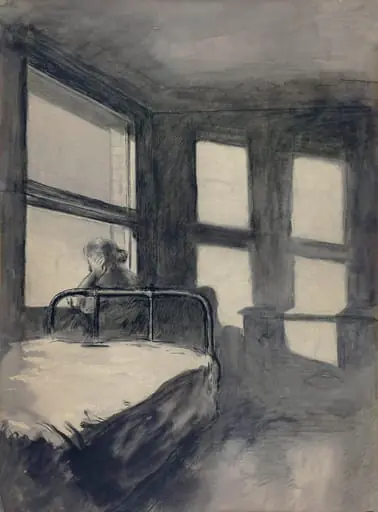 Bedroom
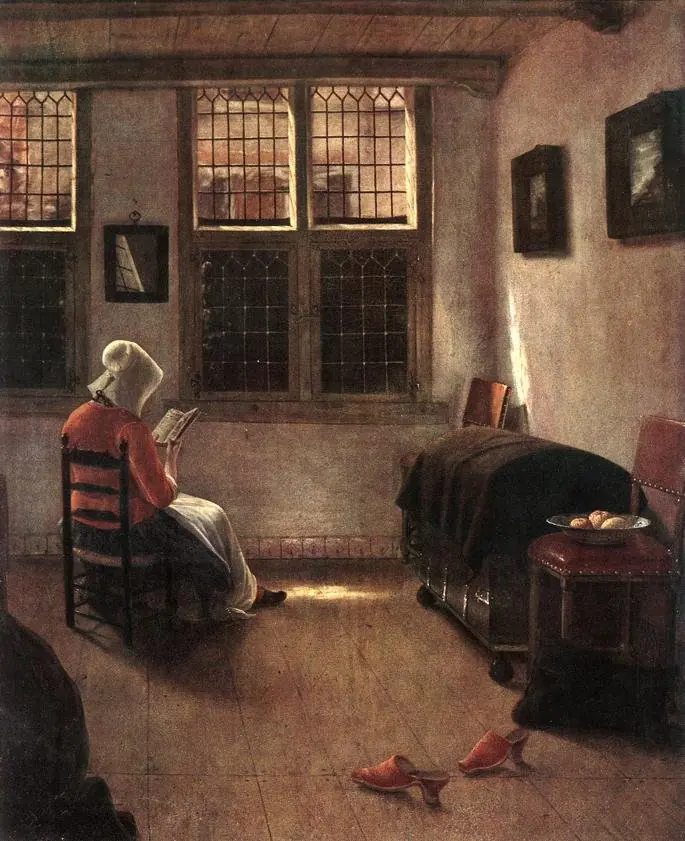 Reading Woman
 Le Liseur (The reader)