Artwork
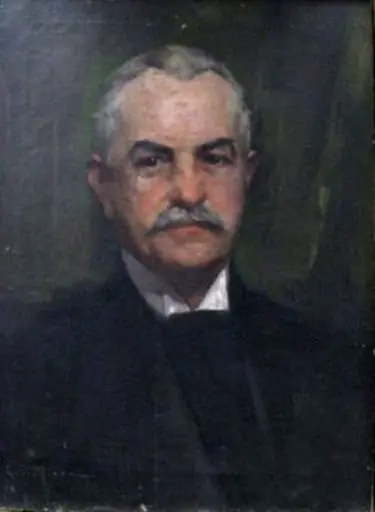
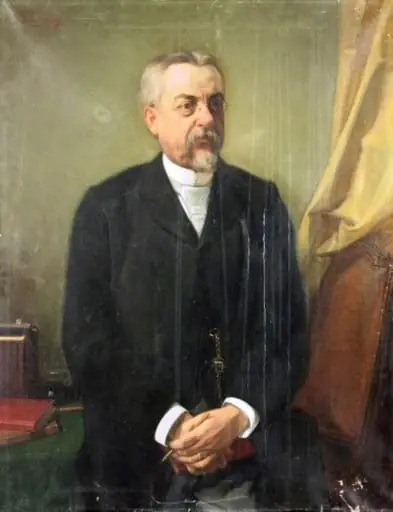
Portretul lui Constantin Chihodariu
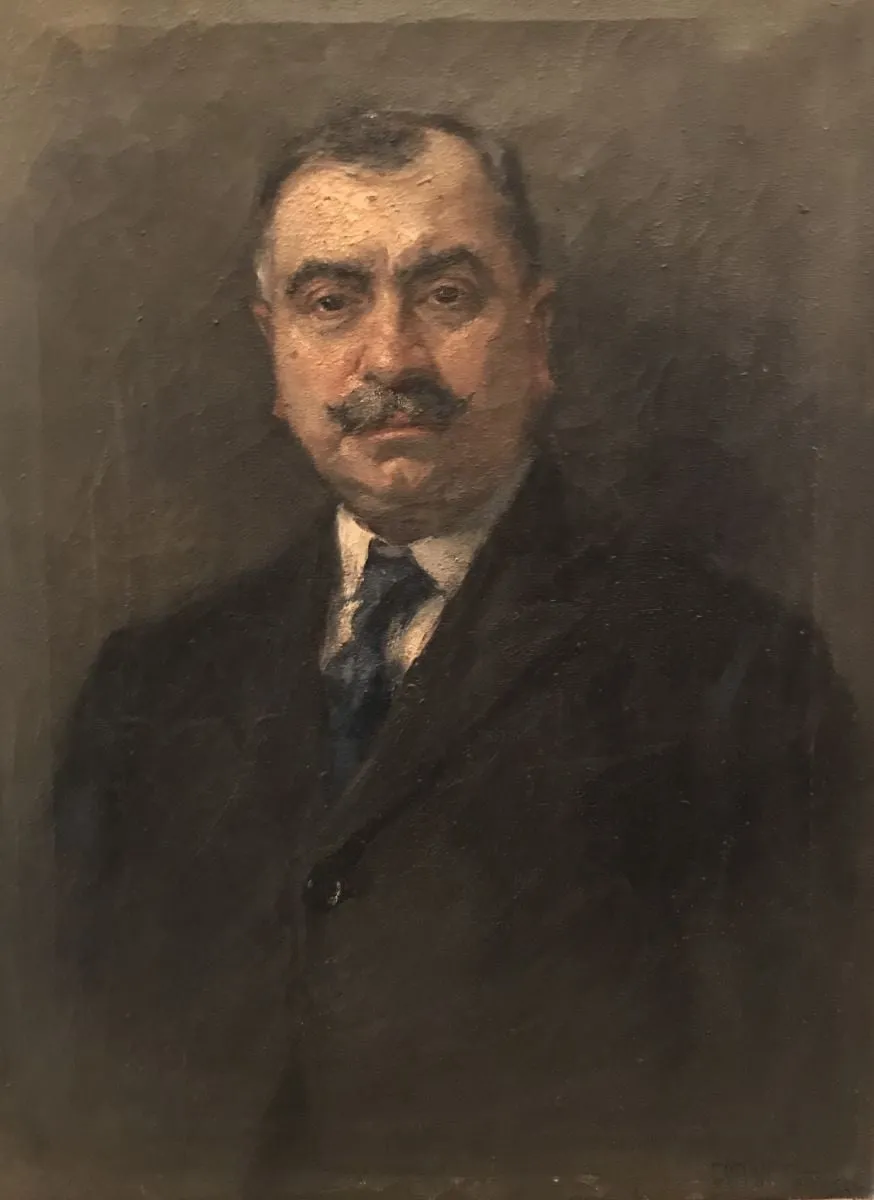
Portretul lui Constantin Chihodariu is an unspecified painting by Costin Petrescu. It dates from 1922 and is held in the collection of the Bucharest Municipality Museum.
About this work
Overview
The work resides in the Museum of Ethnography, reflecting its cultural rather than purely artistic context within the institution’s holdings.
Painted circa 1922 by Romanian artist Costin Petrescu, this portrait depicts Constantin Chihodariu, a figure of local significance. Petrescu, trained at Bucharest’s Fine Arts School from 1892 onward, developed a style blending academic precision with expressive brushwork. The work resides in the Museum of Ethnography, reflecting its cultural rather than purely artistic context within the institution’s holdings.
Subject & Meaning
The subject, Constantin Chihodariu, is portrayed with solemn composure, dressed in a dark suit and light shirt, his thick mustache and direct gaze conveying quiet authority. The absence of contextual details suggests an intentional focus on personal presence rather than social status. The restrained palette and neutral background emphasize the individual’s character, aligning with early 20th-century portraiture trends that valued psychological depth over ornamentation.
Technique & Style
Petrescu employed loose, textured brushwork, particularly on the jacket and facial features, creating a tactile surface that contrasts with the smoothness of the shirt and tie. The muted blue tie recedes into shadow, while chiaroscuro modeling defines the contours of the face and shoulders. This interplay of light and dark enhances volume without theatricality, reflecting a restrained realism rooted in late 19th-century academic training.
History & Provenance
The portrait entered the Museum of Ethnography’s collection in the decades following its creation, likely through donation or institutional acquisition. Unlike Petrescu’s later frescoes in the Romanian Athenaeum, this work was not publicly commissioned, suggesting a private or personal context. Its placement in an ethnographic museum implies its value as a record of regional identity rather than a celebrated artistic achievement.
Context
Created during Romania’s interwar period, the portrait reflects a cultural moment when portraiture served both individual commemoration and national self-definition. Petrescu’s training in Bucharest and his later monumental works indicate a career bridging academic tradition and emerging modern sensibilities. This portrait, though modest in scale, aligns with broader efforts to document civic figures beyond elite circles.
Legacy
Though less known than Petrescu’s large-scale frescoes, this portrait remains a quiet example of his ability to convey presence through economy of form. Its preservation in an ethnographic context underscores its role as a document of everyday Romanian life during a period of cultural consolidation. It contributes to a broader understanding of portraiture’s function beyond the salon, in regional and institutional memory.
Artist & collection
Artist
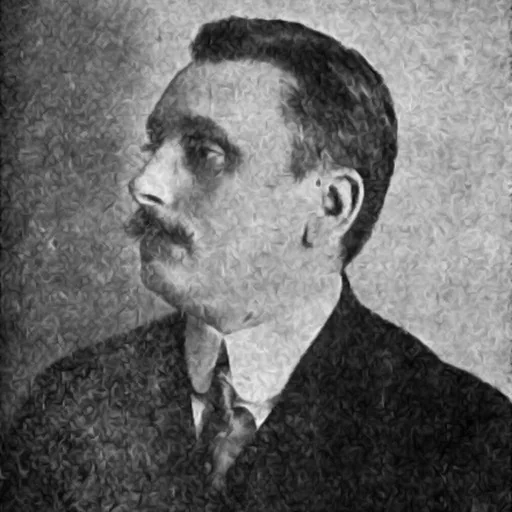
Costin Petrescu (May 10, 1872 – October 15, 1954) was a Romanian painter. Born in Pitești, he moved to Bucharest in 1892, attending the Fine Arts School for three years. He executed the monumental fresco in the Romanian…
 Portret
 Alfred E. Goodey (1878–1945), 50th Birthday Portrait
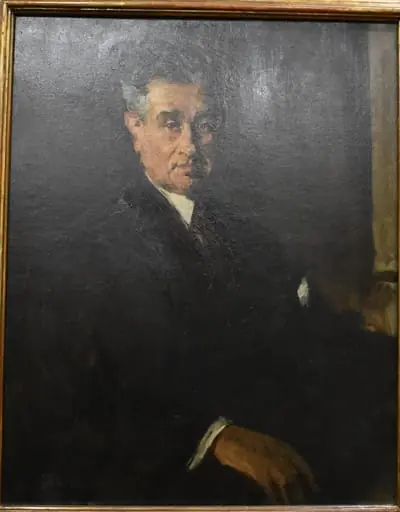 Portret Dr. Nicolae Minovici
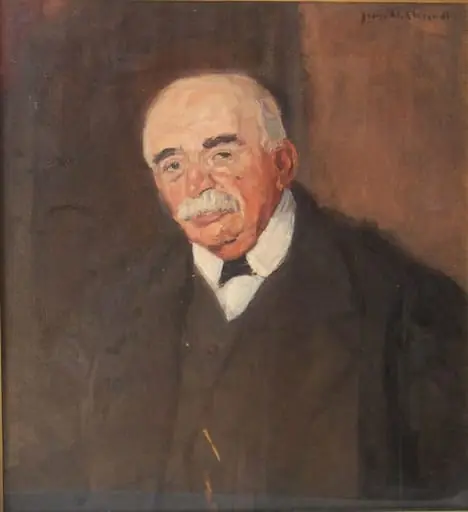 Portret al lui L.Kugel, profesor de oftalmologie la Școala Română de Medicină
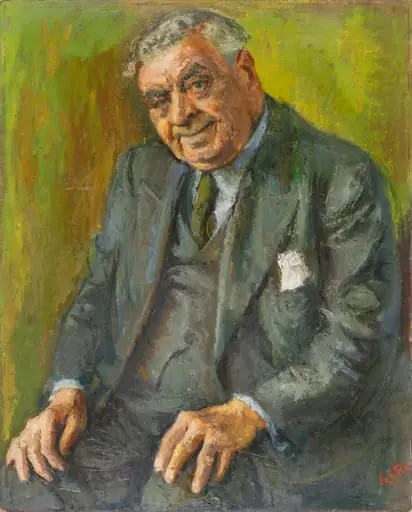 Actorul Nicolae Soreanu
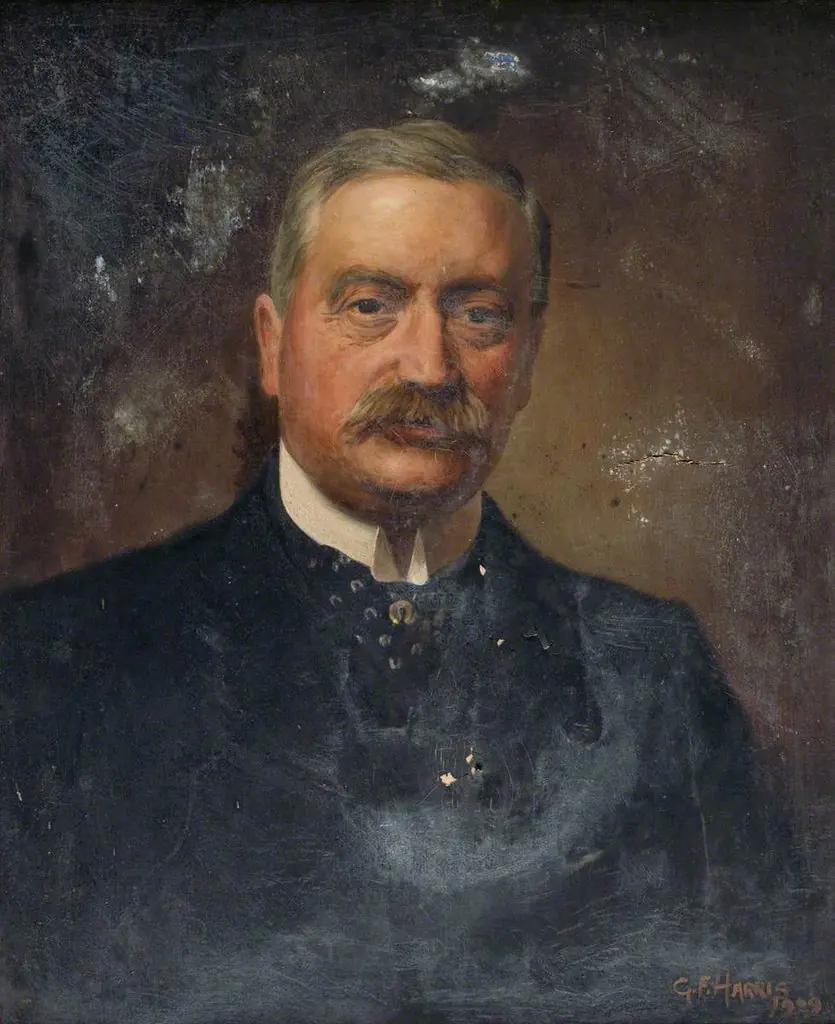 Portrait of an Unknown Gentleman
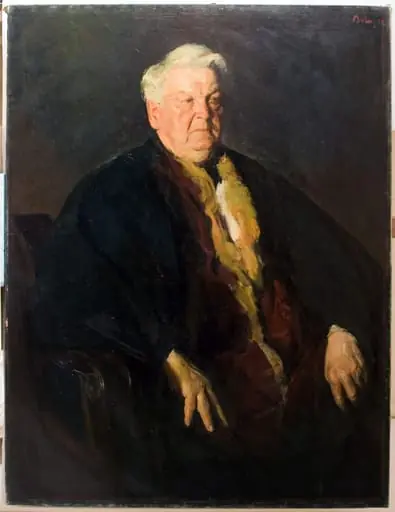 Portretul scriitorului Mihail Sadoveanu
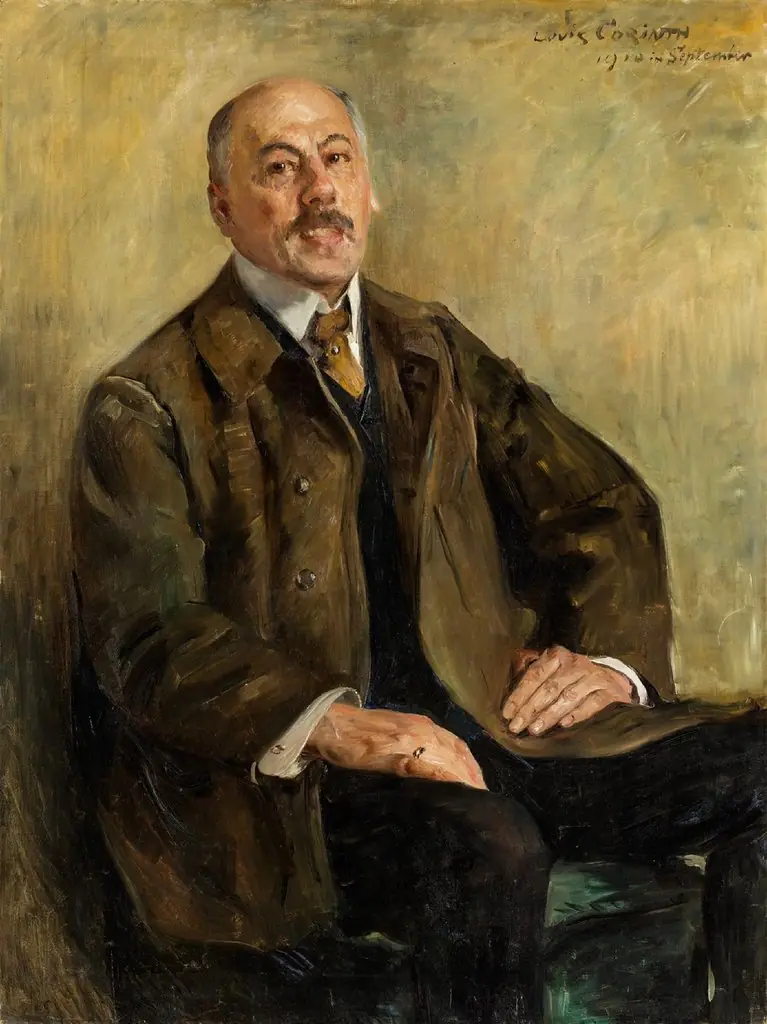 Porträt Albert Kaumann
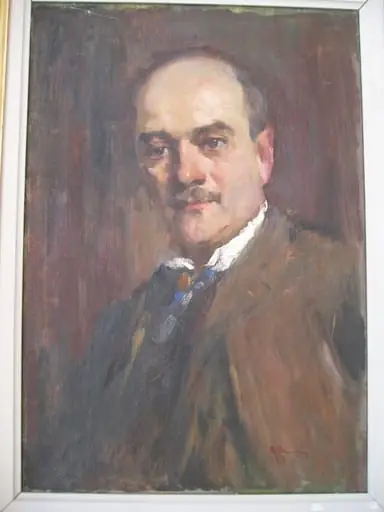 Portret de bărbat
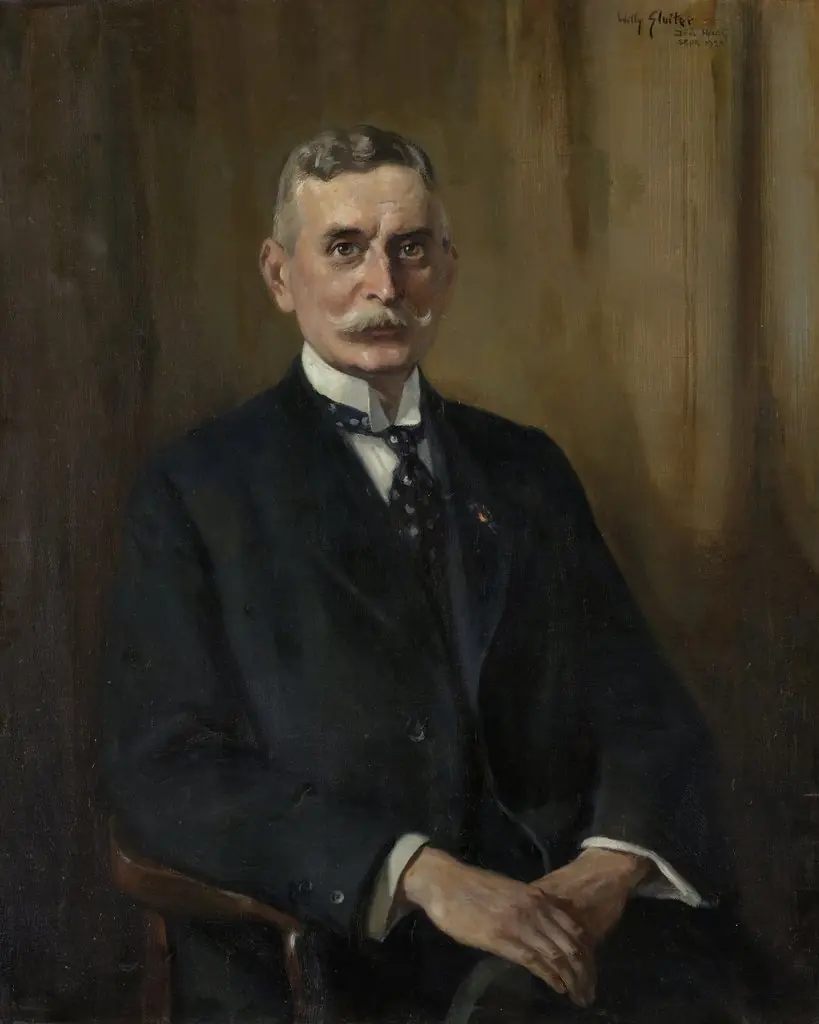 Jacob Christiaan Koningsberger (1867-1951). Chairman of the People's Council (1918-19)
 Dr. W. Brukner
 Portretul lui Take Ionescu