Artwork
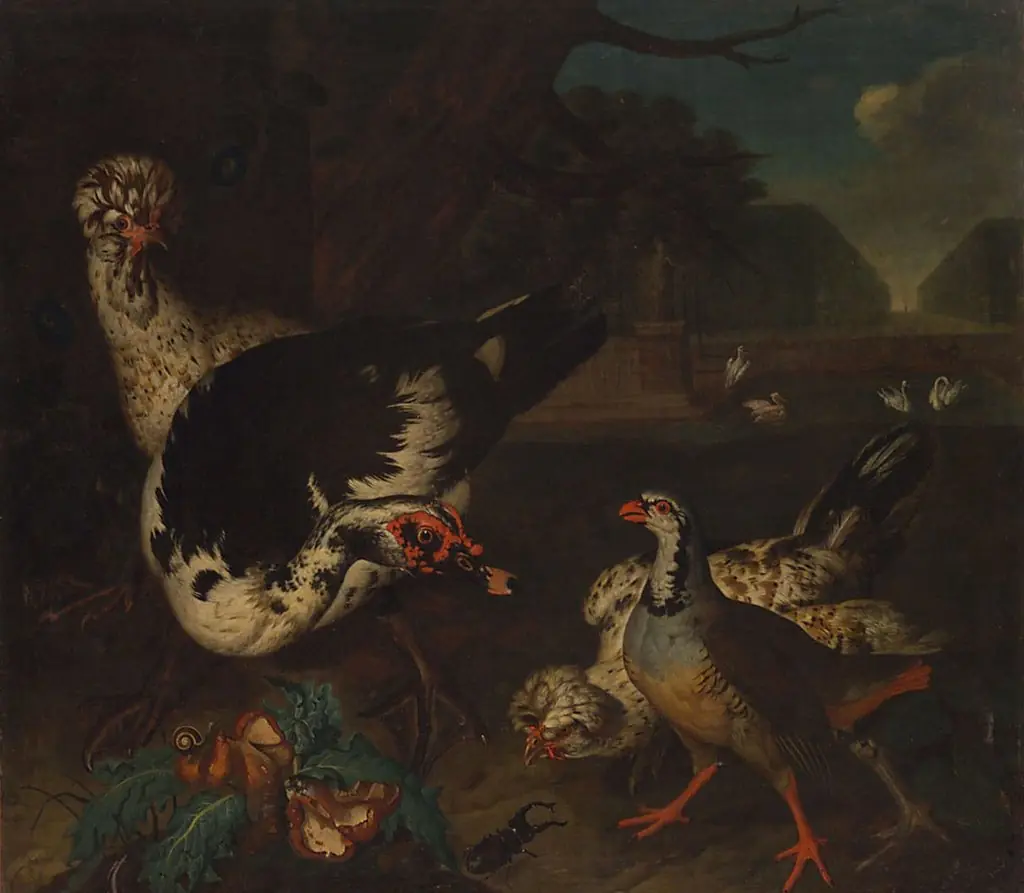
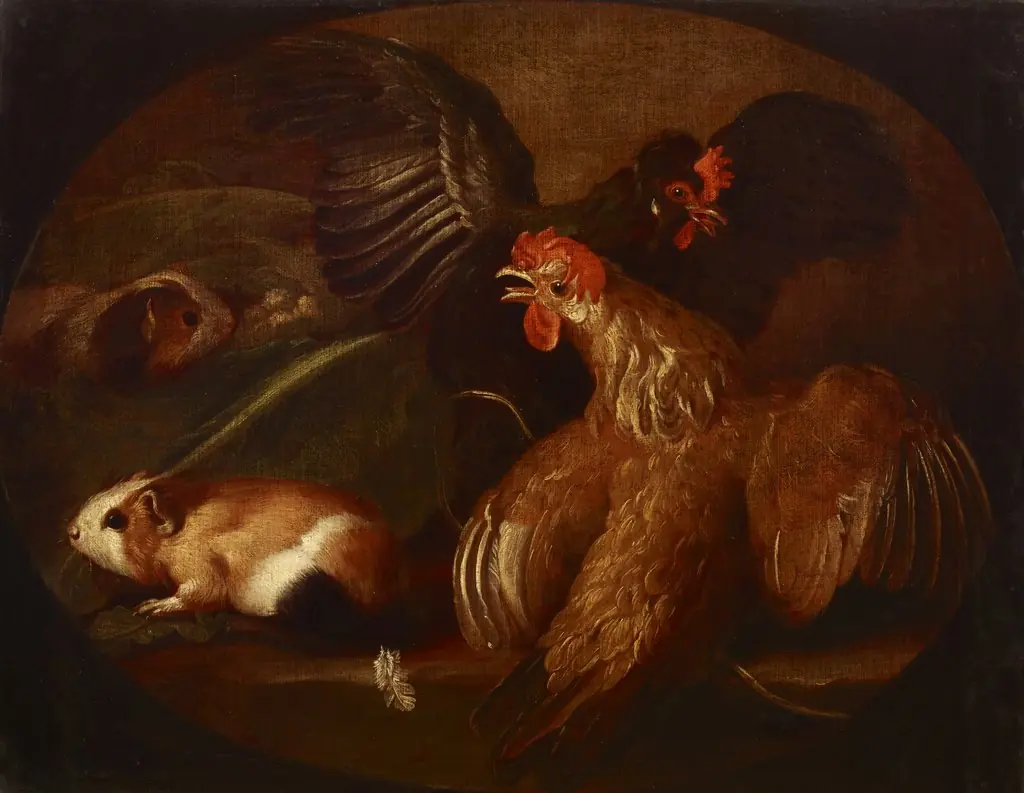
Guinea fowls with guinea pigs
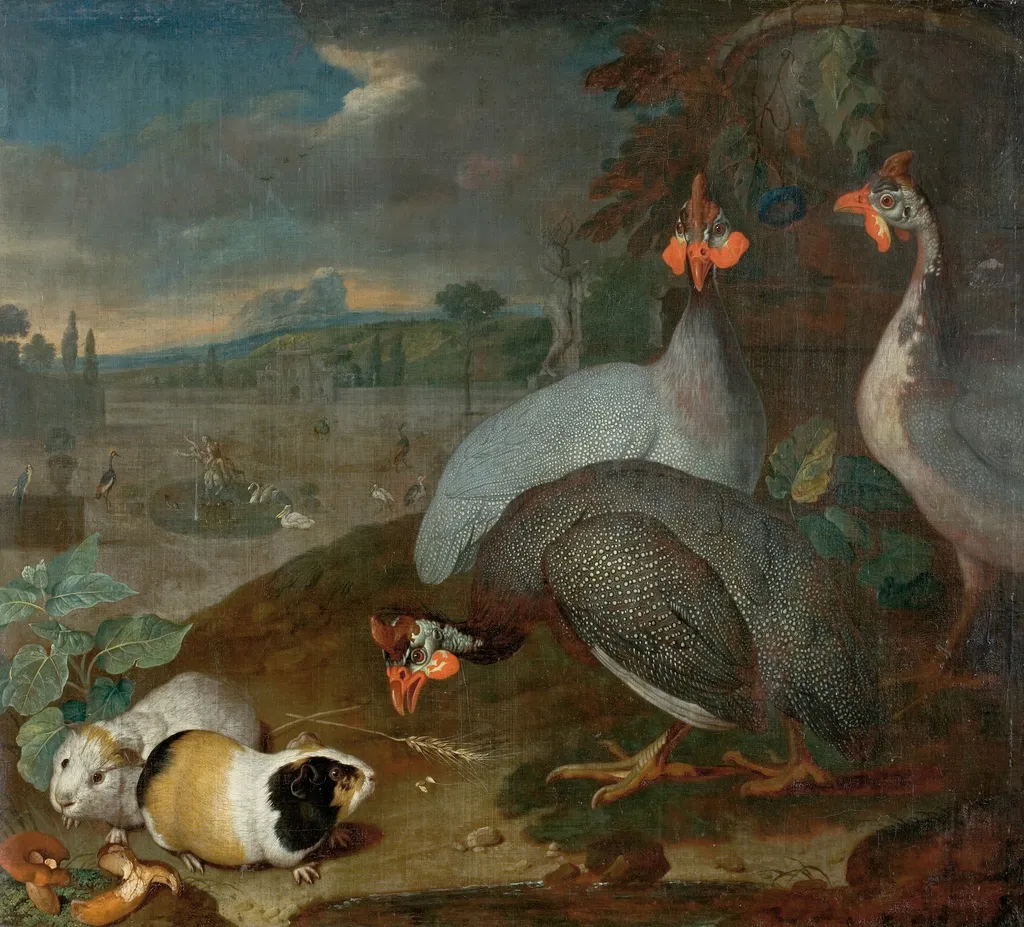
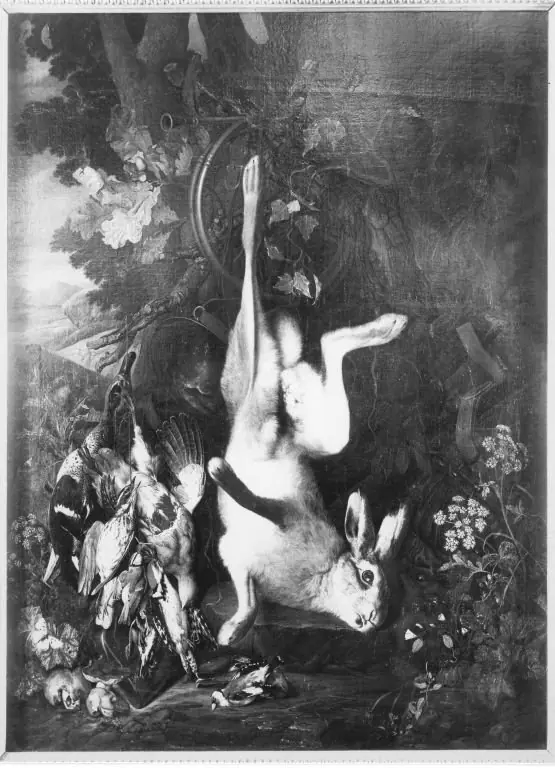
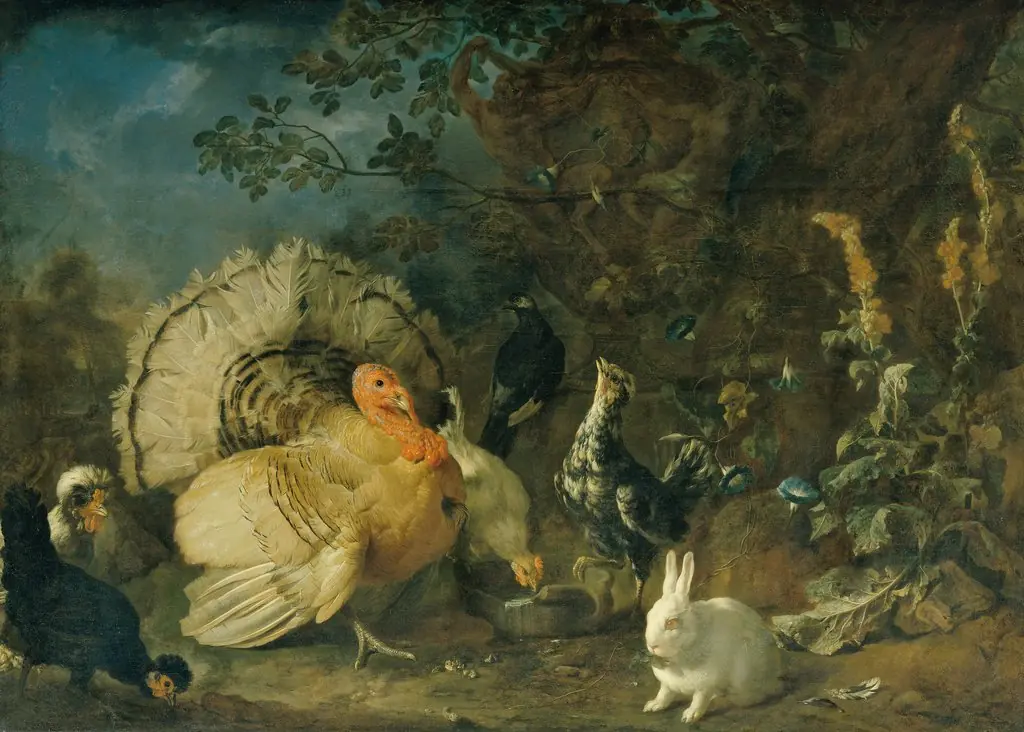
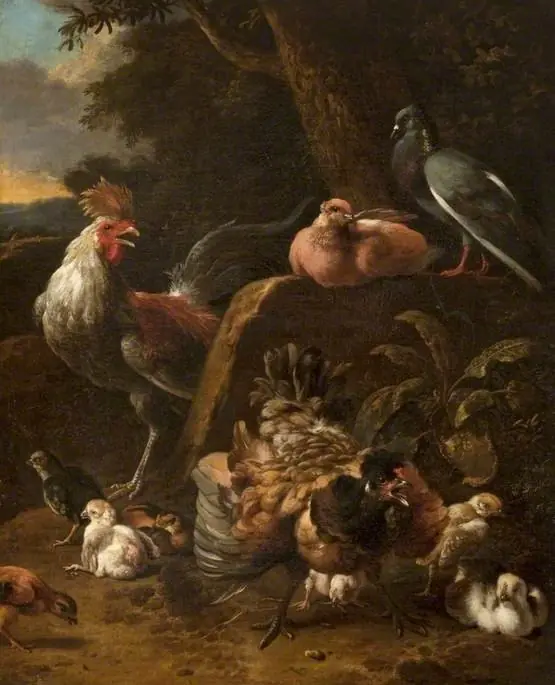
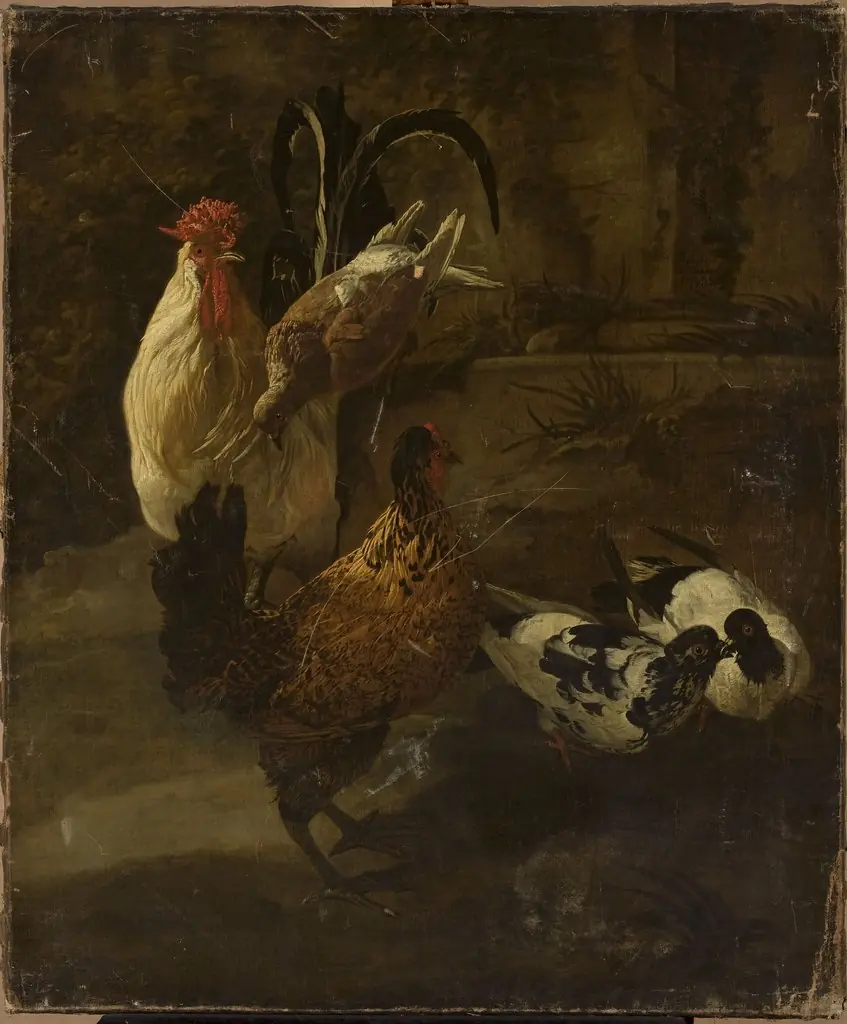
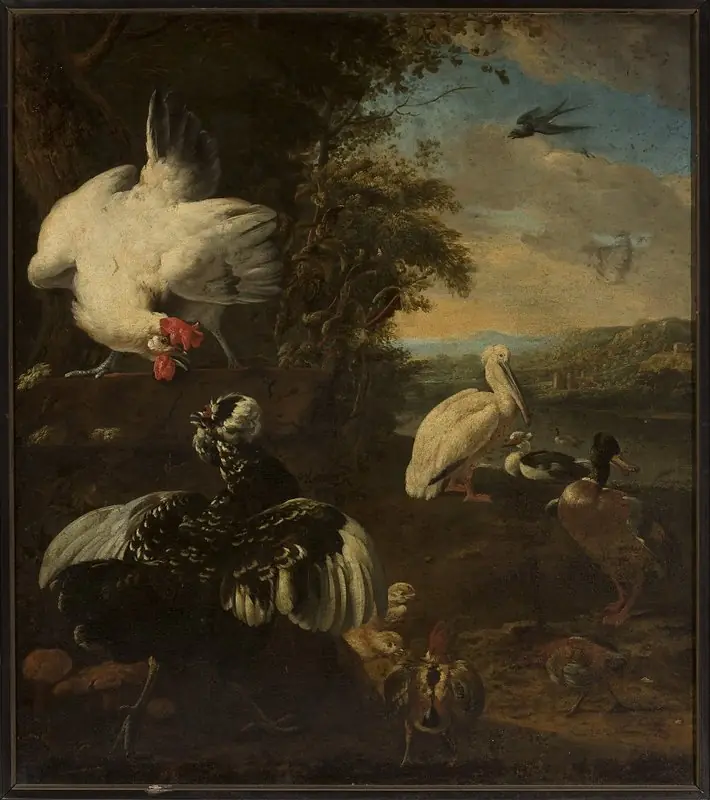
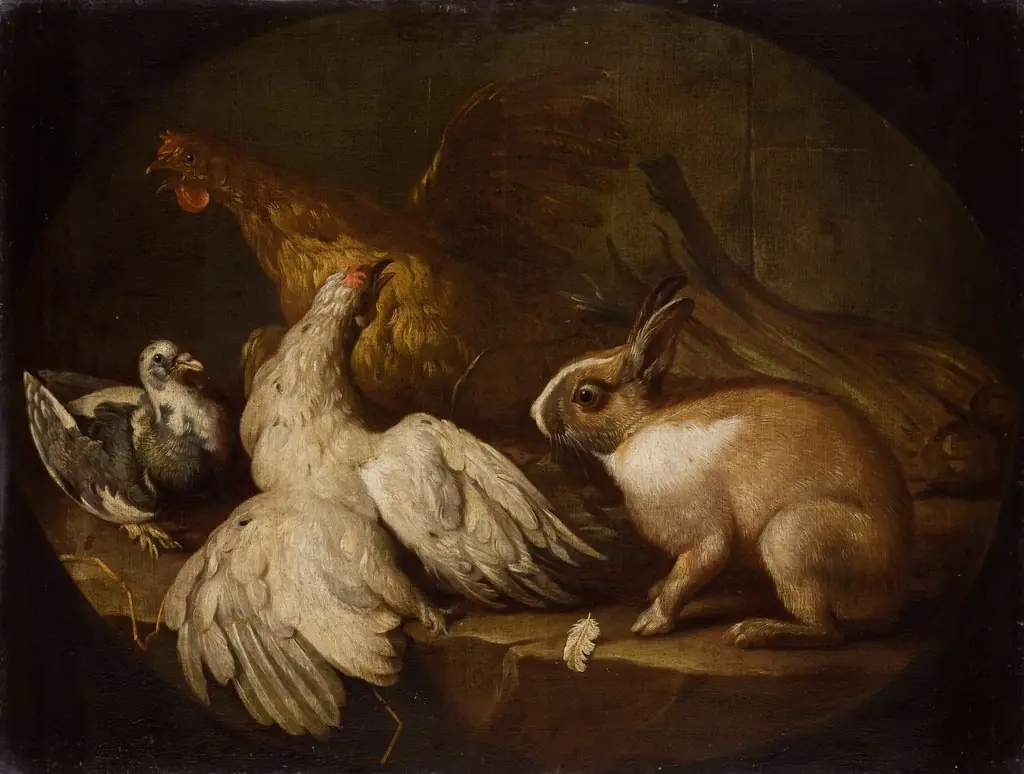
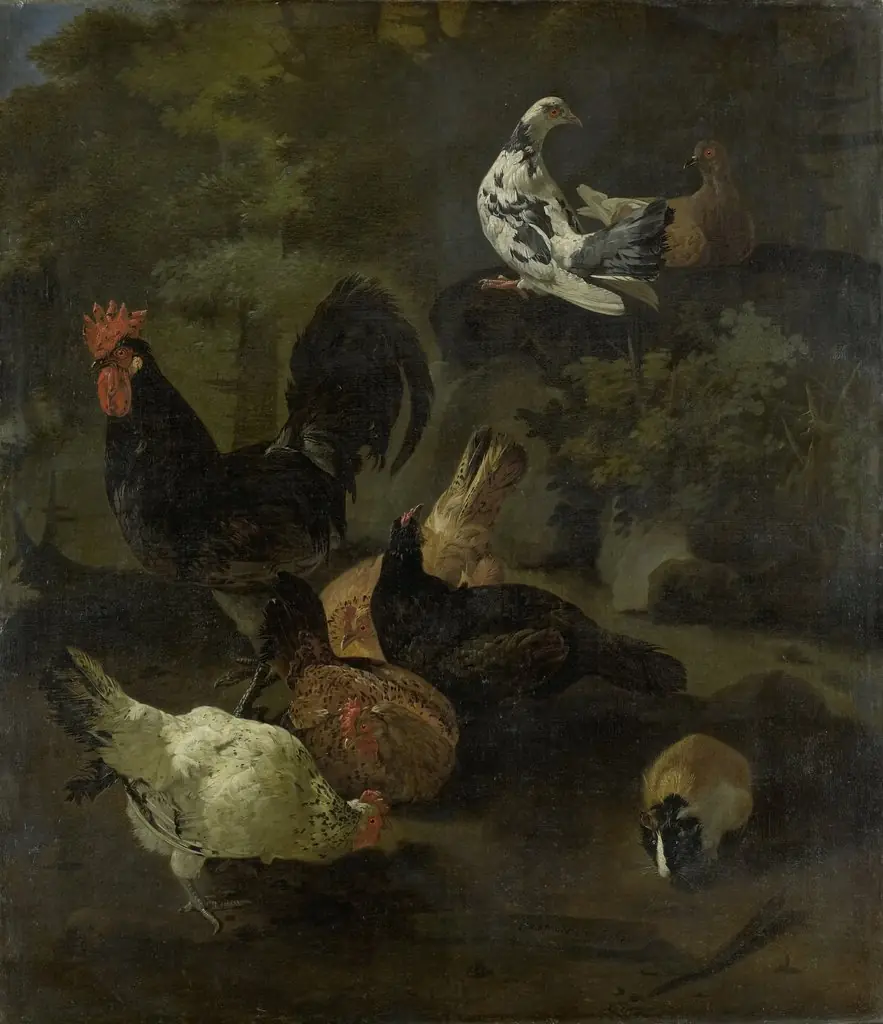
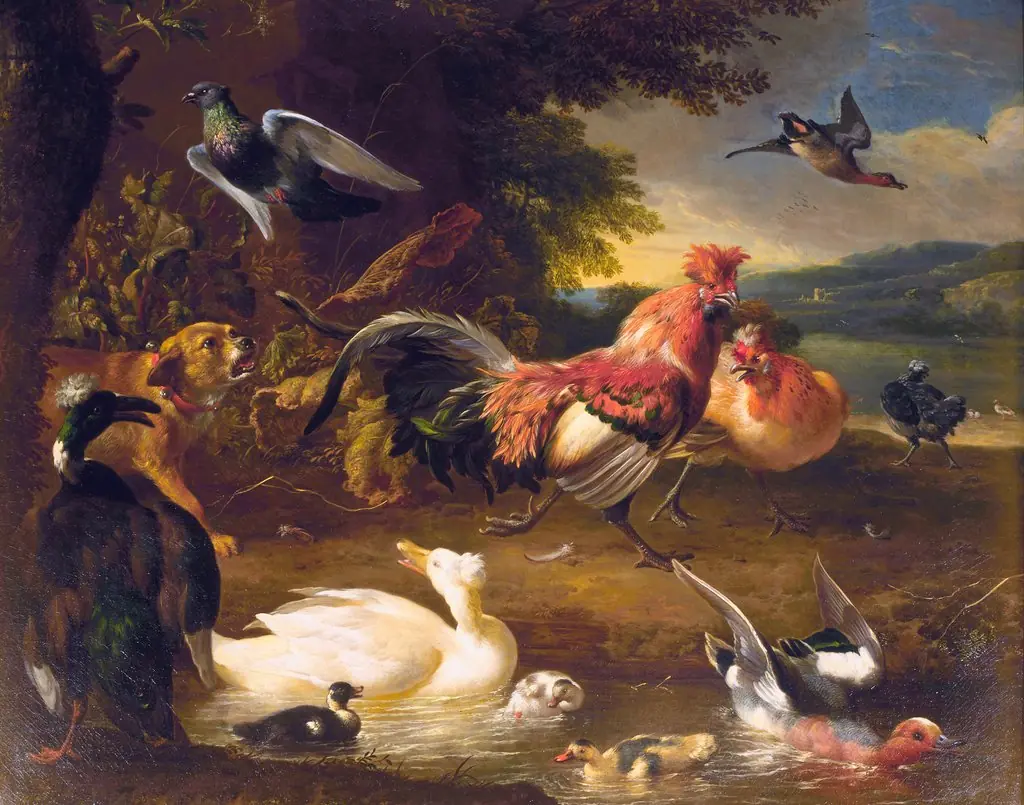
Guinea fowls with guinea pigs is an oil painting by the Rococo painting artist Philipp Ferdinand de Hamilton. It dates from 1725 and is held in the collection of the Kunsthistorisches Museum.
About this work
Overview
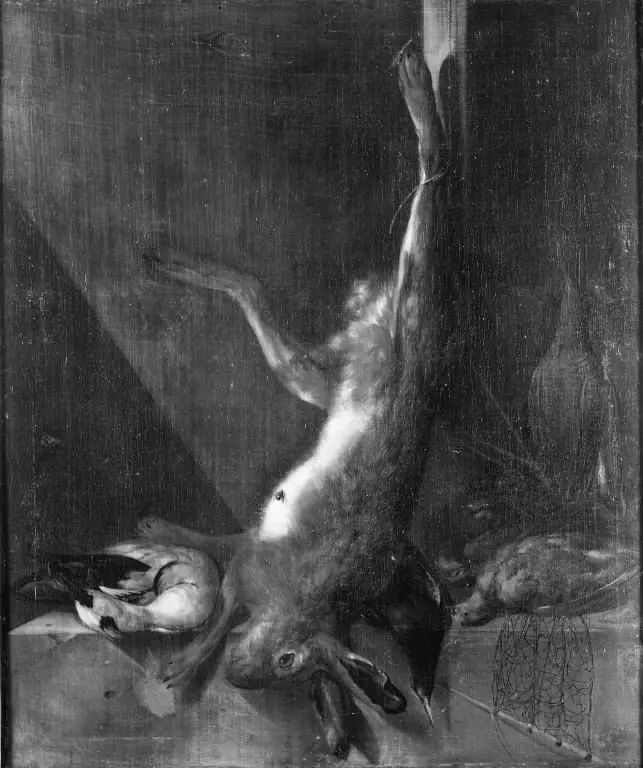
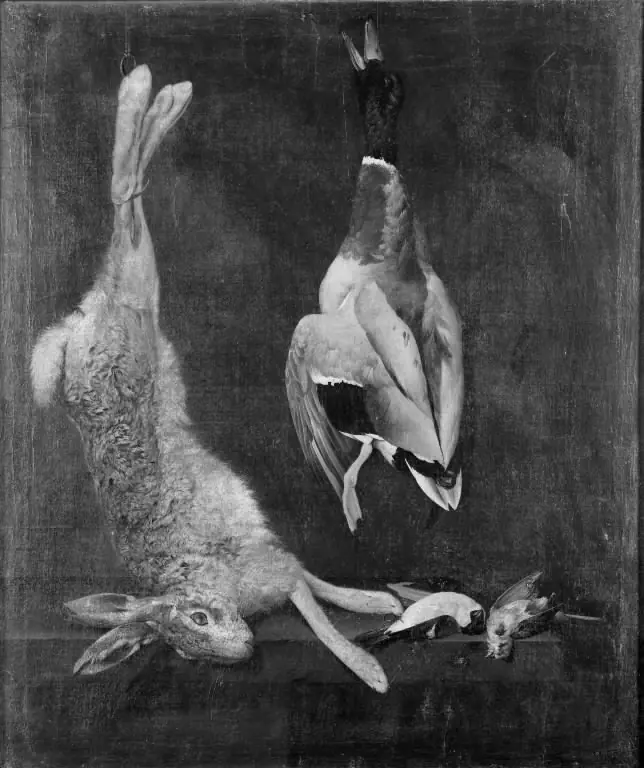
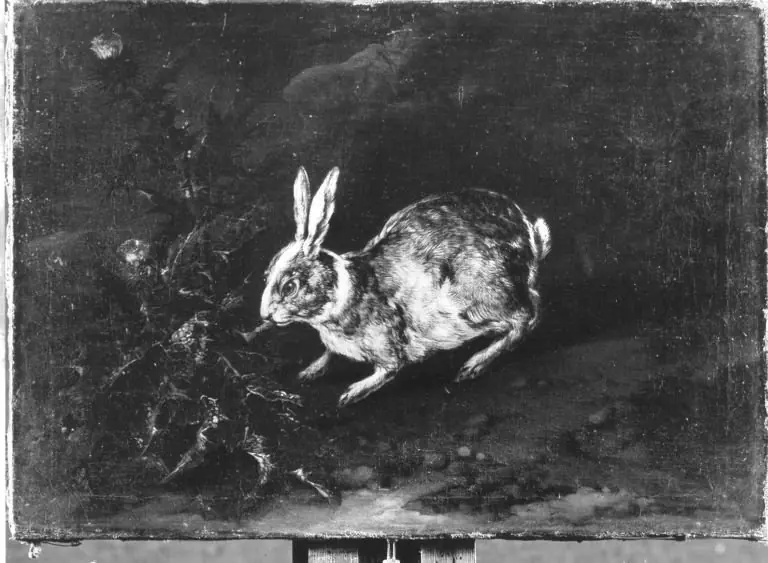
Painted in 1725 by Philipp Ferdinand de Hamilton, this oil-on-canvas work presents a quiet still-life composition featuring guinea fowls and guinea pigs in an outdoor setting. Originating from the Southern Netherlands but created during the artist’s time in Austria, the piece reflects the Rococo era’s interest in naturalistic observation, blending domestic and wild elements with subtle precision.
Subject & Meaning
The painting juxtaposes two animals of differing origins—guinea fowls from Africa and guinea pigs from South America—placed together in a European landscape.
The painting juxtaposes two animals of differing origins—guinea fowls from Africa and guinea pigs from South America—placed together in a European landscape. Their coexistence suggests curiosity about exotic species entering aristocratic collections, without overt symbolism. The scene avoids anthropomorphism, instead emphasizing quiet cohabitation and the natural behavior of each creature within a cultivated wilderness.
Technique & Style
Hamilton rendered the animals with careful attention to texture: the guinea fowls’ speckled plumage, the guinea pigs’ soft fur, and the roughness of earth and foliage are rendered in fine brushwork. The palette is restrained, dominated by earth tones and muted greens, enhancing the scene’s calm atmosphere. Light falls evenly, avoiding dramatic contrast, reinforcing the painting’s tranquil, observational tone.
History & Provenance
Commissioned likely by a Habsburg patron, the painting entered the Kunsthistorisches Museum’s collection in Vienna, where it remains today. Hamilton, active in Austrian courts, specialized in animal studies and botanical scenes, and this work exemplifies his role in documenting exotic fauna for imperial collections during the early 18th century.
Context
In early 18th-century Europe, interest in natural history surged among aristocrats and scientists. Exotic animals were collected and displayed as signs of global reach and intellectual curiosity. Hamilton’s painting aligns with this trend, presenting live specimens not as trophies but as subjects of quiet study, reflecting a shift toward empirical observation over allegory.
Legacy
Though not widely known outside museum circles, the painting contributes to a broader genre of scientific naturalism in Rococo art. It stands as a modest but precise record of how exotic creatures were perceived and depicted in imperial contexts, offering insight into the intersection of art, zoology, and collecting culture in early modern Europe.
Own this work as a print
Artist & collection
Artist
Philipp Ferdinand de Hamilton (c. 1664 – 1750), was an 18th-century painter from the Southern Netherlands active in Austria.