Artwork
Mary Magdalene
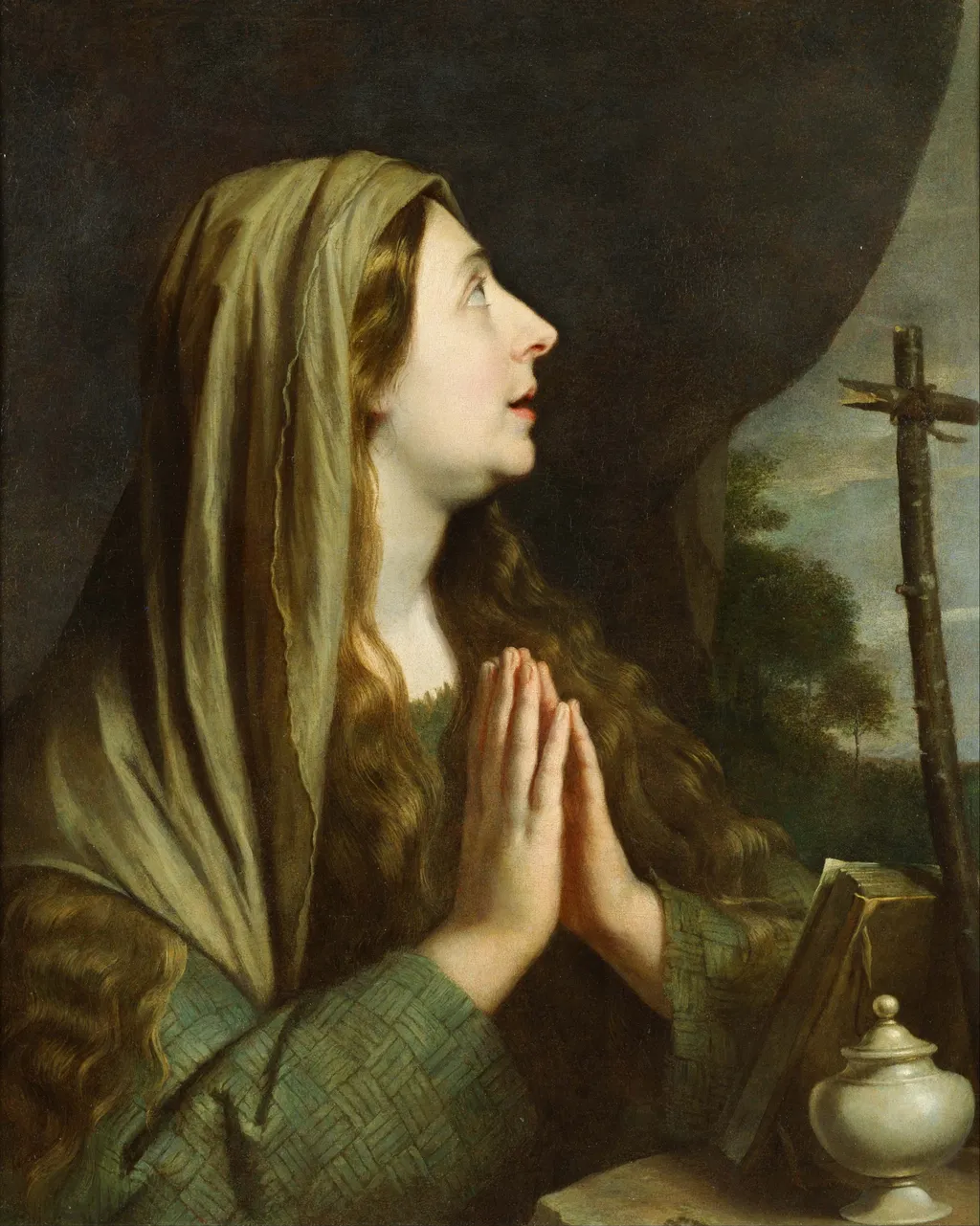
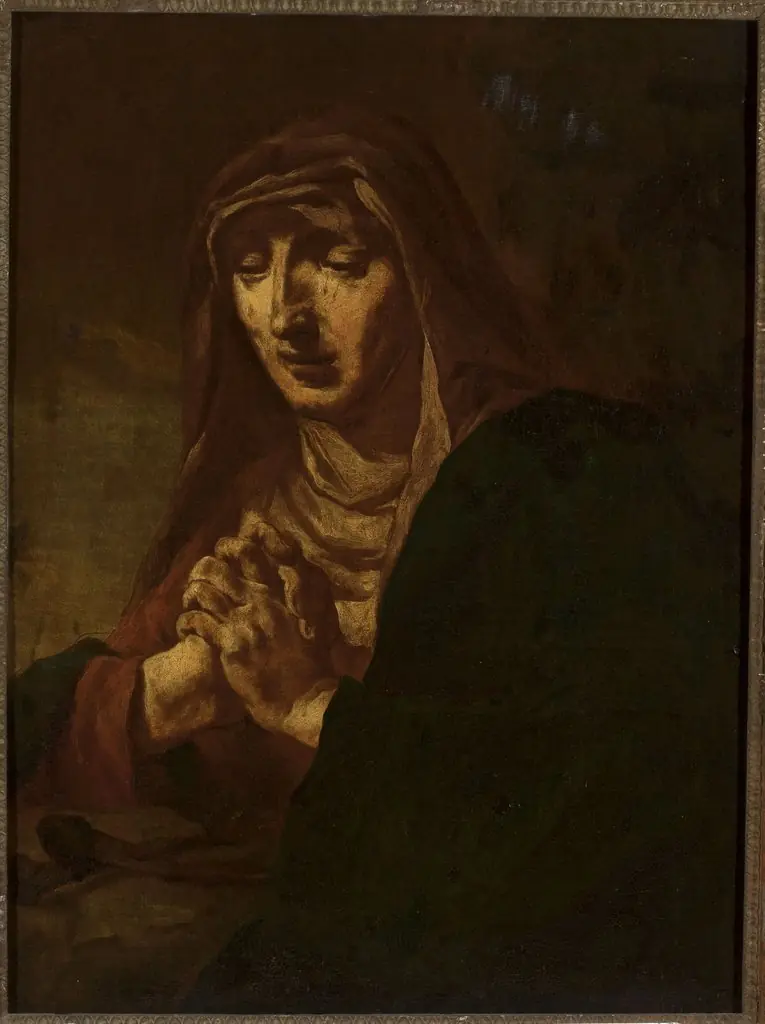
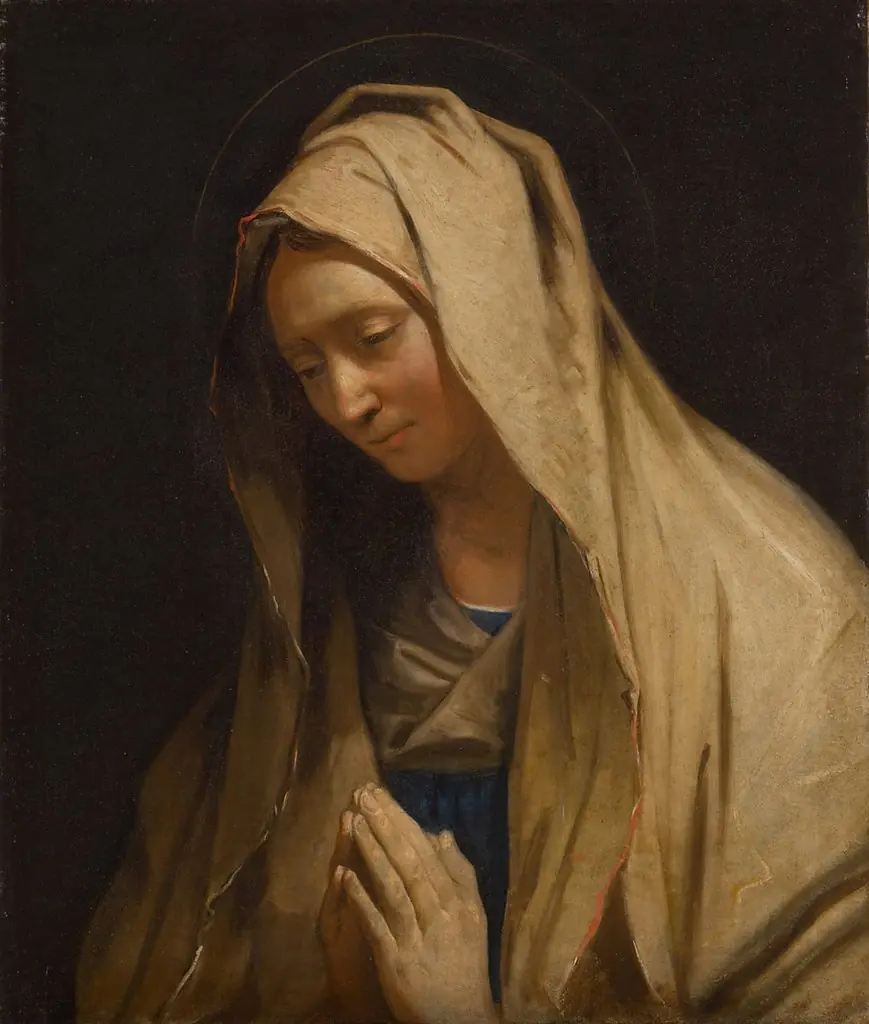
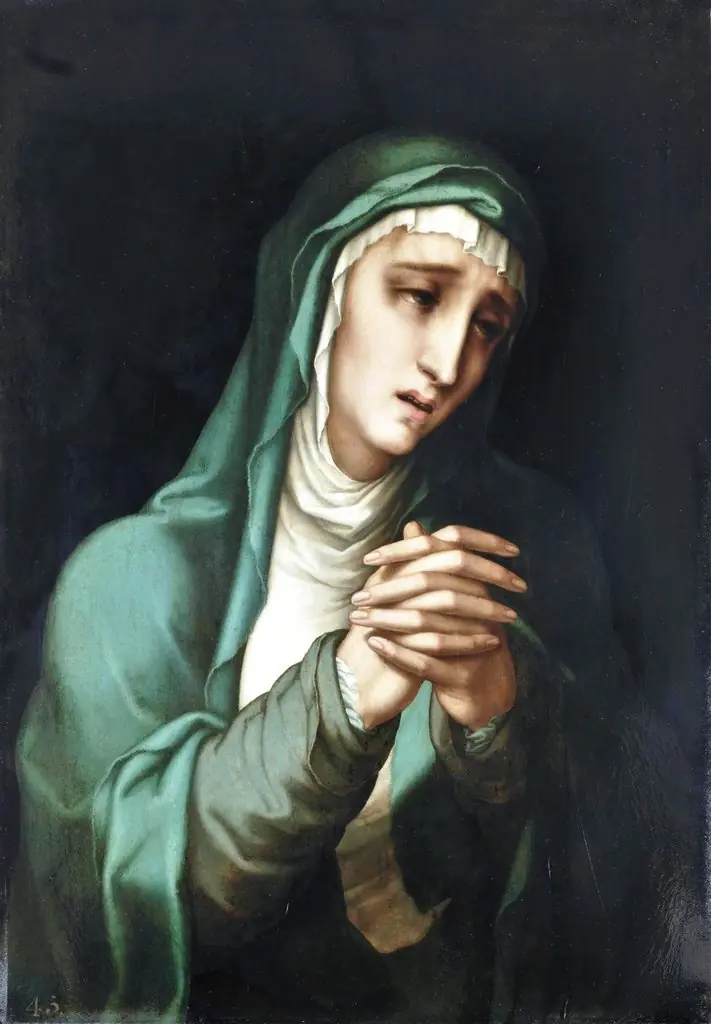
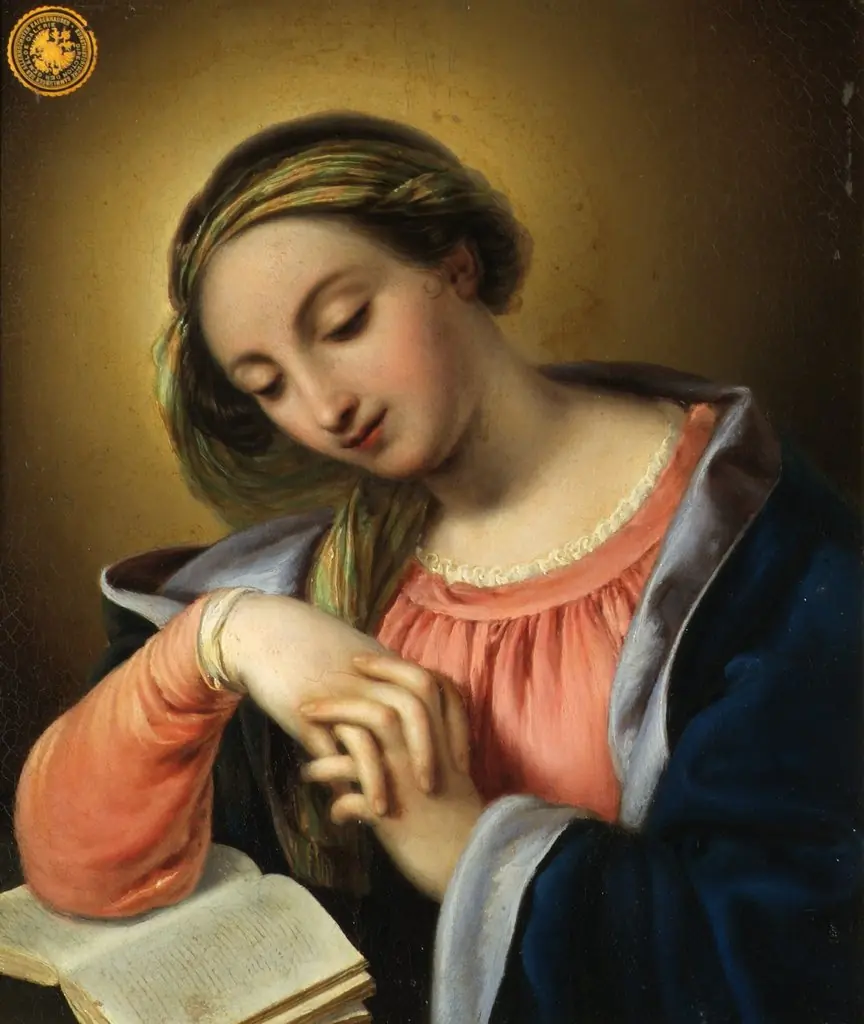
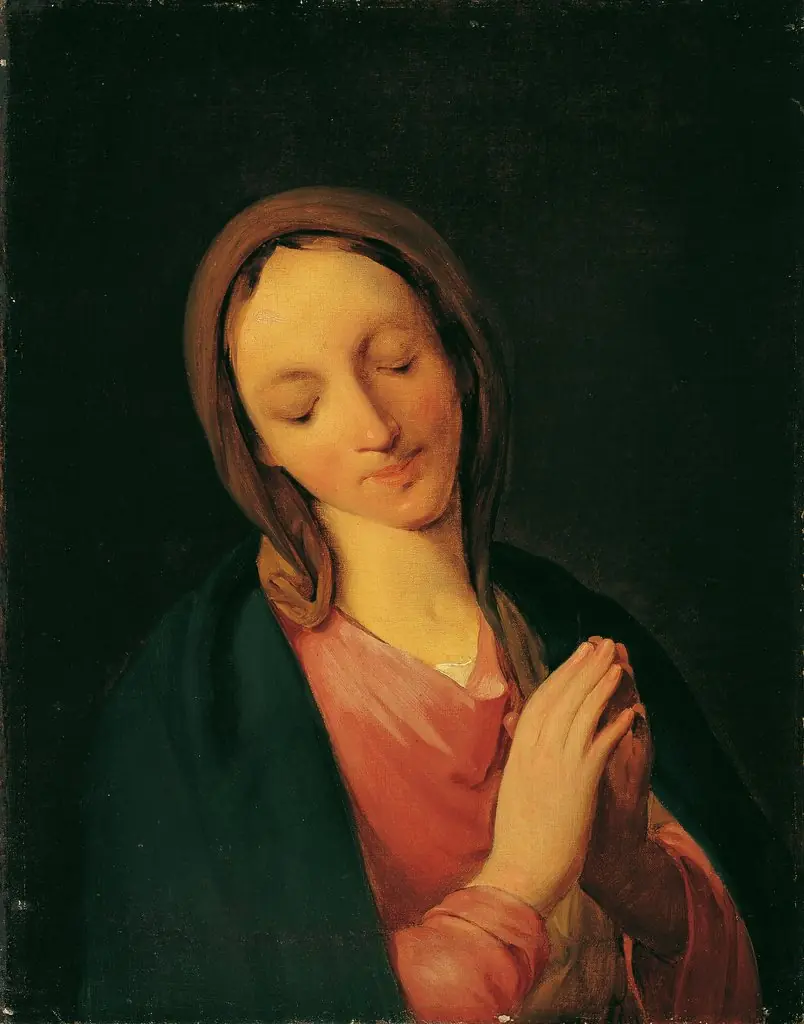
Mary Magdalene is an oil painting by the French Classical Baroque artist Philippe de Champaigne. It is held in the collection of the National Museum of Western Art.
About this work
Overview
Mary Magdalene is a 1700 oil painting by Philippe de Champaigne, a prominent Brabant-born French Baroque painter. The work is characteristic of the French Classical Baroque style and is part of the National Museum of Western Art's collection.
Subject & Meaning
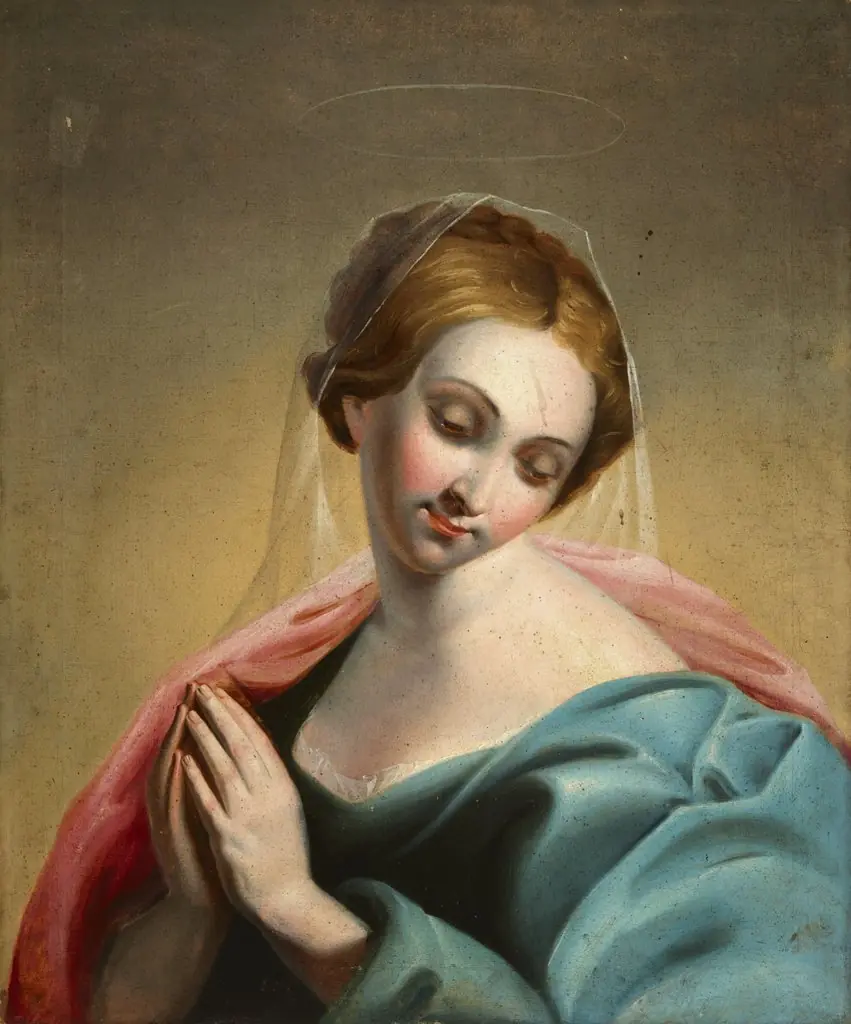
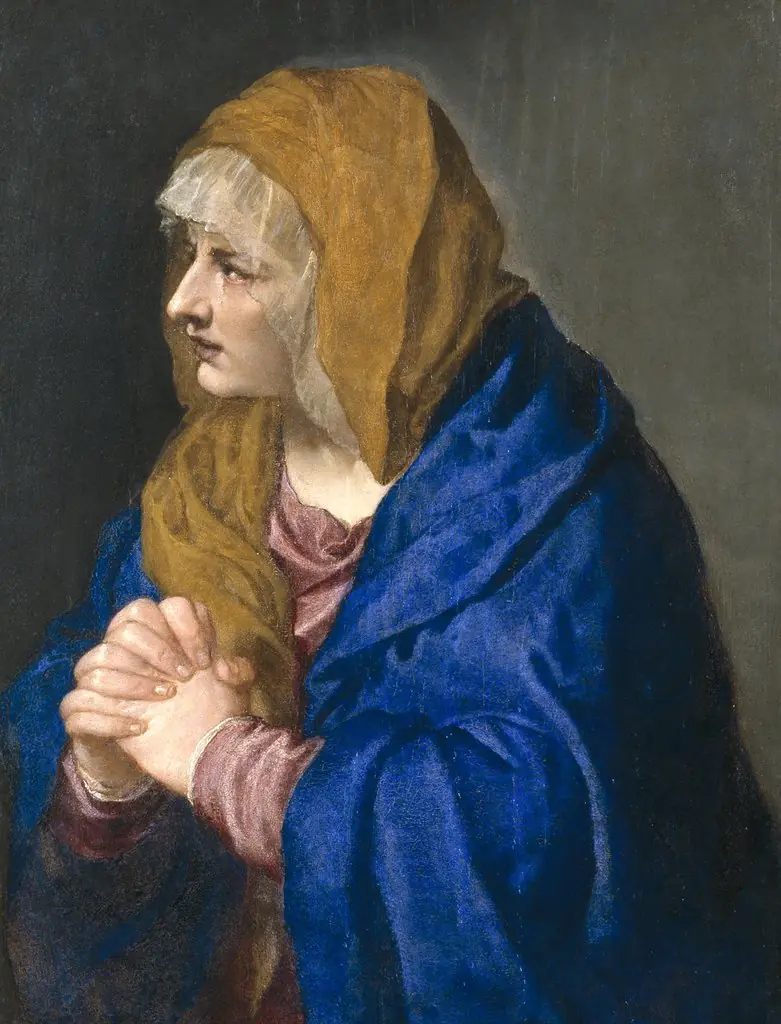
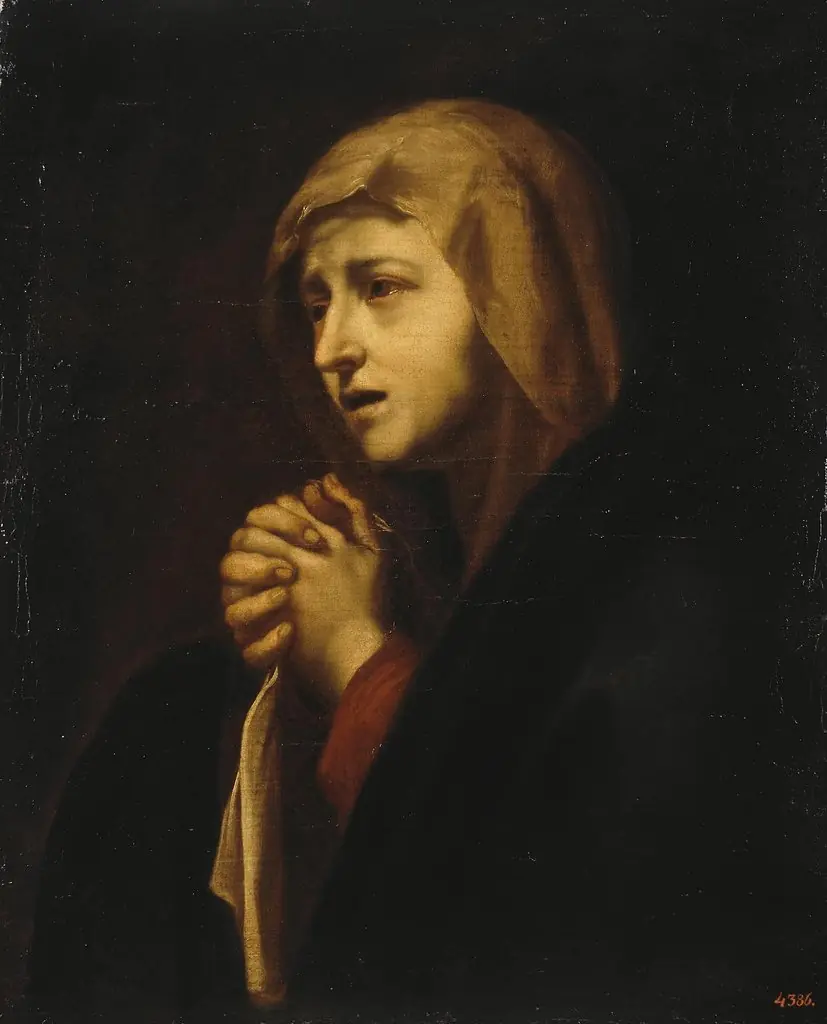
The painting portrays Mary Magdalene in a posture of deep devotion: hands clasped in prayer, eyes cast heavenward, and face uplifted. Her attire consists of a dark robe and lighter head covering, with long, wavy hair flowing down her back. A subtle, darkened landscape is visible behind her.
Technique & Style
De Champaigne employed chiaroscuro to create depth, focusing attention on Mary's face and clasped hands. The style reflects French Classical Baroque's emphasis on restrained emotion and clarity, typical of de Champaigne's religious works.
History & Provenance
Created in 1700 by Philippe de Champaigne, a founding member of the Académie royale de peinture et sculpture and leading court painter of religious subjects in 17th-century France. The painting is now held in the National Museum of Western Art's collection.
Context
As a religious painting from the French Baroque period, 'Mary Magdalene' exemplifies the era's artistic and spiritual values, blending religious devotion with the aesthetic principles of the time.
Legacy
While specific impact details are not provided, the painting's presence in a national museum collection suggests its continued relevance as an example of French Baroque art and de Champaigne's contribution to the genre.
Own this work as a print
Artist & collection
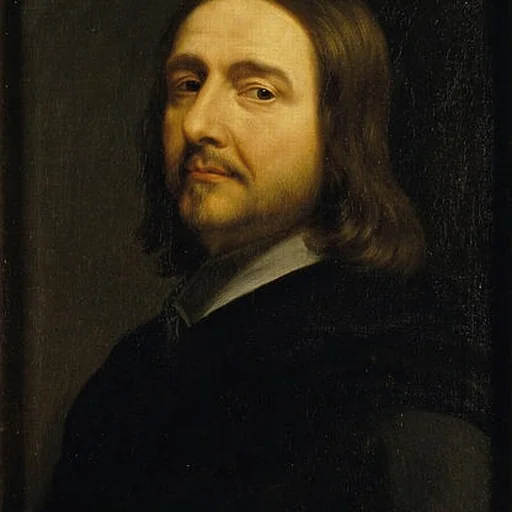
Artist
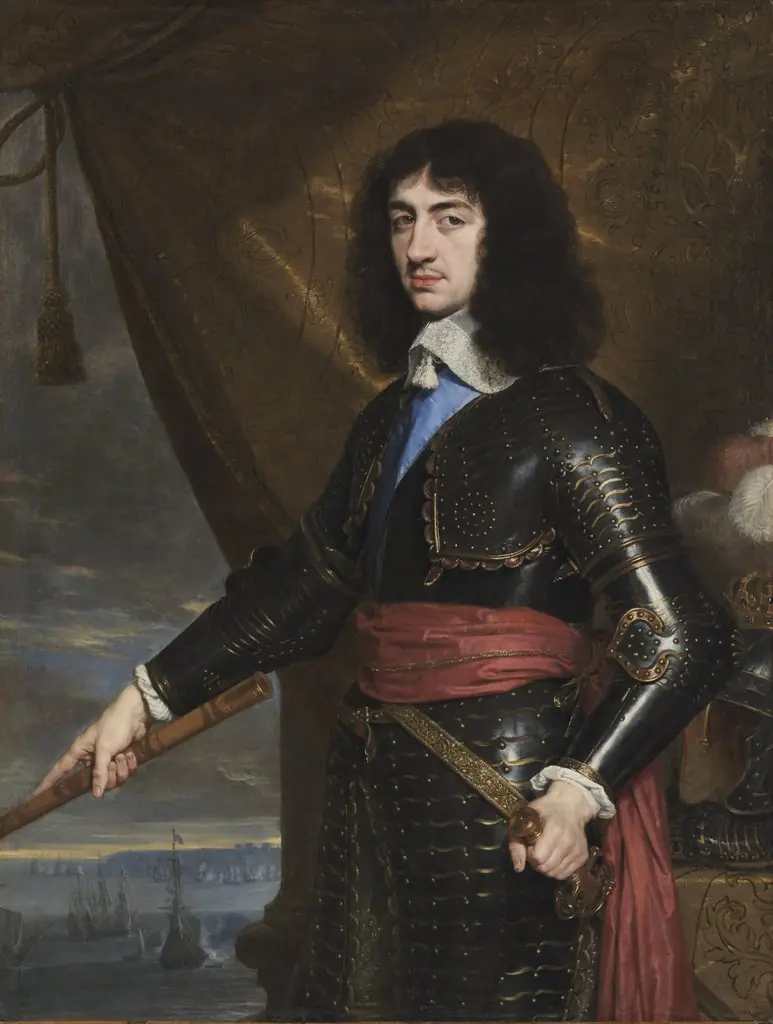
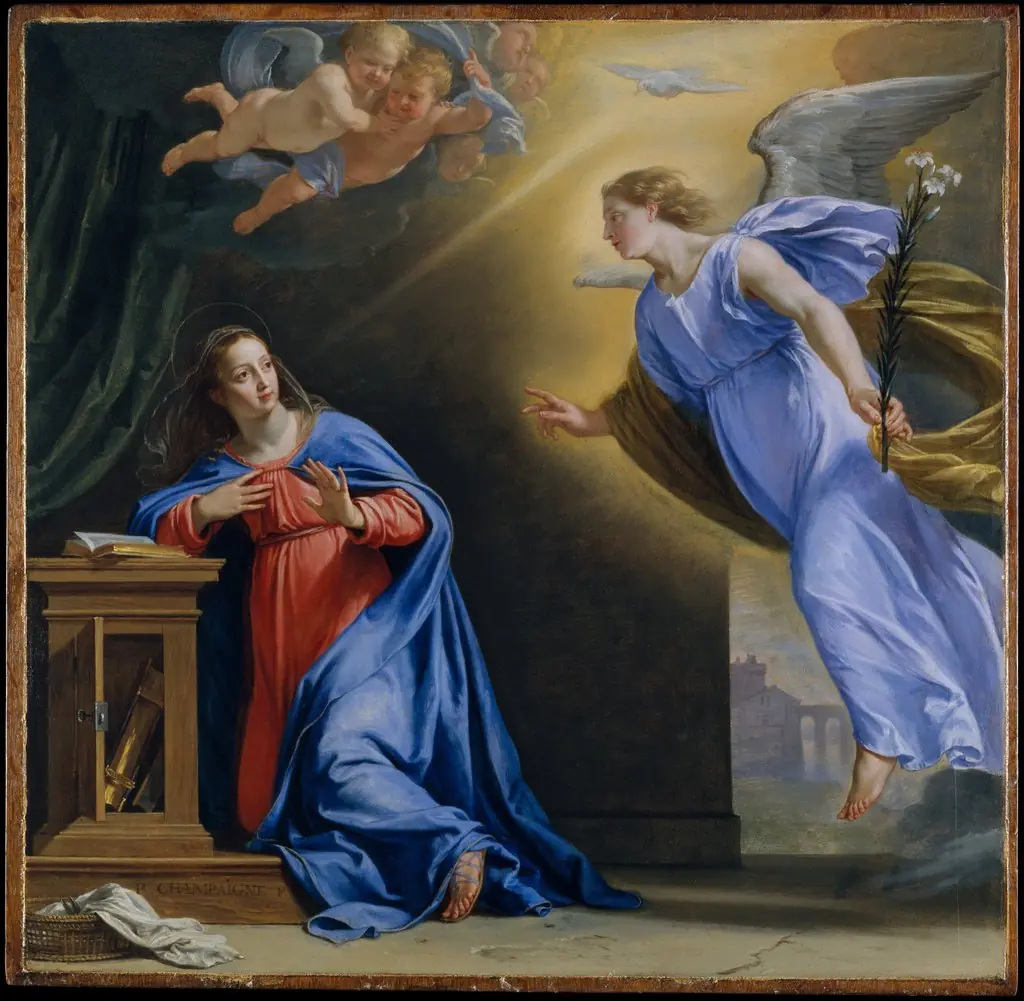
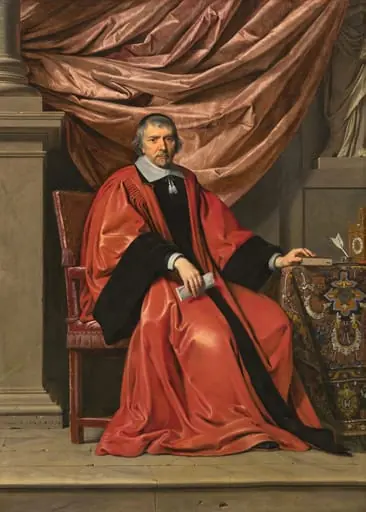
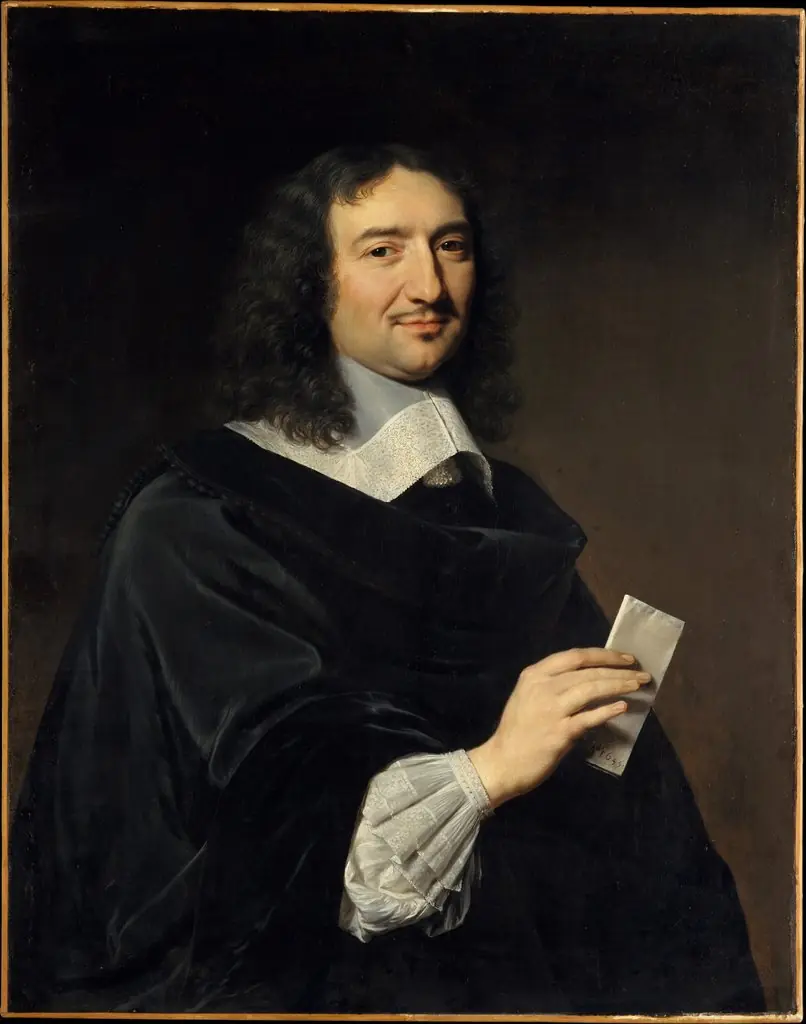
Philippe de Champaigne (French pronunciation: ; 26 May 1602 – 12 August 1674) was a Brabant-born French Baroque era painter, a major exponent of French Baroque painting.