Artwork
Penitent Magdalene
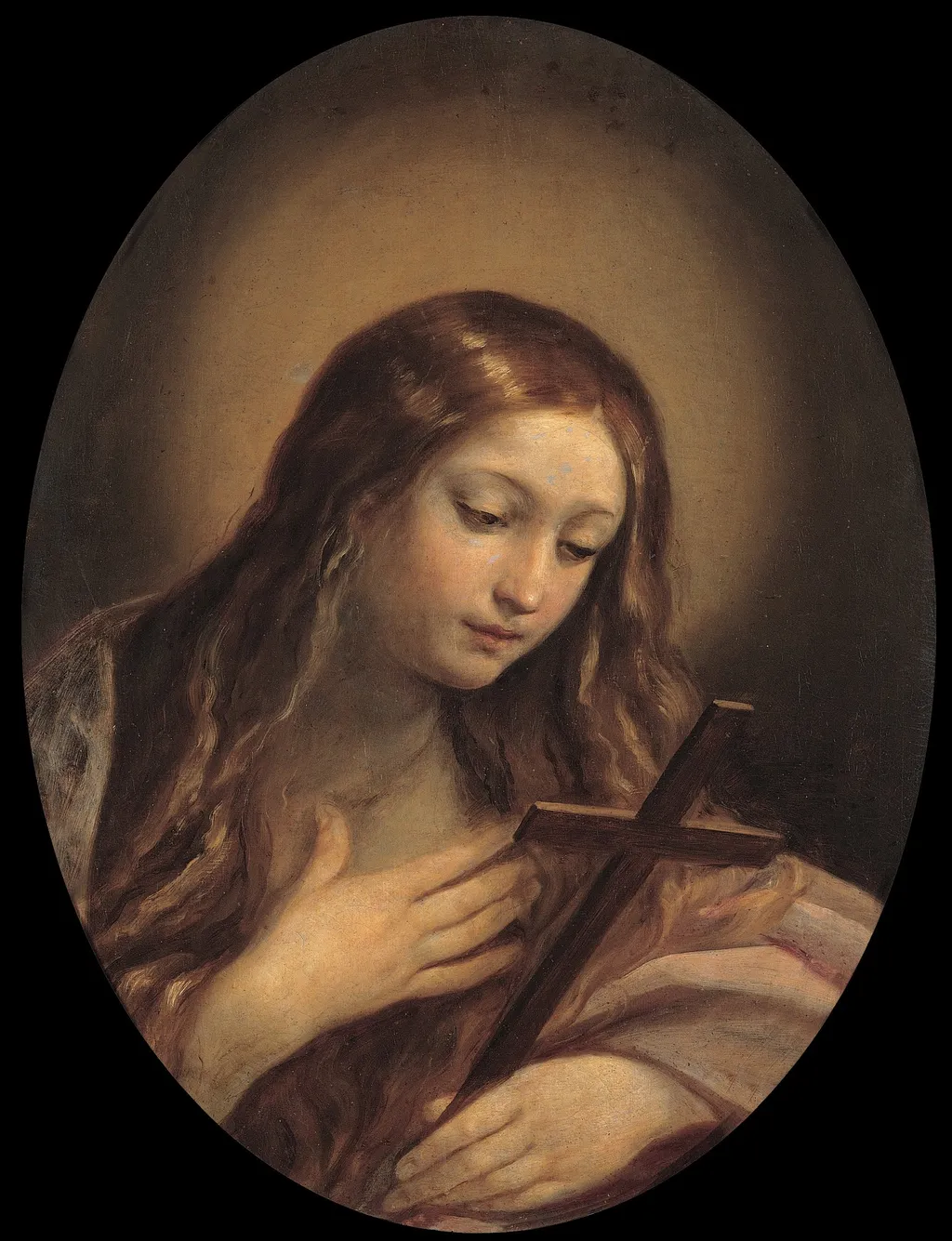
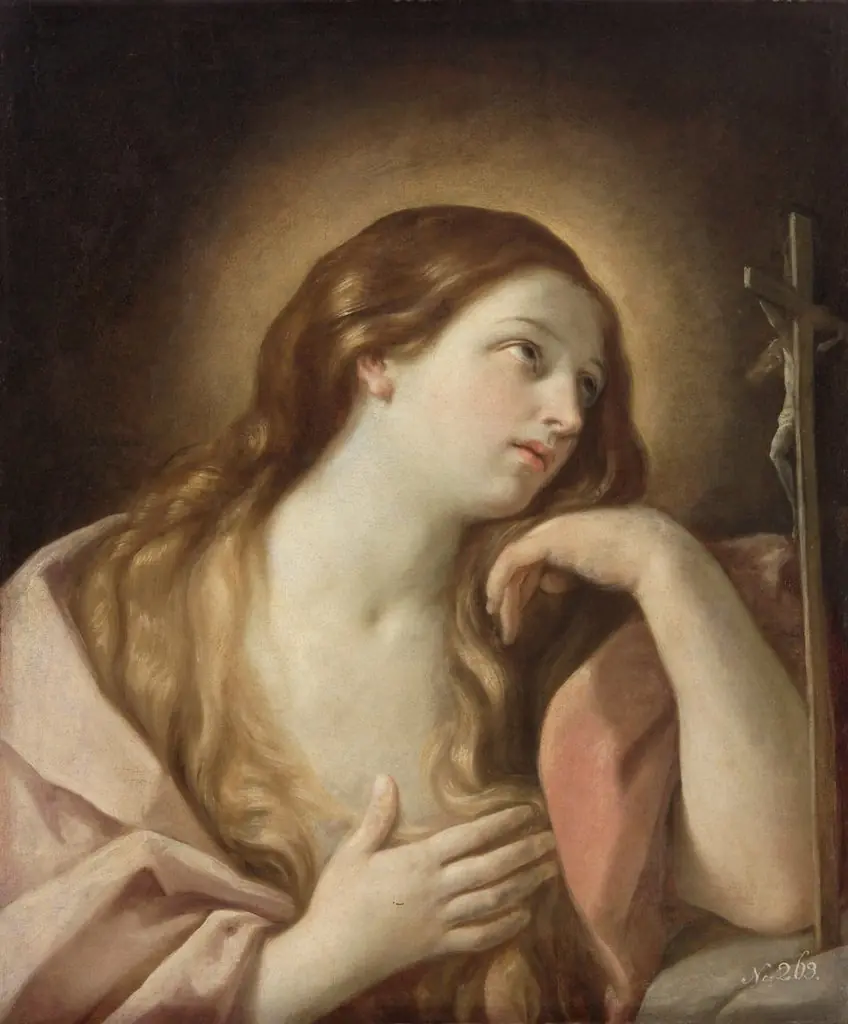
Penitent Magdalene is an oil painting by the Early Baroque Italian artist Guido Reni. It dates from 1637 and is held in the collection of the Capitoline Museums.
About this work
Overview
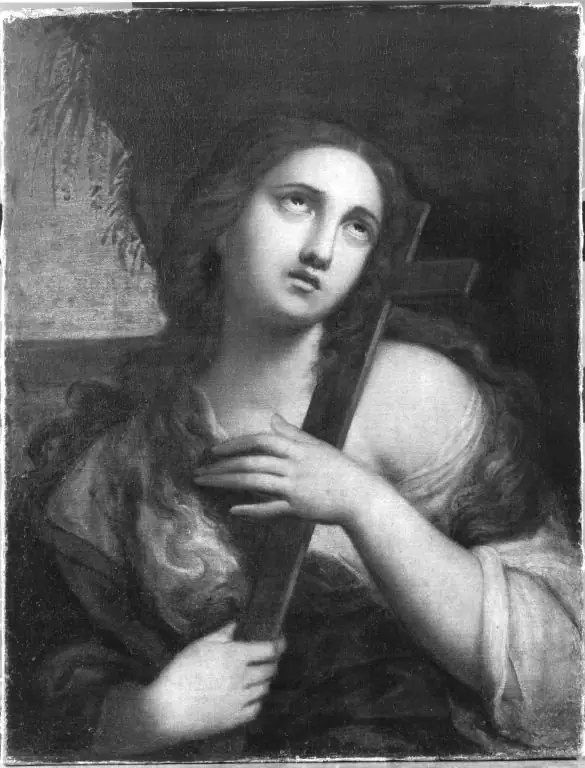
Painted in 1637 by Guido Reni, this oil on canvas work portrays Mary Magdalene in a moment of introspection. The figure is rendered with soft modeling and restrained emotion, set against a deep, unbroken shadow. The composition isolates her from any narrative context, emphasizing solitude and inner contemplation. The painting is part of the Capitoline Museums’ collection in Rome.
Subject & Meaning
The absence of symbolic accessories like ointment jars or skulls focuses attention on her internal state rather than external legend.
The subject is Mary Magdalene, traditionally associated with repentance and spiritual transformation. She holds a wooden cross, its presence suggesting devotion and penance. Her gaze is lowered, hands gently clasped over her chest, conveying humility and quiet sorrow. The absence of symbolic accessories like ointment jars or skulls focuses attention on her internal state rather than external legend.
Technique & Style
Reni employs a chiaroscuro approach, using subtle gradations of light to model the figure against a near-black background. The brushwork is smooth and refined, with delicate handling of the flowing fabric and wavy hair. The palette is muted—ochres, deep reds, and cool grays—enhancing the somber tone. The figure emerges with quiet luminosity, avoiding theatricality in favor of restrained grace.
History & Provenance
Commissioned during Reni’s later years, the painting entered the collection of the Capitoline Museums in the 18th century, likely through the acquisition of a Roman noble family’s holdings. It has remained in public ownership since, with no documented alterations or significant restorations. Its continuous presence in Rome underscores its enduring institutional recognition.
Context
Created in the aftermath of the Counter-Reformation, the image reflects Church-endorsed ideals of penitence and feminine piety. Reni, influenced by Bolognese classicism and Caravaggio’s naturalism, balanced emotional restraint with spiritual gravity. Unlike more dramatic depictions of Magdalene, this work aligns with a quieter, more intimate devotional mode favored in mid-17th-century Rome.
Legacy
The painting exemplifies Reni’s mature style—elegant, controlled, and emotionally subdued. While less celebrated than his earlier mythological works, it became a reference for later artists seeking to convey spiritual stillness without sentimentality. Its enduring display in the Capitoline Museums attests to its role as a quiet, enduring expression of contemplative faith.
Artist & collection
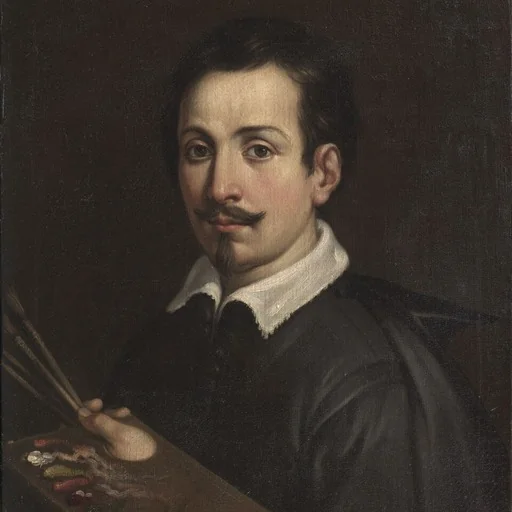
Artist
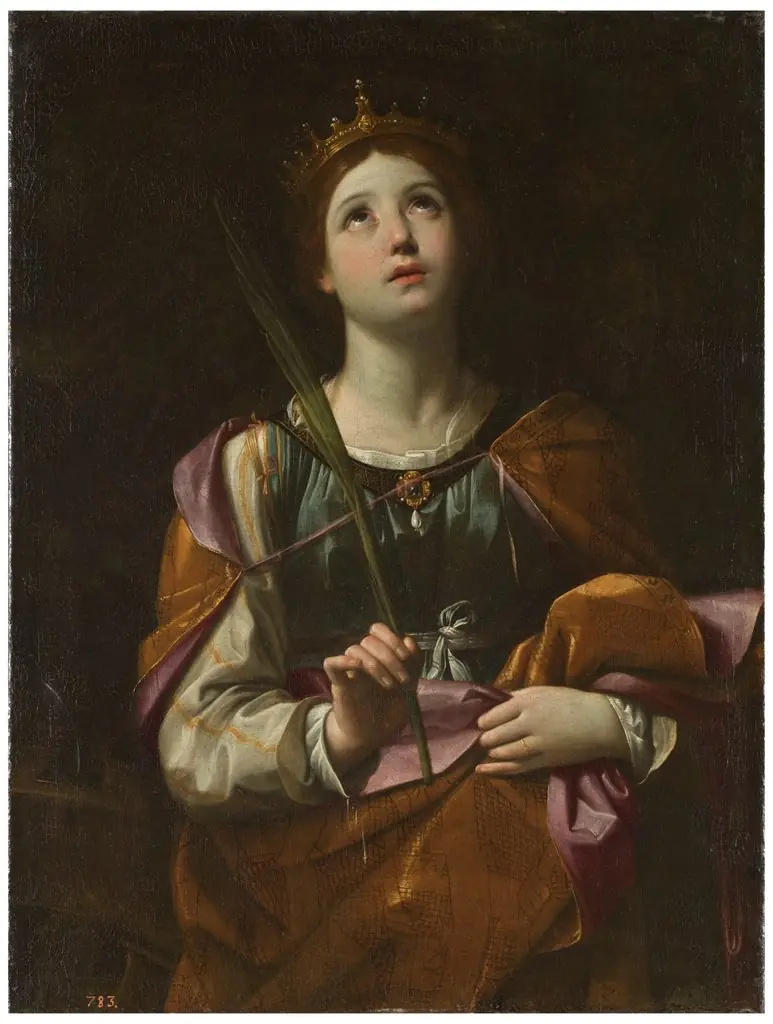
Guido Reni was an Italian Baroque painter, although his works showed a classical manner, similar to Simon Vouet, Nicolas Poussin, and Philippe de Champaigne.