Artwork
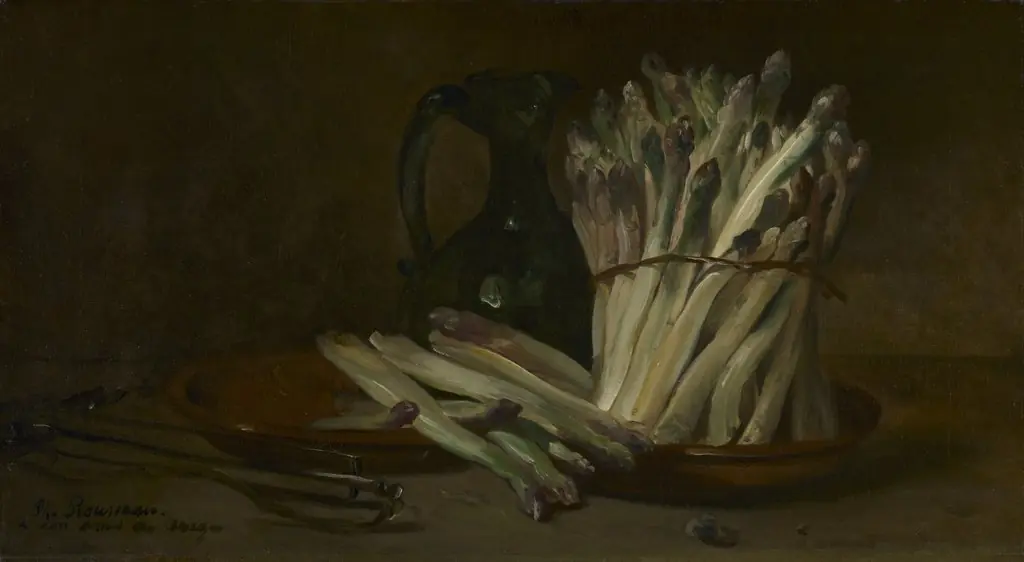
Still Life with Asparagus
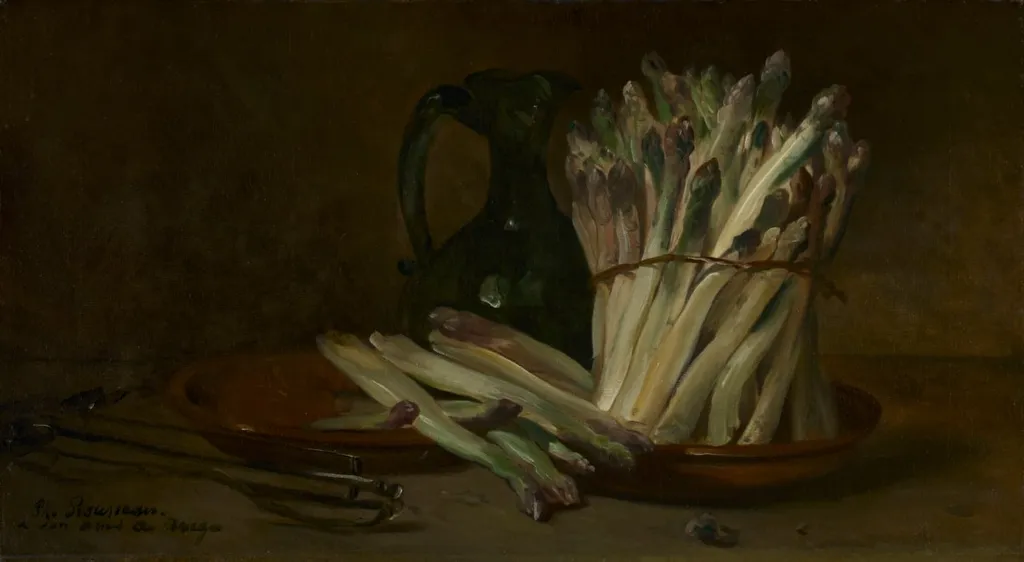
Still Life with Asparagus is an unspecified painting by the Impressionist artist Philippe Rousseau. It dates from 1880 and is held in the collection of the Cleveland Museum of Art.
About this work
He was part of a group of French painters who looked back to an earlier artist, Jean Siméon Chardin, for inspiration in quiet, everyday scenes.
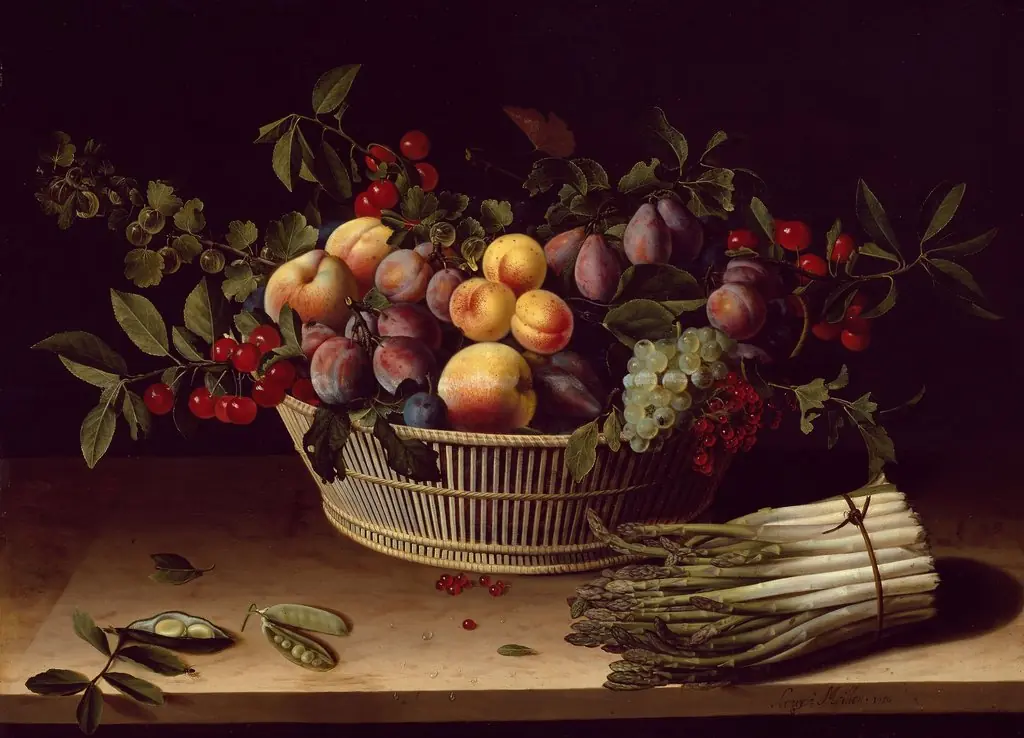
You see a single stalk of asparagus lying on a dark, wooden table. The paint is thick in places, making the vegetable look almost real enough to pick up.
Rousseau painted this around 1880, long after asparagus became a luxury food in France. The way he builds up the paint—thick for the white tips, thin for the shadows—gives the stalk weight and presence. He was part of a group of French painters who looked back to an earlier artist, Jean Siméon Chardin, for inspiration in quiet, everyday scenes.
To see how Chardin did the same thing, look up his still lifes next.
Overview
Still Life with Asparagus is a painting by Rousseau, created around 1880. It depicts a single stalk of asparagus on a dark wooden table.
Subject & Meaning
The painting focuses on a simple, everyday subject, elevating it through attention to texture and color. Asparagus had become a luxury food in France by the time Rousseau painted it, adding a layer of significance to the still life.
Technique & Style
Rousseau's use of thick paint for the asparagus tips and thin paint for the shadows creates a sense of weight and presence. The textured brushwork contributes to the overall tactile quality of the work.
Context
Rousseau was influenced by the still lifes of Jean Siméon Chardin, a French painter from an earlier era. He was part of a group of artists who looked to Chardin for inspiration in depicting quiet, everyday scenes.
Artist & collection
Artist
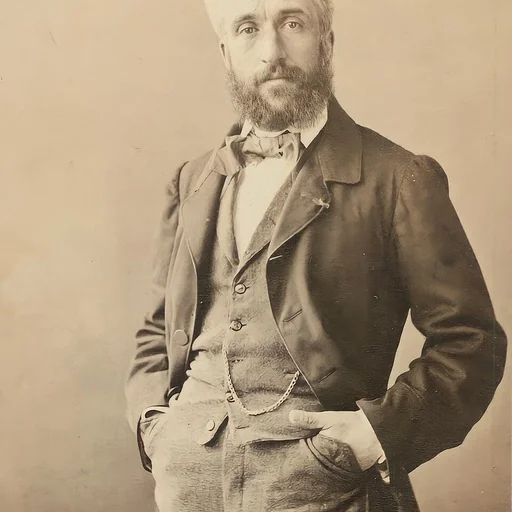
Philippe Francois Rousseau (23 February 1816, Paris – 5 December 1887, Acquigny) was a French painter known primarily for his still life paintings.