Artwork
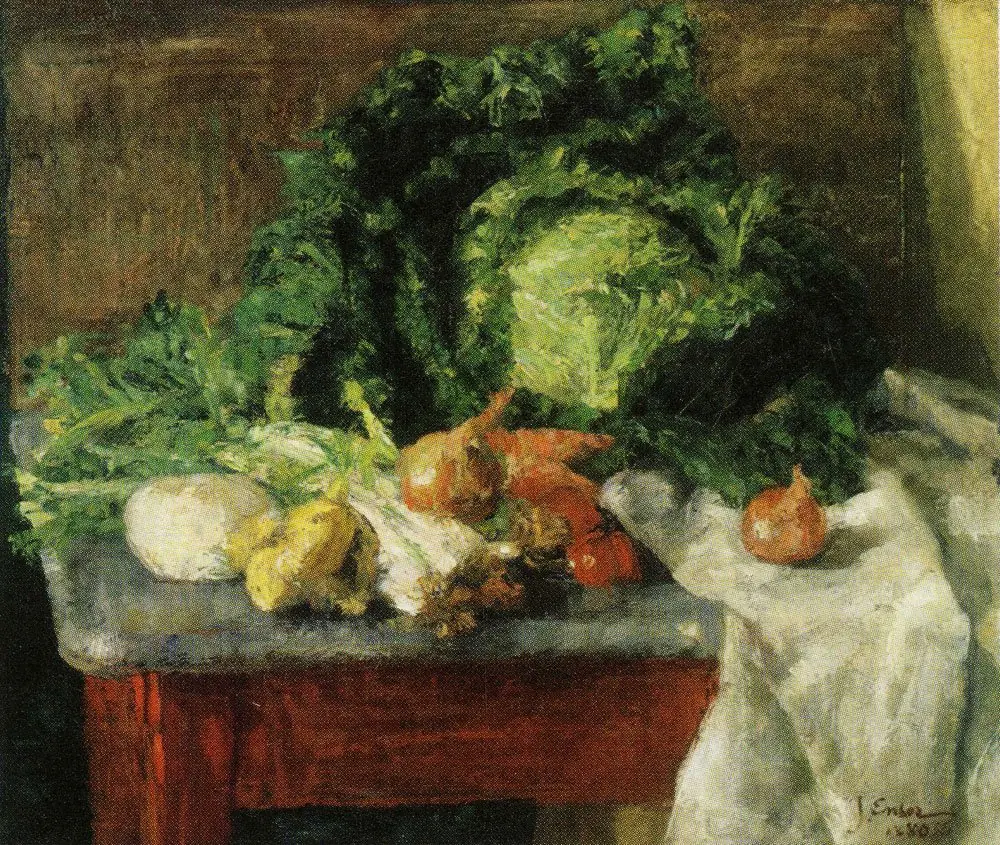
Cabbages on a Table Top
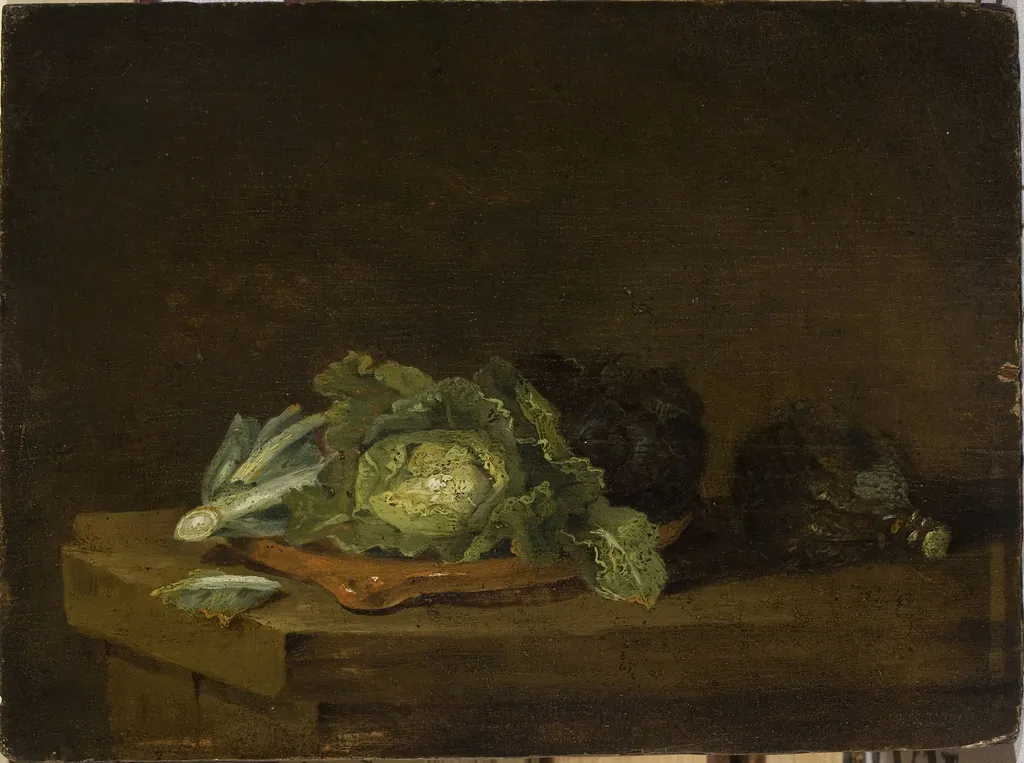
Cabbages on a Table Top is an oil painting by the Dutch Golden Age artist Willem Kalf. It dates from 1666 and is held in the collection of the National Museum in Warsaw.
About this work
Overview
Its quiet composition reflects the artist’s broader interest in material presence and subtle light, even when devoid of luxury.
Painted around 1666 by Willem Kalf, this oil on canvas work presents a restrained still life centered on a single cabbage. Unlike Kalf’s opulent pronkstilleven, this piece embraces modesty, focusing on humble vegetables arranged on a wooden surface. Its quiet composition reflects the artist’s broader interest in material presence and subtle light, even when devoid of luxury. The painting resides today in the National Museum in Warsaw.
Subject & Meaning
The subject—a cabbage, its outer leaves slightly detached, alongside other unidentifiable vegetables—draws attention to the ordinary. In 17th-century Dutch culture, such produce symbolized domestic abundance and the virtue of simplicity. Kalf elevates these everyday items not through symbolism alone, but through careful observation, inviting contemplation of nature’s quiet forms rather than their monetary value.
Technique & Style
Kalf employs soft chiaroscuro to model the cabbage’s rounded form, using gradual tonal shifts rather than sharp contrasts. The muted palette of greens and browns enhances the painting’s subdued atmosphere. Brushwork is precise yet unobtrusive, capturing the waxy sheen of leaves and the rough texture of skin without ornamentation. Light is diffused, creating a calm, intimate space that emphasizes tactility over drama.
History & Provenance
The painting entered the collection of the National Museum in Warsaw in the 20th century, though its earlier ownership remains undocumented. It was likely acquired during a period of increased interest in Dutch Golden Age works by European institutions. Unlike Kalf’s more celebrated pieces, this painting received little public attention until modern scholarship began reevaluating his range beyond lavish still lifes.
Context
In mid-17th-century Holland, still-life painting flourished as a genre reflecting societal values: order, observation, and the appreciation of the natural world. While many artists depicted wealth and exotic goods, Kalf occasionally turned to simpler subjects, possibly responding to a broader cultural preference for restraint. This work aligns with a quieter current in Dutch art that valued humility and close attention to the commonplace.
Legacy
Though less known than Kalf’s pronkstilleven, this painting contributes to understanding his artistic versatility. It demonstrates how even minimal compositions could convey technical mastery and emotional resonance. Later scholars have cited it as evidence that Kalf’s genius lay not only in opulence but in his ability to find dignity in the unadorned, influencing later realist traditions in still-life painting.
Own this work as a print
Artist & collection
Artist
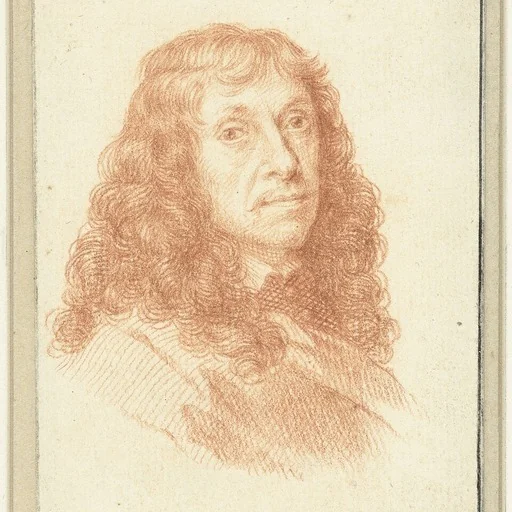
Willem Kalf (1619 – 31 July 1693) was one of the most prominent Dutch still-life painters of the 17th century, the Dutch Golden Age.

 Køkkenurter
 Asetelma
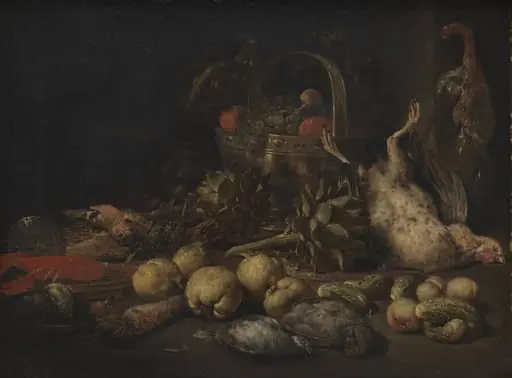 Still Life with Fruit and Birds
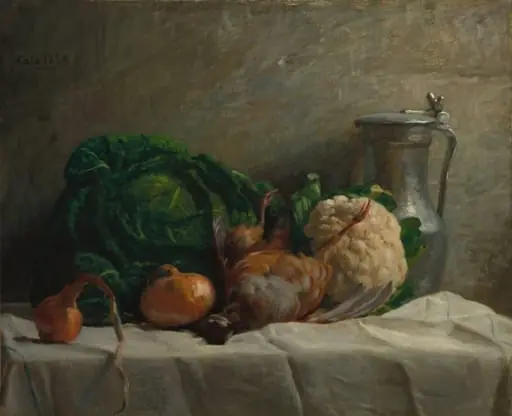 Still Life with Vegetables, Partridge, and a Jug
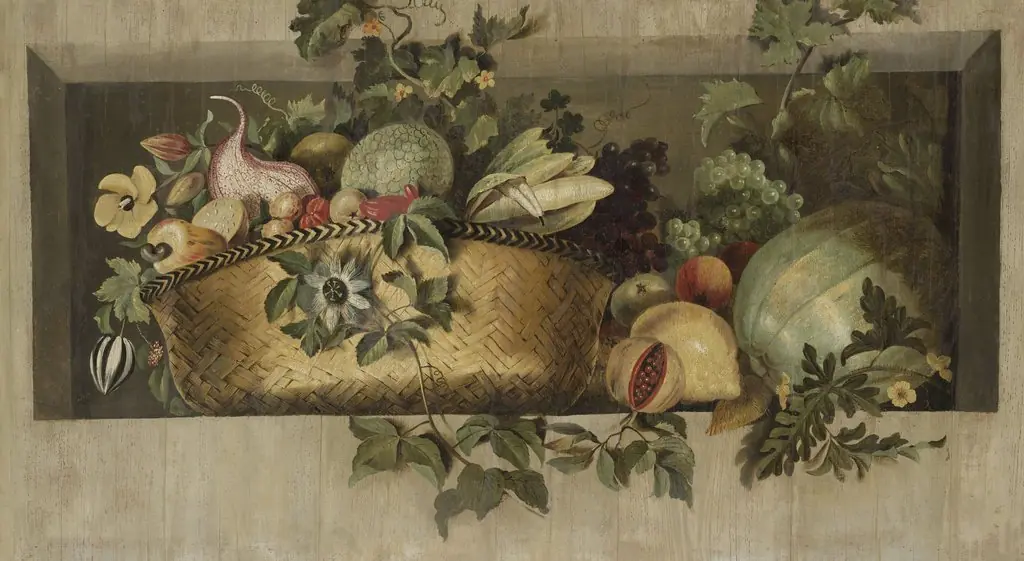 Still Life with Fruit and Flower Garlands
 Früchtestilleben
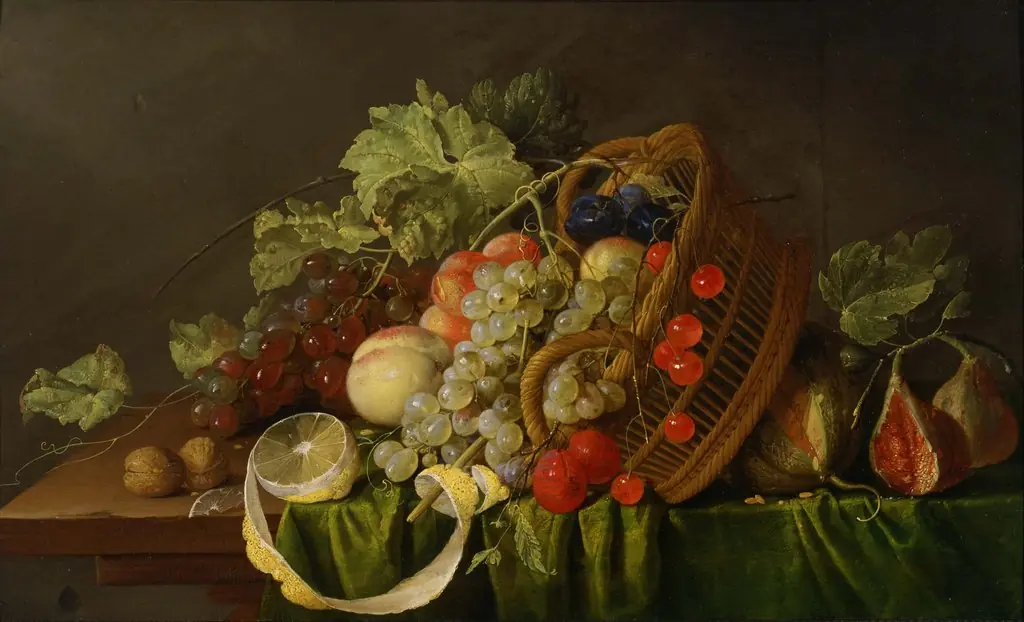 Still Life with a Basket of Fruit
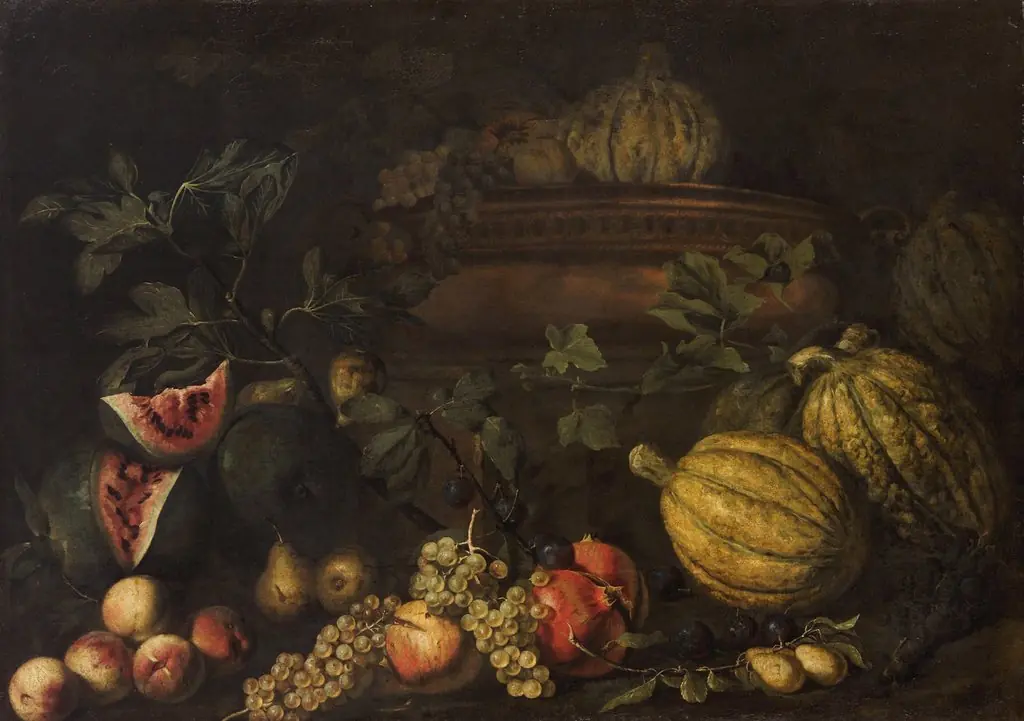 Früchtestilleben
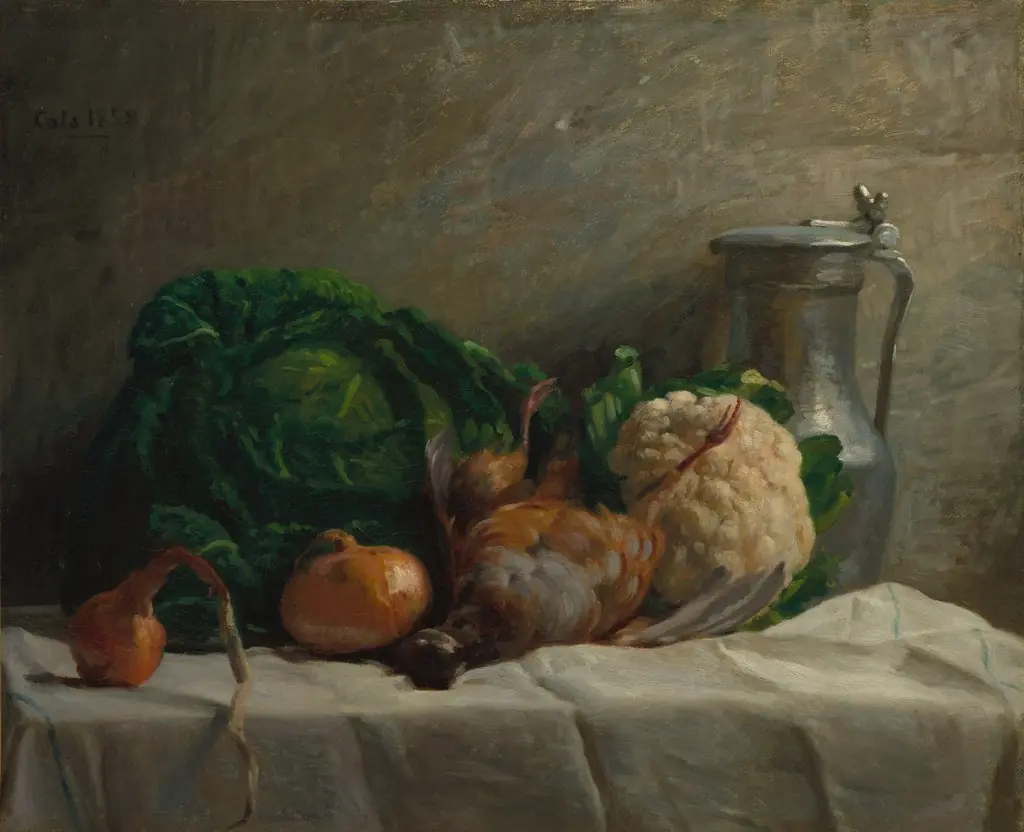 Still Life with Vegetables, Partridge, and a Jug
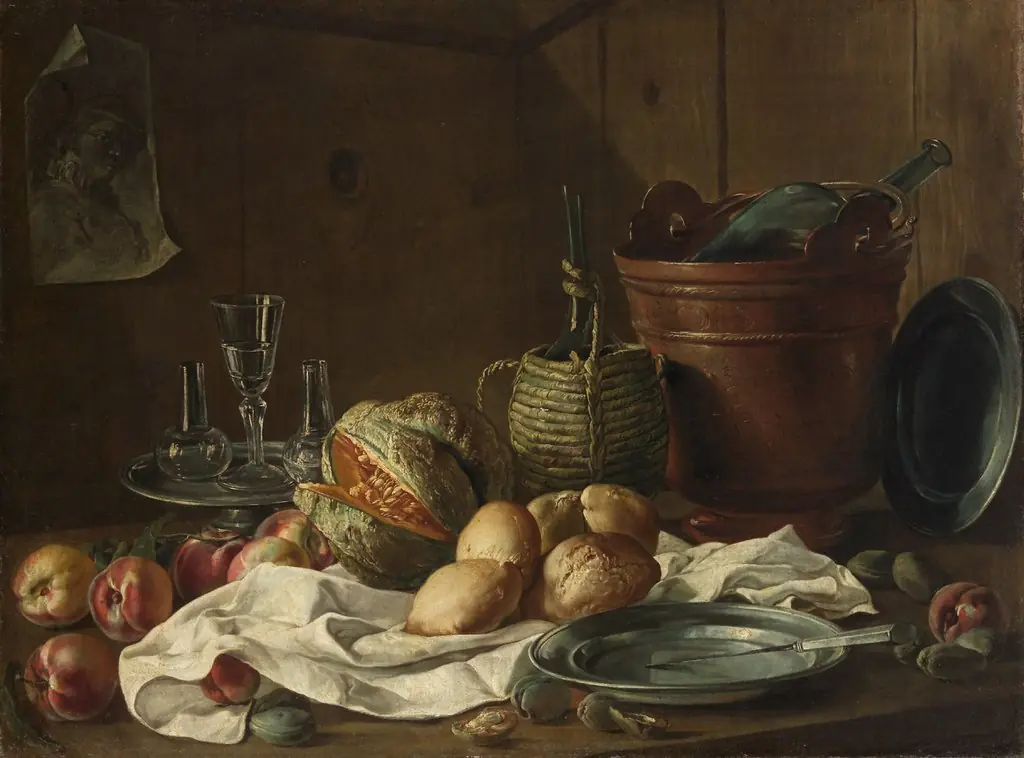
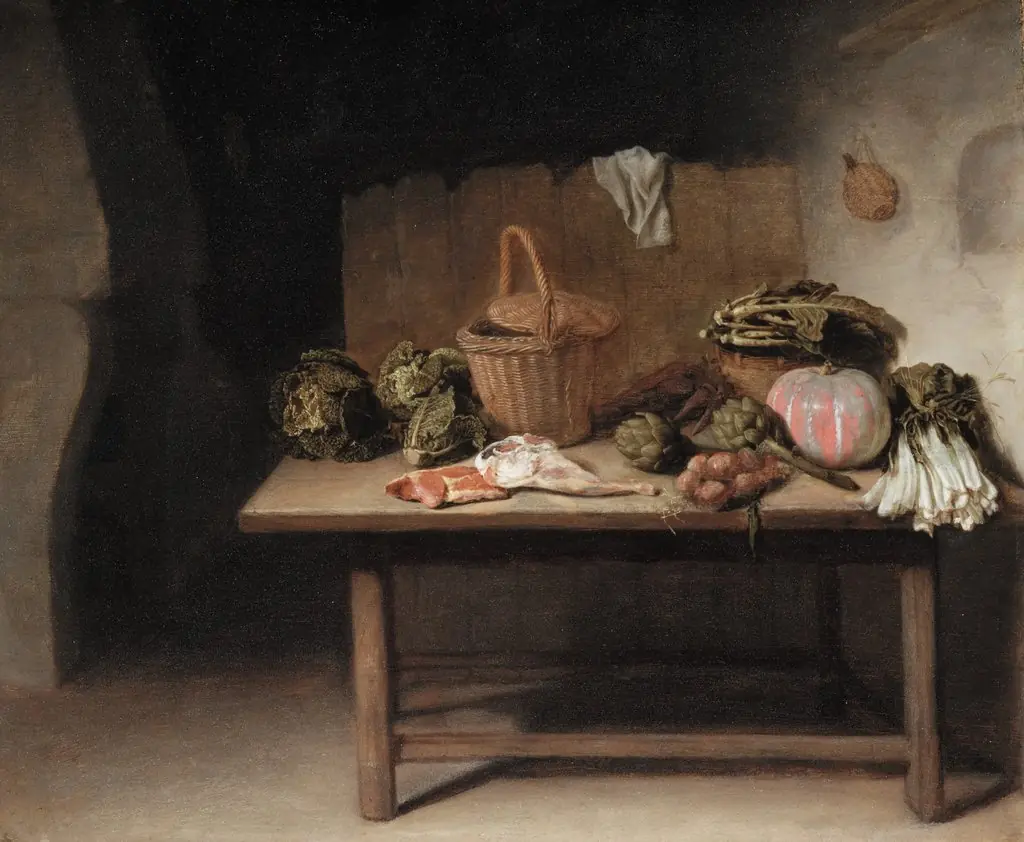 Interior with a Still Life on a Work Table
 Bodegón de frutas y verduras
 The cabbage