Artwork
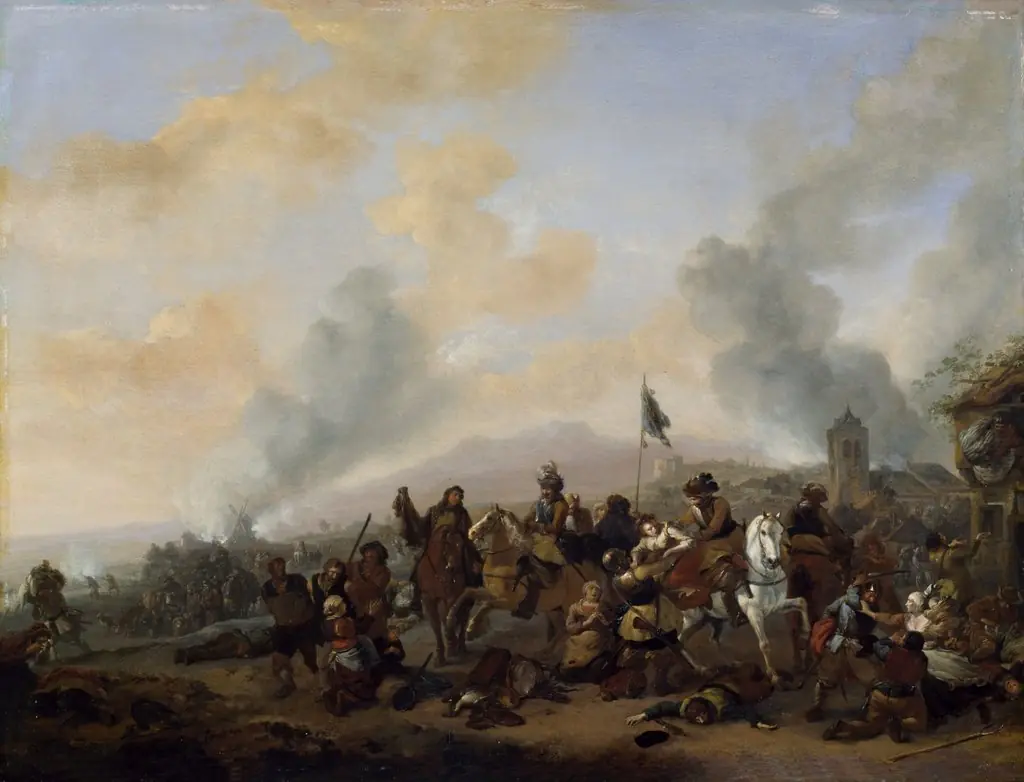
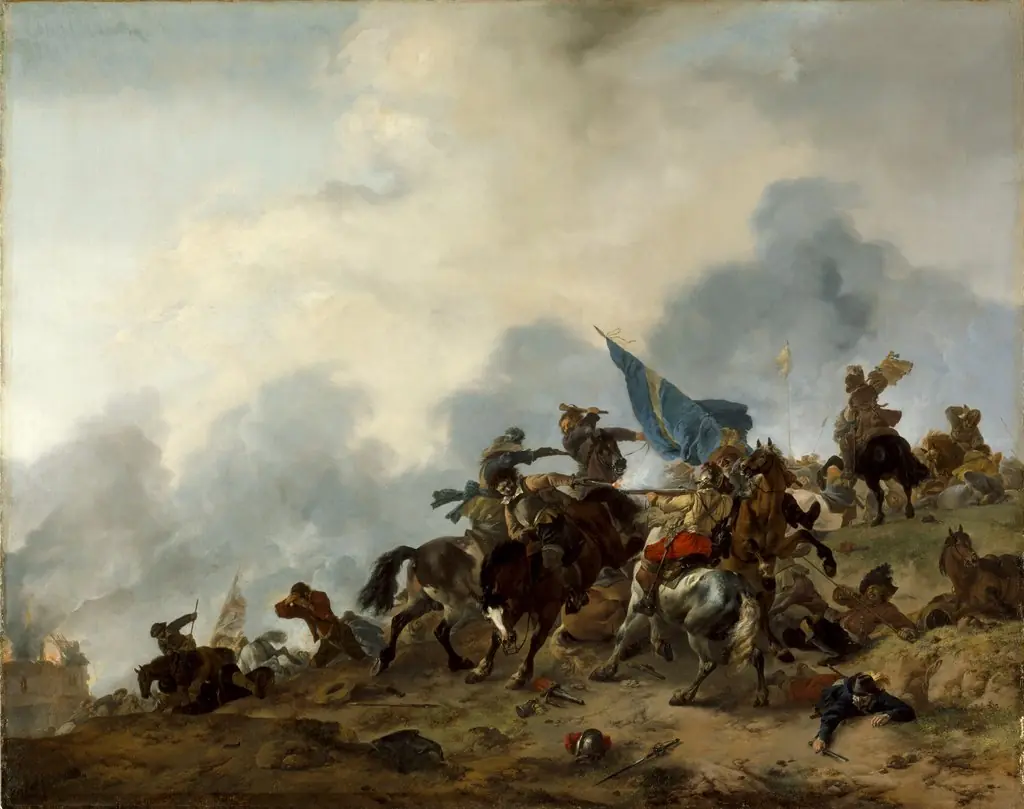
Cavalry in front of a Burning mill
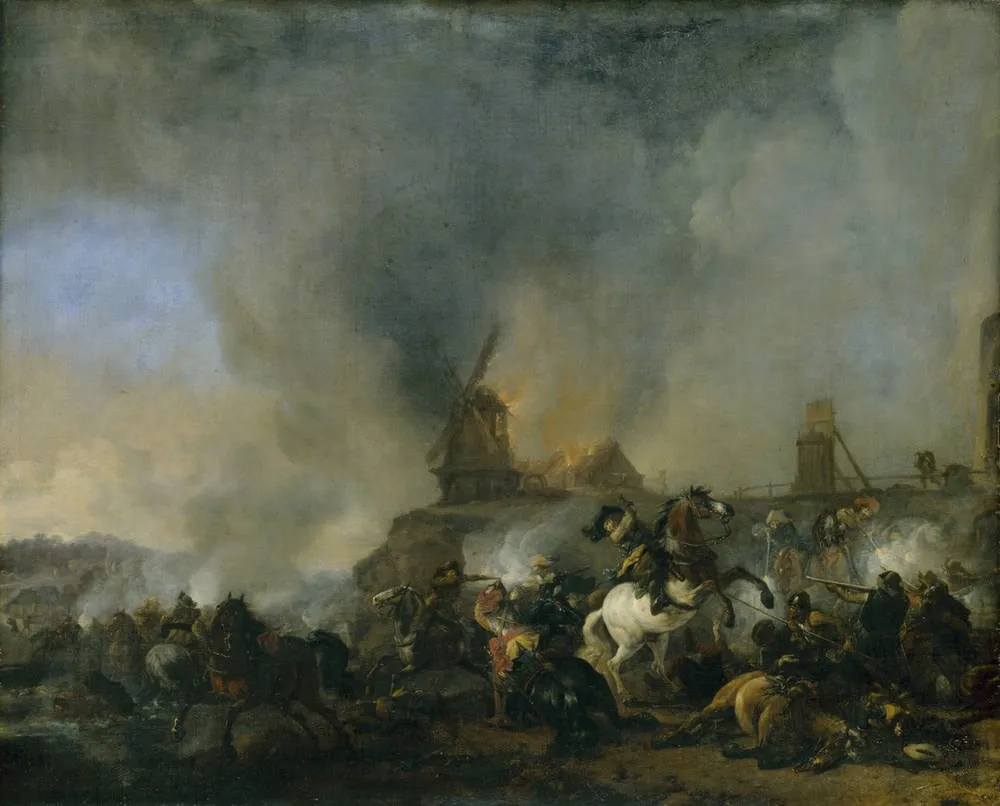
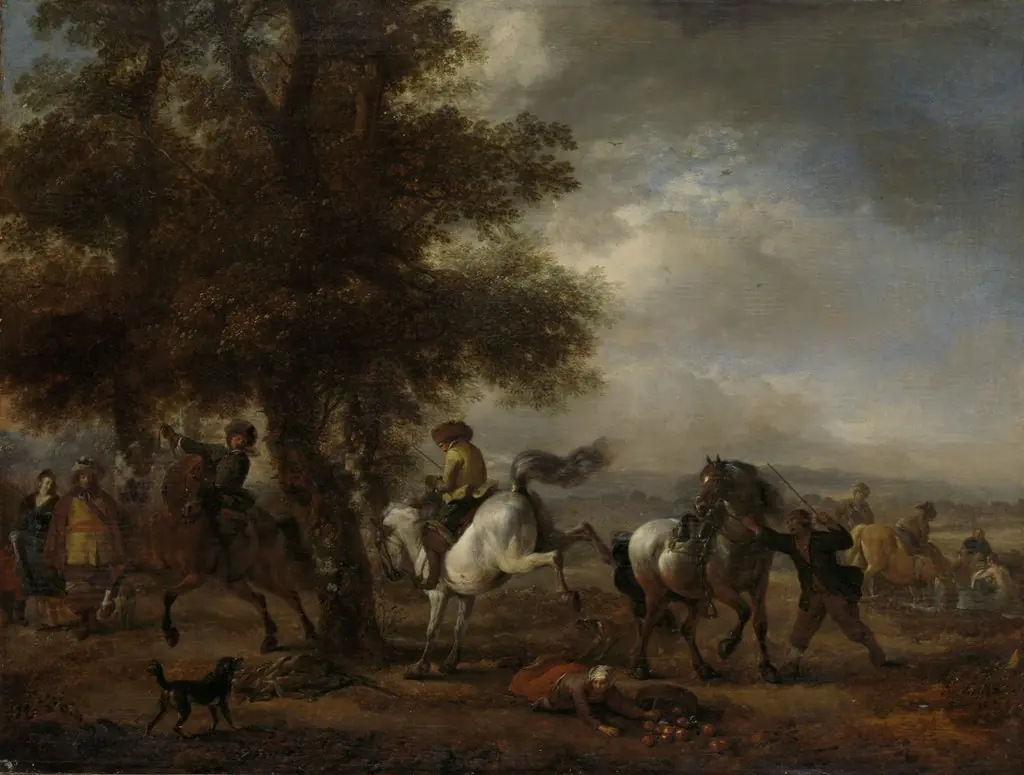
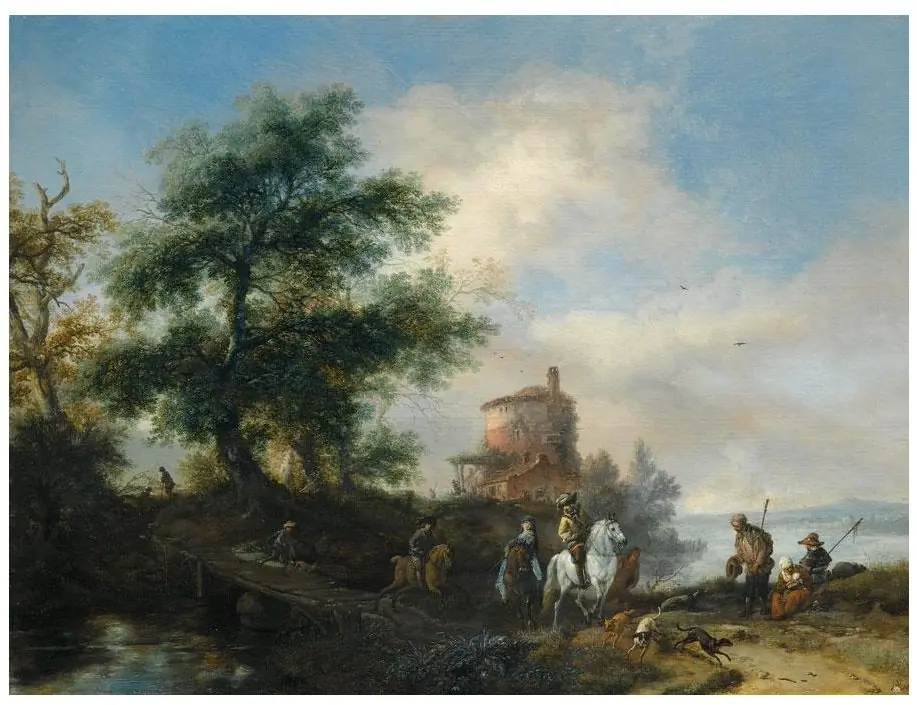
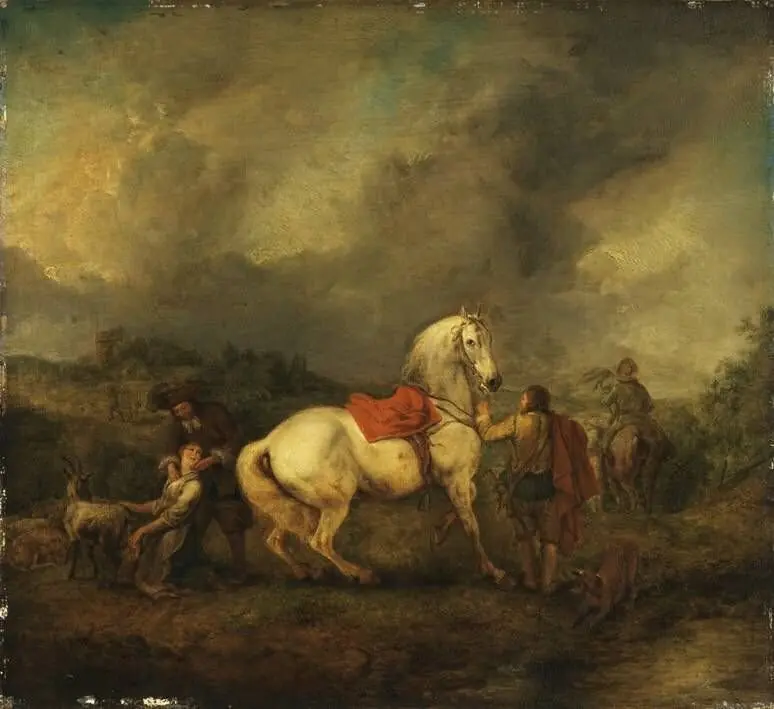
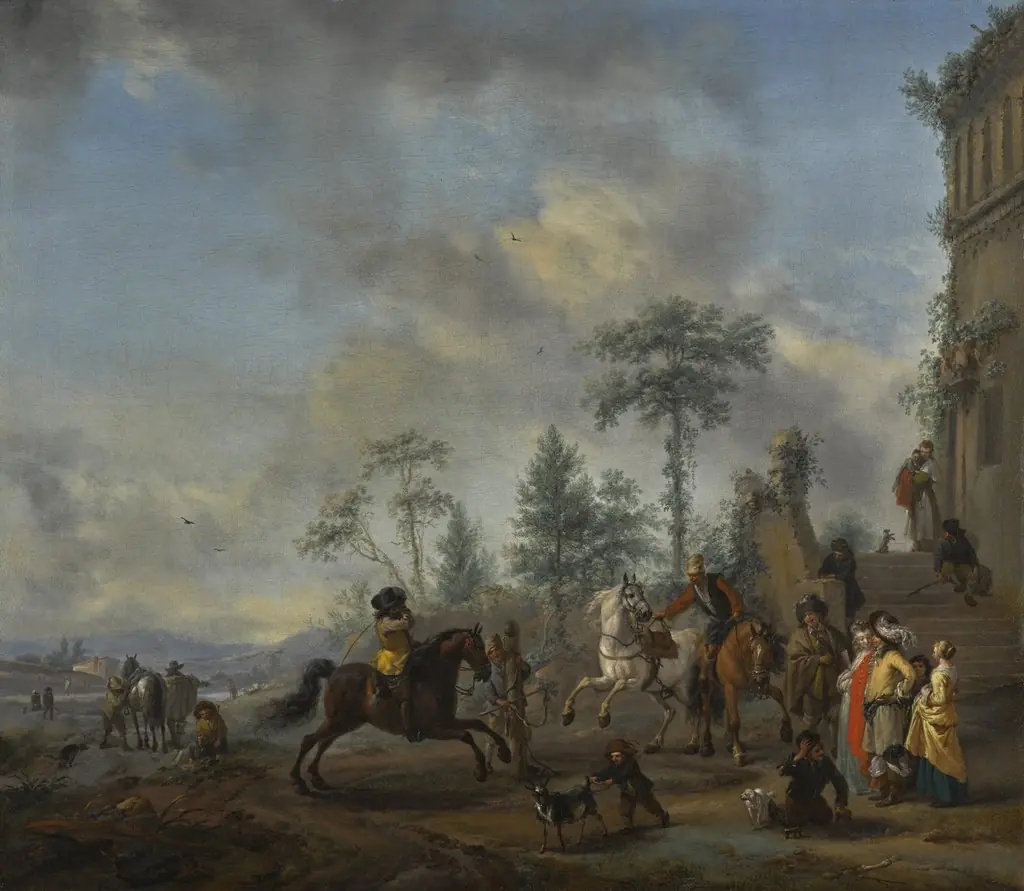
Cavalry in front of a Burning mill is an oil painting by the Dutch Golden Age artist Philips Wouwerman. It dates from 1660 and is held in the collection of the Staatliche Kunstsammlungen Dresden.
About this work
Overview
The work is part of the Gemäldegalerie Alte Meister’s collection in Dresden, reflecting its enduring presence in European art institutions.
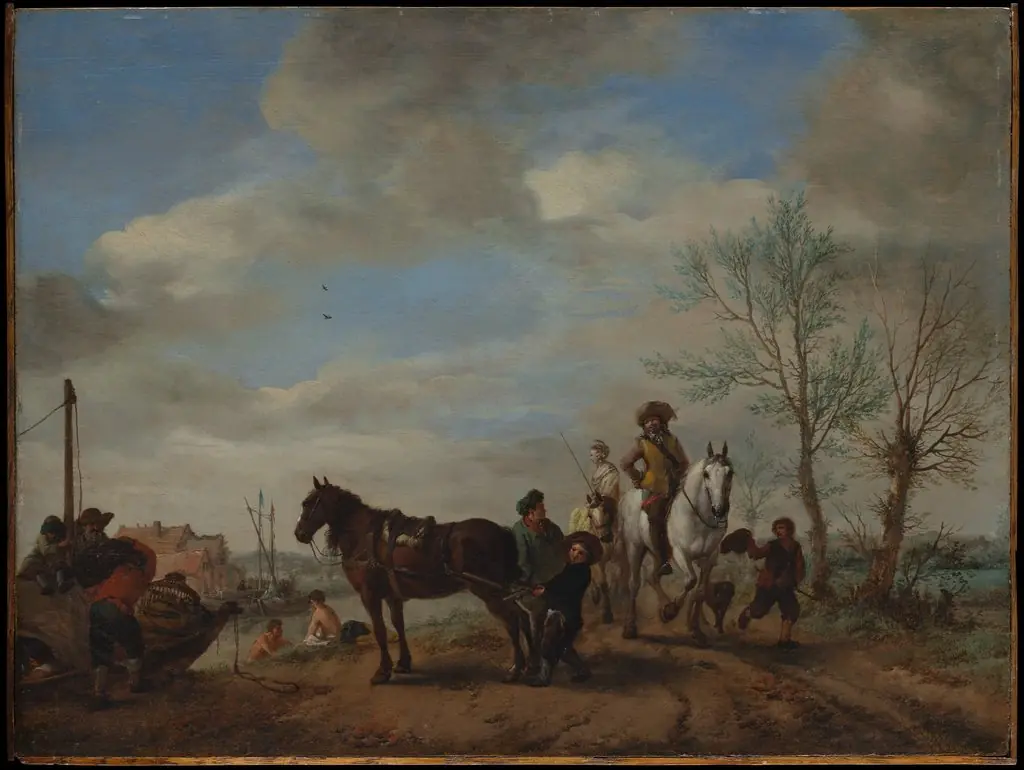
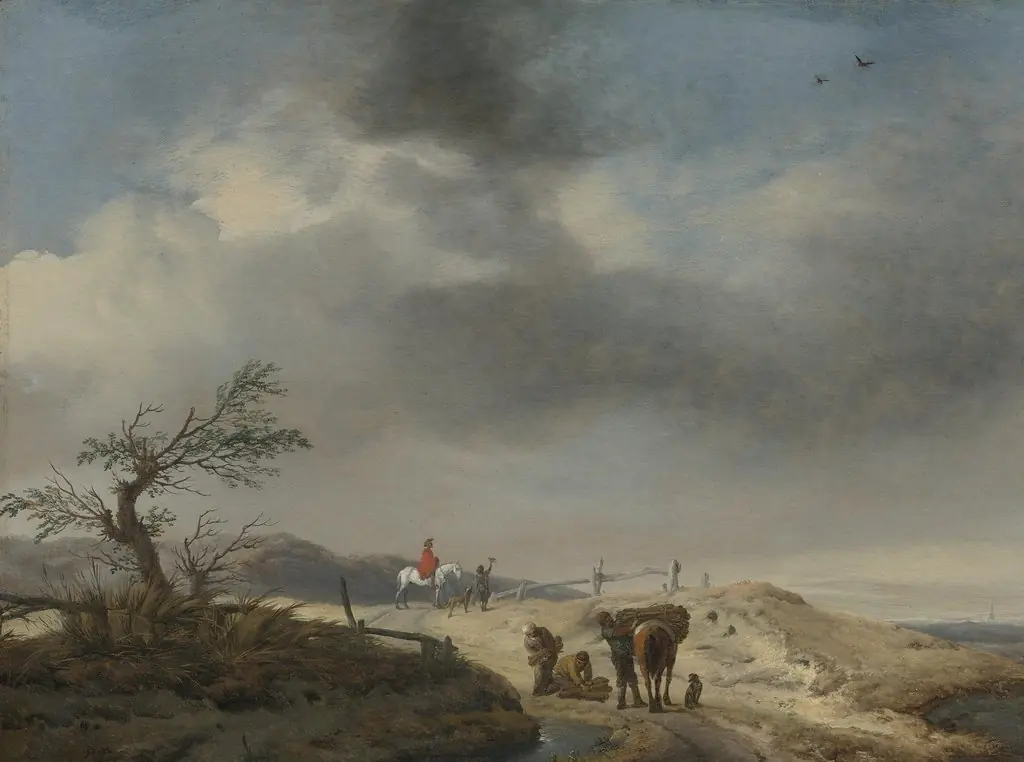
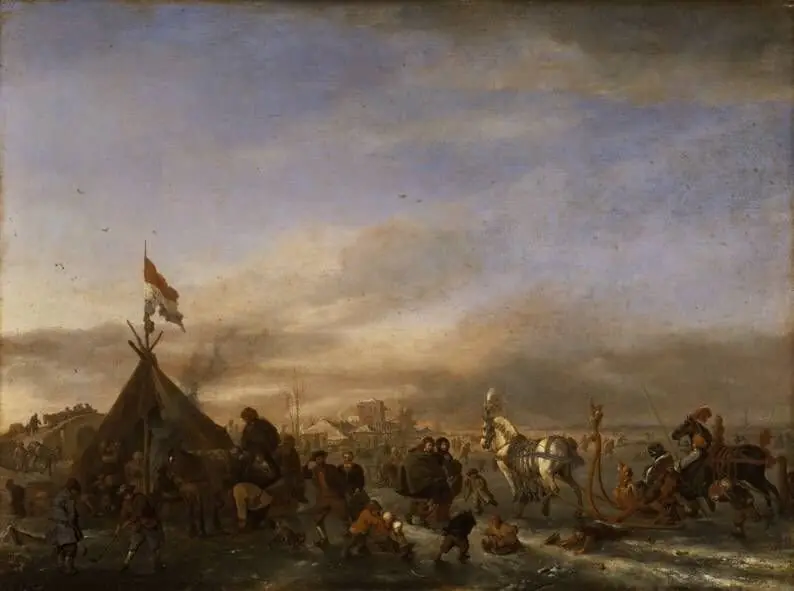
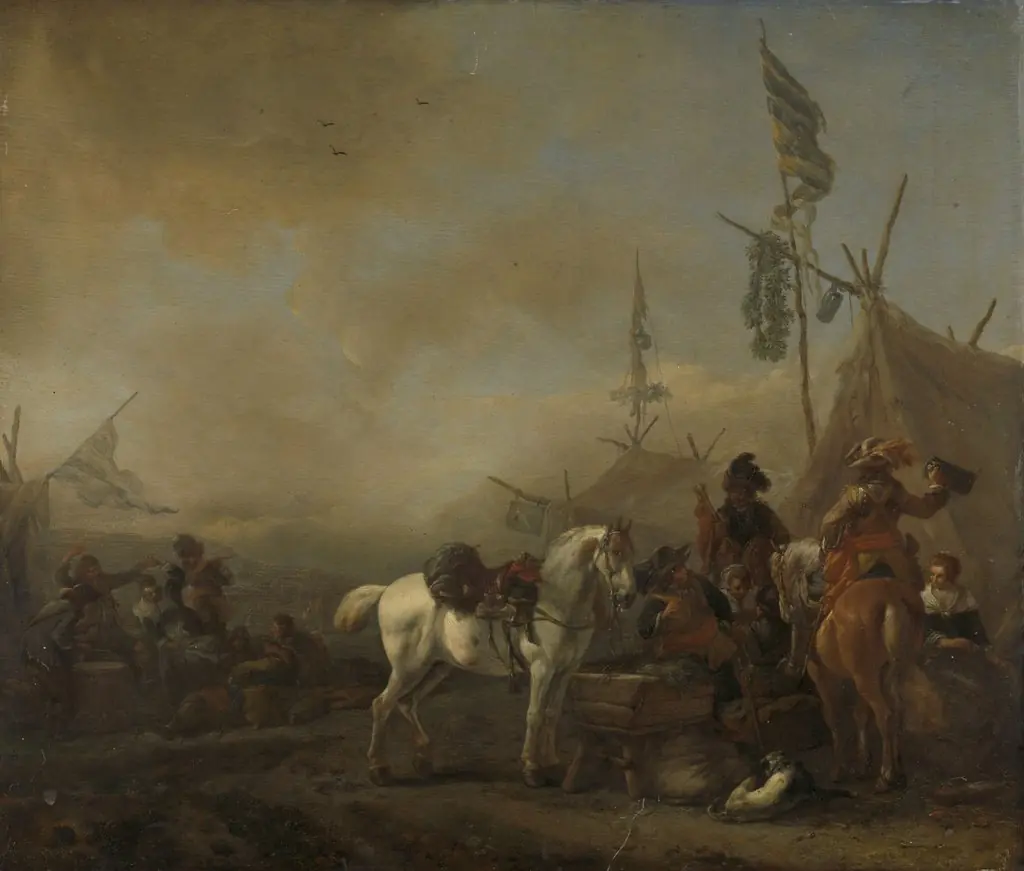
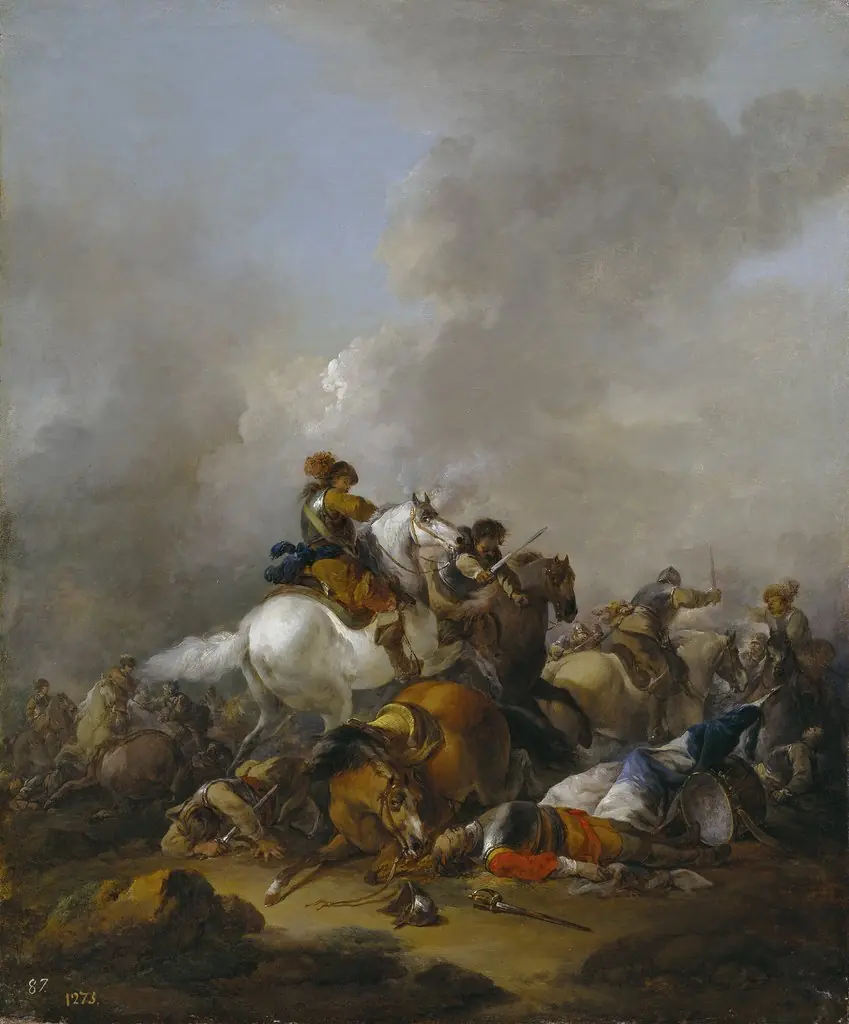
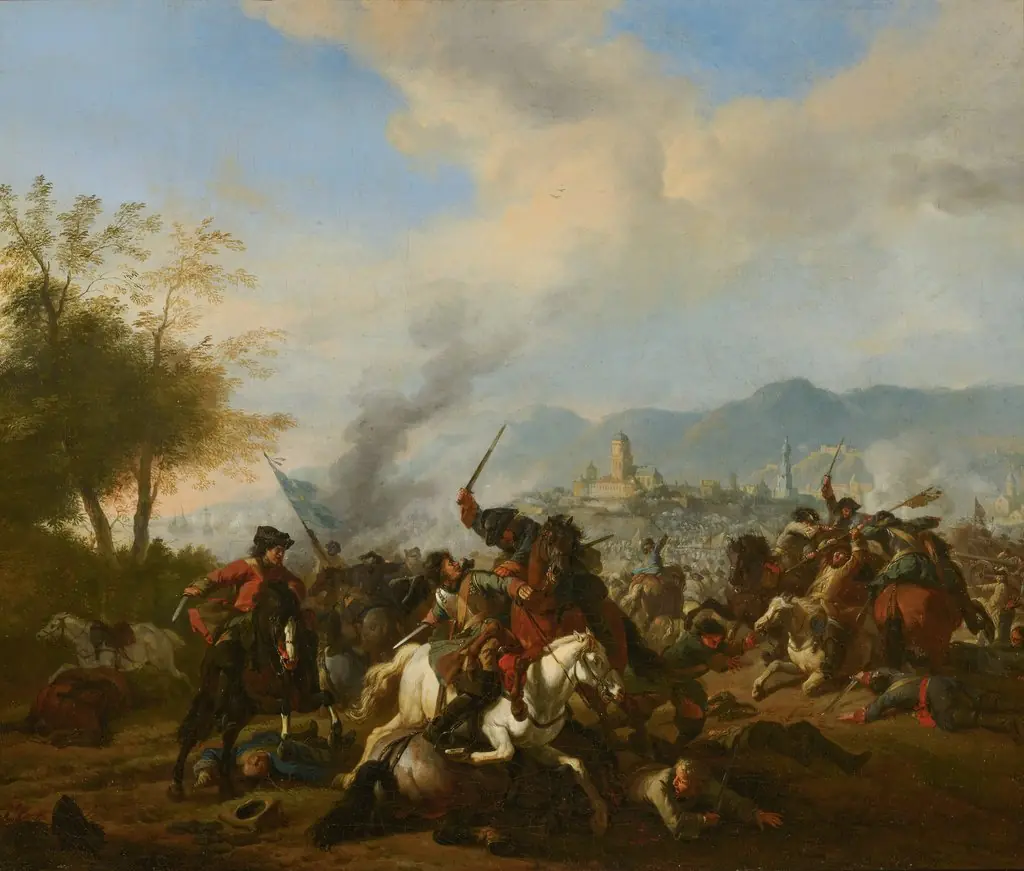
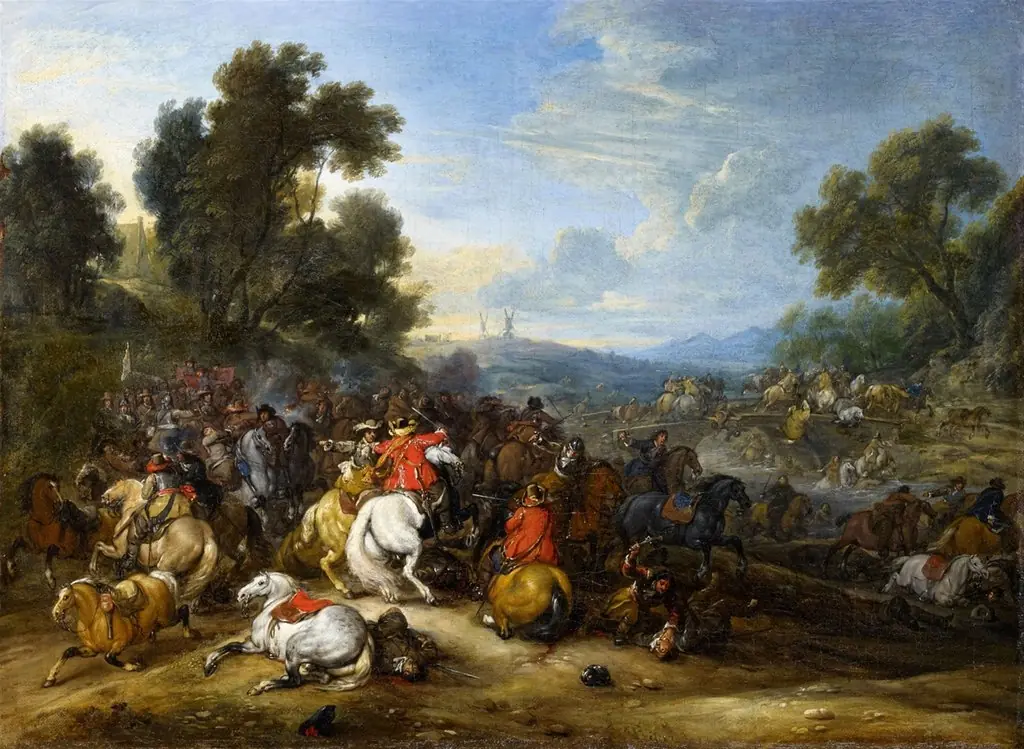
Painted in 1660 by Philips Wouwerman, this oil on canvas depicts a cavalry engagement near a burning windmill. Wouwerman, a Dutch artist active in the mid-seventeenth century, specialized in equestrian and military scenes. The work is part of the Gemäldegalerie Alte Meister’s collection in Dresden, reflecting its enduring presence in European art institutions. Its composition captures motion and disorder, typical of Wouwerman’s approach to dynamic subjects.
Subject & Meaning
The painting shows mounted soldiers in disarray before a blazing mill, suggesting a moment of conflict rather than organized battle. The burning structure, a common symbol of disruption in Dutch art, implies destruction of civilian life amid war. Figures are scattered, horses rear unpredictably, and no clear victor emerges. The scene avoids glorification, instead emphasizing chaos and the unpredictability of violence.
Technique & Style
Wouwerman employed thick, textured brushwork to convey the movement of horses and the turbulence of smoke. Dark, earthy tones dominate, with patches of light illuminating figures and flames to guide the viewer’s eye. The impasto technique adds physical depth to the horses’ muscles and the billowing smoke. His handling of light and shadow heightens drama without sentimentality, grounding the scene in observable reality.
History & Provenance
Created during Wouwerman’s mature period, the painting entered the Dresden collection in the eighteenth century, likely through royal acquisitions. It remained within the Saxon royal holdings before becoming part of the public Gemäldegalerie Alte Meister. Its continuous institutional custody suggests early recognition of its technical skill, even if its subject matter was not considered grand historical narrative.
Context
Painted during the later years of the Dutch Golden Age, the work reflects a broader European interest in military scenes amid ongoing conflicts like the Franco-Dutch War. While Dutch art often favored quiet domesticity, artists like Wouwerman catered to collectors fascinated by action and horsemanship. The burning mill may reference real wartime destruction, common in the Low Countries during this turbulent era.
Legacy
Wouwerman’s influence extended to later genre and battle painters across Europe. His ability to render movement and atmosphere with restrained color and vigorous brushwork set a standard for equestrian scenes. Though not widely celebrated today, his works remain studied for their nuanced depiction of chaos and their role in expanding the boundaries of Dutch genre painting beyond serene landscapes.
Artist & collection
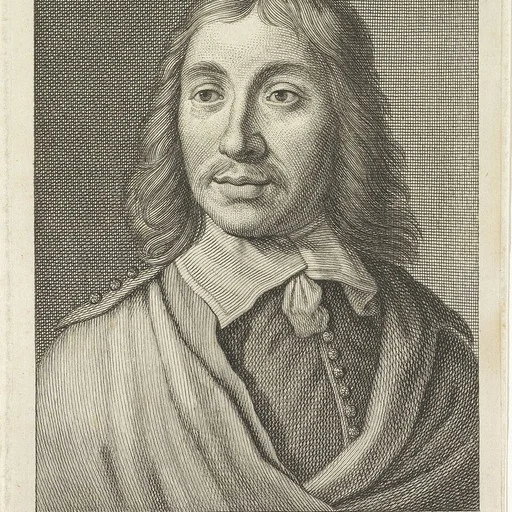
Artist
Philips Wouwerman (also Wouwermans) (24 May 1619 (baptized) – 19 May 1668) was a Dutch painter of hunting, landscape and battle scenes. He became prolific during the Dutch Golden Age and joined the Haarlem Guild of St. Luke.