Artwork
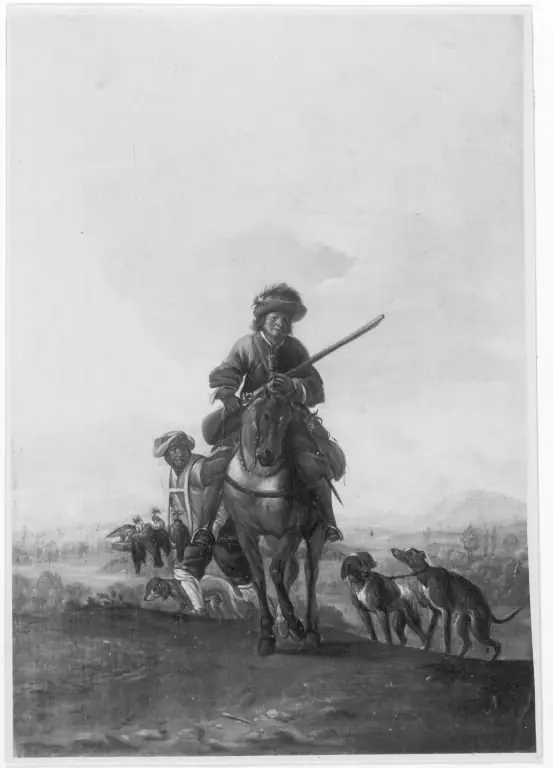
Falkenier zu Pferde (Kopie nach)
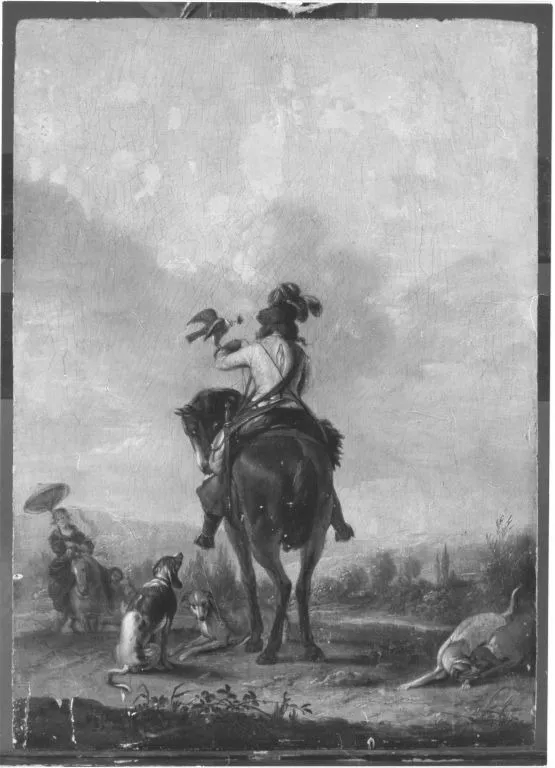
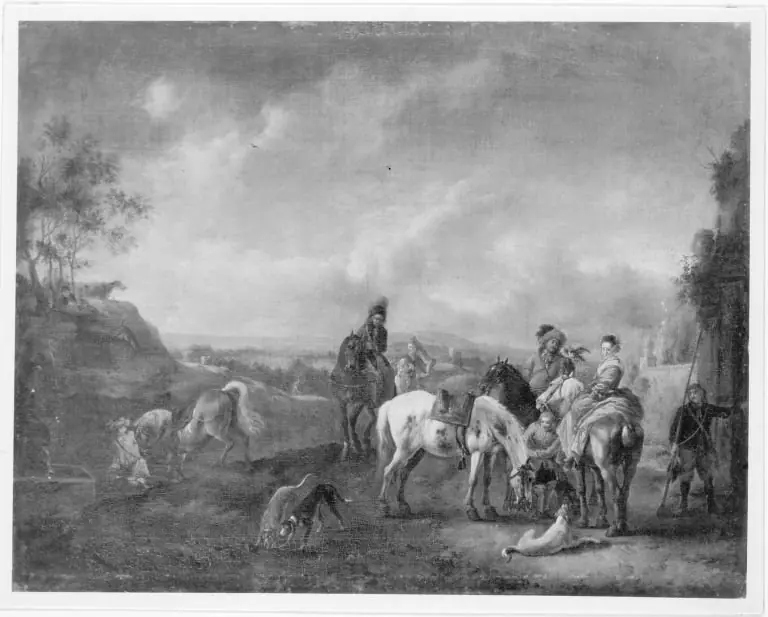
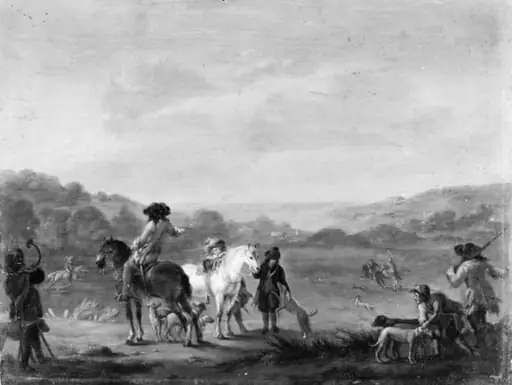
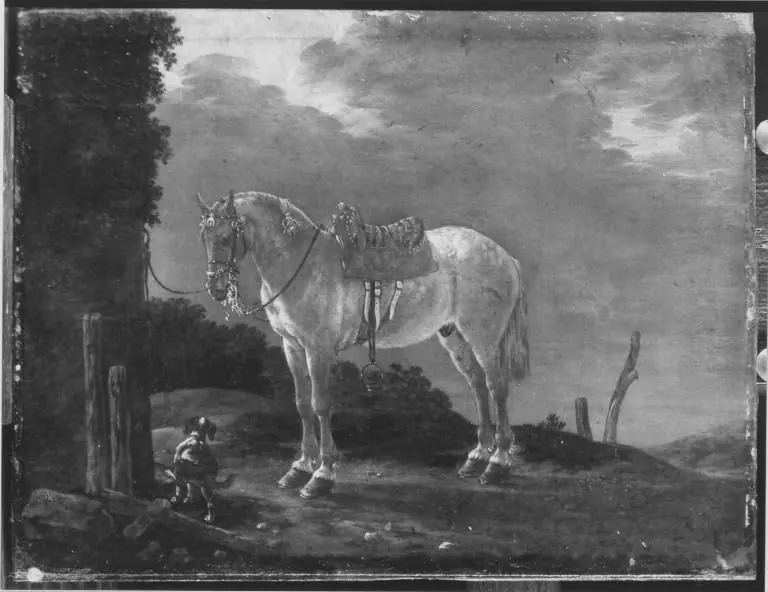
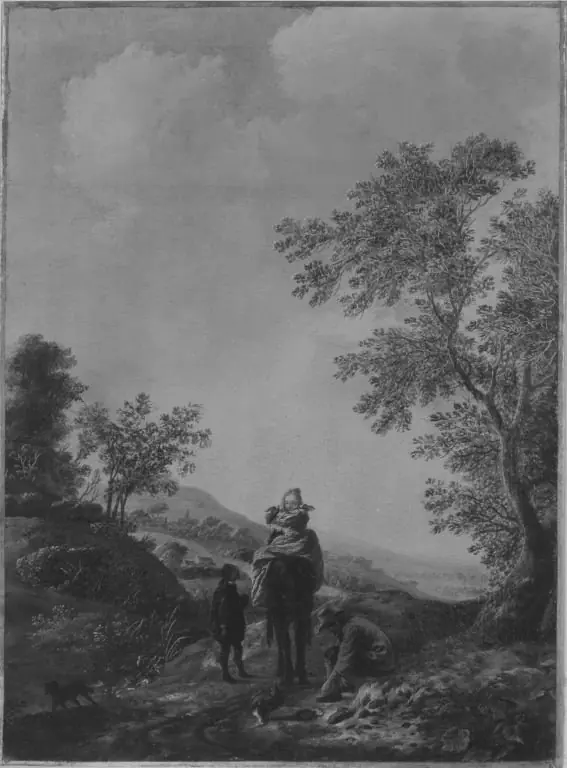
Falkenier zu Pferde (Kopie nach) is an unspecified painting by the Dutch Golden Age artist Philips Wouwerman. It dates from 1643 and is held in the collection of the Bavarian State Painting Collections.
About this work
Overview
Created around 1643, it belongs to a body of work centered on equestrian and hunting scenes, typical of Wouwerman’s output.
This painting is a copy after a work by Philips Wouwerman, a Dutch artist active in the mid-17th century. Created around 1643, it belongs to a body of work centered on equestrian and hunting scenes, typical of Wouwerman’s output. The original was likely painted during his time in Haarlem, where he was a member of the Guild of St. Luke. The copy now resides in the Alte Pinakothek, preserving the composition and mood of the artist’s earlier vision.
Subject & Meaning
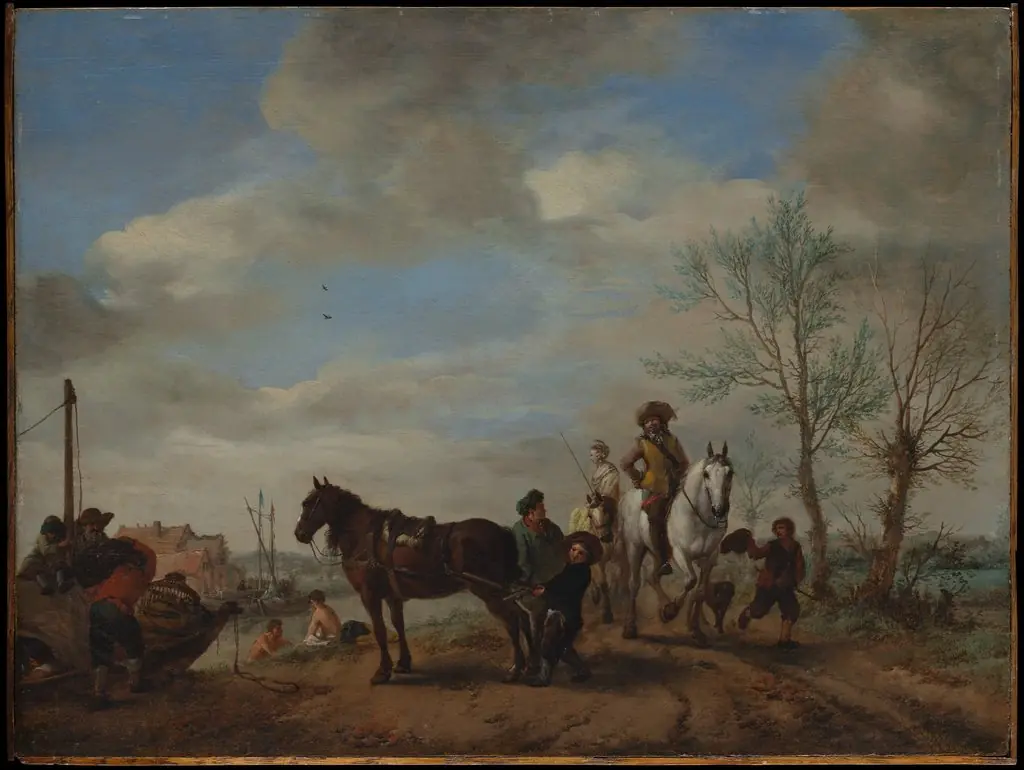
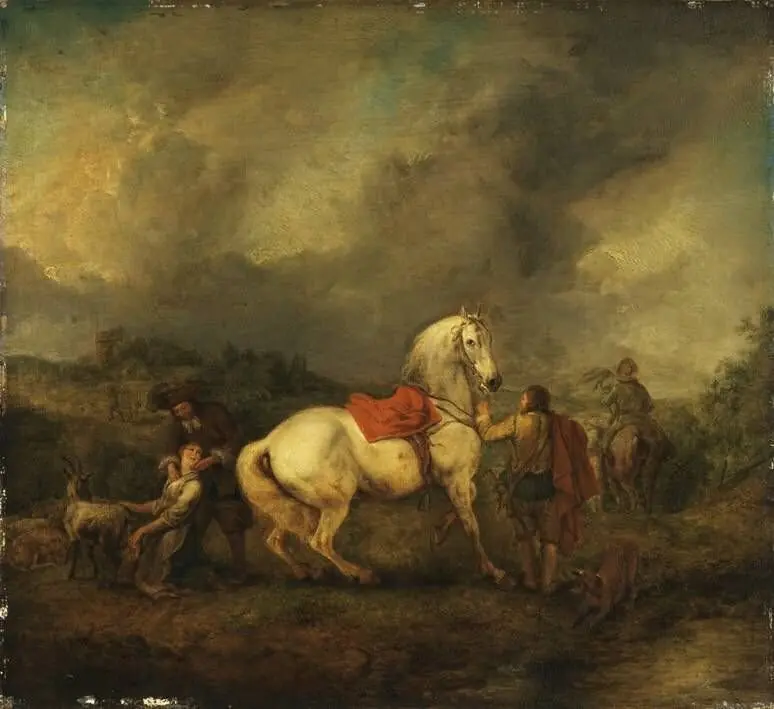
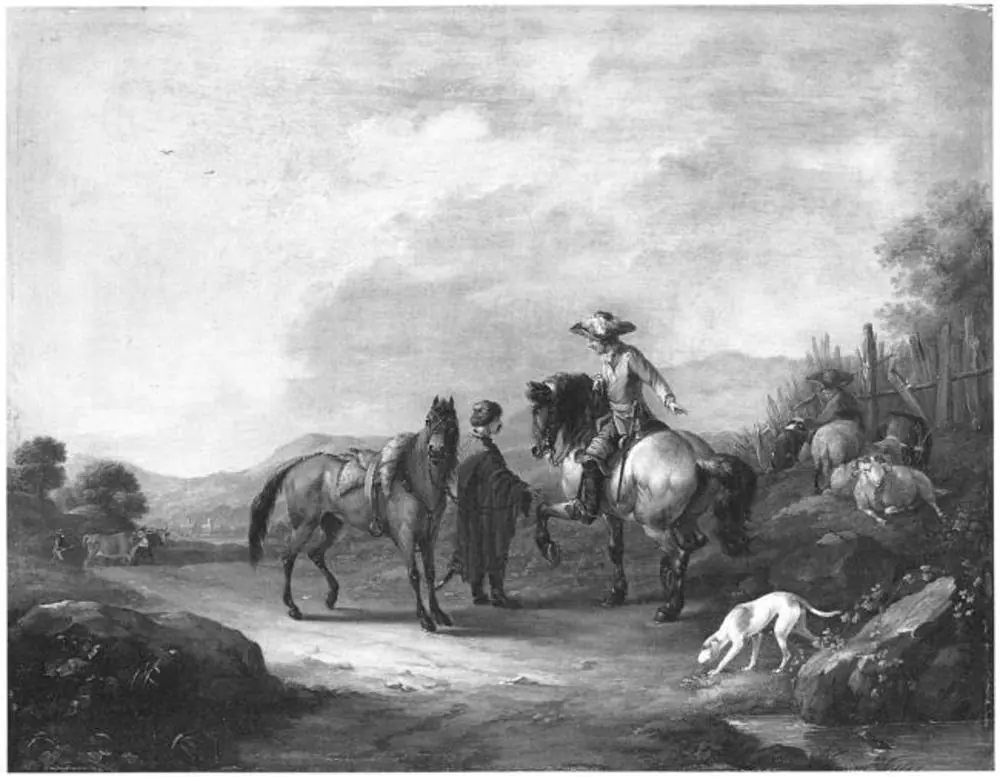
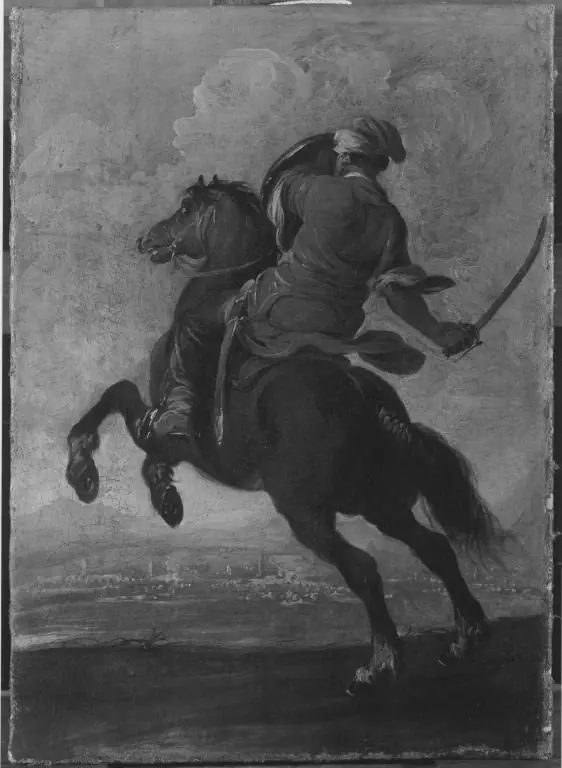
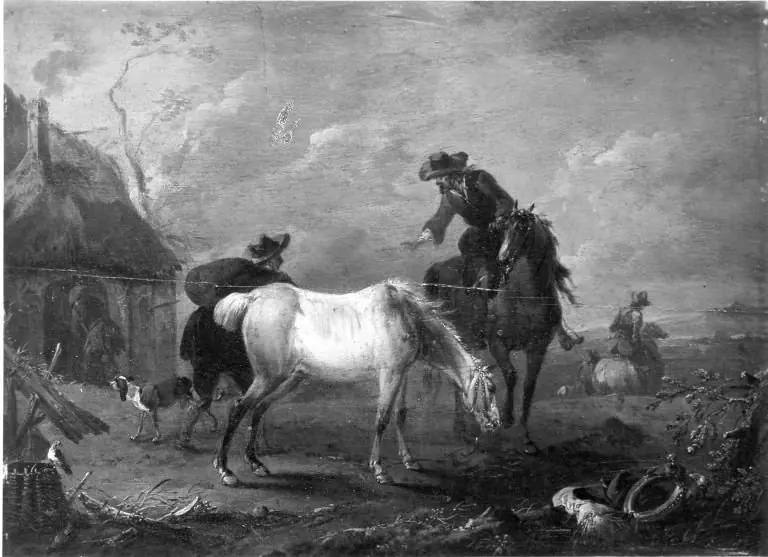
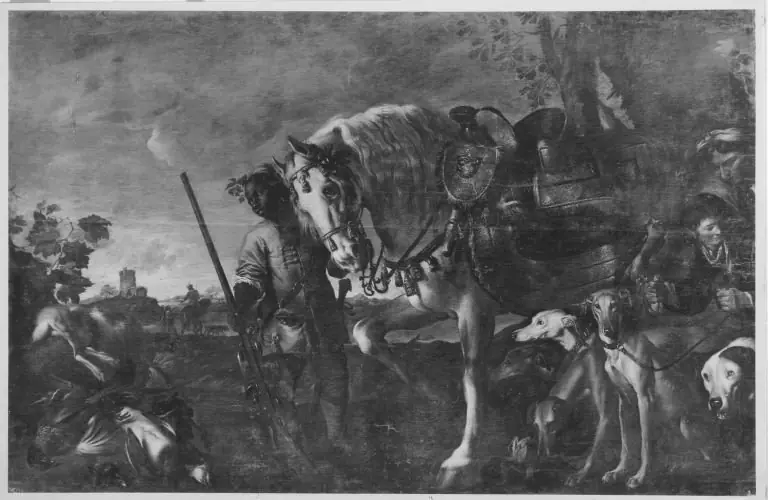
The scene portrays a solitary rider on horseback, turned away from the viewer, holding a leafy branch. Two dogs rest nearby, one seated, the other reclining, suggesting a pause in a hunt. The figure’s attire—white shirt, dark hat, and sash—hints at aristocratic or noble status. The quiet, contemplative tone implies not action but reflection, aligning with Dutch Golden Age interests in dignified leisure and the natural world as a backdrop to human presence.
Technique & Style
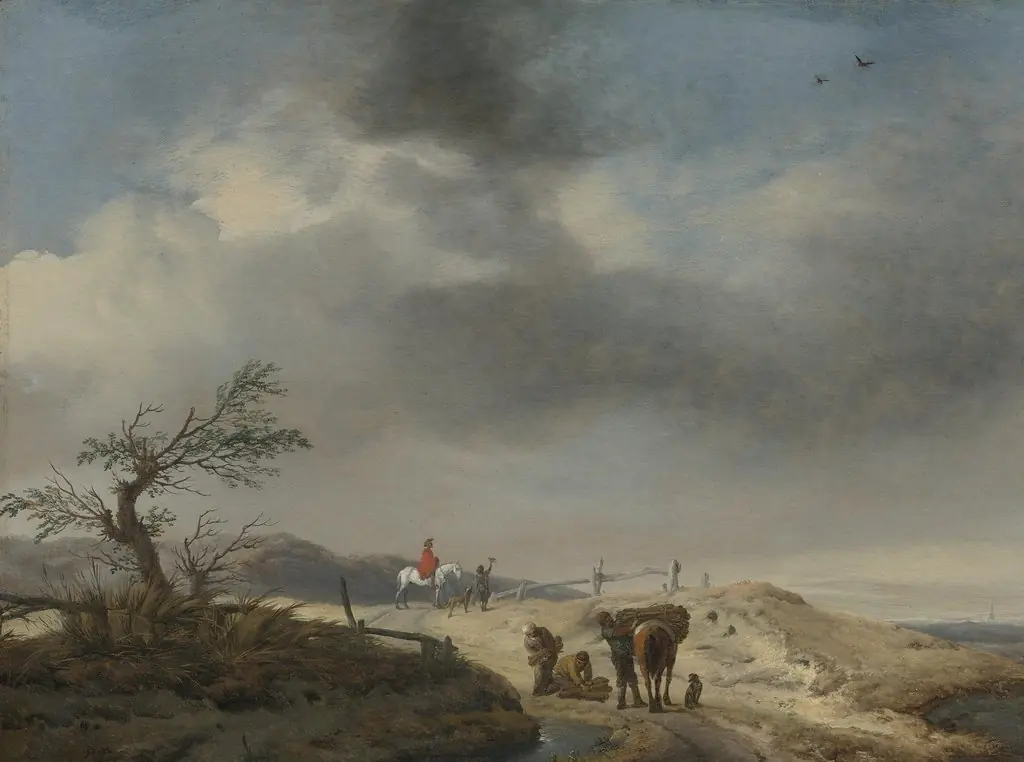
The painting employs chiaroscuro to model form and create spatial depth, particularly in the rendering of the horse’s coat and the rider’s garments. Details in the landscape—trees, rolling hills, and soft clouds—are rendered with careful observation, typical of Dutch naturalism. Brushwork is controlled yet expressive, balancing precision in texture with atmospheric looseness in the background, guiding focus toward the central figure without overt dramatization.
History & Provenance
The original painting by Wouwerman was completed in 1643, during the height of his career. This version is a later copy, likely made in the 17th or early 18th century, preserving the composition while reflecting the tastes of collectors who valued Wouwerman’s equestrian themes. It entered the Alte Pinakothek’s collection through established European art acquisitions, where it remains as part of a broader survey of Dutch painting from the period.
Context
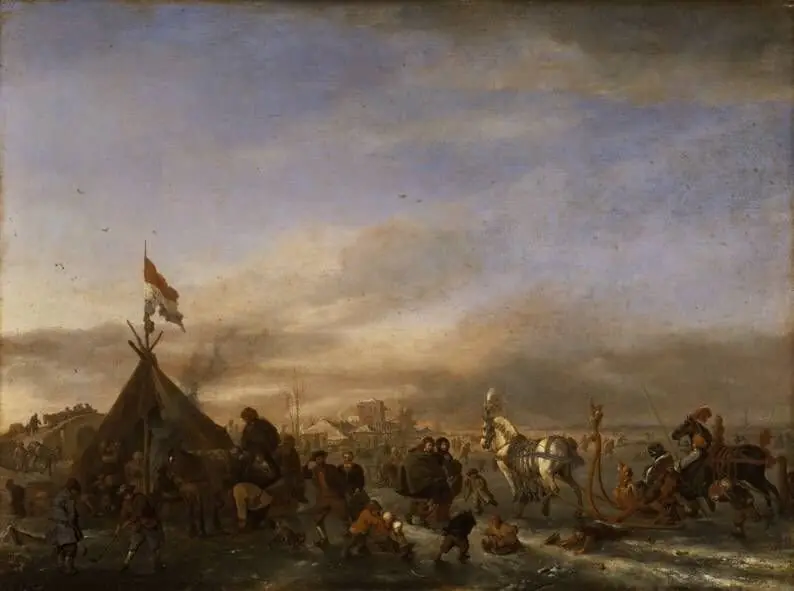
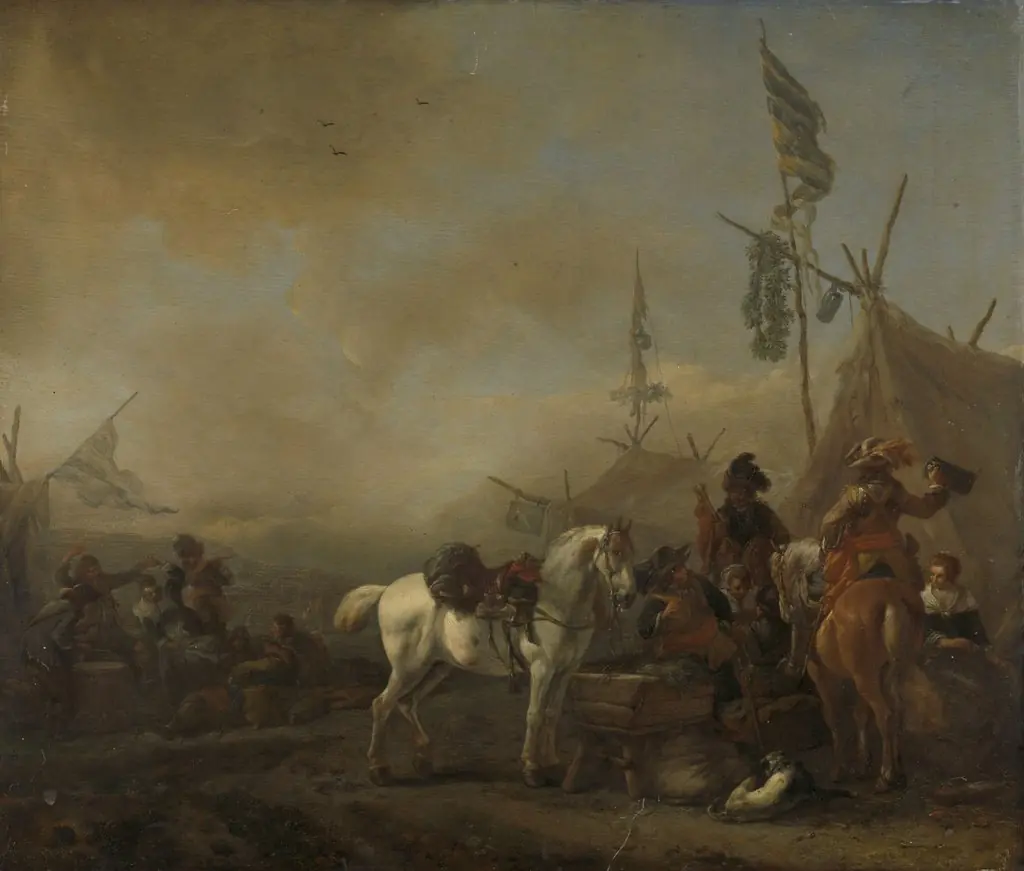
In 17th-century Holland, hunting scenes were popular among urban elites who associated them with nobility, even if they rarely hunted themselves. Wouwerman’s works catered to this fascination, blending realism with idealized rural life. His paintings often appeared alongside landscapes and battle scenes, reflecting a broader cultural interest in movement, animals, and controlled nature—subjects that distinguished Dutch art from the religious or mythological focus elsewhere in Europe.
Legacy
Wouwerman’s influence extended through generations of Dutch and Flemish painters who adopted his compositional strategies and attention to animal anatomy. Copies like this one indicate the enduring appeal of his imagery beyond his lifetime. While not revolutionary, his work helped codify a visual language of equestrian calm that remained relevant in European collections well into the 18th century.
Artist & collection
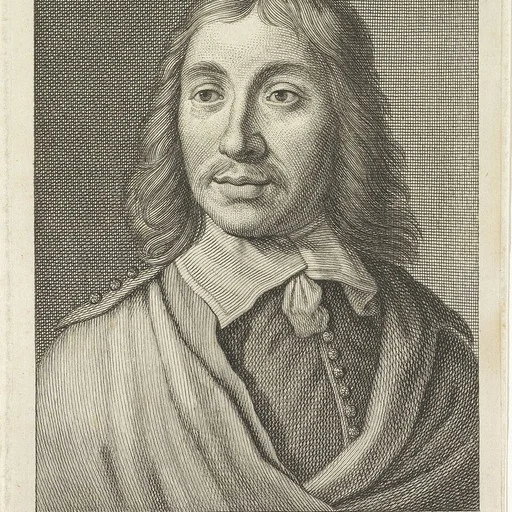
Artist
Philips Wouwerman (also Wouwermans) (24 May 1619 (baptized) – 19 May 1668) was a Dutch painter of hunting, landscape and battle scenes. He became prolific during the Dutch Golden Age and joined the Haarlem Guild of St. Luke.