Artwork
PORTRET DE FEMEIE
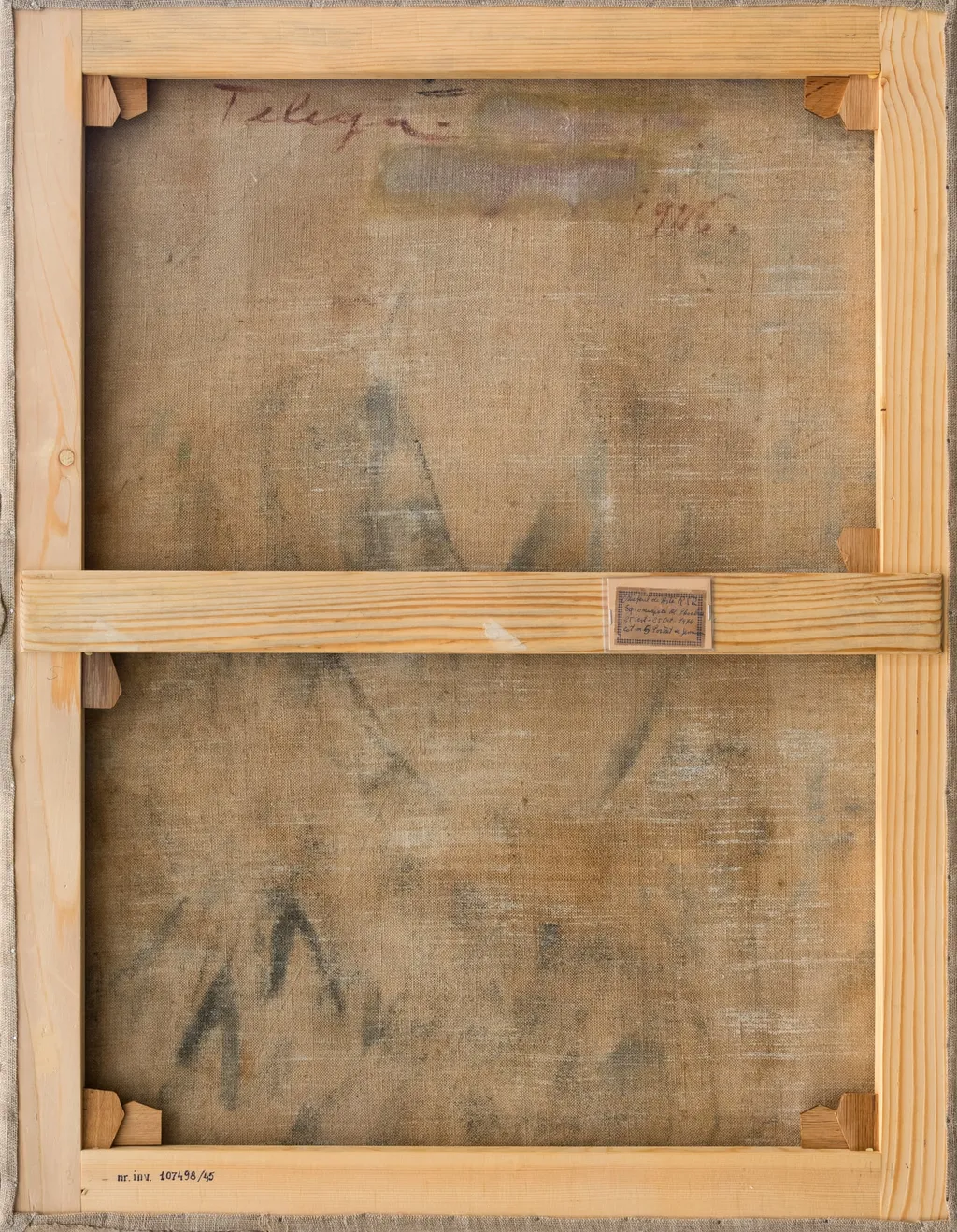
PORTRET DE FEMEIE is a print by Alexandru Phoebus. It dates from 1926 and is held in the collection of the National Museum of Art of Romania.
About this work
Overview
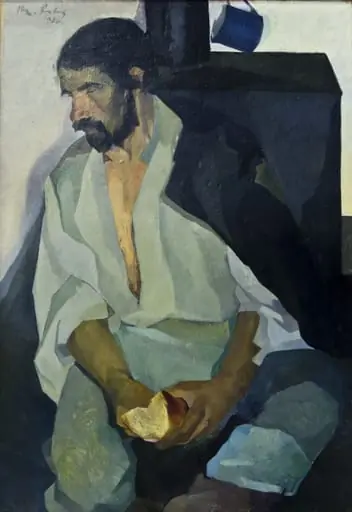
Painted in 1926 by Alexandru Phoebus, this portrait depicts a woman from the waist up, rendered in a restrained palette and quiet composition. The subject faces slightly to the right, her gaze directed away from the viewer, suggesting inward reflection. The work belongs to a period in Romanian art where psychological depth was increasingly valued over ornamental detail.
Subject & Meaning
The woman’s stillness and averted gaze convey a sense of private contemplation. Her expression is neither emotive nor theatrical, inviting the viewer to consider inner life rather than outward identity. The absence of decorative elements or contextual clues emphasizes solitude, aligning the portrait with early 20th-century tendencies to explore psychological presence over narrative.
Technique & Style
Phoebus employs muted tones and soft transitions to model the figure against a dark, indistinct background. The white high-collared shirt contrasts subtly with the surrounding shadows, drawing attention to the face and upper torso. Brushwork is deliberate but unobtrusive, avoiding dramatic highlights or texture, reinforcing the painting’s quiet, introspective character.
History & Provenance
Created in 1926, the painting emerged during a formative phase of Romanian modernism, when artists were redefining portraiture beyond academic conventions. While specific ownership history is not widely documented, the work is recognized in regional collections as representative of Phoebus’s mature style and his engagement with psychological realism.
Context
In interwar Romania, portraiture shifted from formal representation toward emotional nuance. Phoebus, influenced by European trends and local artistic circles, contributed to this evolution by focusing on the individual’s inner state. His approach aligned with broader regional movements that prioritized subtlety and psychological resonance over idealization.
Legacy
Though not widely exhibited internationally, the portrait remains a notable example of Romanian interwar portraiture. It reflects Phoebus’s consistent interest in quiet dignity and emotional restraint, influencing later generations of artists who sought to capture introspection through minimal means rather than theatrical expression.
Artist & collection