Artwork
Peisaj dobrogean
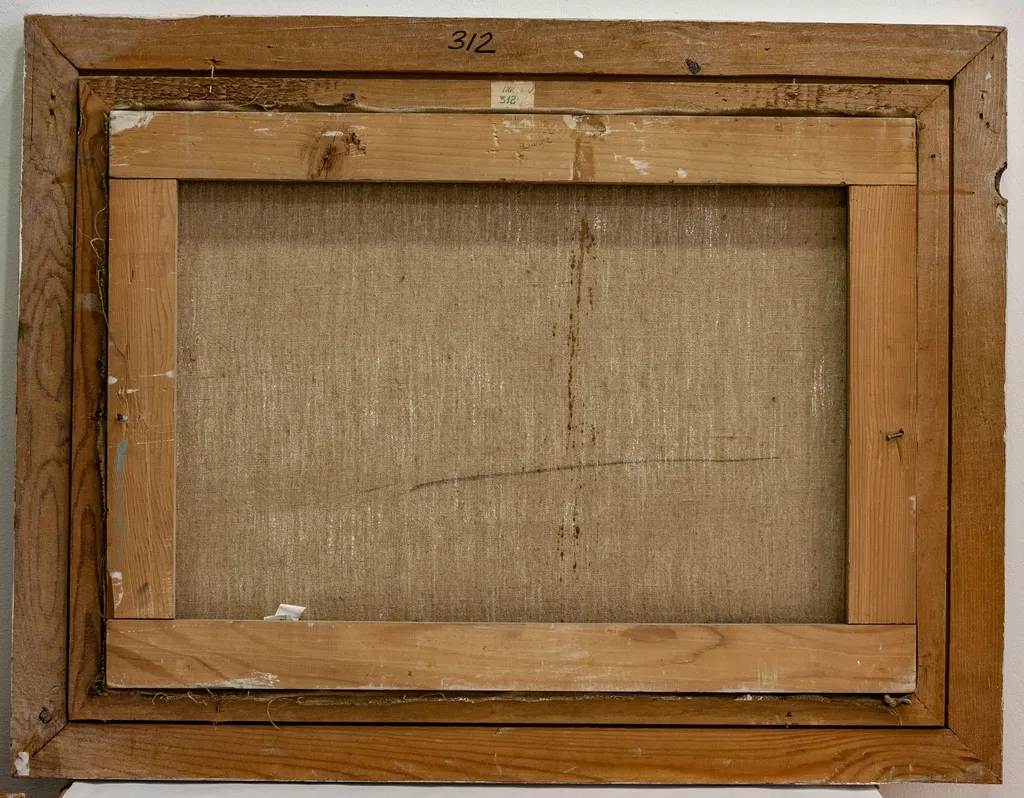
Peisaj dobrogean is an unspecified painting by Rotaru Doru. It dates from 1978 and is held in the collection of the Gavrila Simion Eco-Museum Research Institute Tulcea.
About this work
Overview
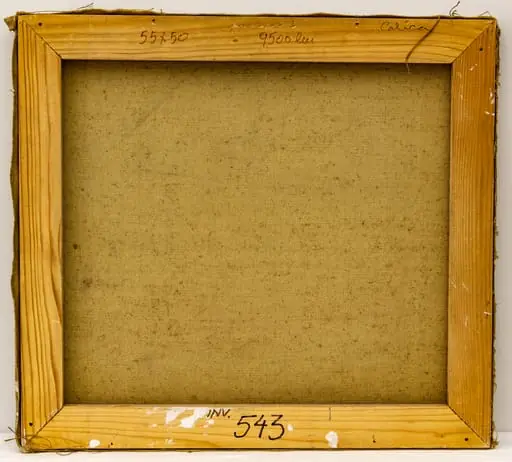
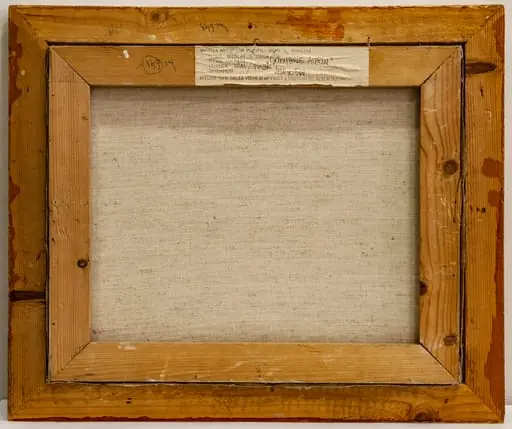
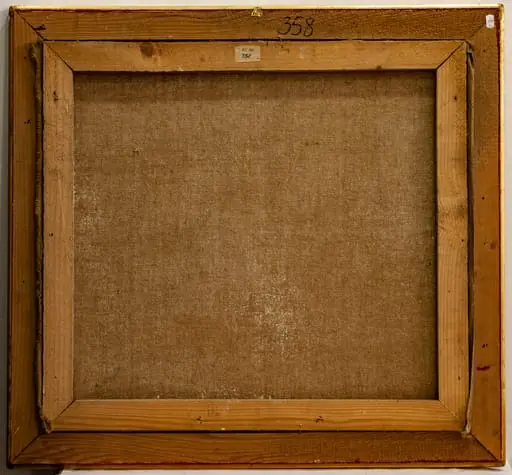
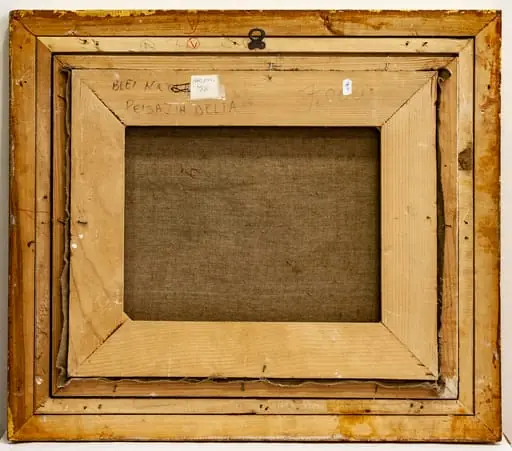
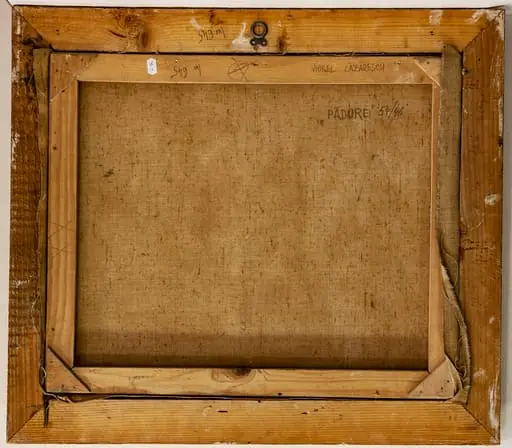
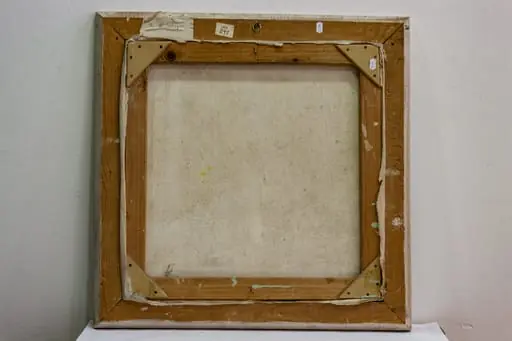
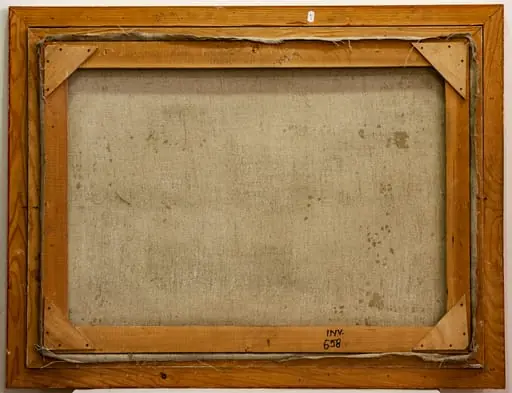
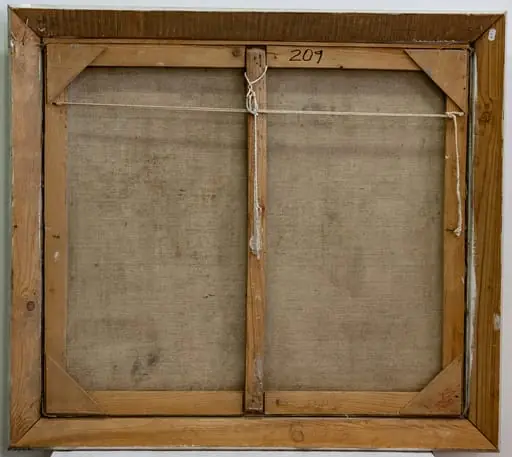
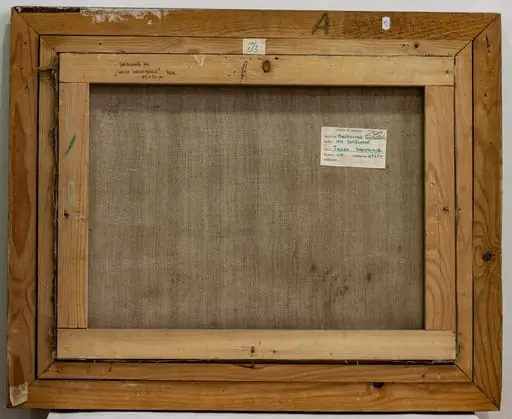
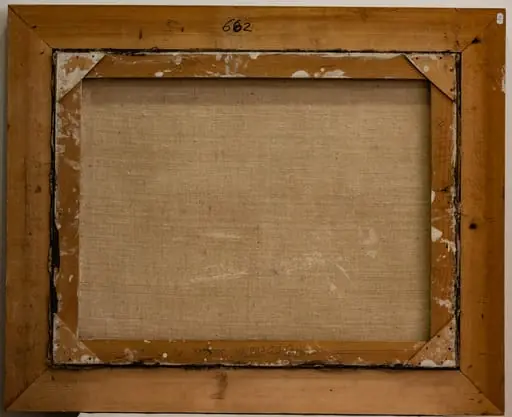
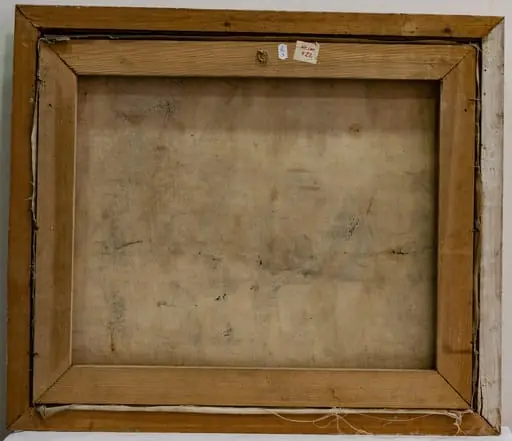
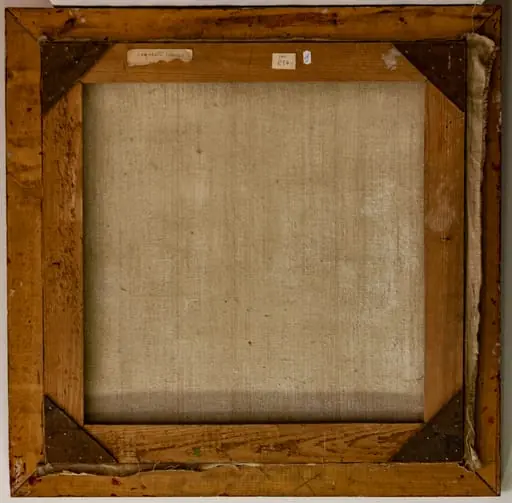
The simple wooden frame, aged and repaired with tape and glue, reflects the object’s physical history as much as its artistic one.
Peisaj dobrogean, dated 1978, is a work by Romanian artist Rotaru Doru. It resides in the collection of the Museum of Ethnography. The painting appears incomplete: the canvas is largely bare, with only faint, scattered traces of pencil or charcoal lines. These markings suggest an early stage of composition, possibly abandoned or deliberately left open-ended. The simple wooden frame, aged and repaired with tape and glue, reflects the object’s physical history as much as its artistic one.
Subject & Meaning
The title references the Dobrogea region, a landscape in southeastern Romania, yet no recognizable terrain appears. Instead, the work presents a void punctuated by ambiguous, delicate lines. This absence may indicate a deliberate departure from literal representation, perhaps signaling contemplation, fragmentation, or the impermanence of artistic intent. The lack of defined subject invites interpretation as a meditation on absence rather than depiction.
Technique & Style
Rotaru Doru employed minimal means: thin, light pencil or charcoal strokes on unprimed canvas, with no layering or pigment. The technique is restrained, almost ephemeral, avoiding traditional compositional structure. The surface retains the raw texture of the canvas, and the lines appear tentative, as if sketched in passing. This approach aligns with postwar tendencies toward reduction and process over finished form.
History & Provenance
The work entered the Museum of Ethnography’s collection after its creation in 1978. The frame shows visible signs of repair—tape, glue, and wear—indicating it was handled or stored without conservation priority. There is no documented exhibition history prior to its acquisition. Its survival in this state suggests it was not considered a finished piece by the artist or subsequent custodians, yet retained for its material or conceptual residue.
Context
Created during the late communist period in Romania, when artistic expression was often constrained, Peisaj dobrogean’s incompleteness may reflect broader cultural silences. Artists sometimes used ambiguity or non-finito as subtle acts of resistance. While not overtly political, the work’s quiet refusal to conform to expected artistic outcomes resonates with the era’s tensions between official mandates and personal expression.
Legacy
The work remains an understated example of Romanian art that privileges process over product. It is not widely reproduced or discussed, but its presence in a museum collection signals recognition of its conceptual value. As a fragment, it invites reflection on what constitutes a finished artwork and how absence can carry meaning, influencing later interpretations of minimalist and conceptual practices in Eastern European contexts.
Artist & collection
Artist
Romanian painter Doru Rotaru worked in the late 20th century, leaving behind quiet landscapes like Peisaj dobrogean from 1978.
Museum
Gavrila Simion Eco-Museum Research Institute Tulcea
Continue through works from the same source collection.