Artwork
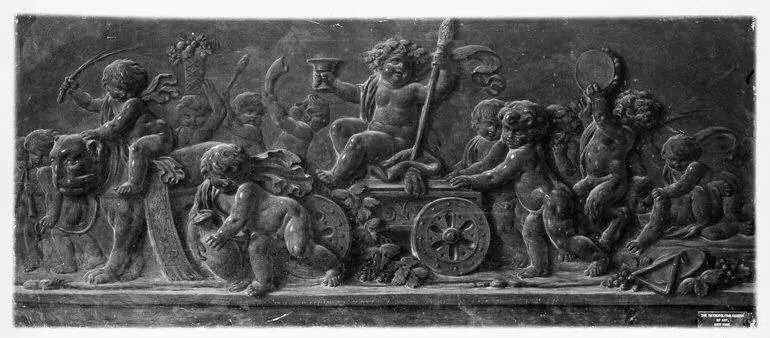
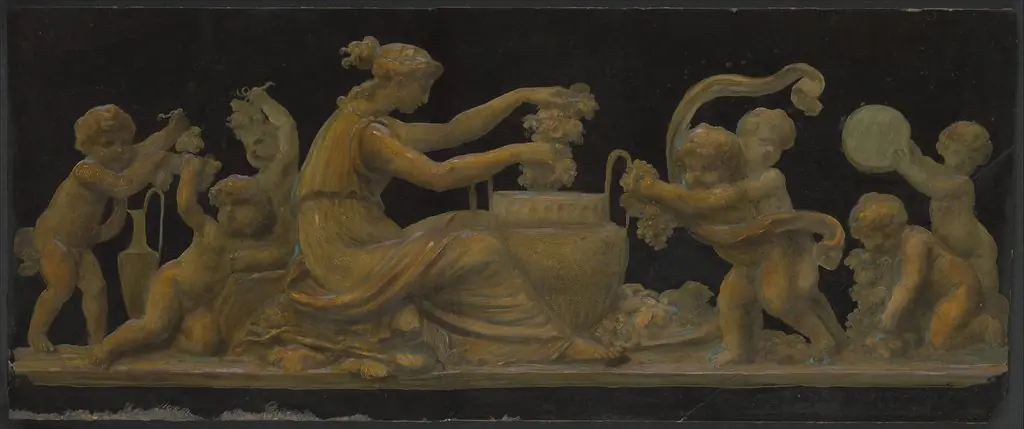
Amorini at play (one of a pair)
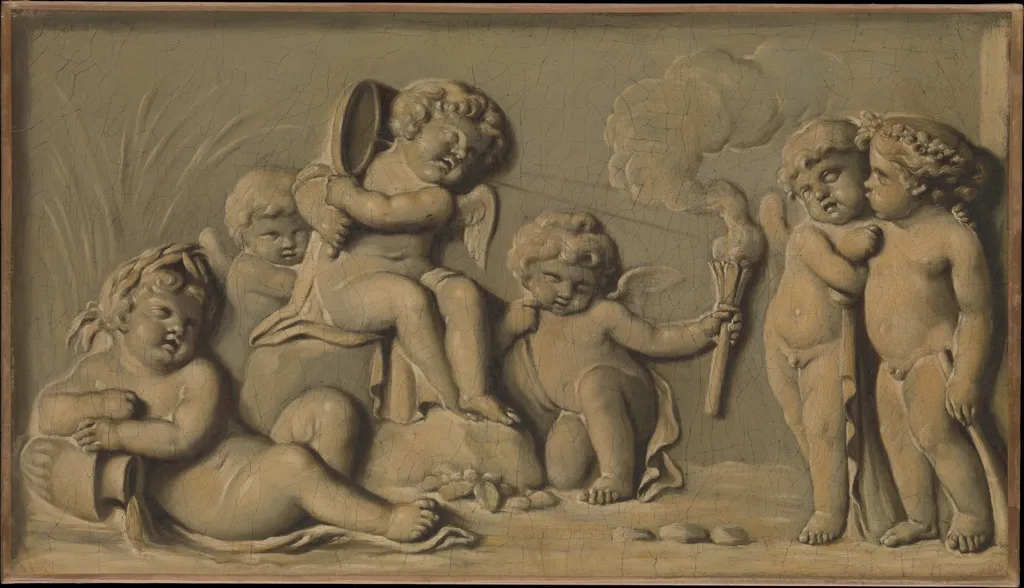
Amorini at play (one of a pair) is an oil painting by the Rococo painting artist Piat Joseph Sauvage. It dates from 1750 and is held in the collection of the Metropolitan Museum of Art. Created around 1750, this oil on canvas presents a light‑hearted Rococo scene of several putti engaged in playful activity.
About this work
Overview
Created around 1750, this oil on canvas presents a light‑hearted Rococo scene of several putti engaged in playful activity. The composition balances figures of varying sizes and poses against a pale sky, giving the impression of a fleeting moment of childhood amusement. It forms one half of a matched pair owned by the Metropolitan Museum of Art.
Subject & Meaning
The work depicts a group of chubby, nude children—classical putti—interacting in a carefree manner. One figure holds a large seashell to its ear, while others sit or stand, their expressions ranging from curiosity to mischievous delight. The arrangement emphasizes movement and spontaneity, reflecting the Rococo fascination with lightness and the pleasures of everyday life.
Technique & Style
Executed in oil, the painting employs a soft palette and delicate brushwork characteristic of mid‑18th‑century Rococo. The figures are rendered with smooth, rounded forms and subtle chiaroscuro that give a tactile sense to flesh and drapery. The background consists of a lightly clouded sky, allowing the putti to dominate the visual field without distraction.
History & Provenance
The canvas was produced by Piat Joseph Sauvage, a Southern‑Netherlandish artist noted for decorative commissions and trompe‑l'oeil effects. Sauvage served as a court painter for patrons such as the Prince de Condé and Louis XVI, and also worked as a sculptor and printmaker. The painting entered the Metropolitan Museum of Art as part of a paired set, remaining in the museum’s collection.
Context
The painting continues to serve as a reference point for the study of Rococo figural motifs and the role of putti in 18th‑century visual culture.
Sauvage’s putti align with a broader European tradition of employing cherubic figures to convey innocence and decorative elegance. While the artist is better known for his ornamental interiors, this work illustrates his ability to translate that decorative sensibility onto a portable canvas. The painting continues to serve as a reference point for the study of Rococo figural motifs and the role of putti in 18th‑century visual culture.
Artist & collection
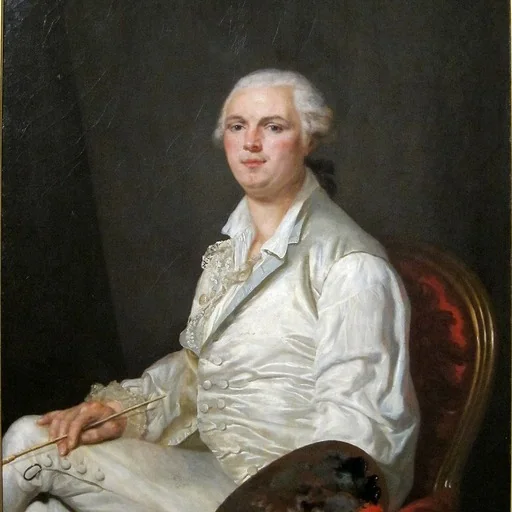
Artist
Piat Joseph Sauvage or Pieter Joseph Sauvage (19 January 1744 in Tournai – 11 June 1818 in Tournai) was a painter, sculptor, printmaker and academic lecturer from the Southern Netherlands.