Artwork
The Vision of Saint Bruno
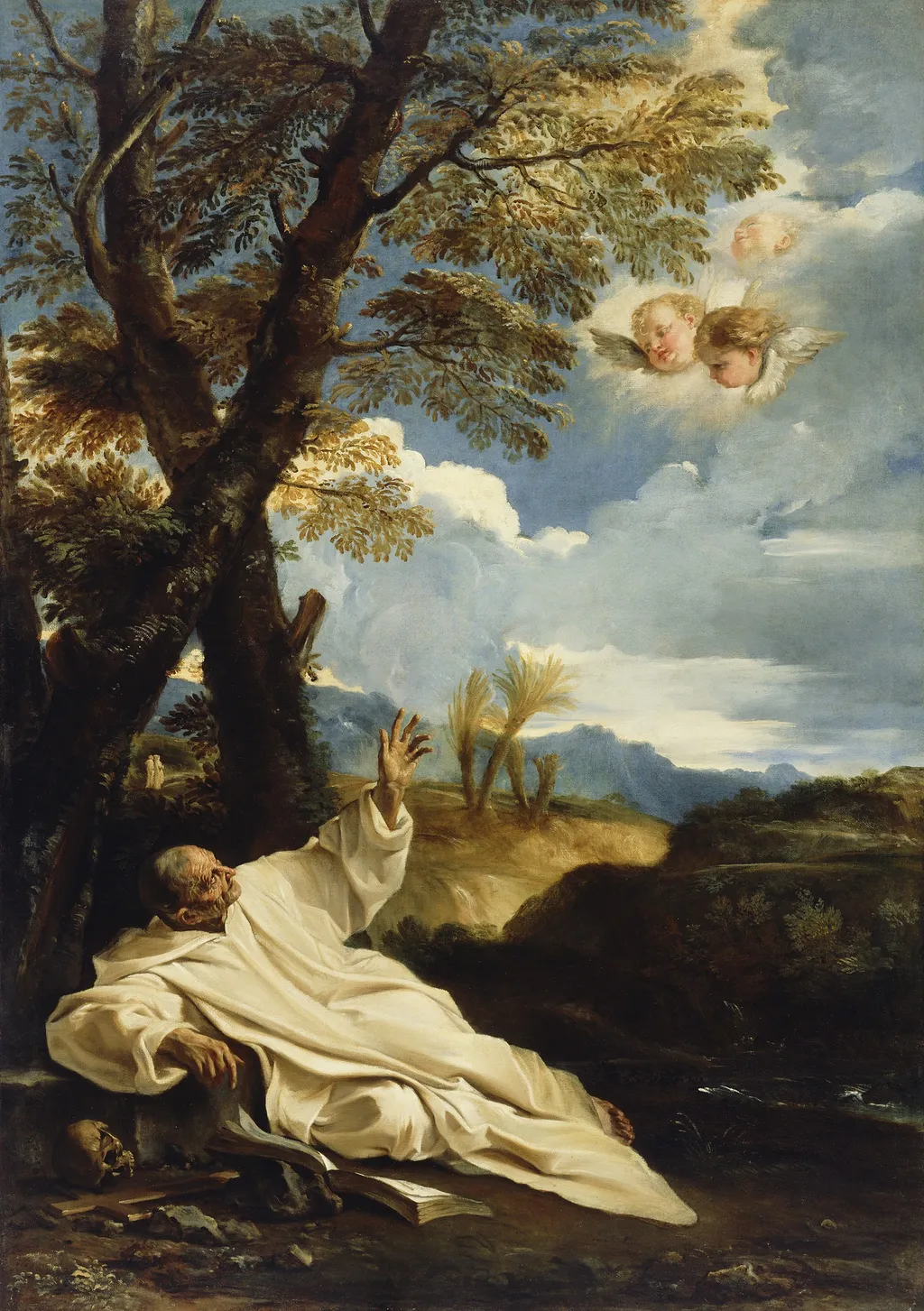
The Vision of Saint Bruno is an oil painting by the Early Baroque Italian artist Pier Francesco Mola. It dates from 1660 and is held in the collection of the J. Paul Getty Museum.
About this work
Overview
Pier Francesco Mola's 'The Vision of Saint Bruno' is a 1660 religious oil painting, now part of the J. Paul Getty Museum's collection. It portrays a serene, symbolic scene.
Subject & Meaning
The painting depicts Saint Bruno in a contemplative state, reclining in a tranquil landscape with a skull (symbolizing mortality) and an open book (representing spiritual pursuit). His gaze and raised arm are directed towards three cherubs in the clouds, conveying a moment of divine vision or enlightenment.
Technique & Style
Mola utilized chiaroscuro to achieve depth and dimensionality. The pronounced contrast between light and dark elements enhances the scene's dramatic and contemplative atmosphere, characteristic of Mola's style.
History & Provenance
Created in 1660, the painting's history prior to its acquisition by the J. Paul Getty Museum is not detailed here. It is currently held in the museum's collection.
Context
The work reflects the Baroque period's emphasis on emotionally charged and spiritually intense scenes, often achieved through chiaroscuro. It also touches on the Counter-Reformation's focus on individual spiritual experience.
Legacy
While specific influences of 'The Vision of Saint Bruno' on later art are not highlighted, it contributes to the broader legacy of Baroque religious painting and the enduring appeal of Mola's chiaroscuro technique.
Own this work as a print
Artist & collection

Artist
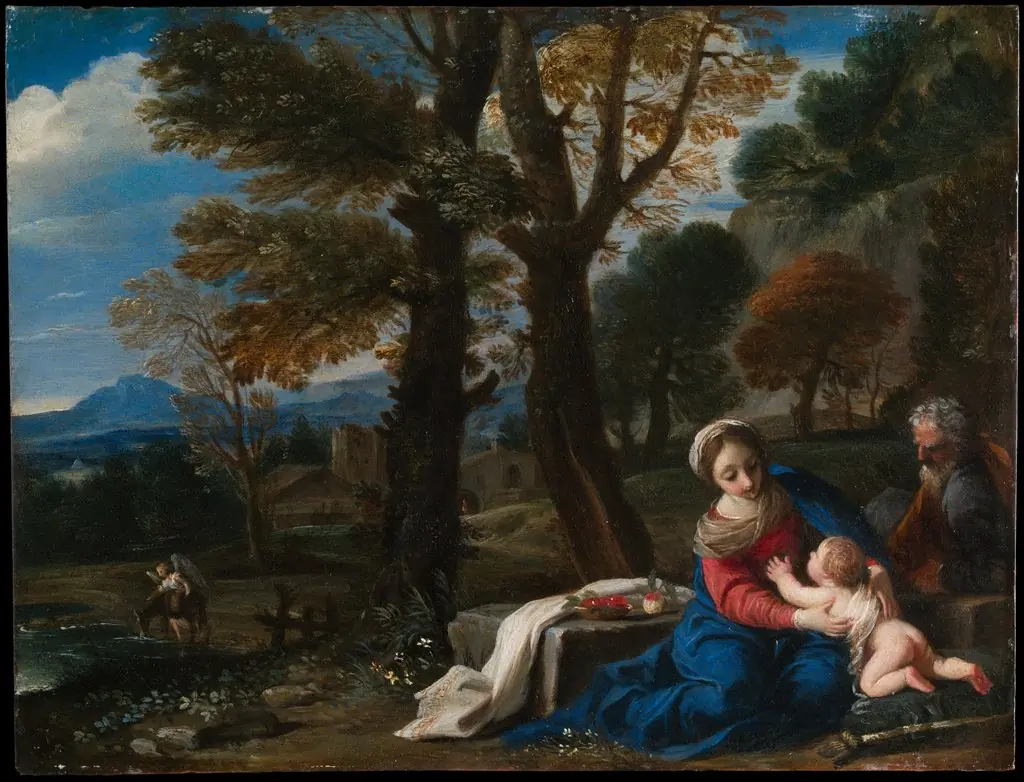
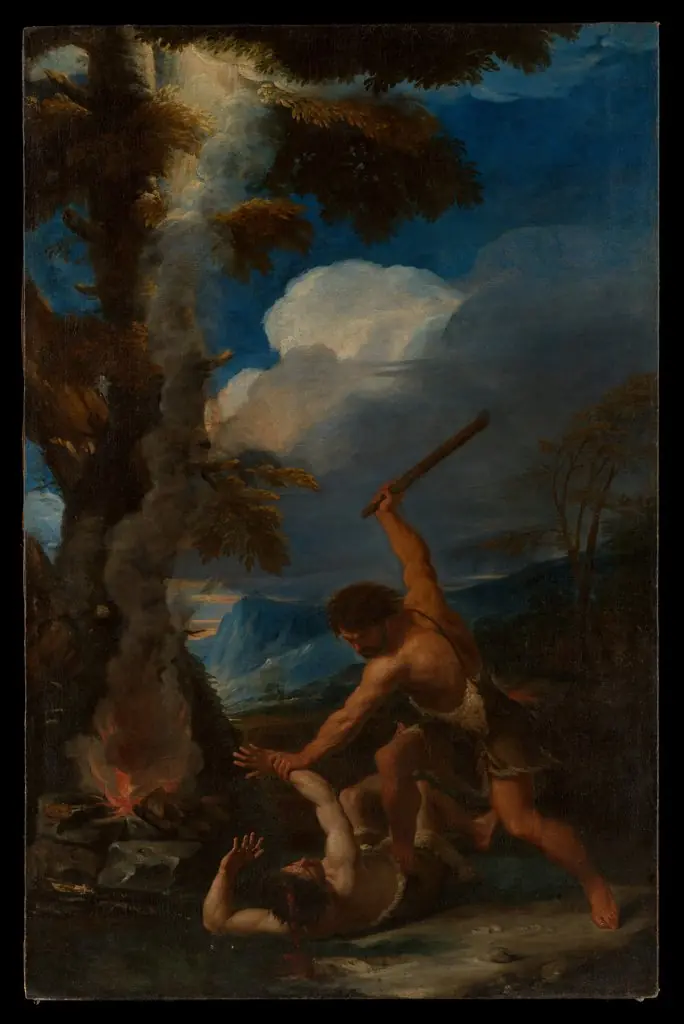
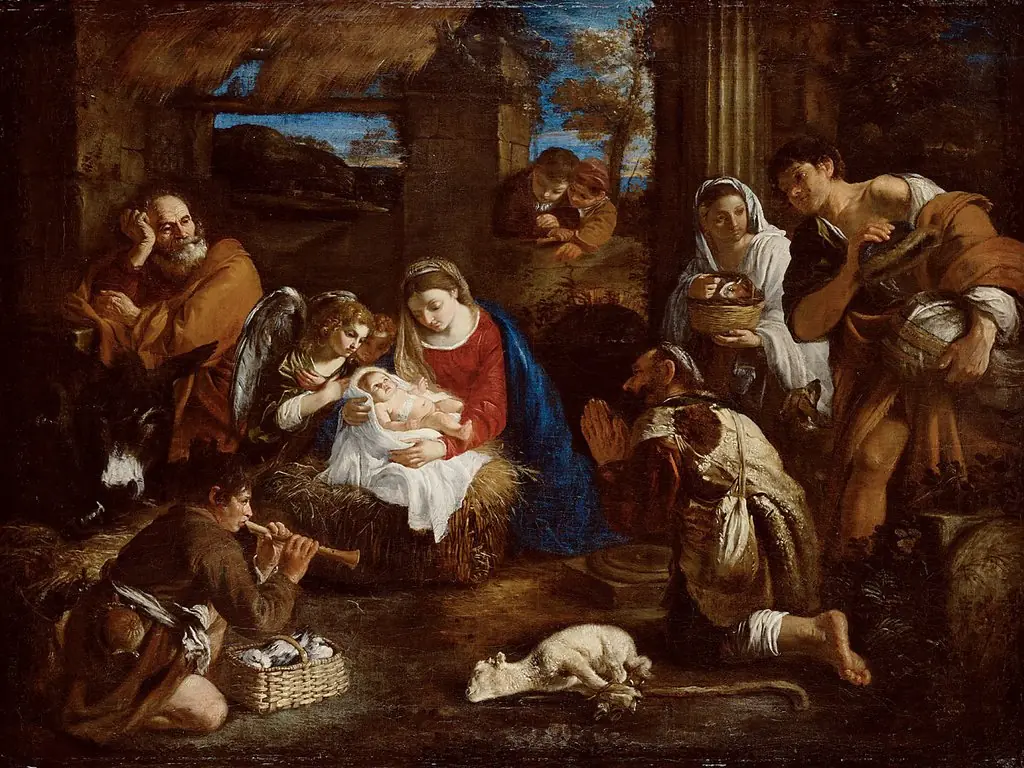
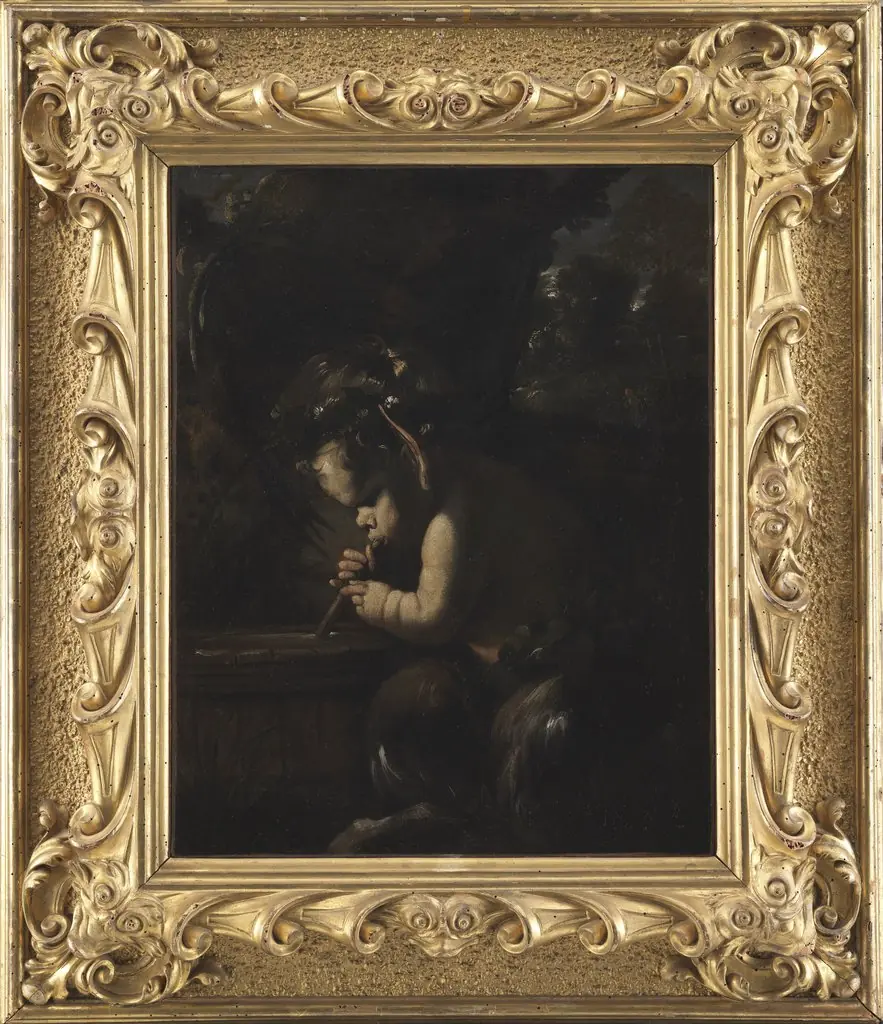
Pier Francesco Mola, called Il Ticinese was an Italian painter of the High Baroque, mainly active around Rome.