Artwork
Flowers in Greenhouse
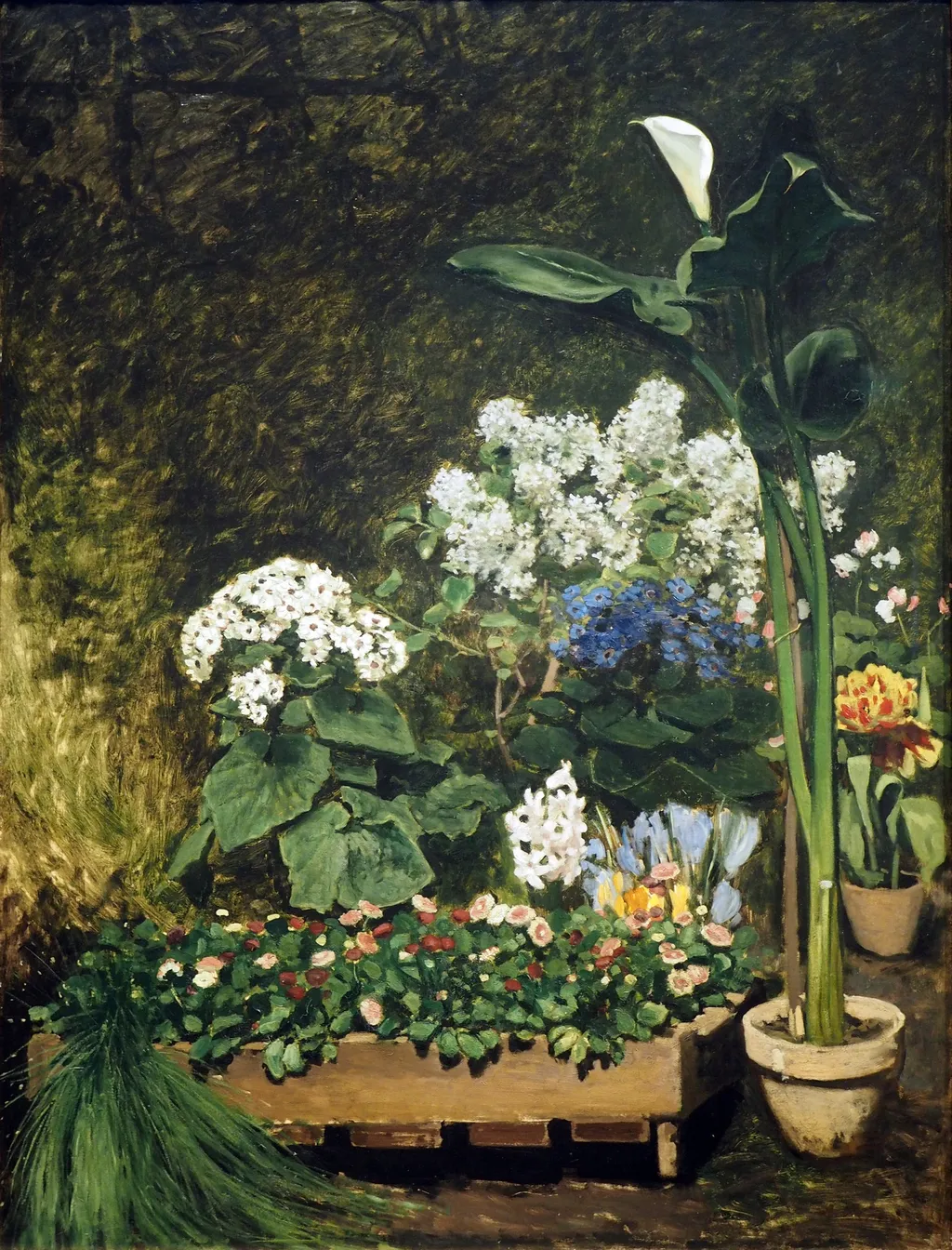
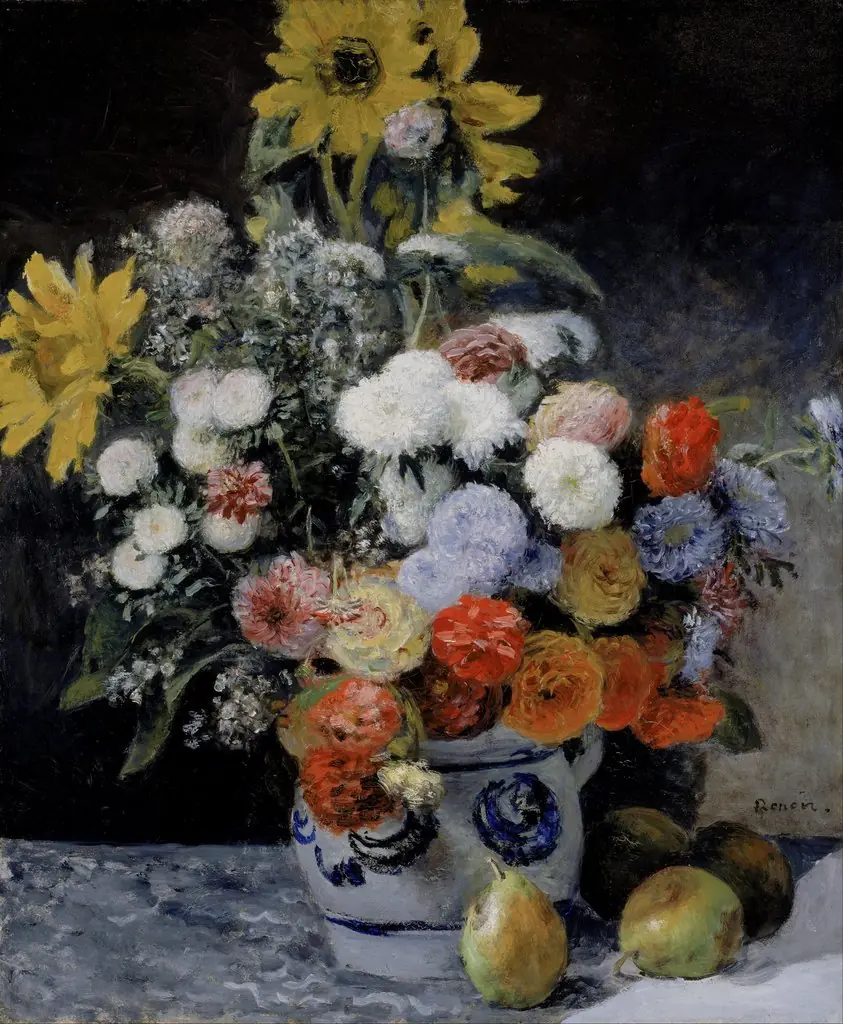
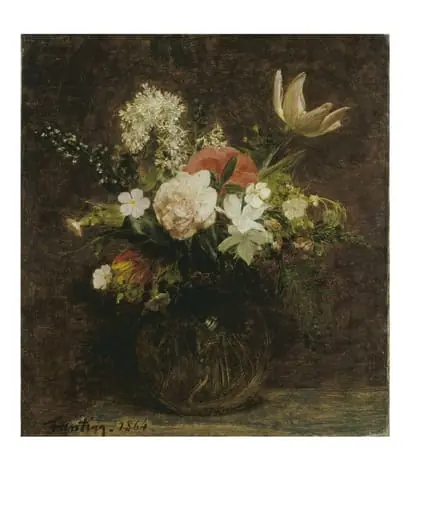
Flowers in Greenhouse is an oil painting by the Realist artist Auguste Renoir. It dates from 1864 and is held in the collection of the Hamburger Kunsthalle.
About this work
Overview
It presents a modest arrangement of blossoms and foliage within a glass-enclosed space, rendered with quiet attention to natural light and texture.
Painted in 1864, Flowers in Greenhouse is an oil-on-canvas still life by Pierre-Auguste Renoir. It presents a modest arrangement of blossoms and foliage within a glass-enclosed space, rendered with quiet attention to natural light and texture. The work belongs to the Hamburger Kunsthalle’s collection and reflects Renoir’s early engagement with outdoor subjects and domestic botanical settings before his full immersion in Impressionist techniques.
Subject & Meaning
The painting features a selection of cultivated flowers—white, pink, and blue blooms—arranged on a wooden surface among potted plants. The setting suggests a greenhouse, a space where nature is gently curated. There is no narrative or symbolic intent; instead, the work invites contemplation of quiet beauty, emphasizing the transient grace of cultivated flora in a controlled environment.
Technique & Style
Renoir employs soft, blended brushwork to capture the delicate forms of petals and leaves, avoiding sharp outlines. The palette is restrained, with muted tones of pastel and earth, harmonizing with the diffused light filtering through glass. The background dissolves into shadowy greens and browns, suggesting depth without detail, focusing attention on the foreground flora through atmospheric perspective.
History & Provenance
Completed in 1864, the painting entered the Hamburger Kunsthalle’s collection in the late 19th century, likely through acquisition from a German collector familiar with French contemporary art. Its early date places it among Renoir’s formative works, made before his association with the Impressionist exhibitions. The piece has remained in the museum’s holdings since, with no known public exhibitions beyond institutional displays.
Context
In the mid-1860s, Renoir was experimenting with plein air painting and domestic interiors, often turning to gardens and greenhouses as subjects. This period preceded his mature Impressionist style, yet the work already shows sensitivity to light and naturalism. Greenhouses were becoming popular in urban Europe, symbolizing both scientific curiosity and bourgeois leisure, offering artists controlled environments to study plant life.
Legacy
Flowers in Greenhouse stands as an early indicator of Renoir’s enduring interest in botanical subjects and luminous color. While not as widely recognized as his later figures, the painting contributes to understanding his development as a painter of quiet, intimate scenes. It remains a quiet example of how everyday natural elements were elevated through attentive observation in 19th-century French art.
Own this work as a print
Artist & collection
Artist
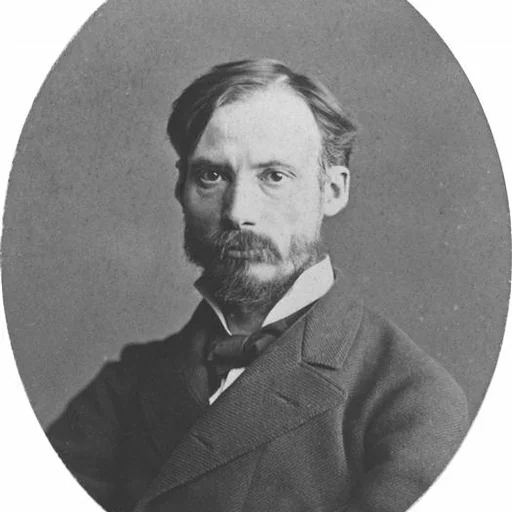
Pierre-Auguste Renoir was born on 25 February 1841 in Limoges, the son of a tailor and a seamstress.