Artwork
Roses in a Vase
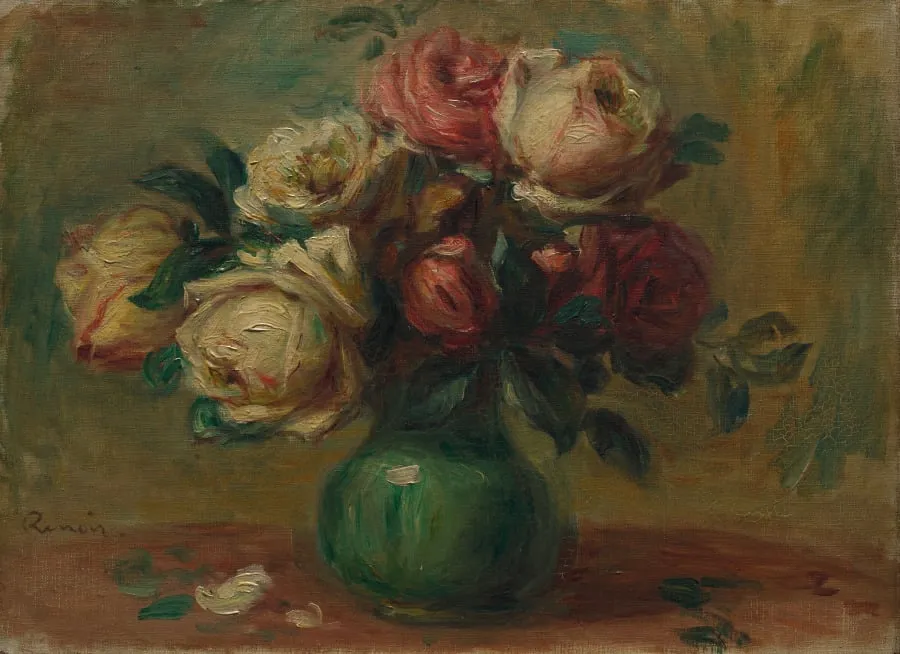
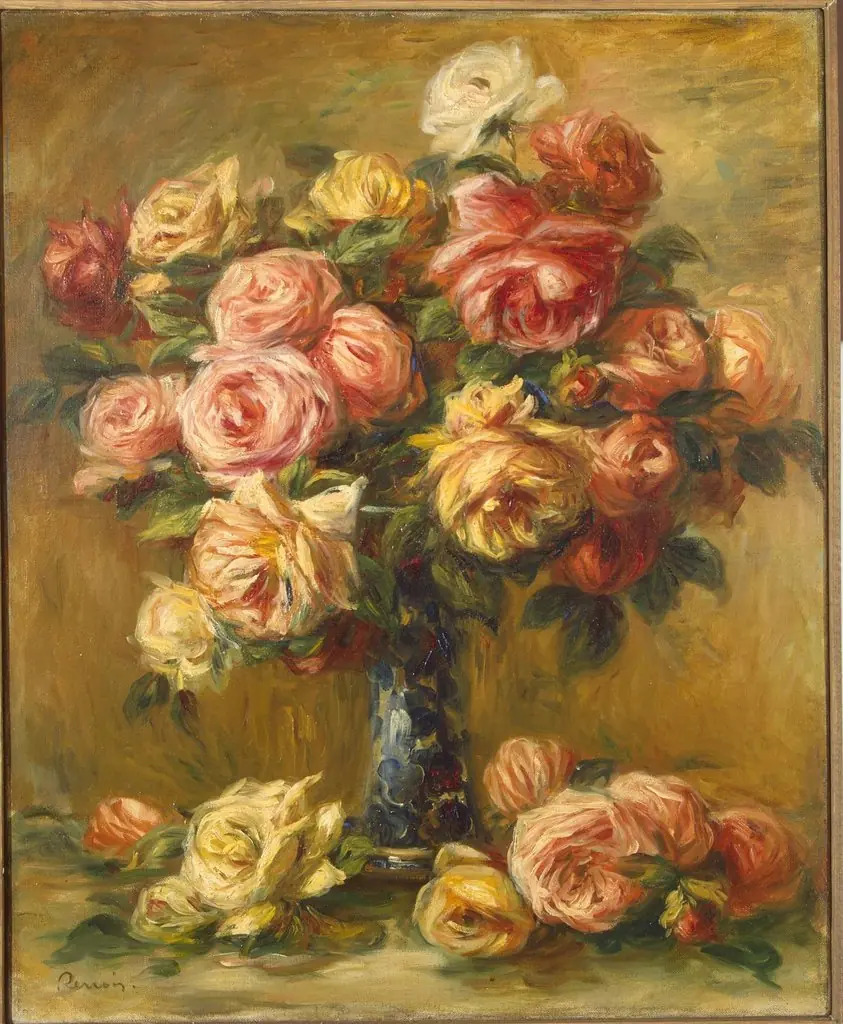
Roses in a Vase is an unspecified painting by the Impressionist artist Auguste Renoir. It dates from 1890 and is held in the collection of the Cleveland Museum of Art.
About this work
Overview
It reflects a moment of personal respite, where the act of painting became a meditative practice rather than a professional obligation.
Renoir painted Roses in a Vase as a quiet escape from the demands of figure painting. Created during his early career, the work captures seven roses in a simple glass vessel against a muted, dark ground. The composition is intimate and uncluttered, emphasizing the natural form of the blooms without narrative or symbolic weight. It reflects a moment of personal respite, where the act of painting became a meditative practice rather than a professional obligation.
Subject & Meaning
The roses serve as both subject and metaphor for Renoir. He associated their full, rounded petals with the curves of the female form, finding in them a quiet elegance that mirrored human anatomy. Unlike portraits, which required psychological engagement, flowers allowed him to focus purely on color and texture. The absence of a model freed him from the pressure of representation, turning the still life into a private dialogue between artist and nature.
Technique & Style
Renoir applied paint with loose, rapid strokes, building the petals through layers of impasto that give the blooms a tactile, three-dimensional presence. The background is thinly rendered, almost brushed away, allowing the roses to emerge with luminous contrast. His palette favors warm reds, soft pinks, and pale yellows, harmonizing without sharp definition. The brushwork suggests spontaneity, capturing light as it shifts across velvety surfaces rather than fixing them in detail.
History & Provenance
Painted around 1864–1865, this work emerged during Renoir’s formative years alongside Claude Monet, with whom he shared a studio and artistic inquiries. The influence of Monet’s plein air approach is evident in the loose handling and emphasis on light. Though not exhibited publicly at the time, the painting remained in Renoir’s possession for decades, later entering a private collection before being acquired by its current institution.
Context
In the mid-1860s, Renoir was navigating the boundaries between academic tradition and emerging Impressionist ideals. While still preparing for the Salon, he turned to still lifes as a laboratory for color and brushwork, unburdened by client expectations. Roses, common in French domestic interiors, offered a familiar subject that allowed experimentation with tone and texture—key concerns for artists seeking to capture fleeting visual impressions.
Legacy
Roses in a Vase exemplifies how Renoir used still life to refine his approach to light and form, laying groundwork for his later figure paintings. Its emphasis on sensory experience over narrative influenced generations of artists exploring the emotional potential of everyday objects. Though modest in scale, the work stands as a testament to the quiet rigor behind Impressionist innovation—where relaxation and discipline coexisted in the act of painting.
Artist & collection
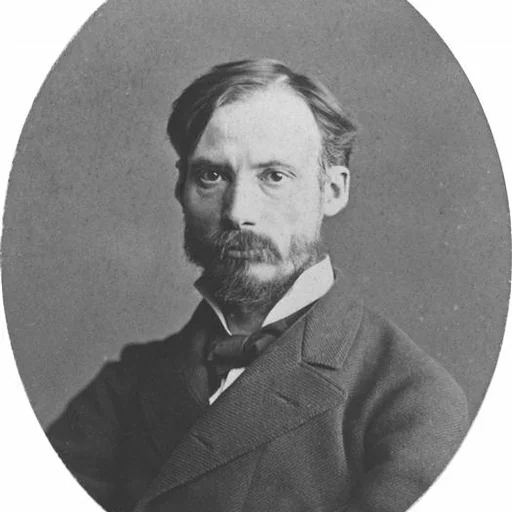
Artist
Pierre-Auguste Renoir was born on 25 February 1841 in Limoges, the son of a tailor and a seamstress.