Artwork
Roses in a vase
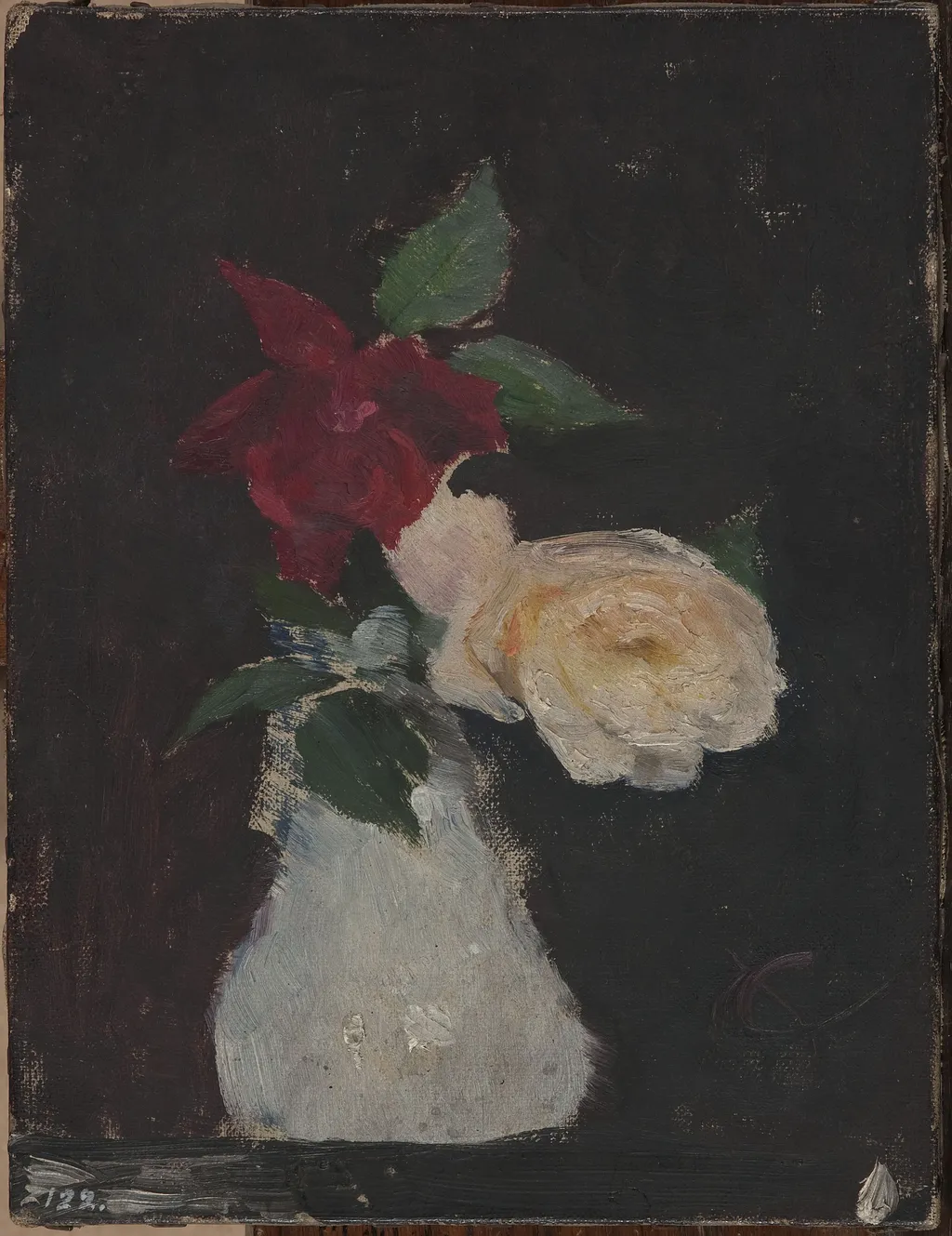
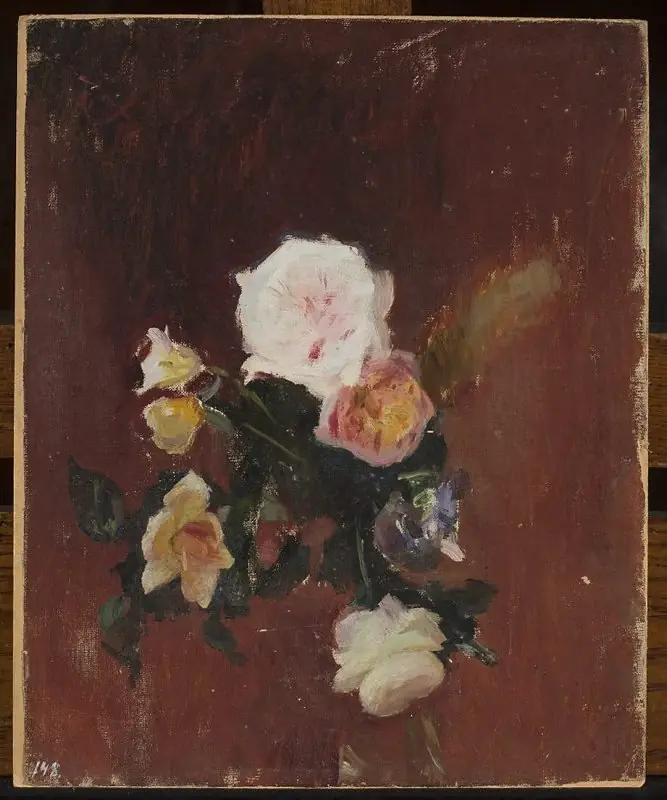
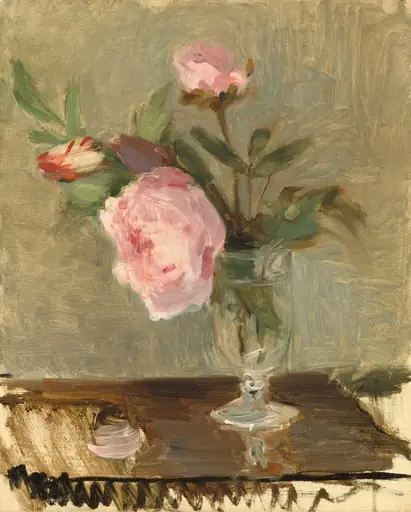
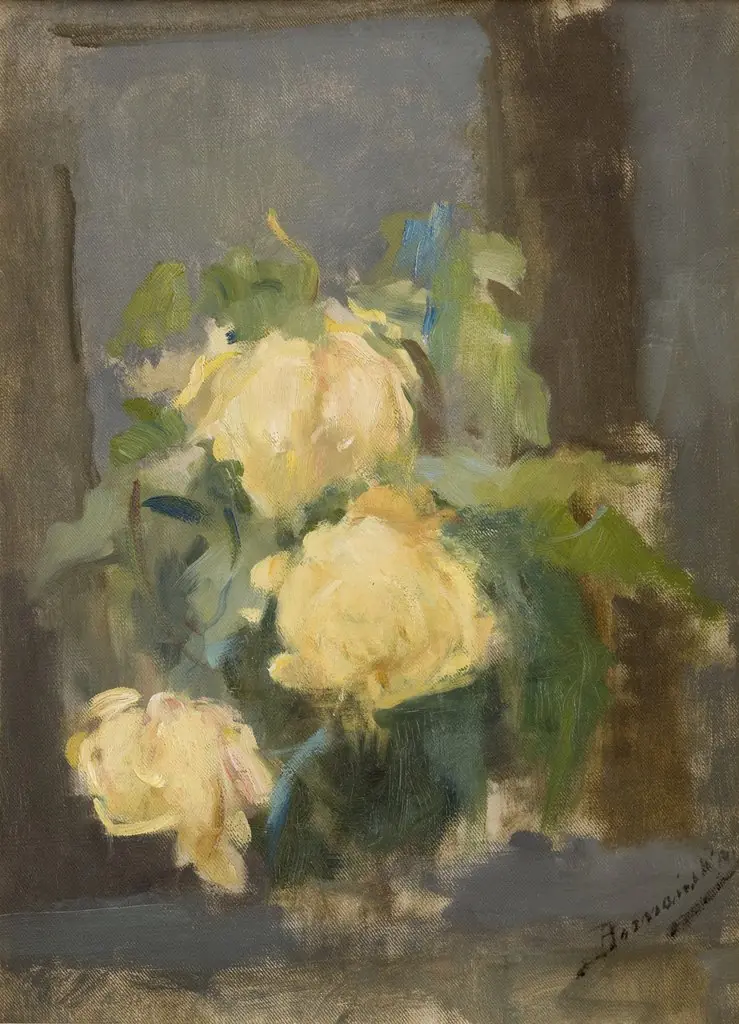
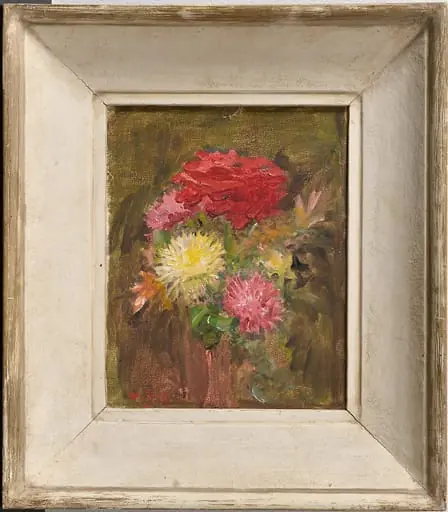
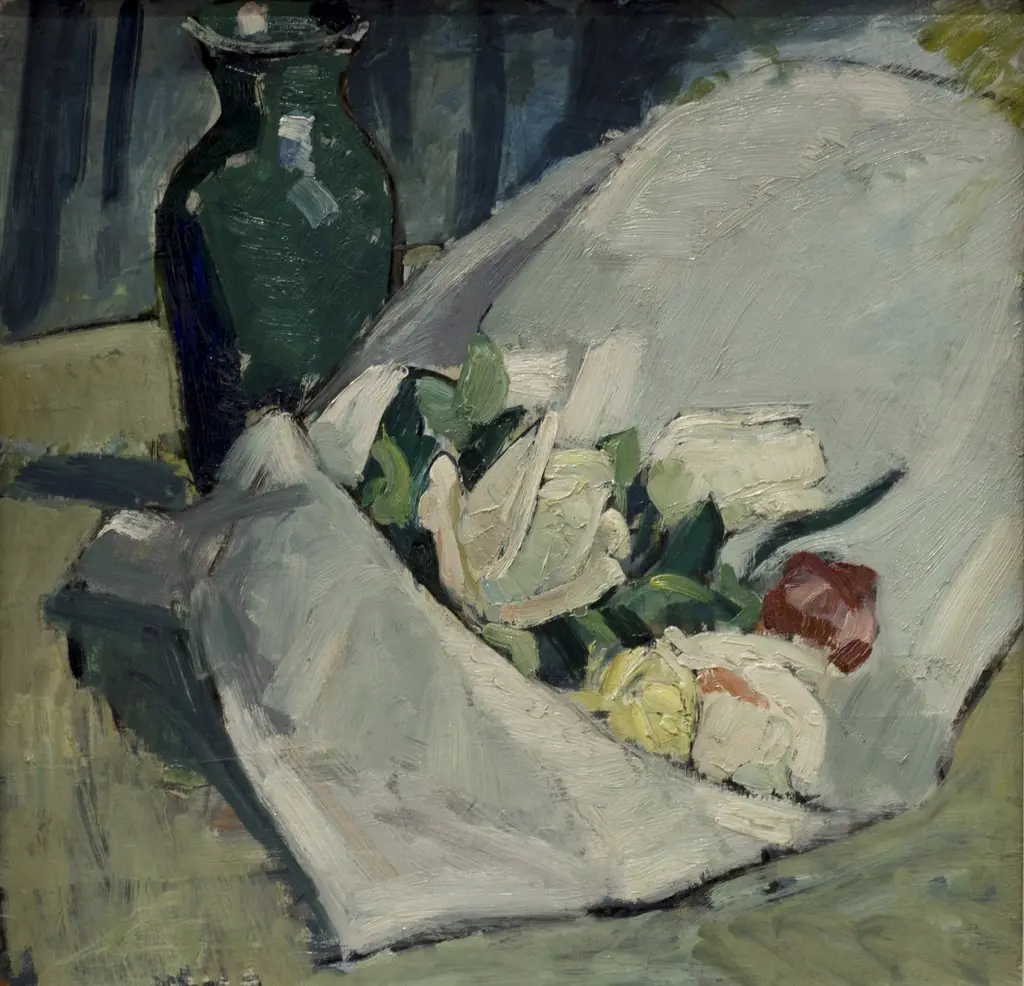
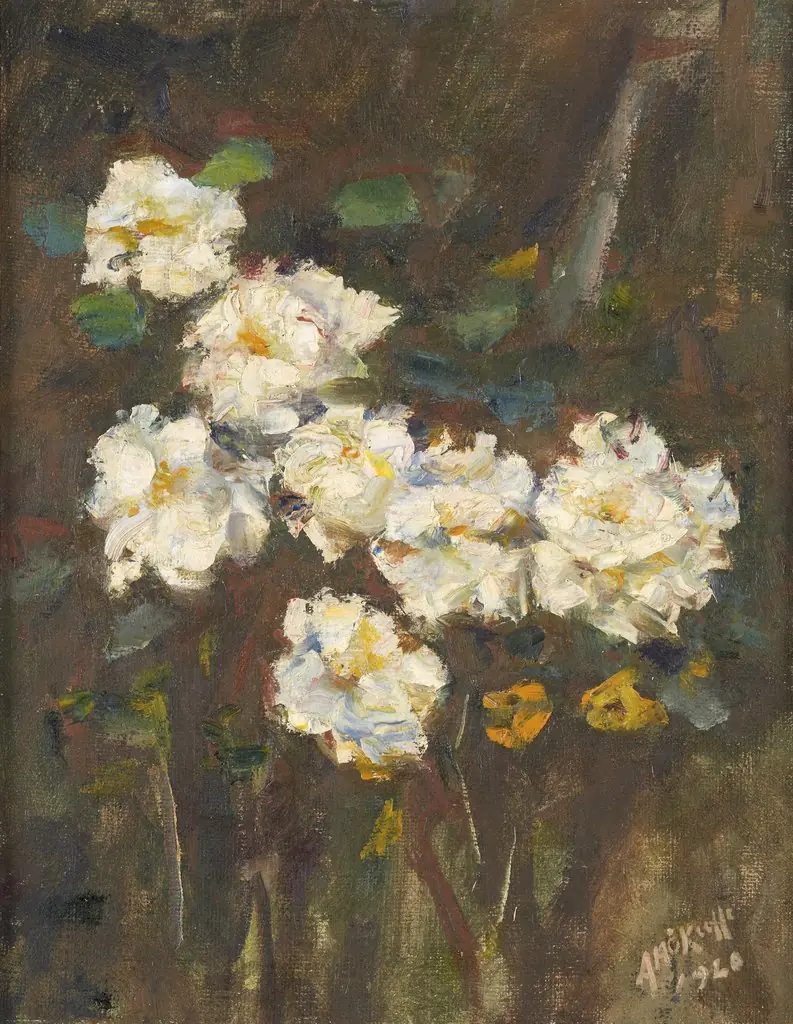
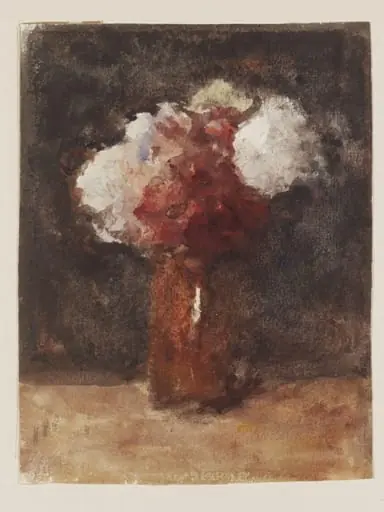
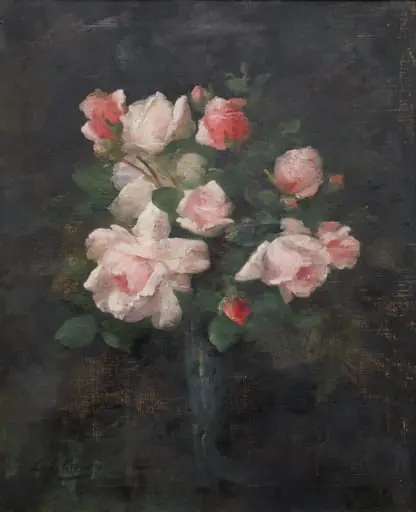
Roses in a vase is an oil painting by the Impressionist artist Jan Ciągliński. It dates from 1889 and is held in the collection of the National Museum in Warsaw.
About this work
Overview
It is now part of the National Museum in Warsaw’s collection, representing a quiet moment of natural beauty rendered with deliberate simplicity.
Painted in 1889 by Polish artist Jan Ciągliński, this oil on canvas still life presents two roses in a white ceramic vase. Created during the artist’s time in St. Petersburg, the work reflects his engagement with Impressionist approaches to light and texture. It is now part of the National Museum in Warsaw’s collection, representing a quiet moment of natural beauty rendered with deliberate simplicity.
Subject & Meaning
The composition centers on a single vase holding two roses—one red, one white—arranged with minimal fuss. The contrast in color suggests a subtle interplay of vitality and purity, though the painting avoids overt symbolism. Its focus on everyday flora, devoid of ornament or narrative, aligns with Impressionist interests in transient, unadorned observation rather than allegory.
Technique & Style
Ciągliński employed loose, expressive brushwork and visible impasto to capture the petals’ softness and the vase’s smooth surface. The thick application of paint creates tactile depth, especially in the rose blooms, while the dark background enhances luminosity through contrast. The technique prioritizes sensory immediacy over precise detail, emphasizing the fleeting quality of light on organic forms.
History & Provenance
Ciągliński painted this work during his years in St. Petersburg, where he was part of a community of Polish artists active under the Russian Empire. The painting remained in private hands until it entered the National Museum in Warsaw’s collection, likely through post-war acquisitions of works by Polish émigrés. Its documented history is modest, but its presence in a national institution affirms its cultural significance.
Context
In late 19th-century Eastern Europe, Impressionism was adopted selectively by artists seeking alternatives to academic realism. Ciągliński’s work reflects this trend, blending Western stylistic influences with a restrained Polish sensibility. While his peers often painted urban scenes or portraits, his choice of a simple floral subject reveals a personal, introspective approach to modernism.
Legacy
Though not widely exhibited outside Poland, this painting exemplifies how Impressionist techniques were adapted in regional contexts. Its quiet intensity and technical subtlety have influenced later Polish still-life painters. The work endures not for its fame, but for its understated harmony between form, color, and material presence.
Artist & collection
Artist
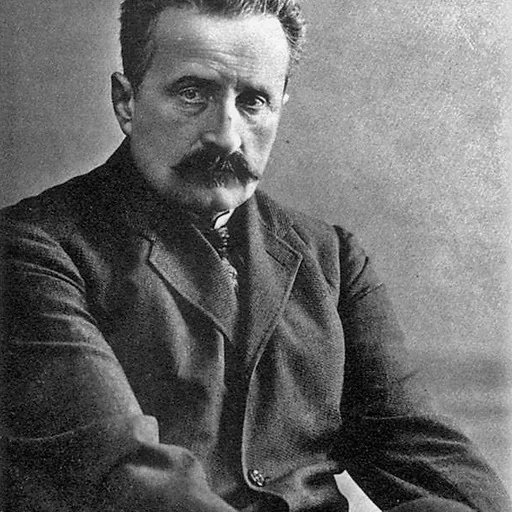
Jan Ciągliński (Polish: ; Russian: Ян/Иван Францевич Ционглинский, romanized: Yan/Ivan Frantsevich Tsionglinskiy; 20 February 1858 – 6 January 1913) was a Polish painter, active in St.