Artwork
Study of Flowers
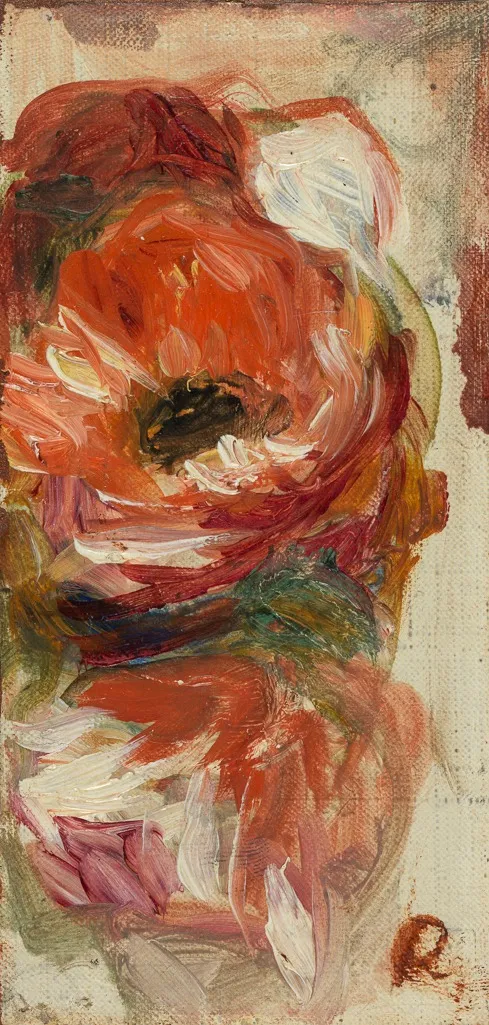
Study of Flowers is an unspecified painting by the Impressionist artist Auguste Renoir. It dates from 1919 and is held in the collection of the Fitzwilliam Museum.
About this work
Overview
Painted in 1919, Study of Flowers is a late work by Pierre-Auguste Renoir, reflecting his continued engagement with still life in his final years.
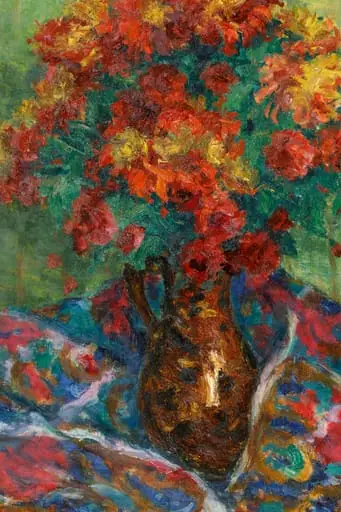
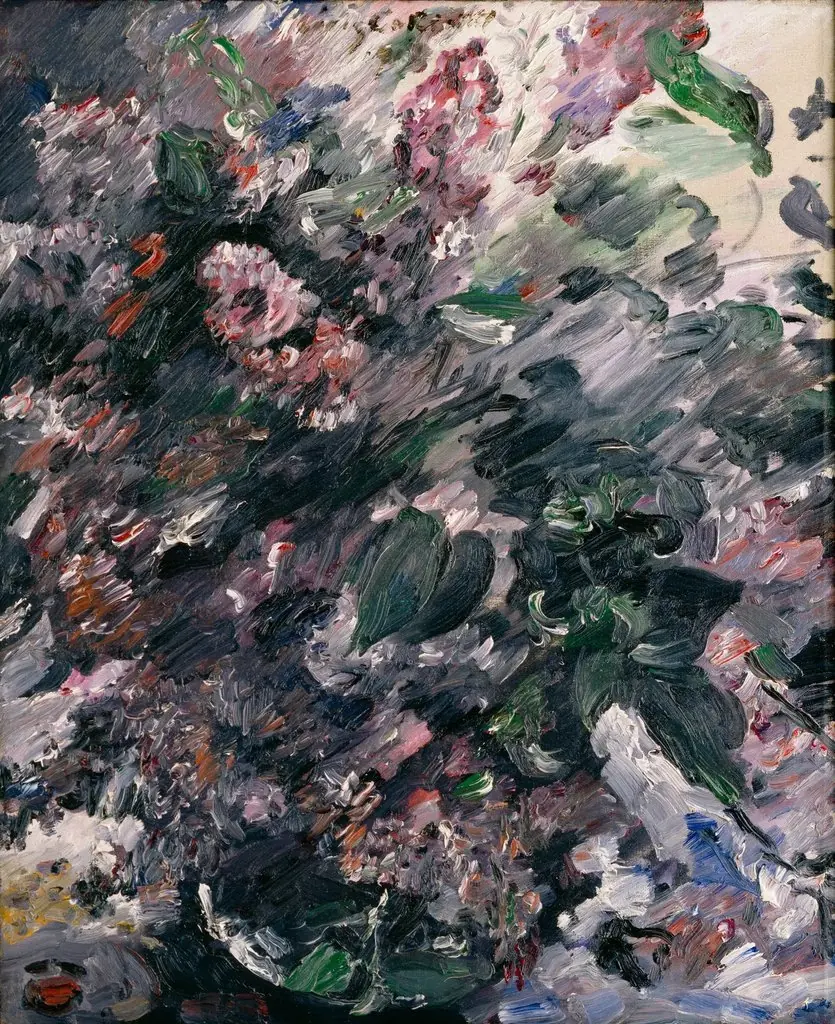
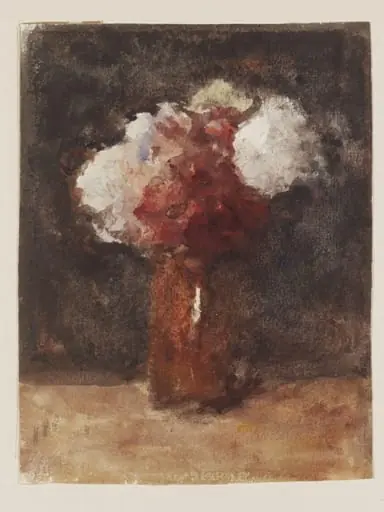
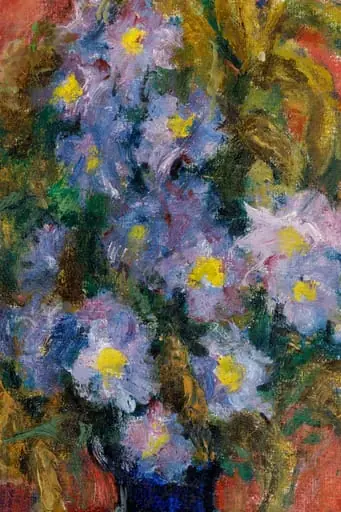
Painted in 1919, Study of Flowers is a late work by Pierre-Auguste Renoir, reflecting his continued engagement with still life in his final years. The piece is part of the Fitzwilliam Museum’s collection and exemplifies his enduring interest in natural forms. Rendered with visible brushwork and a restrained palette, it captures a cluster of blossoms in a moment of quiet vitality, distinct from his earlier figure paintings yet rooted in the same sensitivity to light and texture.
Subject & Meaning
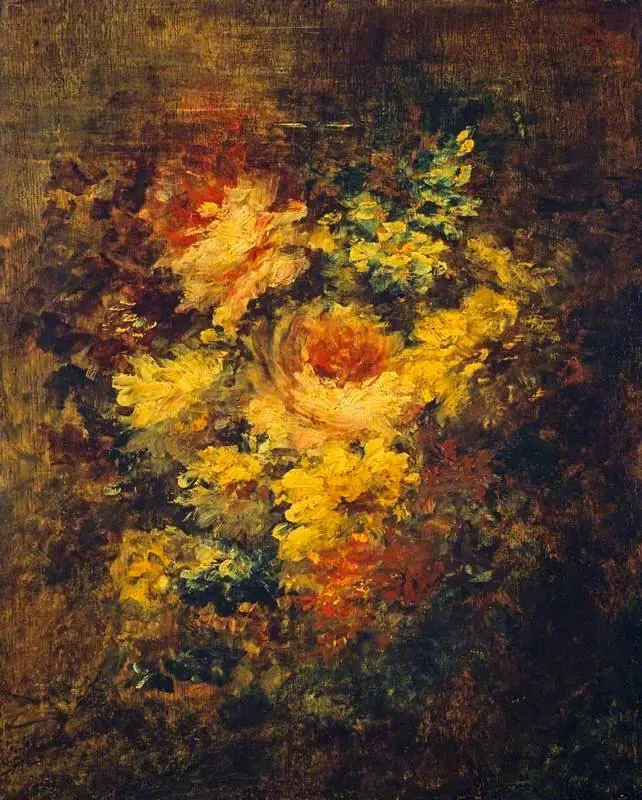
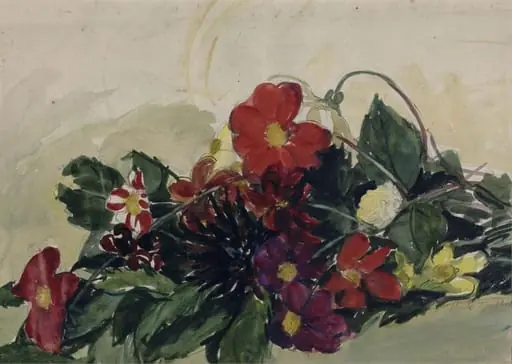
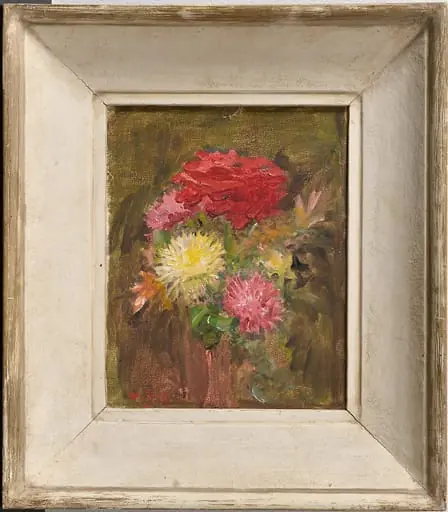
The painting centers on a large red flower, its petals radiating outward, surrounded by smaller blooms and leaves in soft pinks and whites. There is no narrative or symbolic intent; instead, the focus is on the organic rhythm of growth and decay. The arrangement suggests an intimate, unposed observation of nature, emphasizing the transient beauty of floral life without idealization or allegory.
Technique & Style
Renoir applied paint in thick, swirling strokes that suggest movement rather than precise definition. The petals and foliage are built through layered impasto, with color transitions achieved by blending adjacent hues rather than blending on the canvas. The light tan background provides a neutral ground, allowing the warm tones of the flowers to resonate without distraction. The brushwork remains loose and tactile, characteristic of his late style.
History & Provenance
Created during Renoir’s final years, when arthritis limited his mobility, this study was likely painted in his studio in Cagnes-sur-Mer. It remained in his possession until his death in 1919 and was later acquired by the Fitzwilliam Museum through a private collection. Its journey to the museum reflects the posthumous recognition of his late still lifes as significant contributions to his oeuvre.
Context
In the last decade of his life, Renoir increasingly turned to still life, finding in flowers a subject that required less physical strain than figure painting. These works were not commissioned but made for personal exploration. His contemporaries, including Cézanne and Matisse, also explored floral themes, yet Renoir’s approach remained distinct in its emphasis on sensuous texture and luminous color over structural form.
Legacy
Study of Flowers contributes to the understanding of Renoir’s late period, revealing how his technique evolved under physical constraint. Rather than diminishing his output, his condition led to a more concentrated focus on intimate subjects. The painting is now recognized as part of a broader body of late still lifes that demonstrate his enduring commitment to capturing the vitality of nature through paint.
Artist & collection
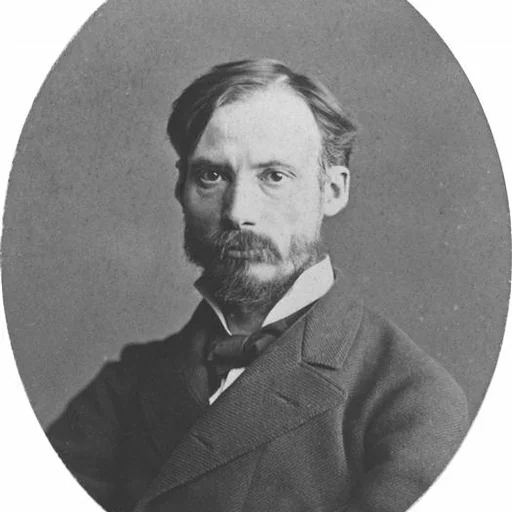
Artist
Pierre-Auguste Renoir was born on 25 February 1841 in Limoges, the son of a tailor and a seamstress.