Artwork
Three Figures in Landscape
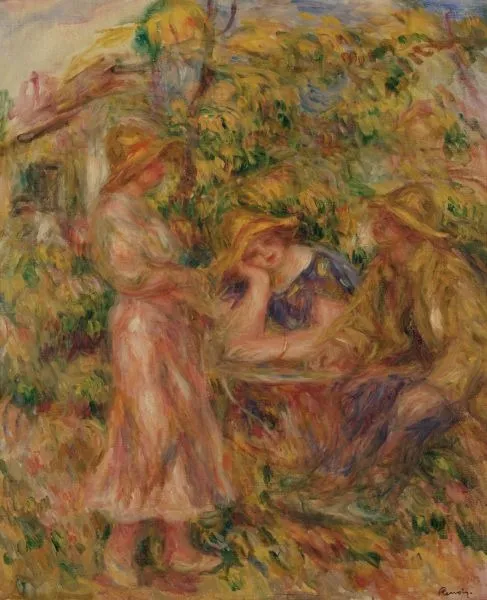
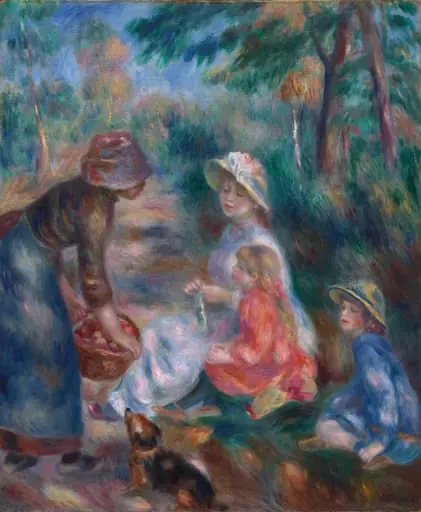
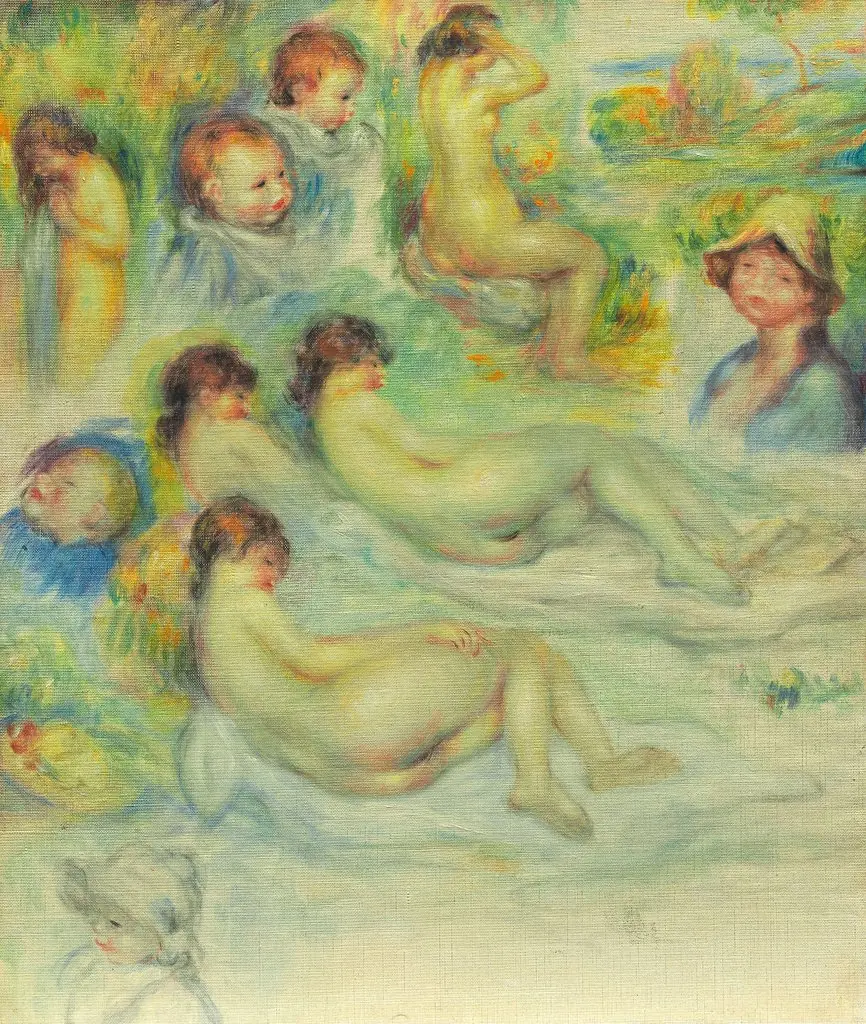
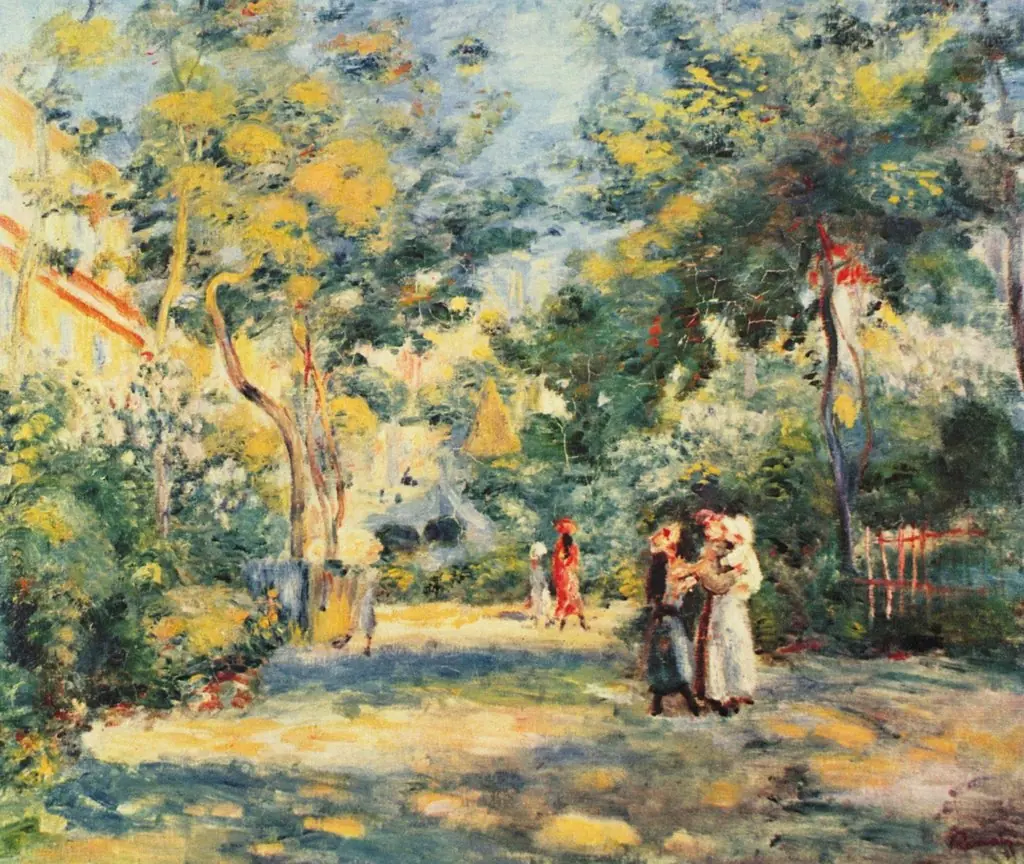
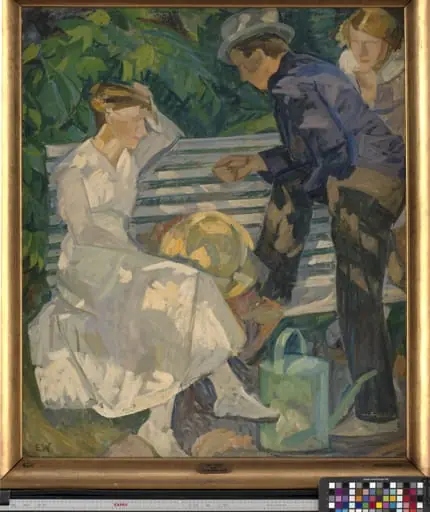
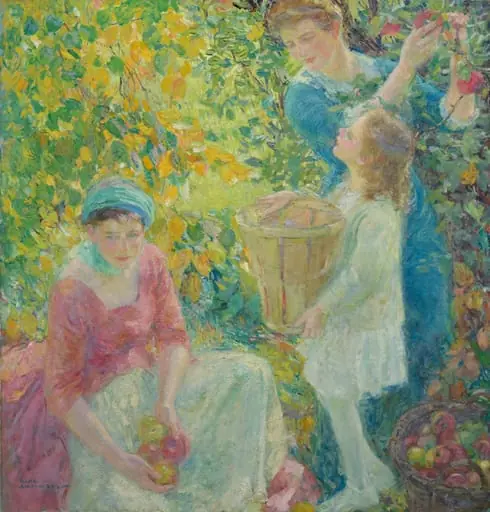
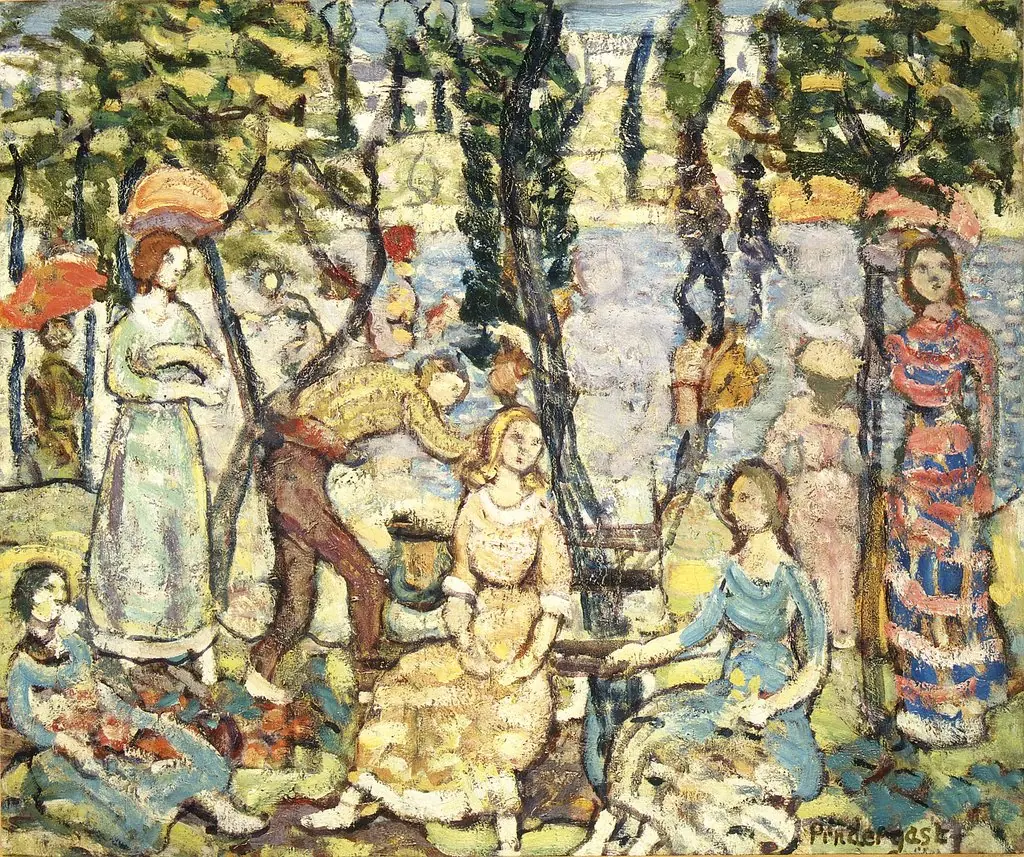
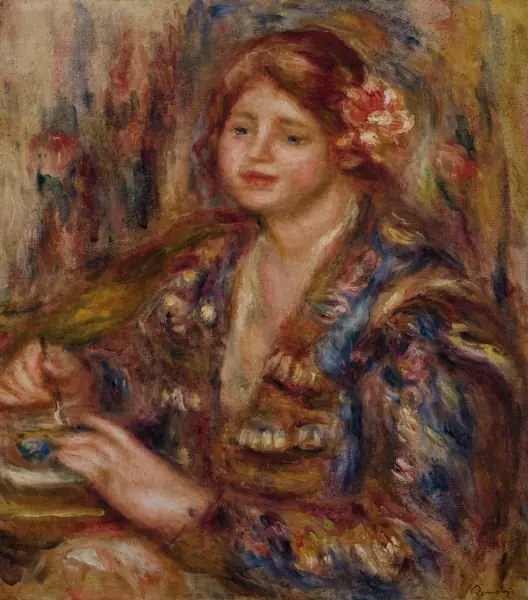
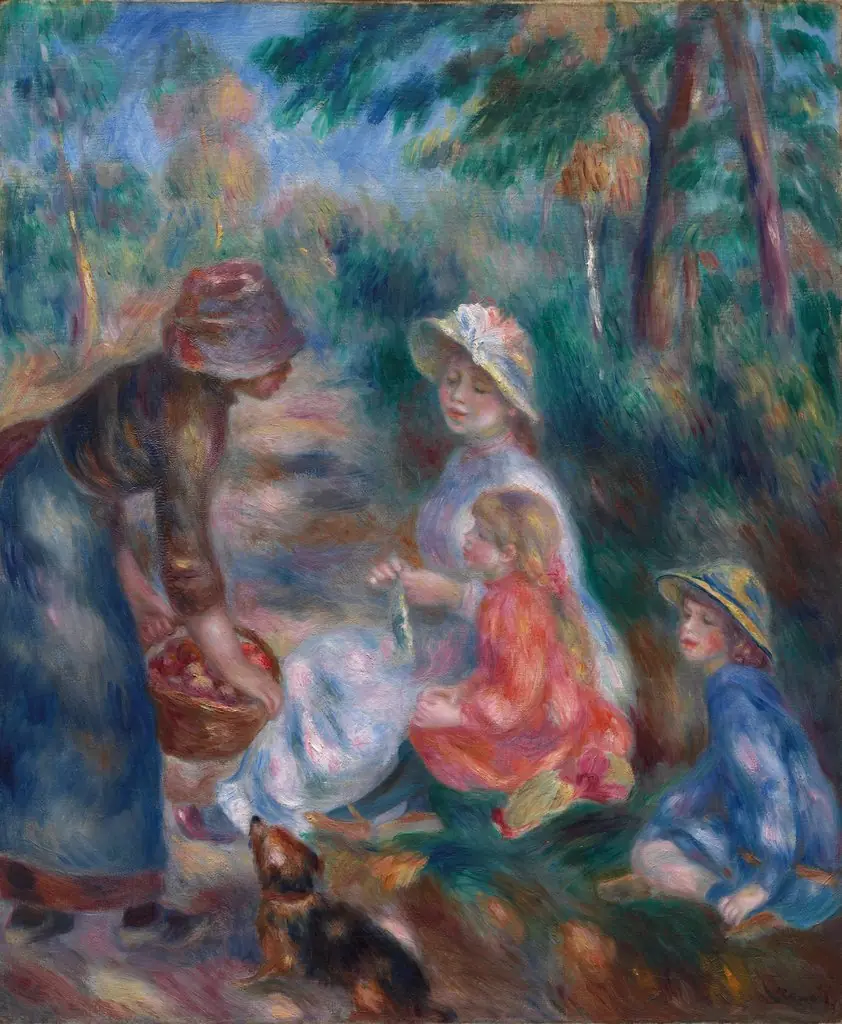
Three Figures in Landscape is an oil painting by the Post-Impressionist artist Auguste Renoir. It dates from 1916 and is held in the collection of the National Museum of Western Art.
About this work
Overview
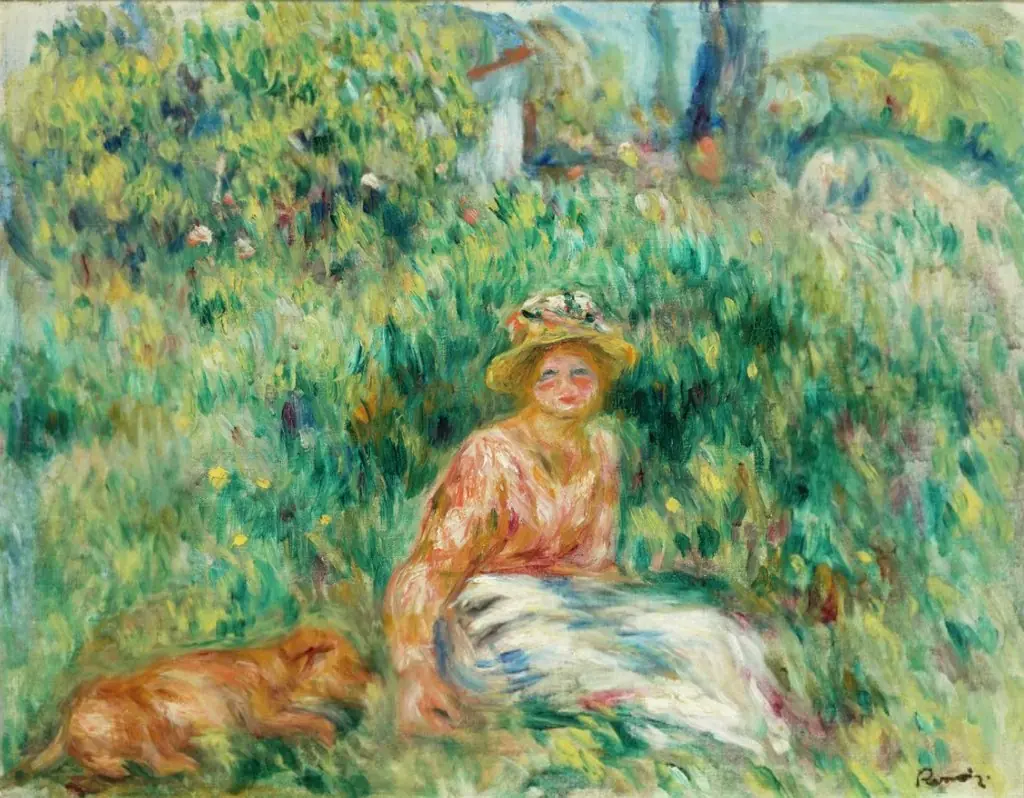
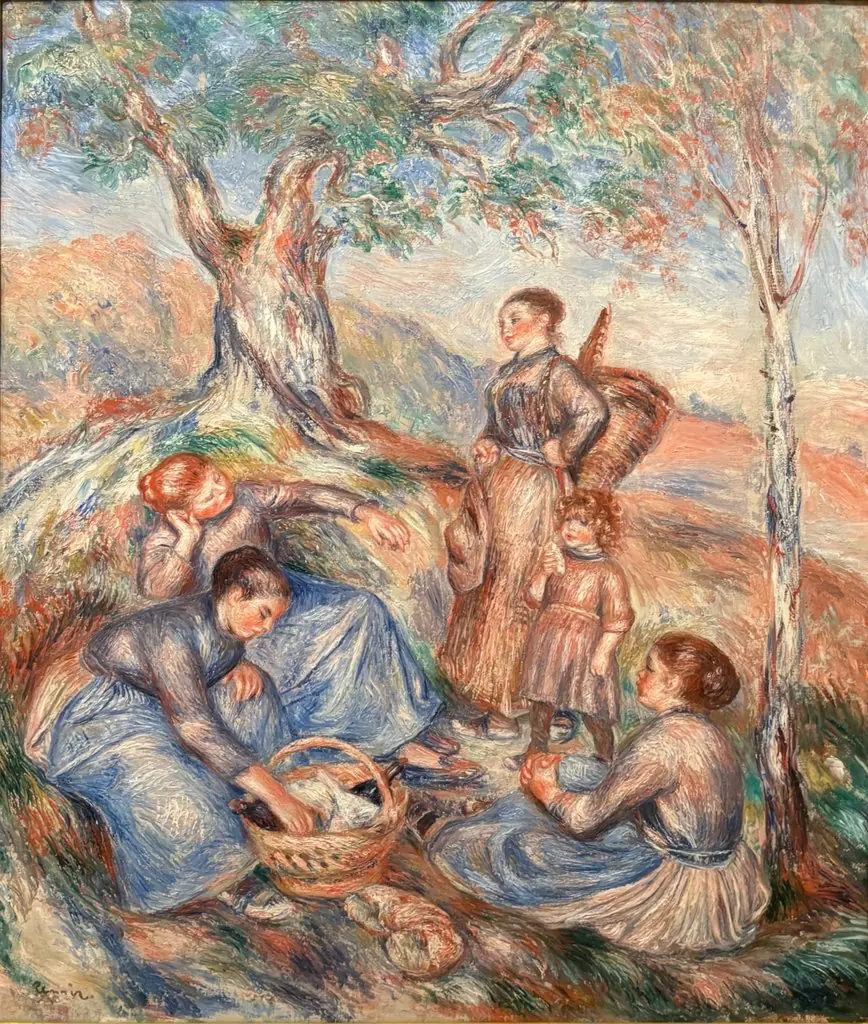
It depicts three individuals within a natural setting, rendered with loose, blended brushwork that softens forms and merges figures with their surroundings.
Painted in 1916, Three Figures in Landscape is an oil work by Pierre-Auguste Renoir, reflecting his late style. It depicts three individuals within a natural setting, rendered with loose, blended brushwork that softens forms and merges figures with their surroundings. The painting resides in the National Museum of Western Art, Tokyo, as part of its collection of Impressionist and post-Impressionist works.
Subject & Meaning
The painting presents three figures—two standing, one seated—in a quiet, sunlit outdoor scene. Their postures suggest contemplation or quiet conversation, but no specific narrative is defined. Renoir avoids dramatic action, instead emphasizing the calm presence of individuals within nature, aligning with his later interest in harmony and serenity over storytelling.
Technique & Style
Renoir employs a dense application of small, textured brushstrokes, characteristic of his mature period. Color transitions are subtle, with greens, yellows, and earth tones blending softly to dissolve edges between figures and landscape. The lack of sharp definition creates a luminous, atmospheric effect, prioritizing sensory impression over precise detail.
History & Provenance
Completed in 1916, during Renoir’s final years, the painting was acquired by the Matsukata family, Japanese collectors who assembled a significant Western art collection. After World War II, the Japanese government took custody of the collection, later transferring it to the National Museum of Western Art in Tokyo, where it remains today.
Context
Painted during Renoir’s declining health, this work reflects his continued devotion to the human form in nature, even as his style grew more fluid and less structured. Though associated with early Impressionism, his late works like this one show a shift toward classical composition and tactile color, influenced by Renaissance art and his own evolving aesthetic.
Legacy
Three Figures in Landscape exemplifies Renoir’s enduring focus on human presence within natural light. While not among his most widely reproduced works, it contributes to understanding his late-period synthesis of Impressionist technique with a more enduring, sculptural sense of form, influencing later interpretations of figure painting in modern art.
Artist & collection
Artist
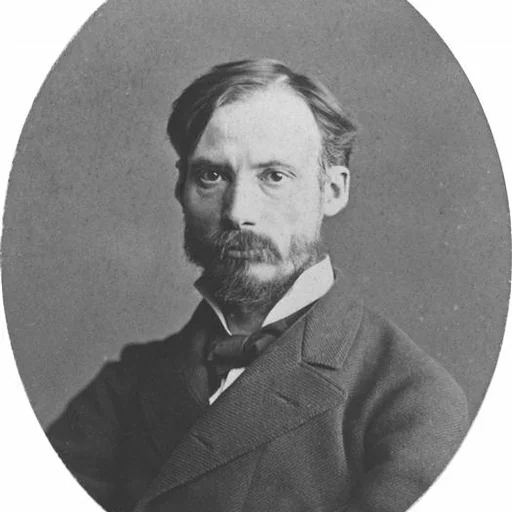
Pierre-Auguste Renoir was born on 25 February 1841 in Limoges, the son of a tailor and a seamstress.