Artwork
Mountain Landscape
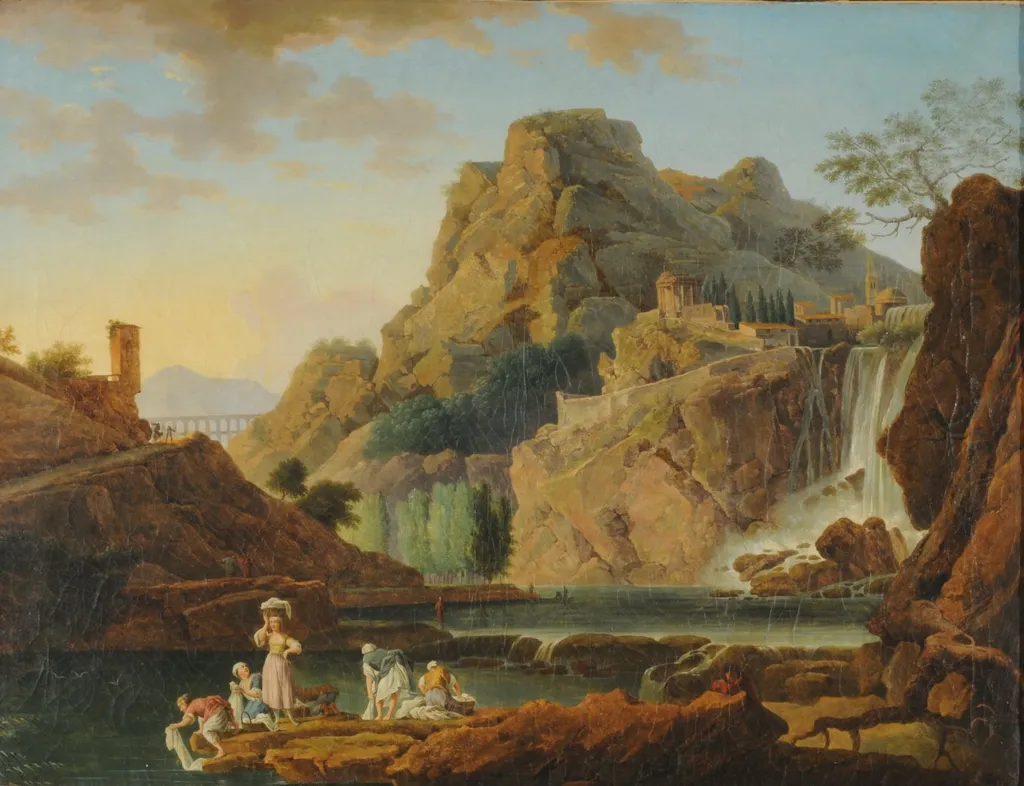
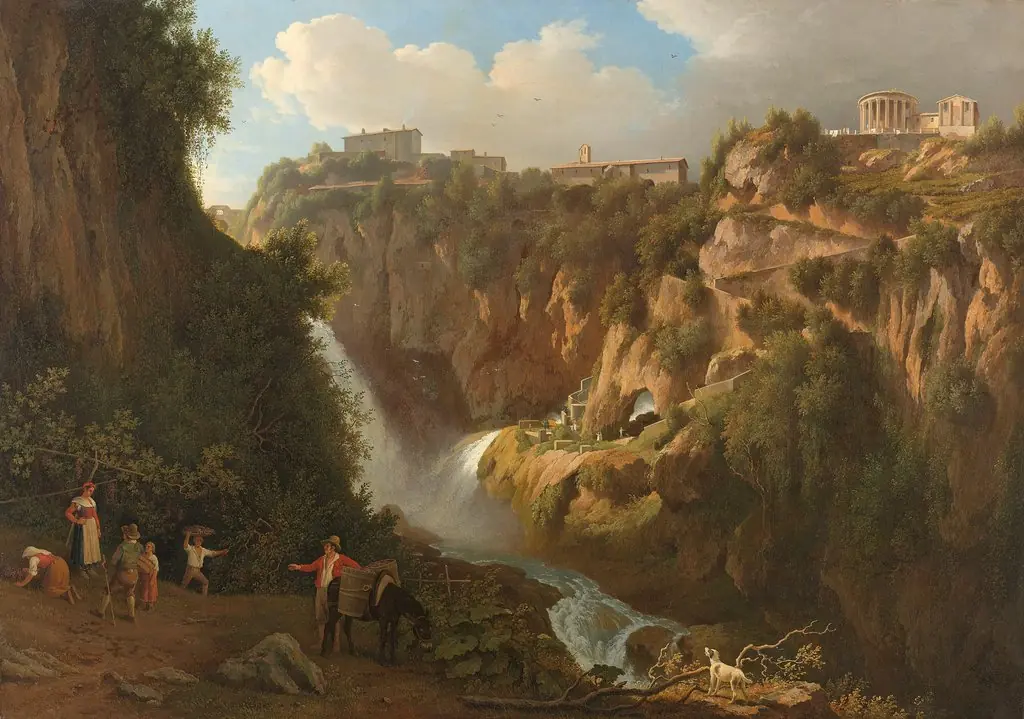
Mountain Landscape is an oil painting by Pierre-François Le Roy. It dates from 1799 and is held in the collection of the National Museum of Fine Arts, Argentina.
About this work
Overview
The composition balances natural elements with human activity, emphasizing quiet daily life within a rugged environment.
Painted in 1799 by Pierre-François Le Roy, this oil-on-canvas work presents a tranquil mountain scene. It is part of the collection at the National Museum of Fine Arts in Buenos Aires. The composition balances natural elements with human activity, emphasizing quiet daily life within a rugged environment. The painting’s subdued palette and meticulous detail reflect a deliberate, observational approach to landscape.
Subject & Meaning
The scene centers on a mountainous terrain with a cascading waterfall, where figures in the foreground wash textiles in the stream. A modest village clings to the upper slopes, suggesting rural habitation. The inclusion of labor—domestic, unglamorous—grounds the image in realism rather than idealization. The quietude of the moment implies harmony between people and their environment, without overt narrative or symbolism.
Technique & Style
Le Roy employs fine brushwork to render textures of rock, foliage, and water with precision. The muted tones—earthy greens, soft browns, and pale grays—create a cohesive, atmospheric whole. Light is diffused, avoiding dramatic contrasts, which enhances the calm mood. Depth is suggested through layered recession: foreground figures, midground trees, and distant structures recede into hazy mountain ridges.
History & Provenance
Created in 1799, the painting entered the collection of the National Museum of Fine Arts in Buenos Aires at an unknown date. No records indicate public exhibition prior to its acquisition by the museum. Its journey from Europe to South America remains undocumented, though its presence in the museum’s holdings confirms its recognition as a significant work within their 18th- to 19th-century European collection.
Context
Le Roy worked during a period when landscape painting in Europe increasingly valued observation over mythological or heroic themes. This piece aligns with emerging trends in topographical realism, where everyday rural life was rendered with quiet dignity. Though not part of a major artistic movement, the painting reflects broader 18th-century interests in nature’s quiet rhythms and human adaptation to it.
Legacy
Pierre-François Le Roy’s oeuvre remains relatively obscure, with few works widely documented. This painting stands as one of the better-preserved examples of his landscape output. Its presence in a major South American institution highlights the global circulation of European art in the 19th century, even if the artist himself did not achieve lasting fame in his homeland.
Own this work as a print
Artist & collection

Museum
National Museum of Fine Arts, Argentina
Continue through works from the same source collection.
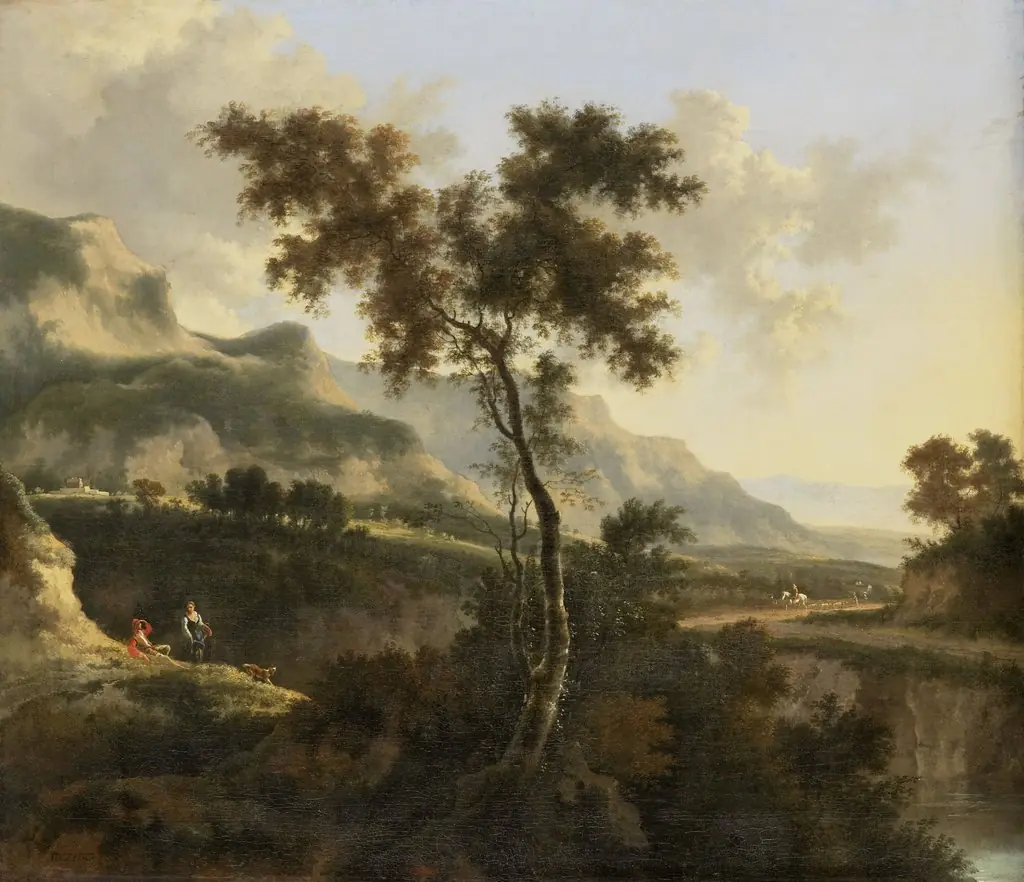 Mountainous landscape
 A Mountain Scenery with a River
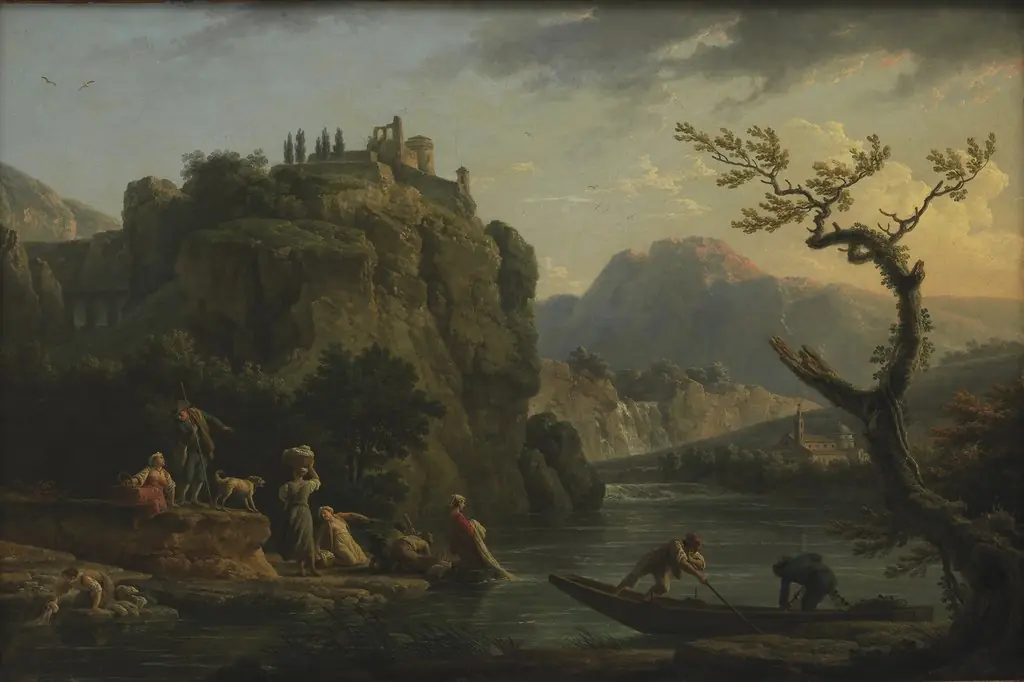 Mountain Landscape with a River
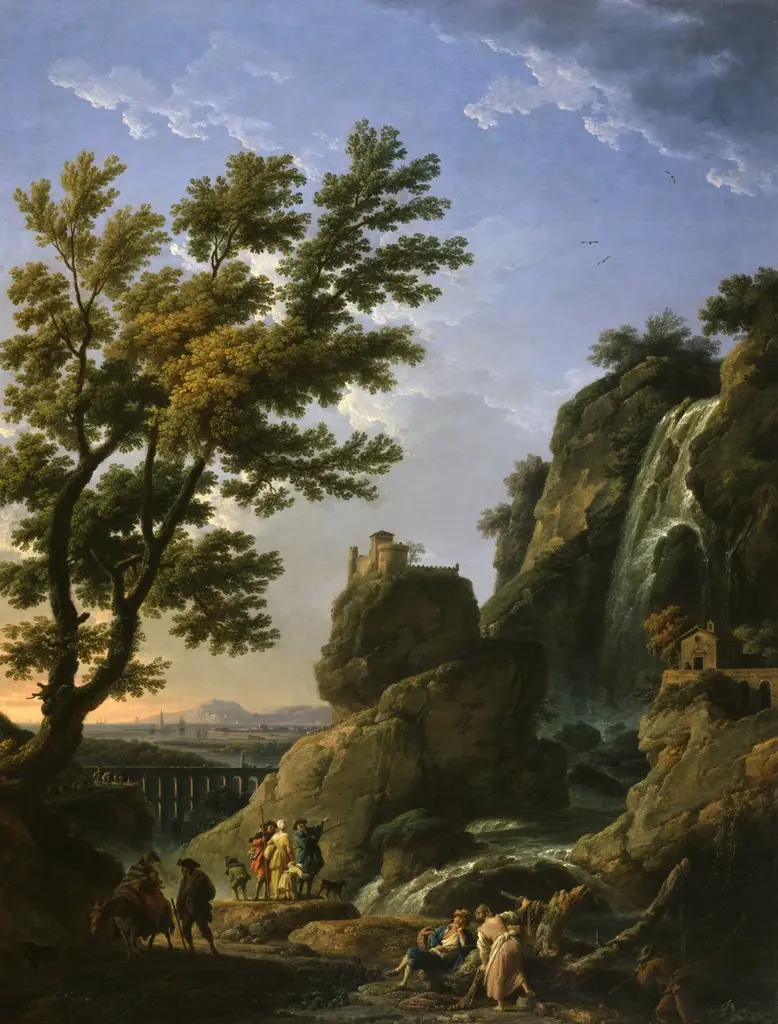 Landscape with Waterfall and Figures
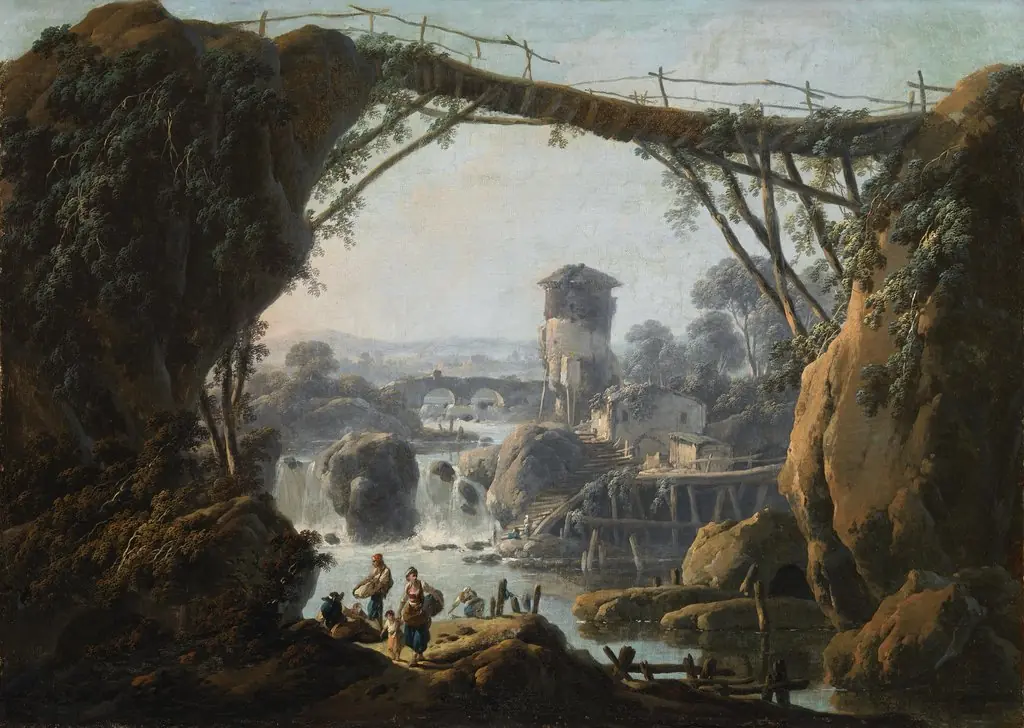 Landscape with Washerwomen and Peasants
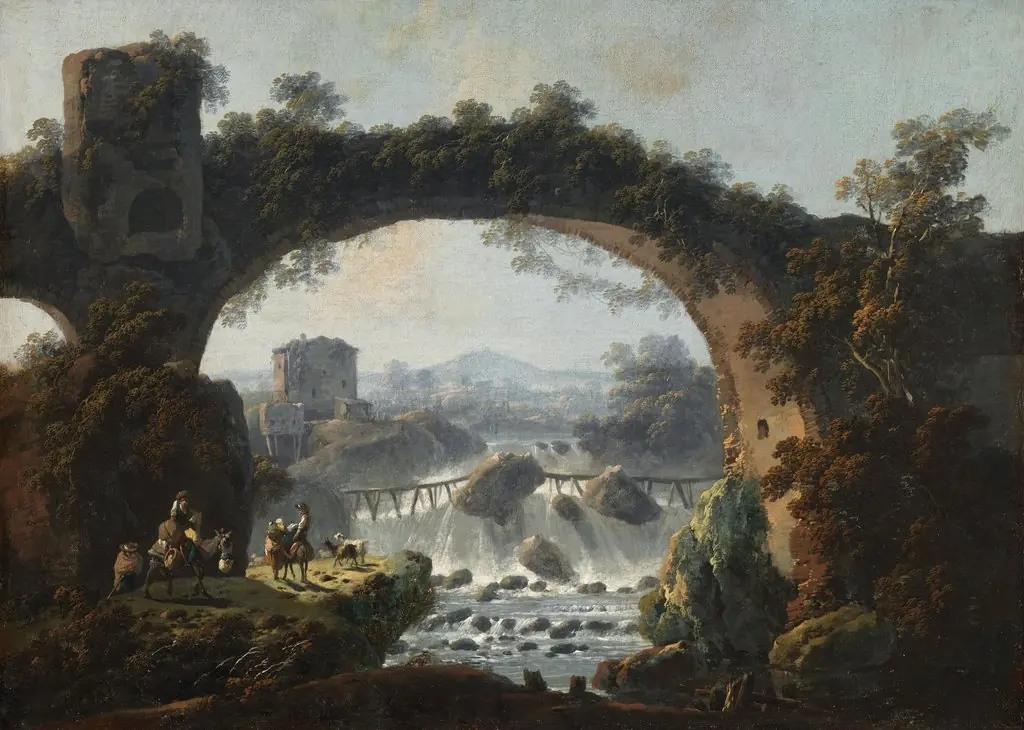 Landscape with Muleteers and Peasants
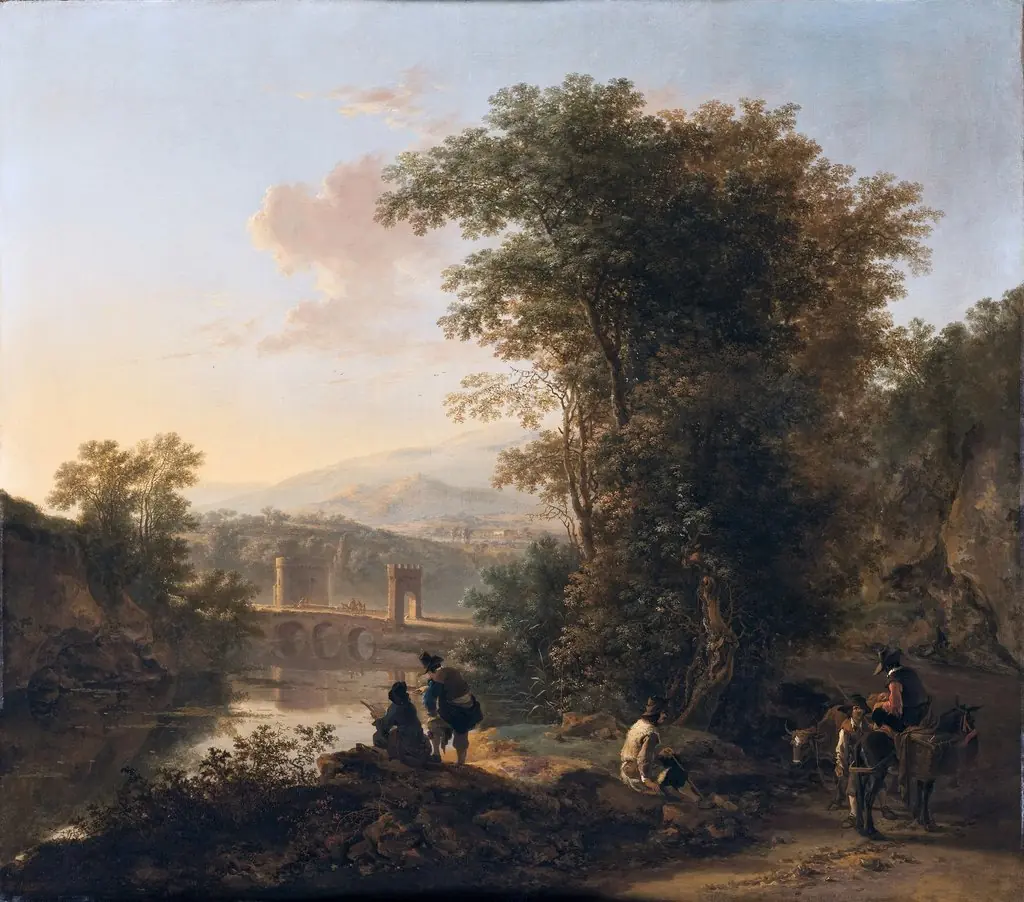 Landscape with a Draftsman
 The Temple of Vesta in Tivoli
 Ideal Landscape with a Sacrifice to the Goddess Flora
 The Villa of Maecenas in Tivoli
 Italian Landscape with Bathers
 The Waterfall at Tivoli