Artwork
Pollard Willow
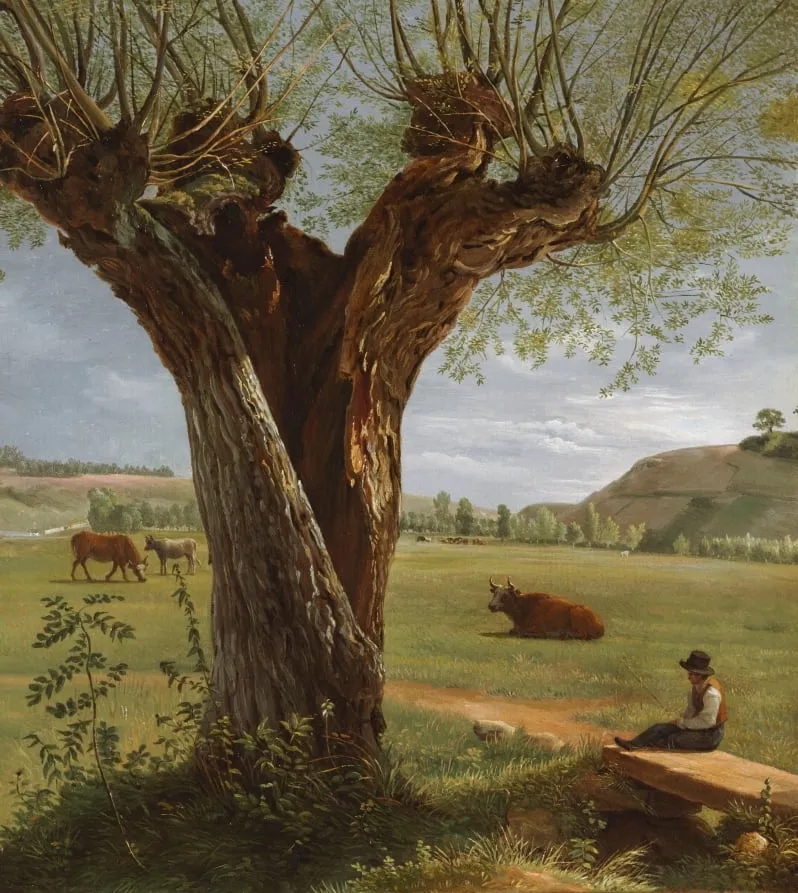
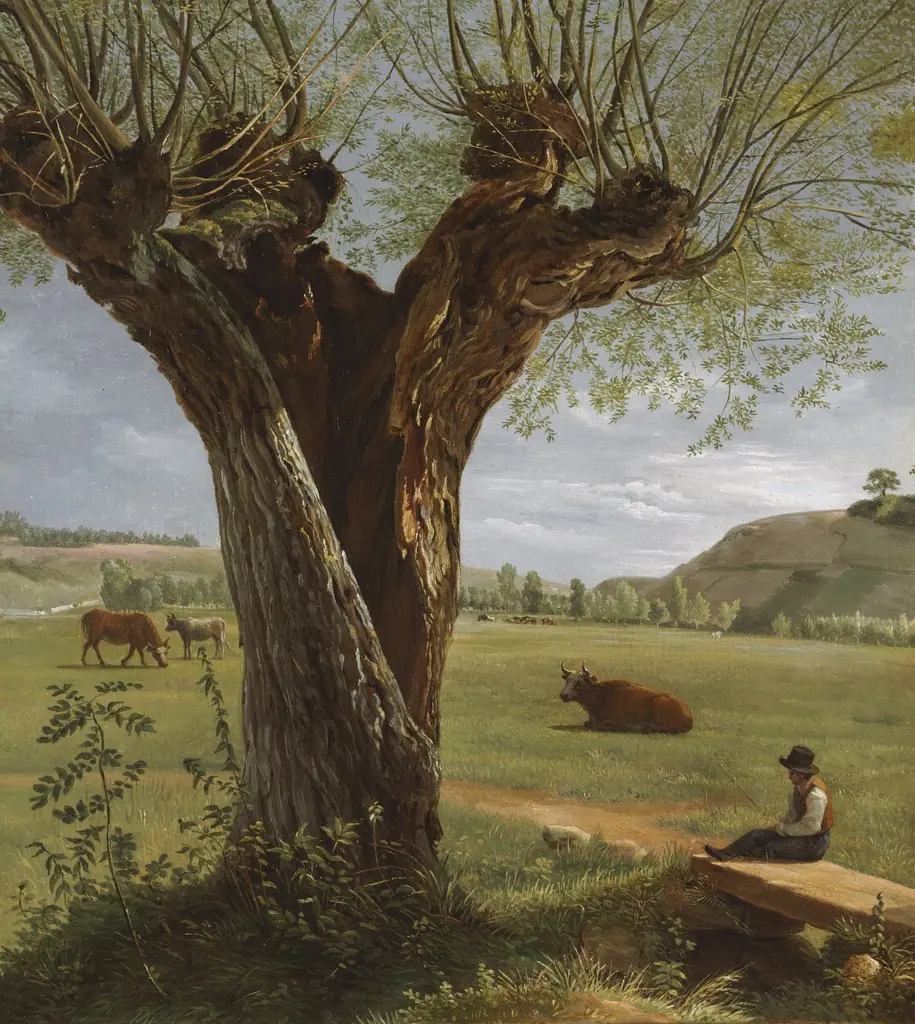
Pollard Willow is an unspecified painting by the Barbizon school artist Pierre Jean Boquet. It dates from 1804 and is held in the collection of the Cleveland Museum of Art.
About this work
Overview
Pollard Willow is a landscape painting that presents a tranquil scene dominated by a single willow tree. The composition is bathed in a warm, golden illumination that softens the horizon and creates a gentle, pastoral mood. The work’s restrained palette and calm atmosphere invite quiet contemplation of the natural setting.
Subject & Meaning
The central motif is a pollarded willow, a tree whose branches have been regularly cut back to encourage new growth. This horticultural practice, common before the mid‑19th century, supplied flexible shoots for basketry, fencing and animal fodder, linking the image to rural economies and traditional land‑use.
Technique & Style
The artist employs a delicate handling of light reminiscent of 17th‑century French landscape painters, especially those active in Rome. Subtle chiaroscuro models the forms, while a luminous, golden glow suffuses the sky and foliage, producing a soft contrast that enhances the scene’s serene quality.
History & Provenance
Little documentation exists regarding the painter, Boquet, and his training remains uncertain. An inscription on another work attributed to him suggests a period spent in Rome, where exposure to the works of Claude Lorrain and his peers likely informed his approach to light and atmosphere.
Context
The depiction of a pollarded willow reflects agricultural practices prevalent prior to the Industrial Revolution (circa 1750–1850). By illustrating this managed tree, the painting records a facet of pre‑industrial rural life, emphasizing the interdependence between human activity and the natural environment.
Artist & collection

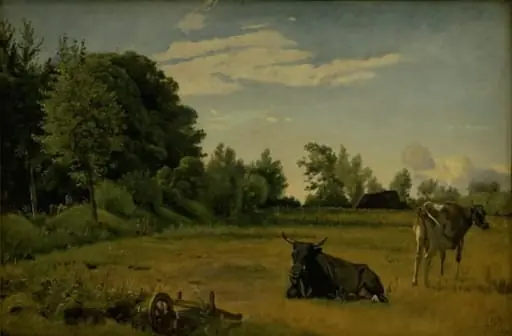 Two Cows in as Field near Vognserup Manor, Zealand
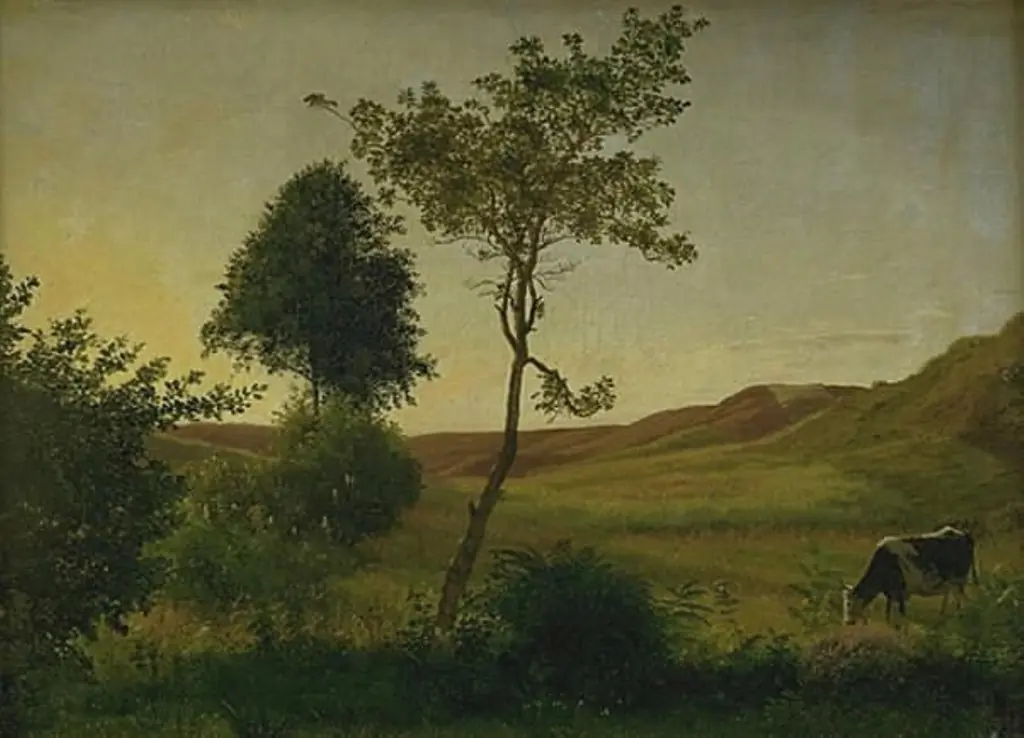 Landskab ved Hald henimod aften
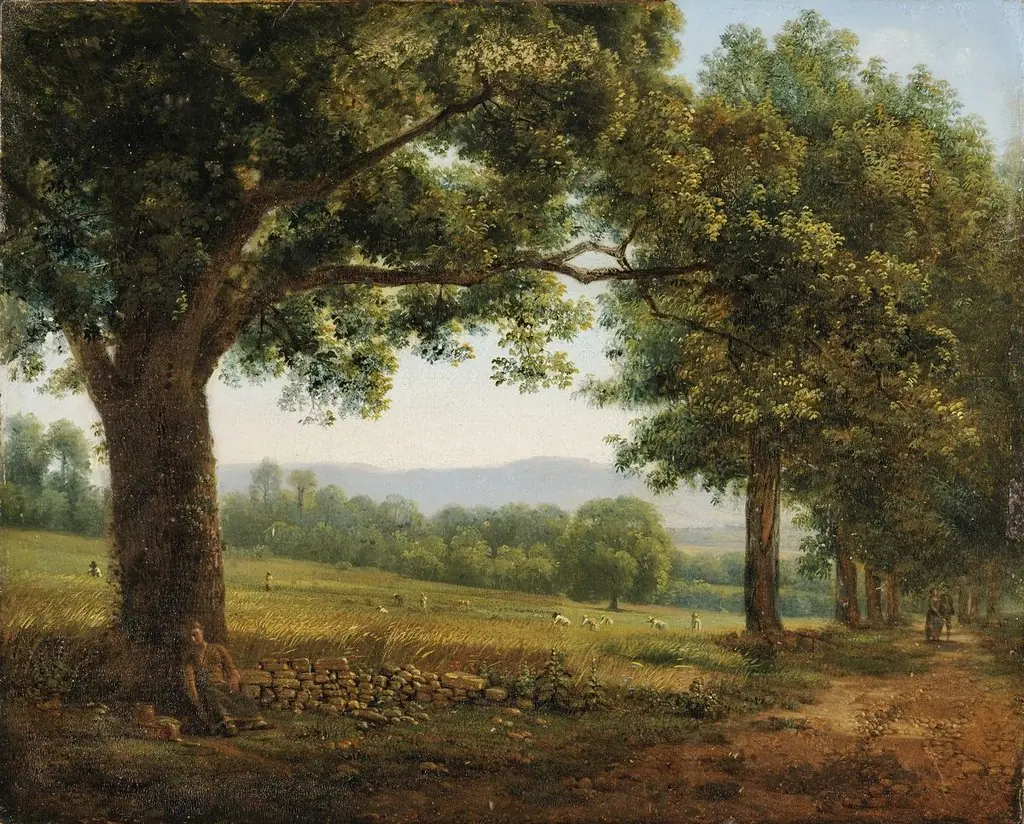 Vue aux environs de Lyon
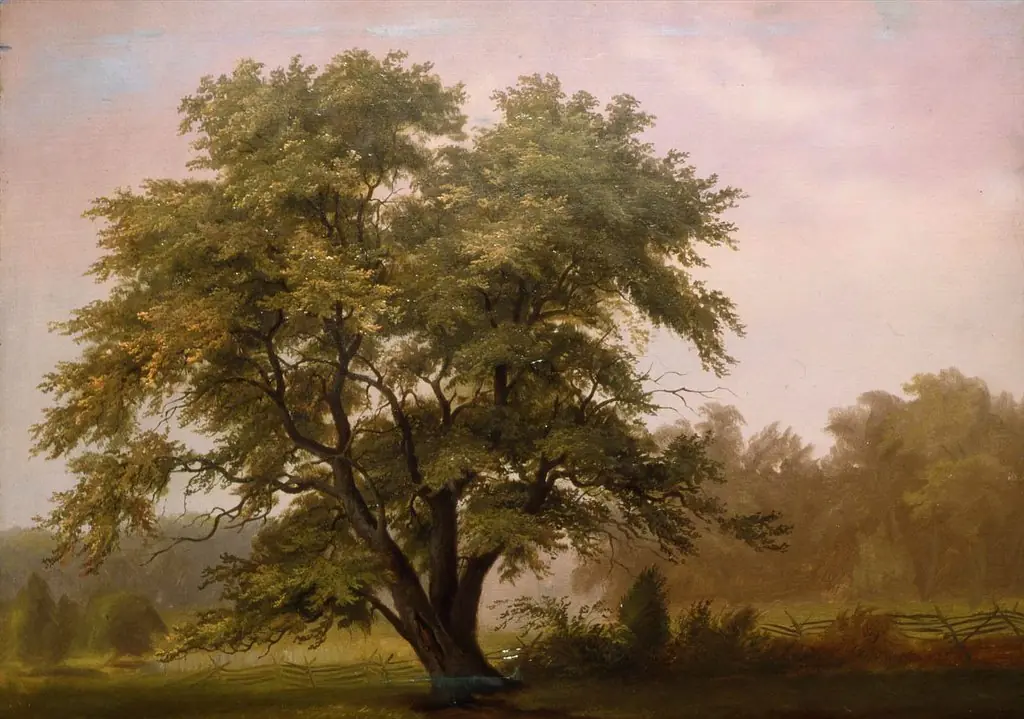 Landscape with Large Tree
 Efterårsmorgen i Jægersborg Dyrehave
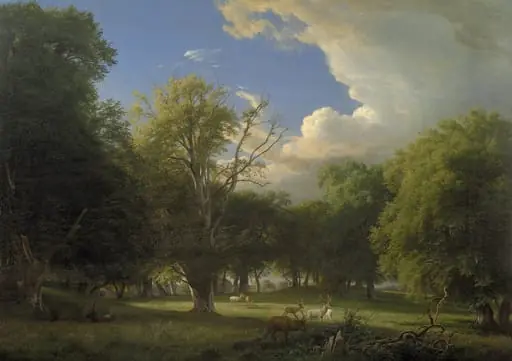 Summer Afternoon with a Passing Shower. The Deer Park in Jægersborg North of Copenhagen
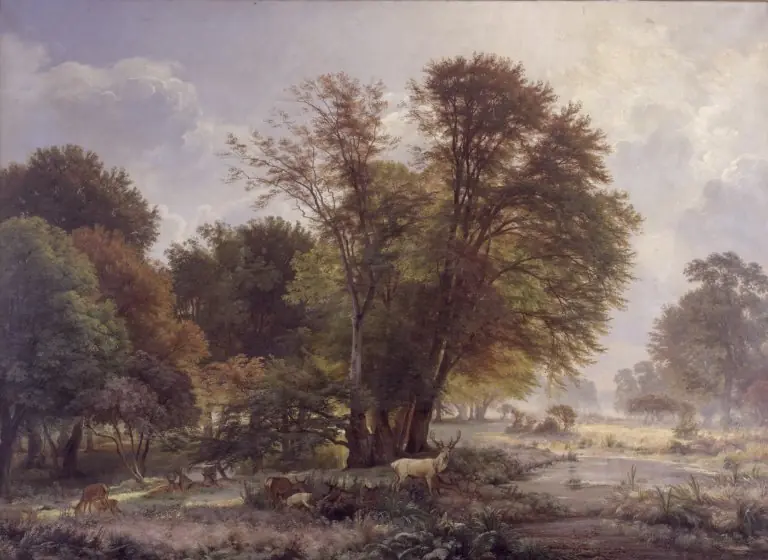 Efterårsmorgen i Jægersborg Dyrehave
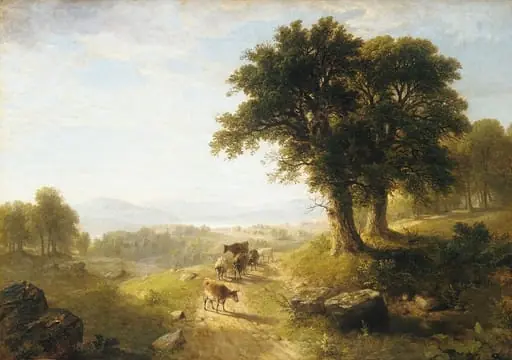 River Scene
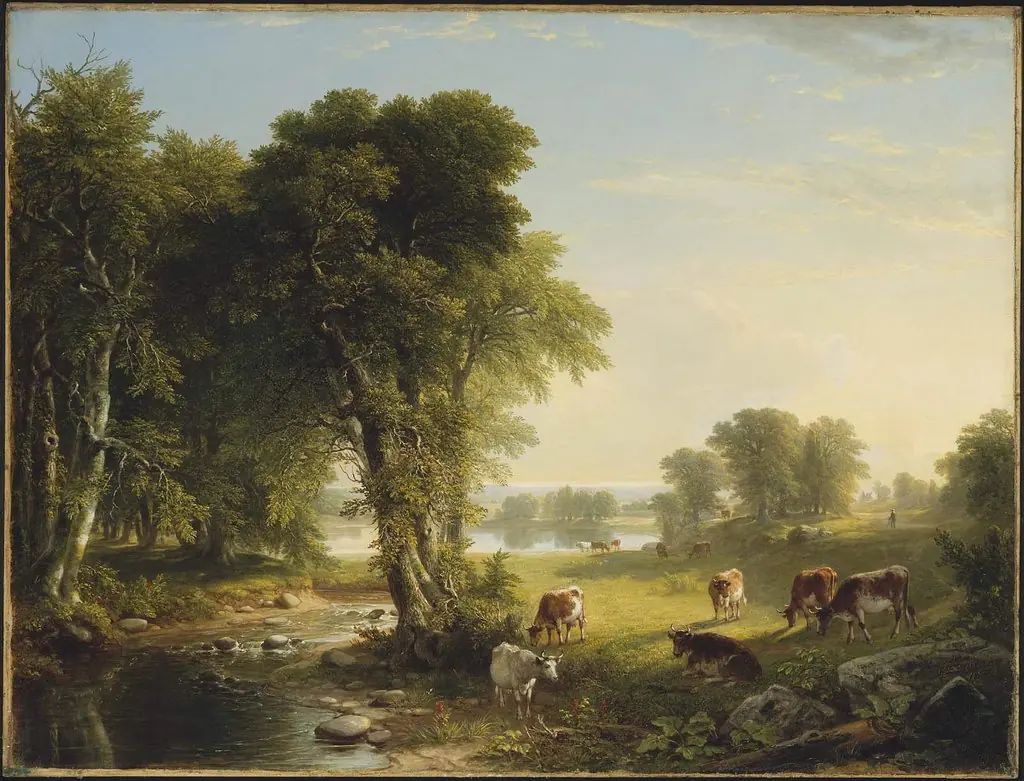 The Babbling Brook
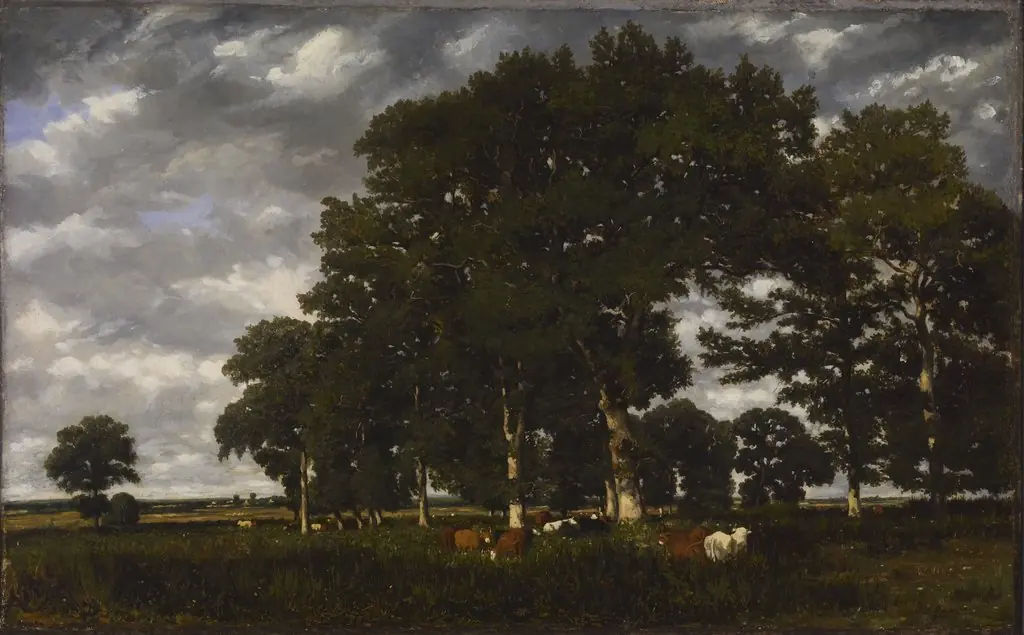 A Bright Day
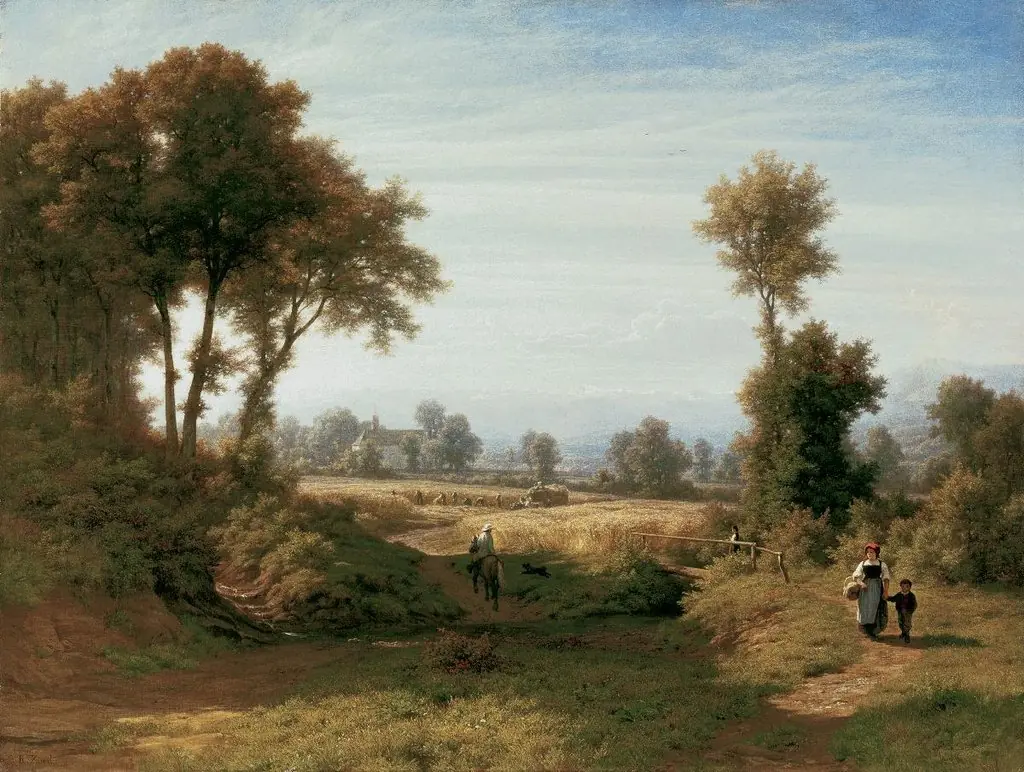 Schlachtkapelle von Sempach
 Pollard Willow