Artwork
Auguste Vacquerie
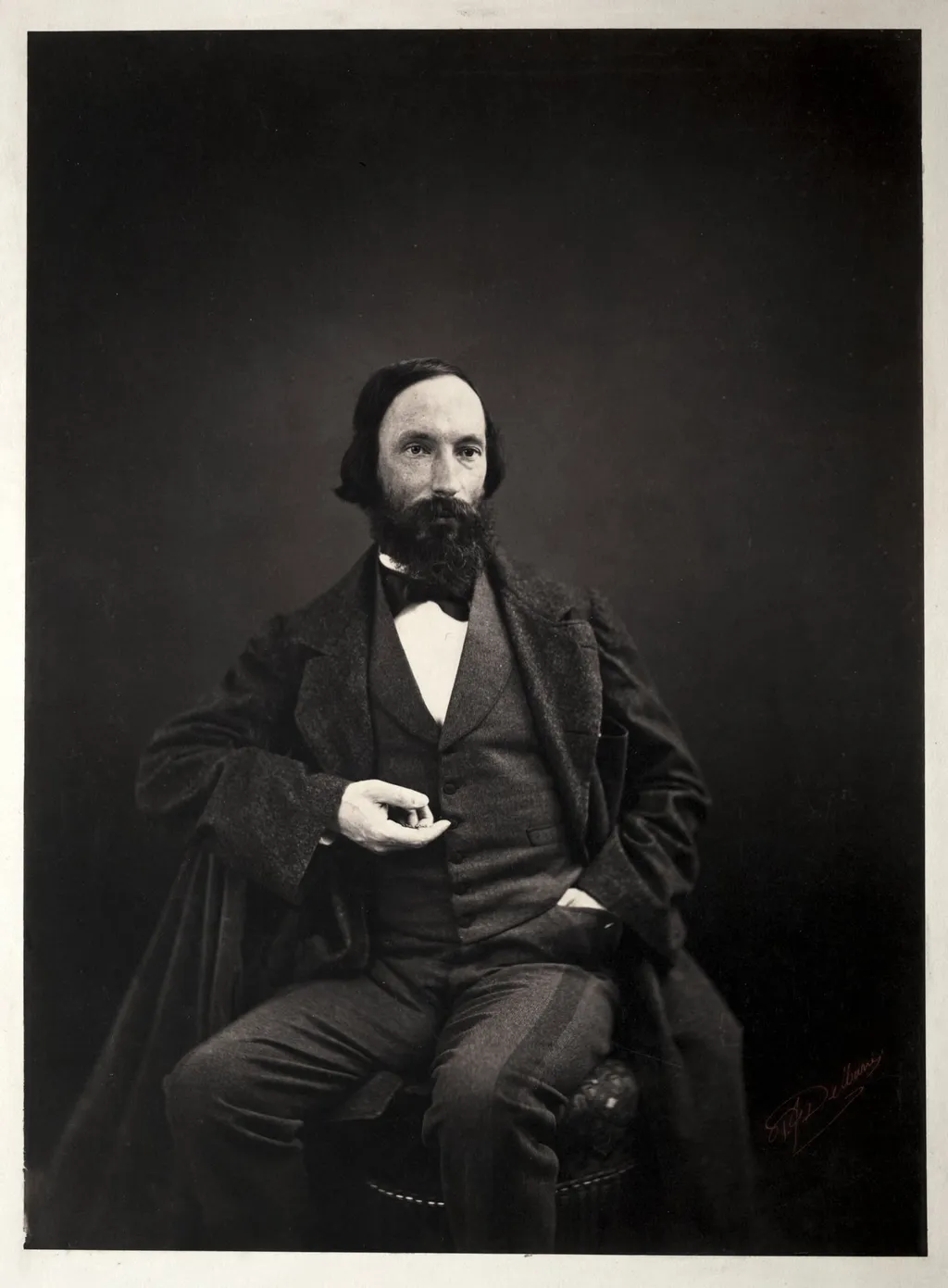
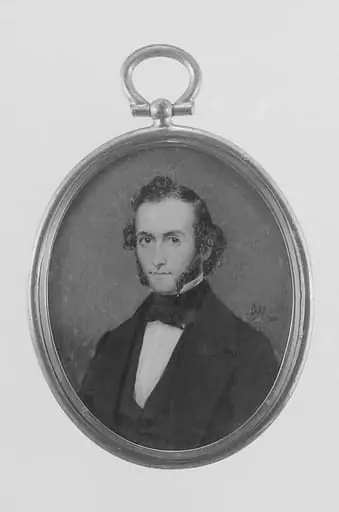
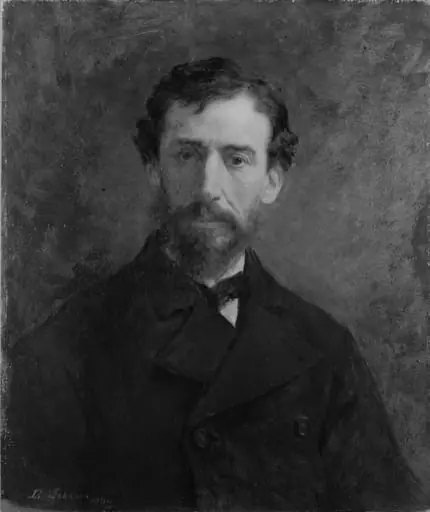
Auguste Vacquerie is a photography by the Impressionist artist Pierre Jean Delbarre. It dates from 1860 and is held in the collection of the Cleveland Museum of Art.
About this work
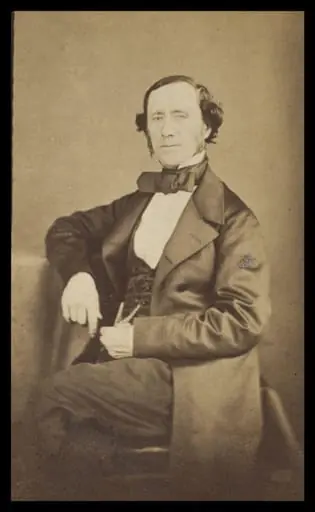
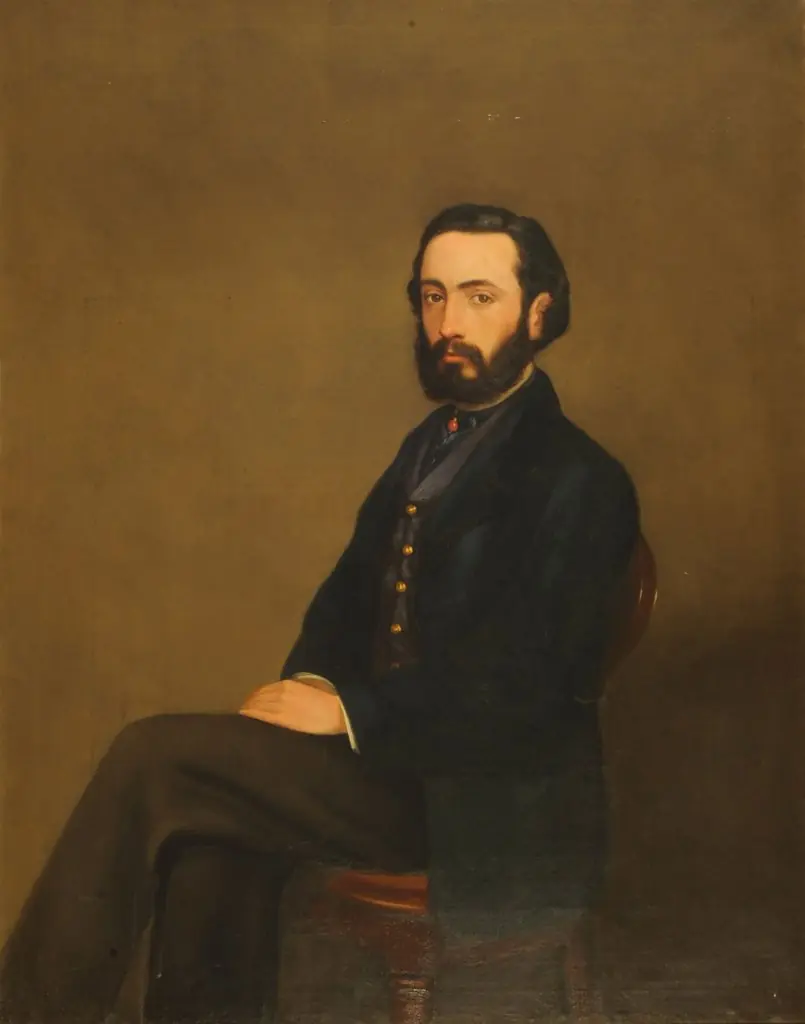
He wears a dark suit, complete with a vest, coat, and bow tie, and has his right hand resting on his lap.
This black-and-white photograph shows a man seated on a chair, dressed in formal attire. He wears a dark suit, complete with a vest, coat, and bow tie, and has his right hand resting on his lap.
The man's gaze is directed towards the camera, and his dark hair is neatly styled. The background of the image is a plain, dark wall, which serves to accentuate the subject's features.
The photograph is a portrait of Auguste Vacquerie, taken by Pierre Jean Delbarre around 1860. To learn more about the artistic style of this period, explore the Realism movement.
Overview
This black-and-white photograph, created around 1860 by Pierre Jean Delbarre, depicts Auguste Vacquerie, a French writer and critic. The image is part of the collection at The Cleveland Museum of Art. It captures Vacquerie in a seated, formal pose, rendered with the clarity and restraint typical of early photographic portraiture. The composition emphasizes stillness and presence, characteristic of mid-19th-century studio practices.
Subject & Meaning
Auguste Vacquerie was a noted literary figure associated with Victor Hugo and the Romantic movement. The portrait presents him not as an idealized figure, but as a man of intellect and composure. His direct gaze and formal attire suggest dignity and social standing. The image functions as a record of personal identity within a culture increasingly valuing the individual through visual documentation.
Technique & Style
Delbarre employed the wet plate collodion process, common in the 1860s, to achieve sharp detail and tonal range. The plain dark background isolates the subject, focusing attention on facial expression and attire. Lighting is even and soft, minimizing shadows to enhance clarity. The photograph’s formal composition reflects the conventions of studio portraiture, prioritizing accuracy over artistic embellishment.
History & Provenance
The photograph was likely made in Paris, where Delbarre operated as a professional photographer. Vacquerie, a contemporary of literary and artistic circles, would have been a natural subject for such portraits. The image entered the Cleveland Museum of Art’s collection through documented acquisition, preserving its origin and context within the history of photographic practice in France.
Context
In the 1860s, photography was becoming a tool for documenting public figures and private individuals alike. While painting still dominated portraiture, photographers like Delbarre offered a new kind of realism—unmediated and immediate. Vacquerie’s portrait aligns with this shift, reflecting a growing cultural interest in capturing identity through mechanical means rather than artistic interpretation.
Legacy
The photograph endures as a quiet testament to the early integration of photography into intellectual life. It preserves the likeness of a man who contributed to literary discourse, offering insight into how writers of the era were visually represented. As one of many such portraits from the period, it contributes to the broader archive of 19th-century visual culture.
Artist & collection