Artwork
Drapery Study
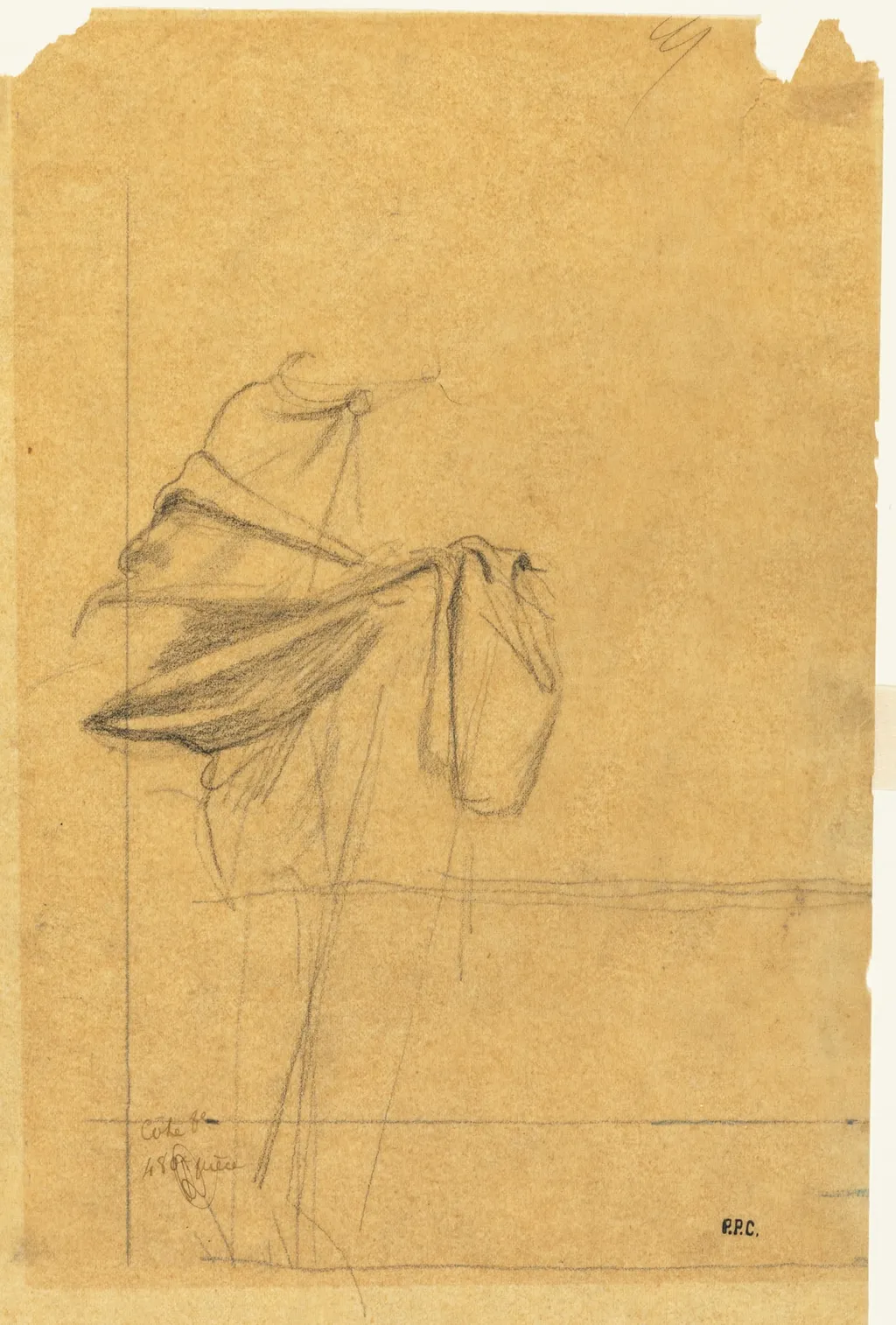
Drapery Study is a drawing by the Impressionist artist Pierre Puvis de Chavannes. It dates from 1804 and is held in the collection of the Cleveland Museum of Art.
About this work
Overview
The drawing’s fragile condition—yellowed paper, faded lines—suggests its function as a working tool, preserved for its utility rather than its finish.
Drapery Study is a pencil drawing by Pierre Puvis de Chavannes, likely executed in the 1870s or 1880s, not 1804 as previously misstated. It belongs to a series of preparatory sketches in which the artist examined the behavior of fabric under light. These studies were essential to his larger mural projects, serving as quiet, focused investigations rather than finished works. The drawing’s fragile condition—yellowed paper, faded lines—suggests its function as a working tool, preserved for its utility rather than its finish.
Subject & Meaning
The drawing depicts a single length of cloth suspended loosely, its folds rendered with minimal detail. There is no figure, no narrative—only the abstract interplay of gravity and textile. Puvis used such studies to understand how fabric could suggest volume and movement without literal representation. The absence of context emphasizes form over story, aligning with his broader interest in timeless, symbolic compositions that prioritized harmony over drama.
Technique & Style
Executed in light pencil strokes, the study captures the subtle gradations of light across fabric with economy. Lines are tentative, often overlapping, as if the artist was testing how folds might settle. Shading is restrained, used only to indicate where cloth gathers and casts shadow. The technique reflects a deliberate restraint, avoiding flourish in favor of clarity. This methodical approach reveals Puvis’s belief that structure should serve composition, not dominate it.
History & Provenance
The drawing is part of Puvis’s personal archive of studies, many of which were retained by the artist or his estate. Unlike his large-scale murals, these sketches were rarely exhibited publicly during his lifetime. After his death, they entered institutional collections, valued for their insight into his process. The current location is not specified, but similar studies are held in French and American museums, including the Cleveland Museum of Art, which has documented comparable works from his oeuvre.
Context
In late 19th-century France, academic painters increasingly turned to preparatory drawings to refine their monumental works. Puvis stood apart by treating these studies as ends in themselves—quiet meditations on form. His focus on drapery echoed classical traditions but stripped them of theatricality. This approach resonated with Symbolist sensibilities and influenced younger artists seeking alternatives to Impressionist immediacy or academic grandeur.
Legacy
Puvis’s drapery studies contributed to a broader rethinking of artistic preparation in the modern era. They demonstrated that sketches could hold aesthetic value independent of final compositions. Later artists, particularly those interested in abstraction and reduced form, looked to these works as models of restraint. Though not widely publicized in his time, they now serve as key documents in understanding the quiet rigor behind his monumental murals.
Artist & collection
Artist
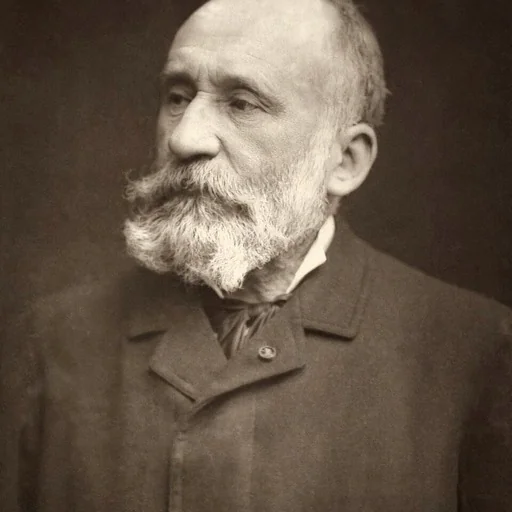
Pierre Puvis de Chavannes (French pronunciation: ; 14 December 1824 – 24 October 1898) was a French painter known for his mural painting, who came to be known as "the painter for France".


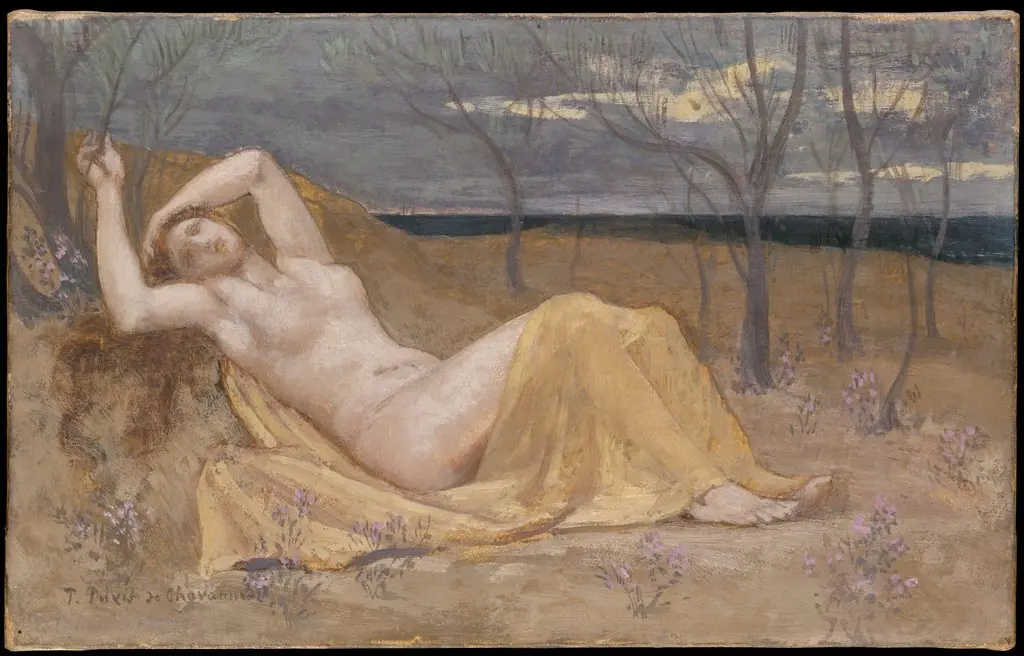
![Man Wearing a Cloak [verso], by Edouard Manet](https://artifactworldgallery.com/img/edouard-manet--man-wearing-a-cloak-verso--0bd057994533d120-w320.webp) Man Wearing a Cloak [verso]
Man Wearing a Cloak [verso]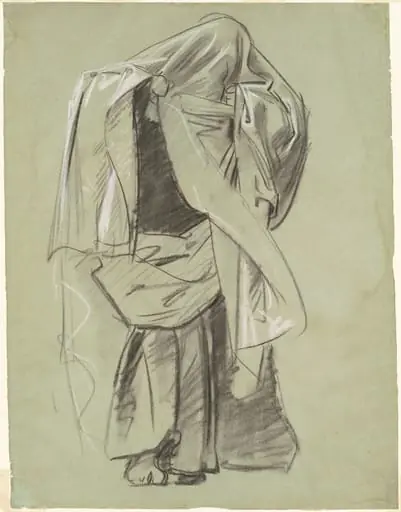 Study for "Frieze of Prophets"
![Study for "Shoeing Calvary Horses at the Front" [verso], by John Singer Sargent](https://artifactworldgallery.com/img/john-singer-sargent--study-for-shoeing-calvary-horses-at-the-front-verso--6f6d1a163e84e9ab-w320.webp) Study for "Shoeing Calvary Horses at the Front" [verso]
Study for "Shoeing Calvary Horses at the Front" [verso]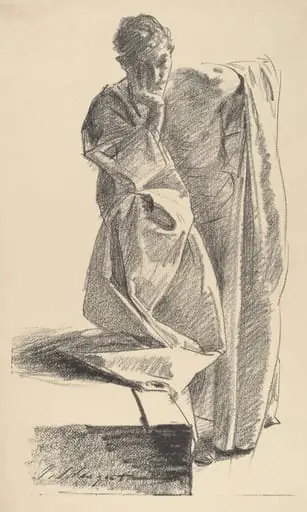 Study of a Young Man in a Robe, Standing
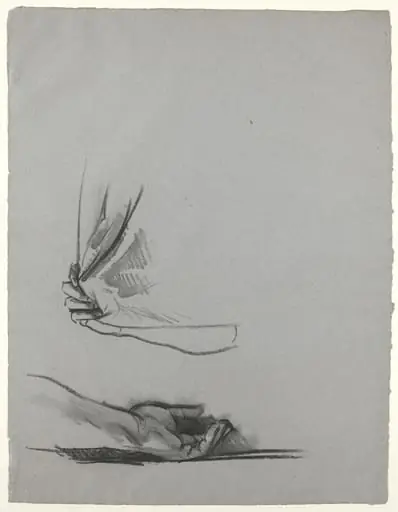 Studies of Hands
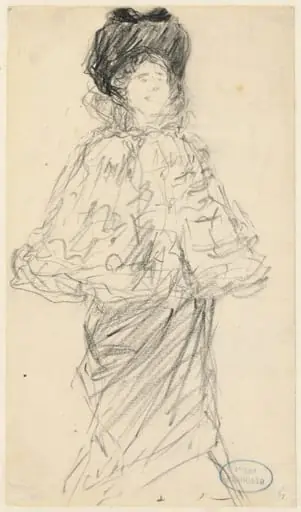 Standing Woman
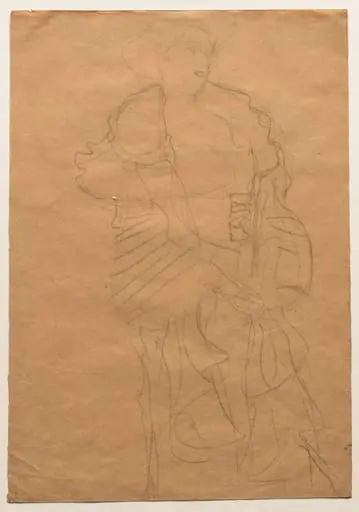 Hermine Gallia
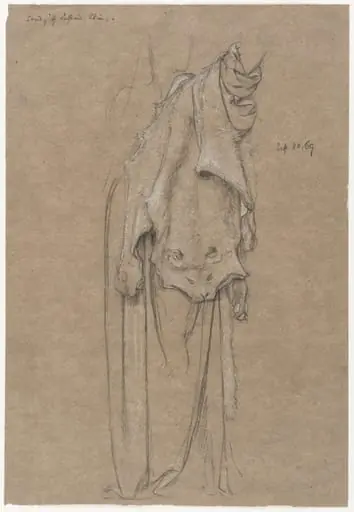 Study for a leopard skin for the figure of Fortitiude
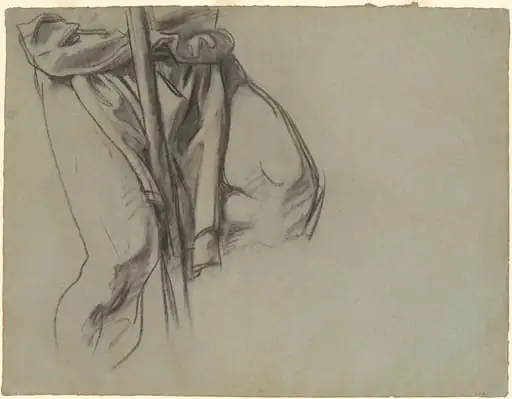 Study of Adam for the "Fifteen Mysteries of the Rosary"