Artwork
Study for "Shoeing Calvary Horses at the Front" [verso]
![Study for "Shoeing Calvary Horses at the Front" [verso], by John Singer Sargent, graphite, 1918](https://artifactworldgallery.com/img/john-singer-sargent--study-for-shoeing-calvary-horses-at-the-front-verso--6f6d1a163e84e9ab-w1024.webp)
Study for "Shoeing Calvary Horses at the Front" [verso] is a graphite drawing by John Singer Sargent. It dates from 1918 and is held in the collection of the National Gallery of Art.
About this work
This sketch shows a woman in a loose, silky dress. She stands sideways, one arm bent, lost in thought.
Sargent made this in 1918 as a warm-up for a war-time painting. He drew soldiers shoeing horses, but first he practiced poses like hers. The soft lines feel alive—no stiff uniforms here.
Check out another quiet Sargent portrait at the National Gallery of Art, Washington.
Overview
John Singer Sargent’s graphite drawing, titled Study for “Shoeing Calvary Horses at the Front” (verso), was executed in 1918.
John Singer Sargent’s graphite drawing, titled Study for “Shoeing Calvary Horses at the Front” (verso), was executed in 1918. Measuring on wove paper, the work functions as a preparatory sketch for a larger wartime composition. It is part of the National Gallery of Art’s collection in Washington, D.C., and illustrates Sargent’s practice of working out figure studies before committing to the final painting.
Subject & Meaning
The drawing portrays a solitary woman dressed in a flowing, silky garment, rendered in a three‑quarter profile. Her posture is relaxed, with one arm bent, suggesting a moment of quiet contemplation rather than action. Though the final painting will depict soldiers shoeing horses, this figure serves as a study of human form and movement, providing a calm counterpoint to the intended martial scene.
Technique & Style
Executed in graphite on wove paper, the sketch relies on soft, gestural lines that capture the drapery of the fabric and the subtle curvature of the figure. Sargent’s handling of tone creates a sense of volume without heavy shading, emphasizing the fluidity of the pose. The absence of detailed uniform elements underscores the work’s purpose as a loose, exploratory study rather than a finished illustration.
History & Provenance
Created in the latter stages of World War I, the drawing was part of Sargent’s preparatory process for a larger composition on cavalry logistics. After its completion, the work entered the holdings of the National Gallery of Art, where it remains on view as an example of the artist’s methodical approach to large‑scale narrative painting.
Context
During 1918, Sargent, known primarily for portraiture, turned his attention to war‑related subjects, reflecting the broader artistic engagement with the conflict. This study illustrates his practice of isolating individual elements—here, a human figure—to resolve compositional challenges before integrating them into the complex scene of soldiers shoeing horses at the front.
Artist & collection
Artist
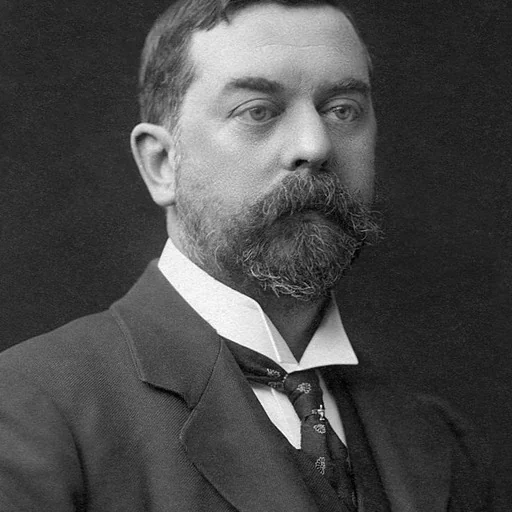
John Singer Sargent (; January 12, 1856 – April 15, 1925) was an American expatriate artist, considered the "leading portrait painter of his generation" for his evocations of Belle Époque and Edwardian-era luxury.

![Head of a Cow [recto], by Paul Gauguin](https://artifactworldgallery.com/img/paul-gauguin--head-of-a-cow-recto--b91cefb1149f906f-w320.webp)
![Study for "Greek Girls Bathing" [verso], by Elihu Vedder](https://artifactworldgallery.com/img/elihu-vedder--study-for-greek-girls-bathing-verso--ed81f42a8bac4300-w320.webp)
![Study of Hands Knitting [recto], by Perry, Enoch Wood, Jr.](https://artifactworldgallery.com/img/perry-enoch-wood-jr--study-of-hands-knitting-recto--6db2e53680195bdc-w320.webp)