Artwork
Mary Magdalene in the desert (Meditation)
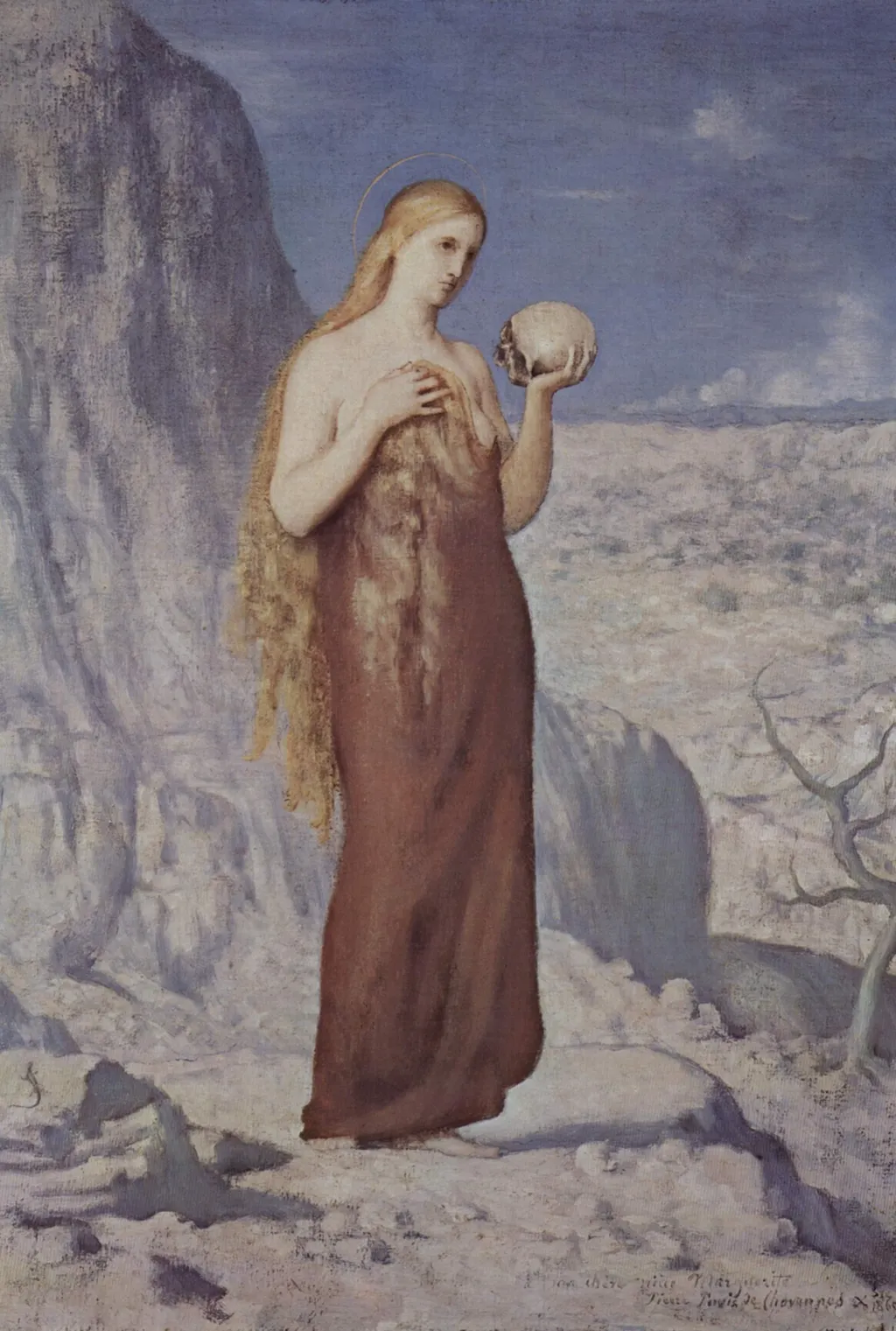
Mary Magdalene in the desert (Meditation) is an oil painting by the Realist artist Pierre Puvis de Chavannes. It dates from 1869 and is held in the collection of the Kröller-Müller Museum.
About this work
Overview
Painted in 1869 by Pierre Puvis de Chavannes, this oil on canvas work presents Mary Magdalene in a solitary desert setting.
Painted in 1869 by Pierre Puvis de Chavannes, this oil on canvas work presents Mary Magdalene in a solitary desert setting. It belongs to a series of contemplative religious subjects the artist developed during the early Third Republic. The composition avoids dramatic narrative in favor of quiet stillness, reflecting Puvis’s preference for symbolic restraint and harmonious structure over emotional intensity.
Subject & Meaning
The figure of Mary Magdalene, traditionally associated with penitence and spiritual transformation, is shown in silent meditation. Her lowered gaze and hand over the chest suggest inward reflection, while the skull at her side evokes mortality and the transience of earthly life. The subtle aureola around her head implies sanctity without overt divine intervention, aligning with the painting’s subdued spiritual tone.
Technique & Style
Puvis employs a muted palette and soft transitions between light and shadow to create a sense of calm atmosphere. Chiaroscuro is used sparingly, enhancing volume without disrupting the overall serenity. The figure’s elongated form and simplified contours reflect a deliberate move away from naturalism toward a more timeless, almost sculptural quality, characteristic of his mature style.
History & Provenance
Completed in 1869, the painting entered the Kröller-Müller Museum’s collection in the early 20th century through the acquisitions of Helene Kröller-Müller. It remained relatively obscure in public discourse until later scholarly attention highlighted its role in Puvis’s development of symbolic painting. The work has not been widely exhibited outside the museum’s permanent holdings.
Context
In the late 1860s, French art was shifting between academic traditions and emerging modernist tendencies. Puvis positioned himself between these currents, favoring allegorical clarity over realism or impressionism. His focus on spiritual themes in austere landscapes resonated with contemporaries seeking alternatives to historical or genre painting, influencing later Symbolist artists.
Legacy
Though not widely replicated or copied, the painting exemplifies Puvis’s contribution to a quieter, more introspective mode of religious imagery. His use of simplified forms and symbolic elements helped pave the way for Symbolist and early modernist approaches to spiritual subjects. The work remains a key reference in studies of 19th-century French painting’s transition toward abstraction and psychological depth.
Own this work as a print
Artist & collection
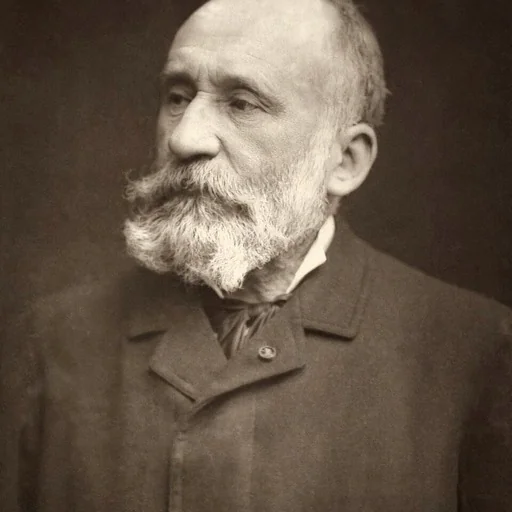
Artist
Pierre Puvis de Chavannes (French pronunciation: ; 14 December 1824 – 24 October 1898) was a French painter known for his mural painting, who came to be known as "the painter for France".