Artwork
Horsemen Halted on a Mountain Pass
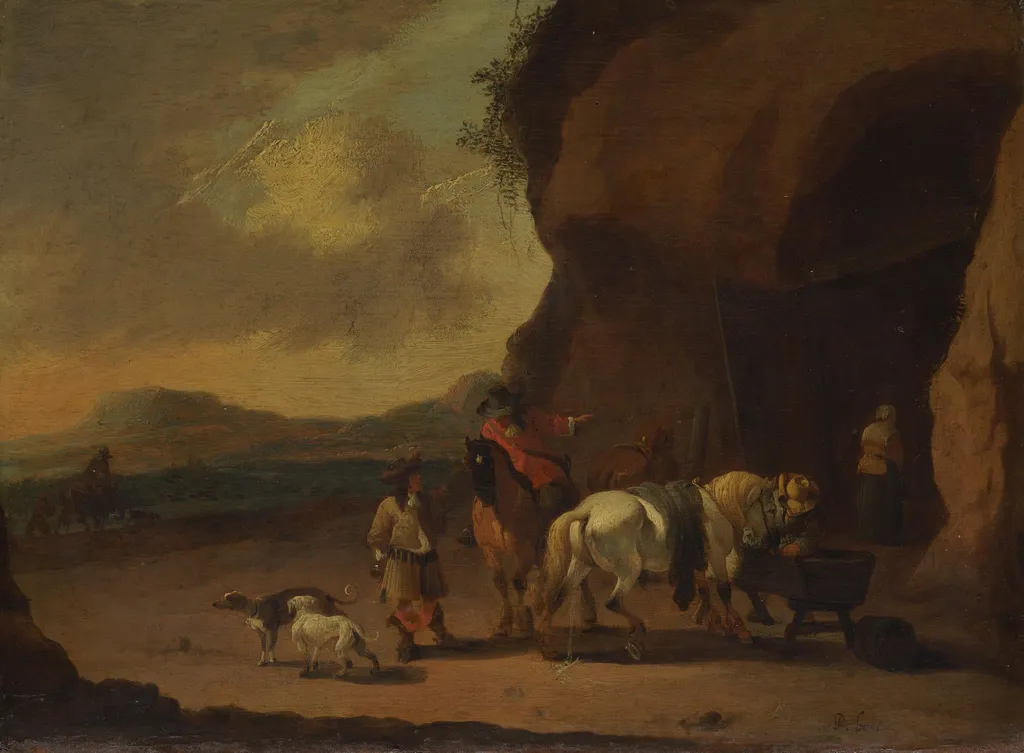
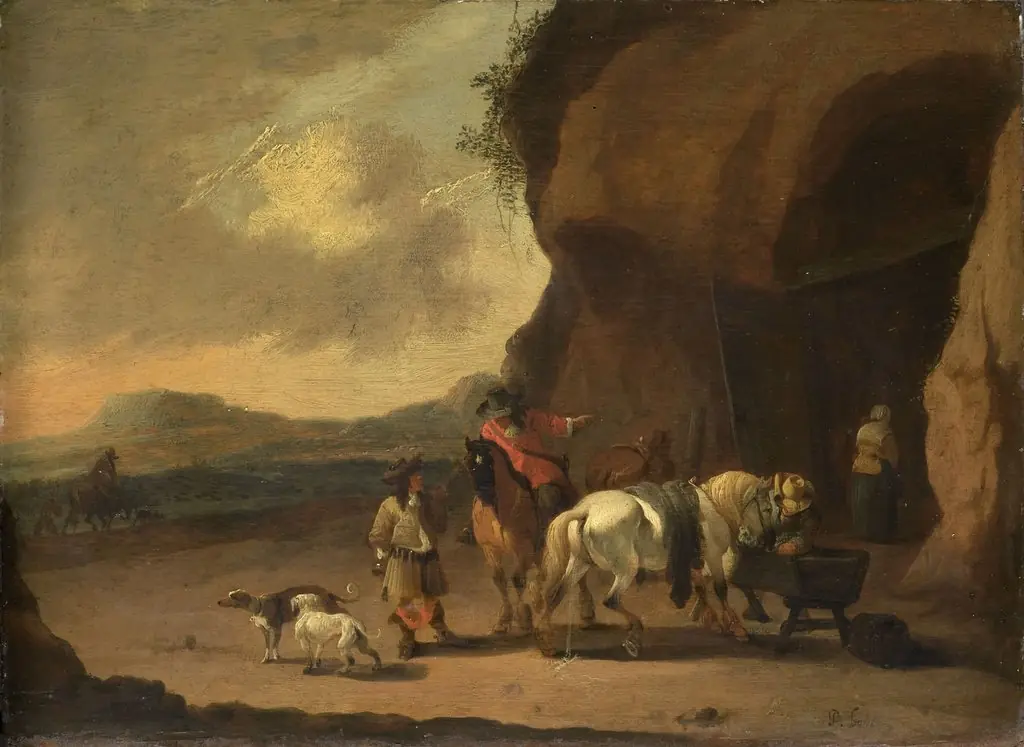
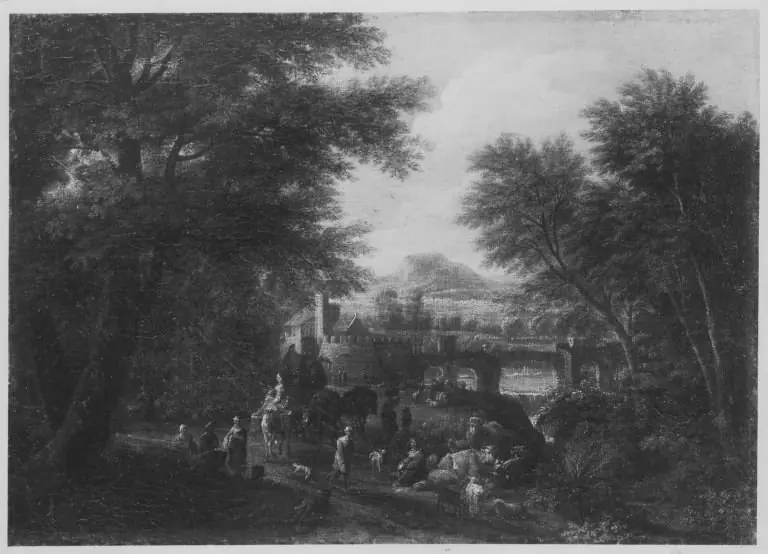
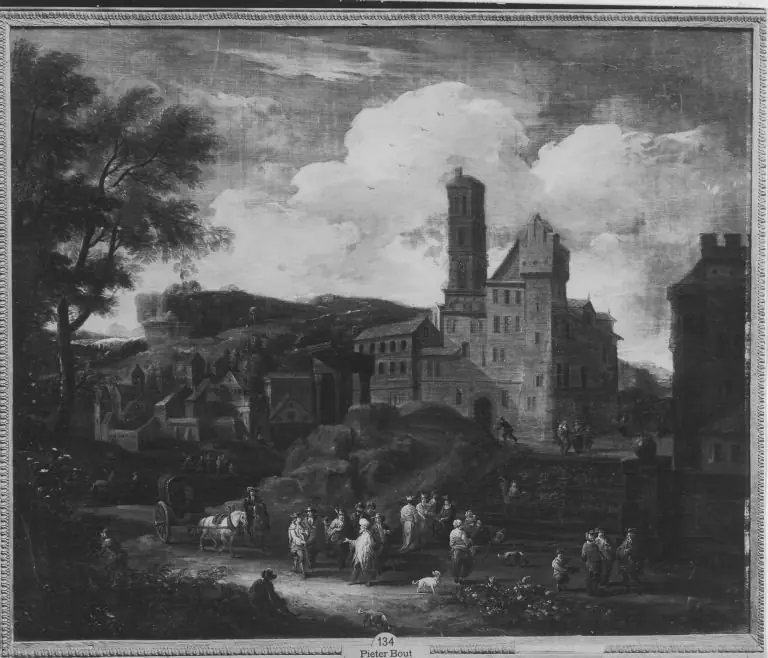
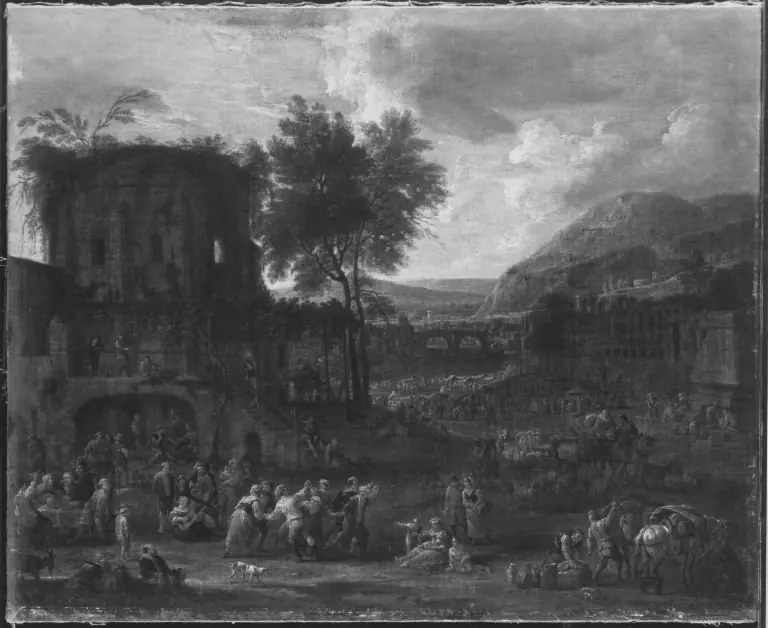
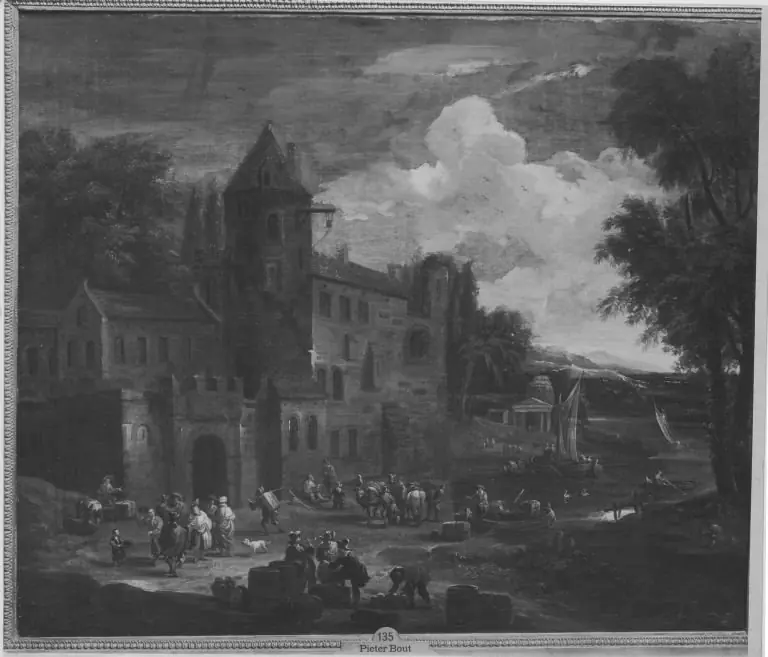
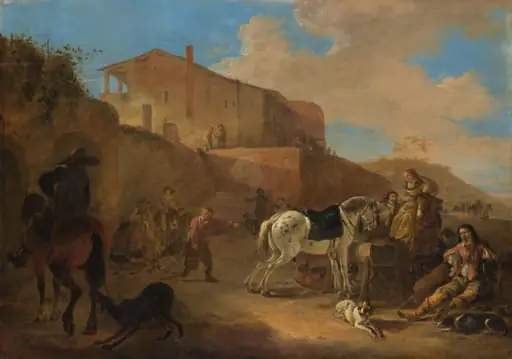
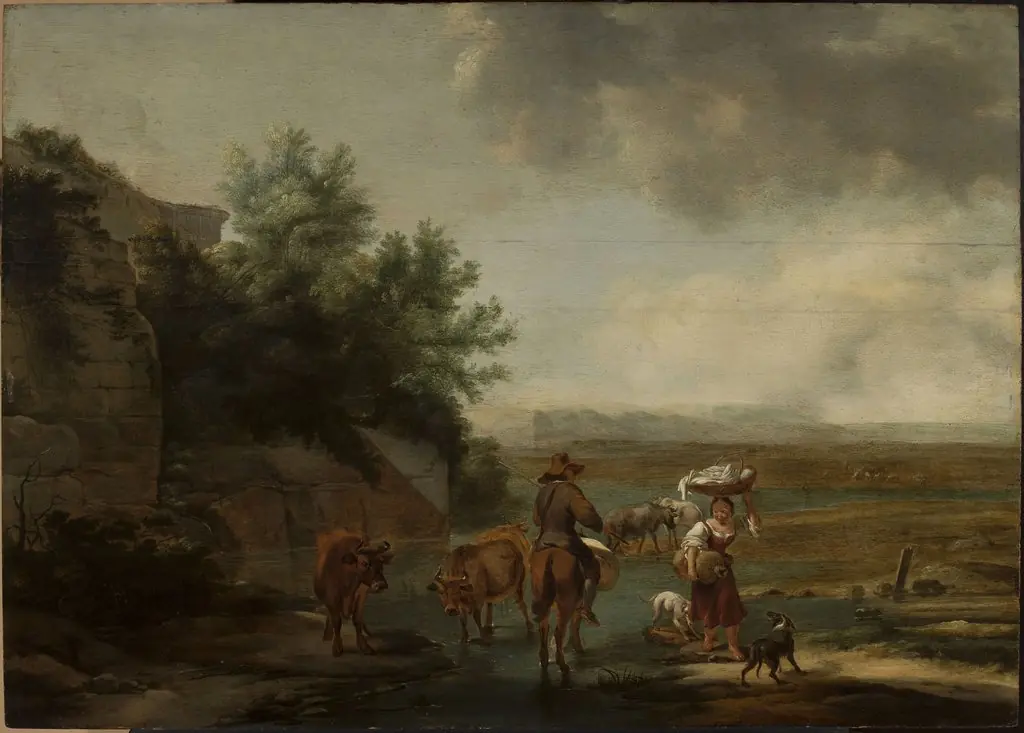
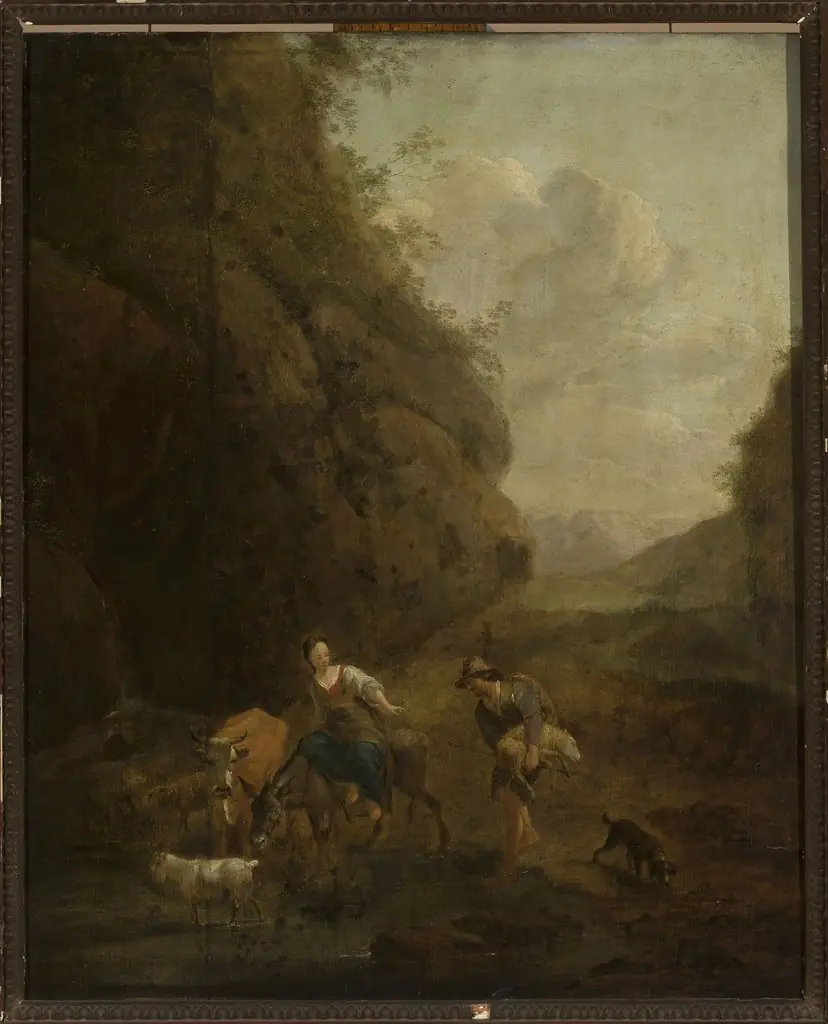
Horsemen Halted on a Mountain Pass is an unspecified painting by Pieter Bout. It dates from 1670 and is held in the collection of the Rijksmuseum. A group of travelers pauses in a narrow mountain pass, their horses resting beside a shallow stream.
About this work
Overview
The scene captures a moment of quiet interruption during a journey, emphasizing the physical realities of travel in a pre-industrial landscape.
A group of travelers pauses in a narrow mountain pass, their horses resting beside a shallow stream. One horse, positioned prominently in the foreground, urinates openly, while a fourth animal drinks nearby. The setting is rugged and natural, with a shallow cave-like recess in the cliffside offering shelter. The scene captures a moment of quiet interruption during a journey, emphasizing the physical realities of travel in a pre-industrial landscape.
Subject & Meaning
The painting depicts ordinary travelers taking a break in a remote landscape, avoiding idealized or heroic narratives. The inclusion of a horse urinating and two dogs engaged in mundane interactions—sniffing the stream and observing a man’s facial expression—introduces subtle humor and realism. These details suggest the artist valued authenticity over grandeur, portraying travel as a series of unglamorous, human moments rather than a noble quest.
Technique & Style
The artist employs fine, controlled brushwork to render textures of rock, fur, and fabric with quiet precision. The composition is deliberately unbalanced, with the urinating horse anchoring the foreground and the riders receding into the distance. Light falls naturally across the scene, enhancing the sense of depth and atmosphere. Small, almost incidental figures and animals are rendered with careful attention, reinforcing the painting’s observational character.
History & Provenance
The painting originates from the Dutch Golden Age, likely created in the mid-17th century by an artist associated with landscape and genre scenes. It entered the Rijksmuseum’s collection in the 19th century, having passed through private Dutch holdings. Its unassuming subject matter and lack of documented patronage suggest it was made for the open market, reflecting the growing middle-class appetite for relatable, everyday imagery.
Context
During the Dutch Golden Age, artists increasingly turned away from religious and mythological themes to depict daily life, travel, and the natural world. This work aligns with a broader trend of genre painting that valued observation over symbolism. Mountain passes and roadside halts were common motifs, symbolizing both the physical challenges of travel and the quiet dignity of ordinary movement through the landscape.
Legacy
The painting endures as an example of how Dutch artists infused realism with quiet wit. Its focus on transient, unremarkable moments influenced later genre painters who sought to capture life as it was lived, not as it was idealized. Today, it remains a touchstone for viewers interested in the subtle narratives embedded in everyday scenes, offering a glimpse into the rhythms of 17th-century travel.
Own this work as a print
Artist & collection
Artist
Pieter Bout (between 1640 and 1645 – between 17 June 1689 and 1719) was a Flemish painter, draughtsman and printmaker.