Artwork
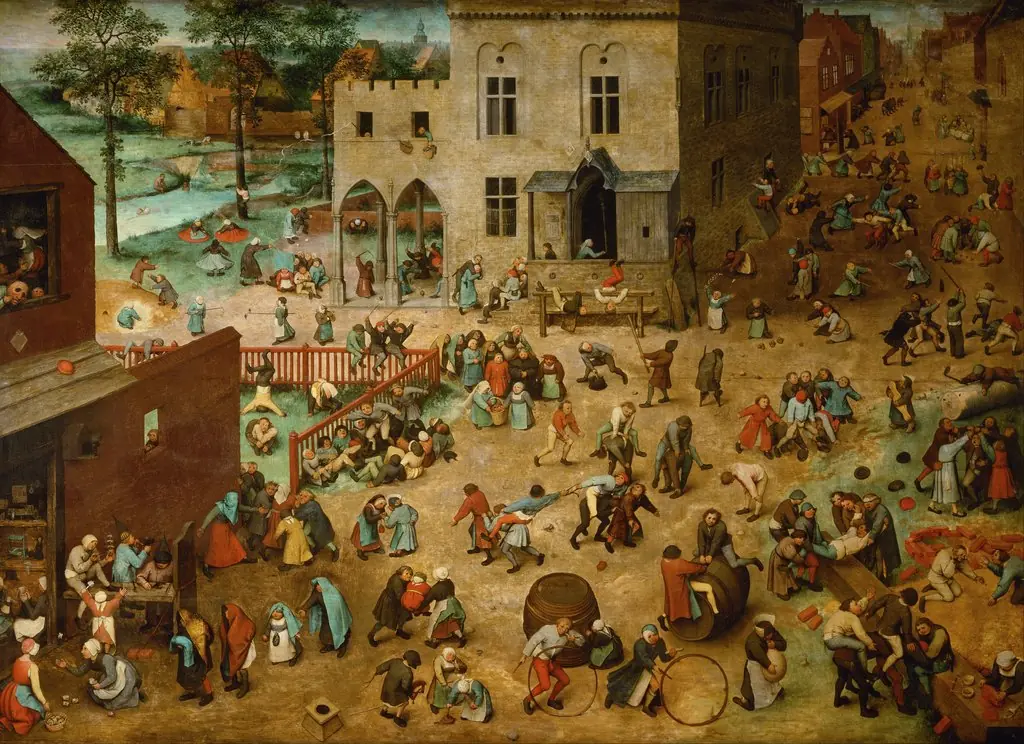
Pieter Brueghel de Oude. Kinderspelen
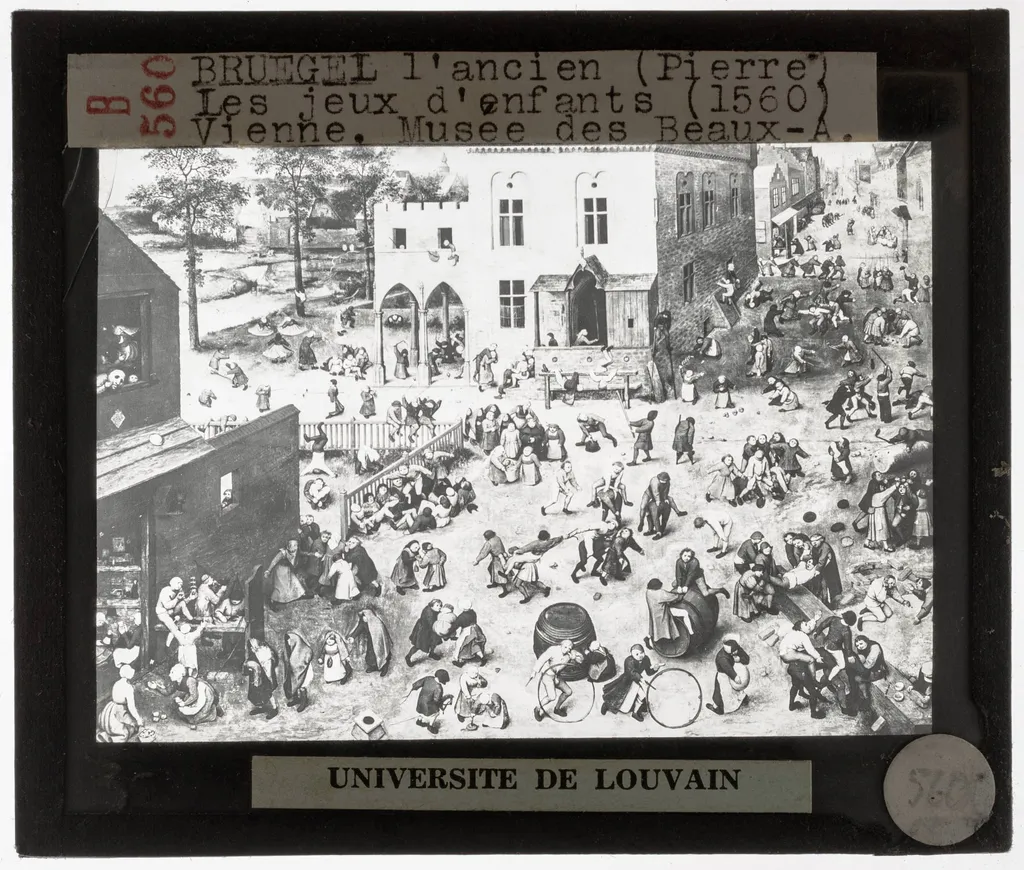
Pieter Brueghel de Oude. Kinderspelen is an unspecified painting by the Northern Renaissance artist Pieter Brueghel the Elder. It dates from 1560 and is held in the collection of the Catholic University of Leuven.
About this work
This busy painting shows kids playing 80 different games in a 1560 village street.
This busy painting shows kids playing 80 different games in a 1560 village street. Tiny figures fill every inch—rolling hoops, climbing ropes, playing marbles. Brueghel packed in so much detail you’ll keep finding new things.
The games aren’t random. Many were real 16th-century pastimes, like knucklebones or blind man’s bluff. It’s like a time capsule of how kids really spent their days back then.
Notice the soft light and muted colors? That’s typical of Northern Renaissance oil paints. Brueghel I often painted daily life this way.
Look up Brueghel I next.
Overview
Painted in 1560, this oil-on-panel work by Pieter Bruegel the Elder captures a vibrant scene of children engaged in over eighty distinct games within a village setting. The composition is densely populated with small, meticulously rendered figures, reflecting the artist’s interest in everyday life. Its scale and detail invite prolonged observation, revealing layers of activity that unfold gradually to the viewer.
Subject & Meaning
The painting documents a range of authentic children’s pastimes from 16th-century Flanders, including knucklebones, blind man’s bluff, and hoop rolling. Rather than idealizing youth, Bruegel presents play as a natural, unvarnished part of communal life. The absence of adult supervision suggests a world governed by children’s own rules, subtly framing childhood as a distinct social sphere within the broader human order.
Technique & Style
Bruegel employed the fine brushwork and layered glazes typical of Northern Renaissance oil painting to achieve subtle tonal shifts and quiet atmospheric depth. The muted palette and diffuse, even lighting enhance the sense of a real, observable moment. Figures are rendered with precision yet retain a sense of spontaneity, balancing realism with a rhythmic, almost mosaic-like arrangement of forms across the panel.
History & Provenance
The painting has been held since the 17th century by the Habsburg collections, eventually entering the Kunsthistorisches Museum in Vienna. Its survival through centuries of political and religious upheaval speaks to its enduring value as a record of daily life. Early records confirm its attribution to Bruegel the Elder, and its condition remains largely intact, preserving the original surface and detail.
Context
In mid-16th-century Northern Europe, genre scenes gained traction as alternatives to religious or mythological subjects. Bruegel’s focus on ordinary people, including children, aligned with broader humanist interests in observation and social documentation. This work reflects a growing cultural attention to the rhythms of common life, distinct from the aristocratic or sacred themes dominating other regions.
Legacy
The painting became a foundational reference for later depictions of childhood and folk culture in European art. Its systematic recording of games influenced ethnographic studies and inspired 19th-century realists. Today, it remains a key source for historians studying play, material culture, and social behavior in early modern Europe, valued for its empirical richness rather than symbolic grandeur.
Artist & collection
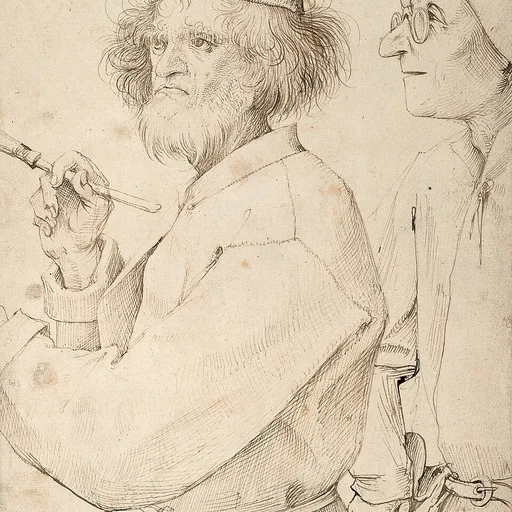
Artist
Pieter Bruegel (also Brueghel or Breughel) the Elder ( BROY-gəl, US also BROO-gəl; Dutch: ; c.
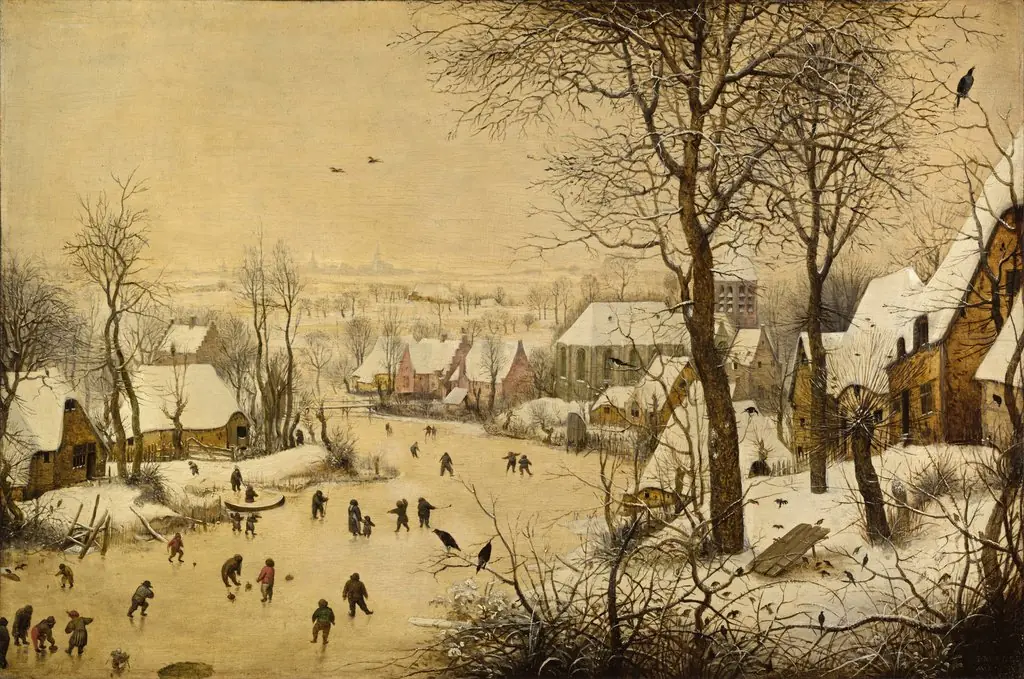
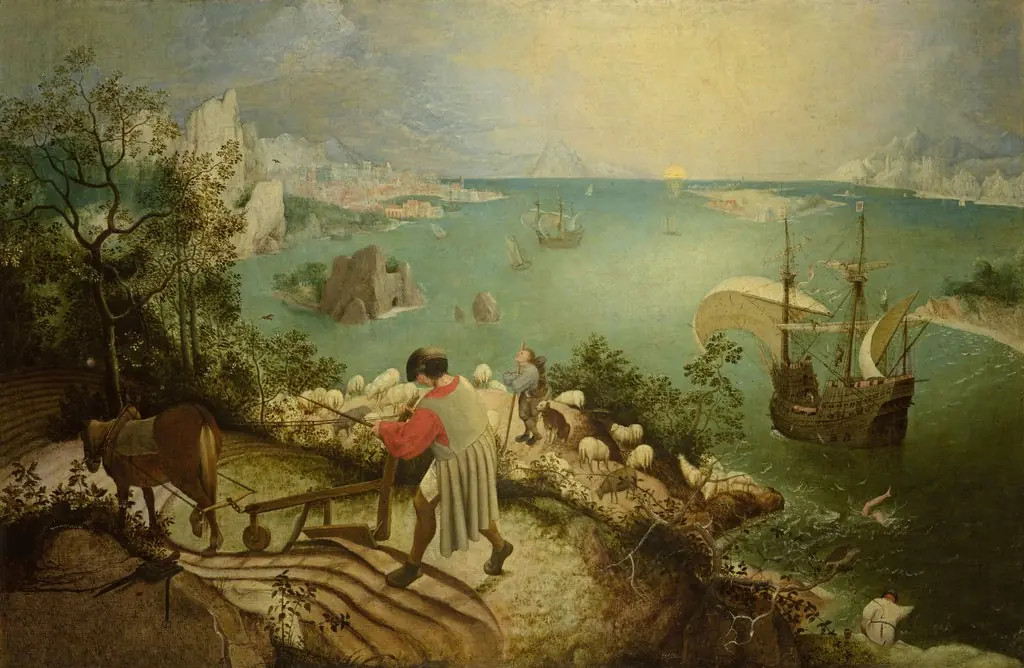
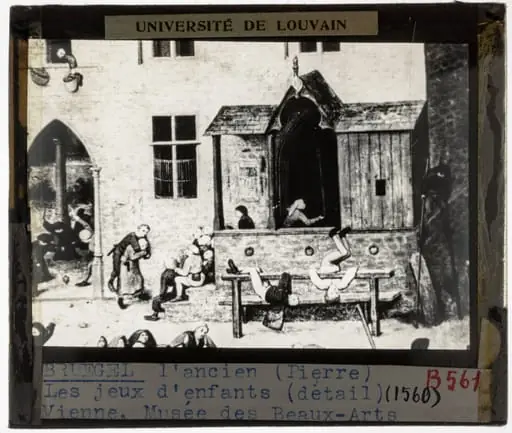 Pieter Brueghel de Oude. Kinderspelen Detail
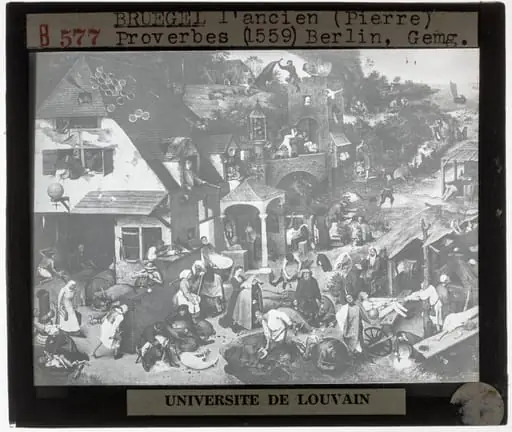 Pieter Brueghel de Oude. Nederlandse spreekwoorden
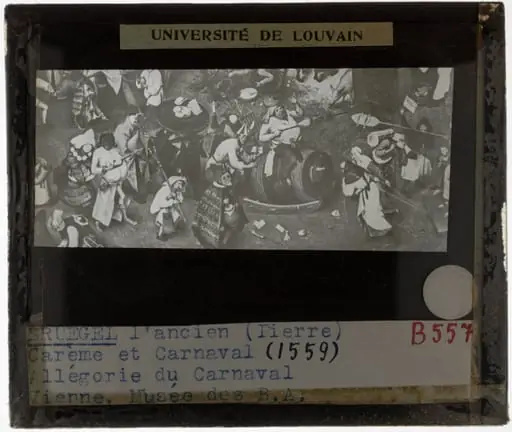 Pieter Brueghel de Oude. Strijd tussen Carnaval en Vasten Detail: Allegorie van Carnaval
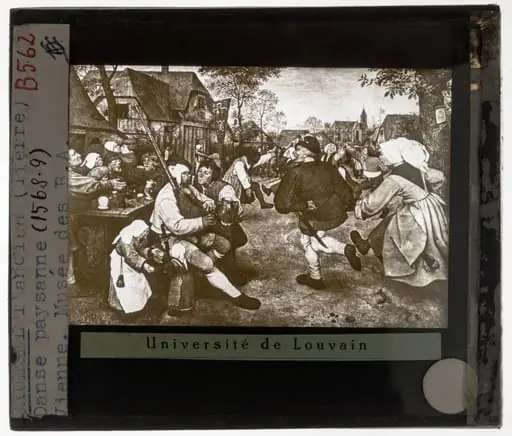 Pieter Brueghel de Oude. Boerendans
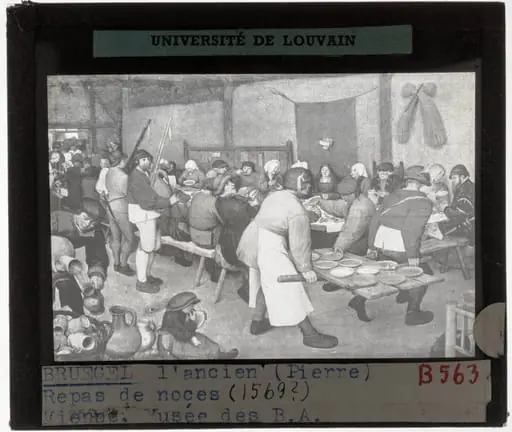 Pieter Brueghel the Elder. Peasant Wedding
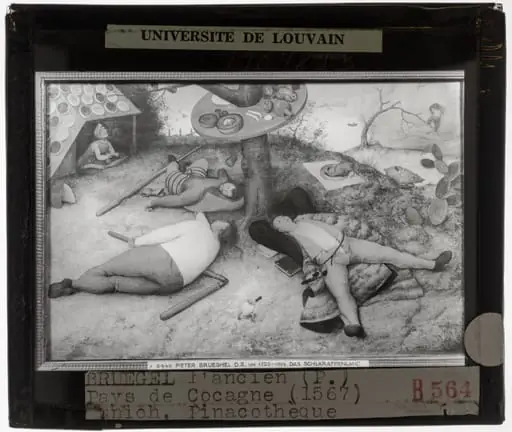 Pieter Brueghel de Oude. Luilekkerland
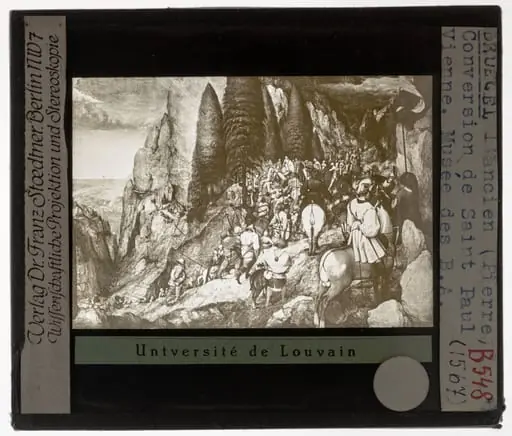 Pieter Brueghel the Elder. Conversion of Paul
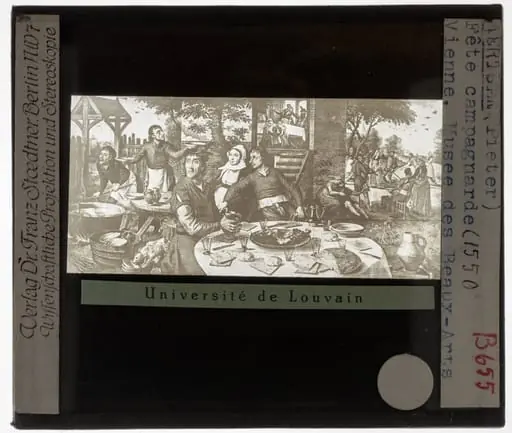 Pieter Aertsen. Boerenfeest
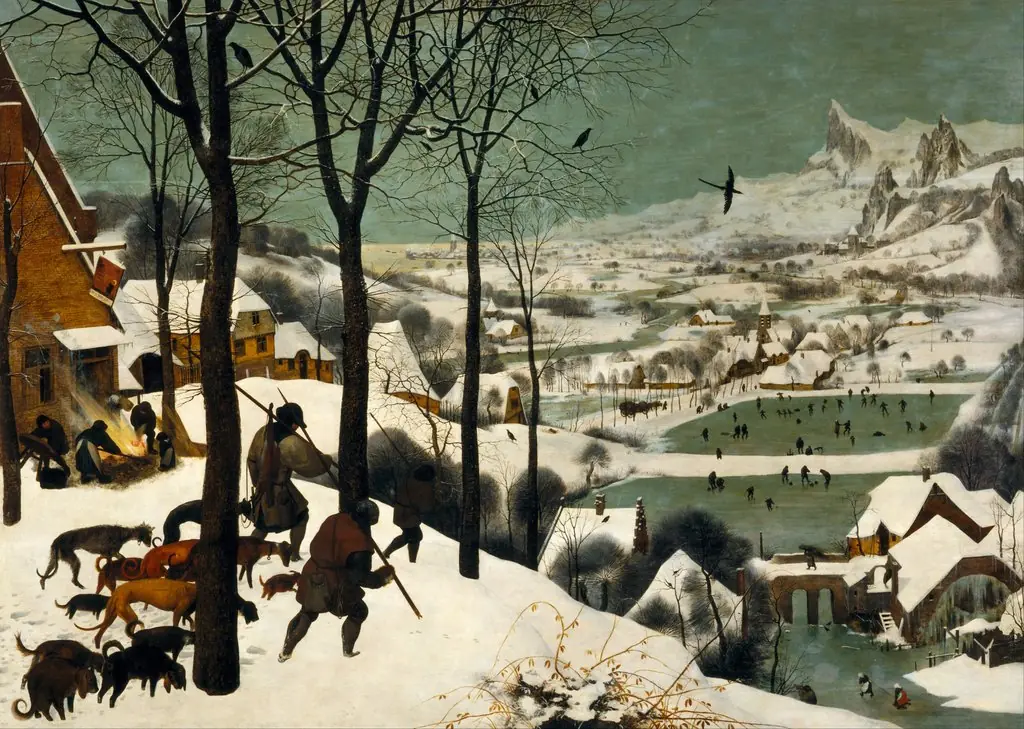
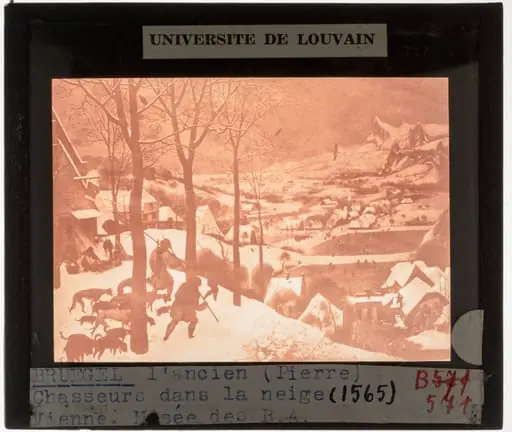 Pieter Brueghel de Oude. Jagers in de Sneeuw
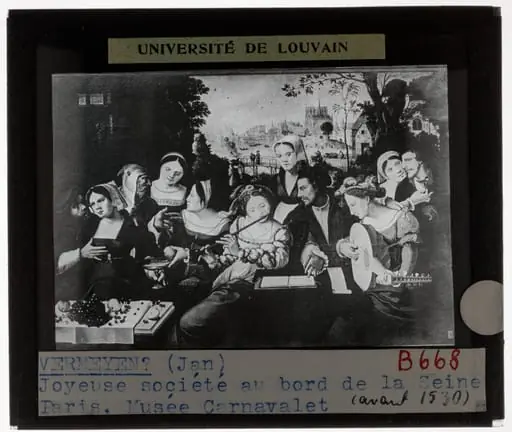 Jan Cornelis Vermeyen (onzeker). De verloren zoon tussen de courtisannes