Artwork
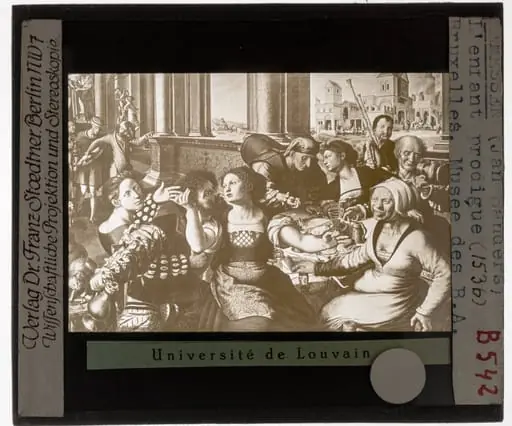
Jan Cornelis Vermeyen (onzeker). De verloren zoon tussen de courtisannes
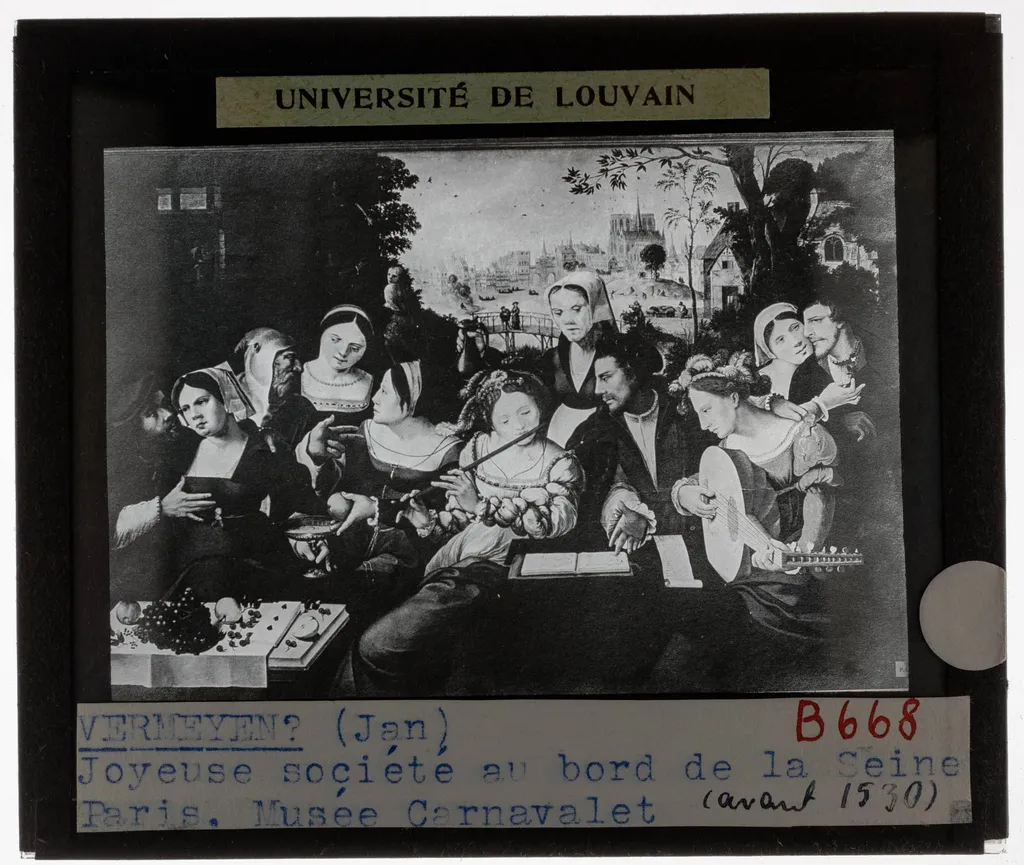
Jan Cornelis Vermeyen (onzeker). De verloren zoon tussen de courtisannes is an unspecified painting by Jan Cornelisz Vermeyen. It is held in the collection of the Catholic University of Leuven.
About this work
Overview
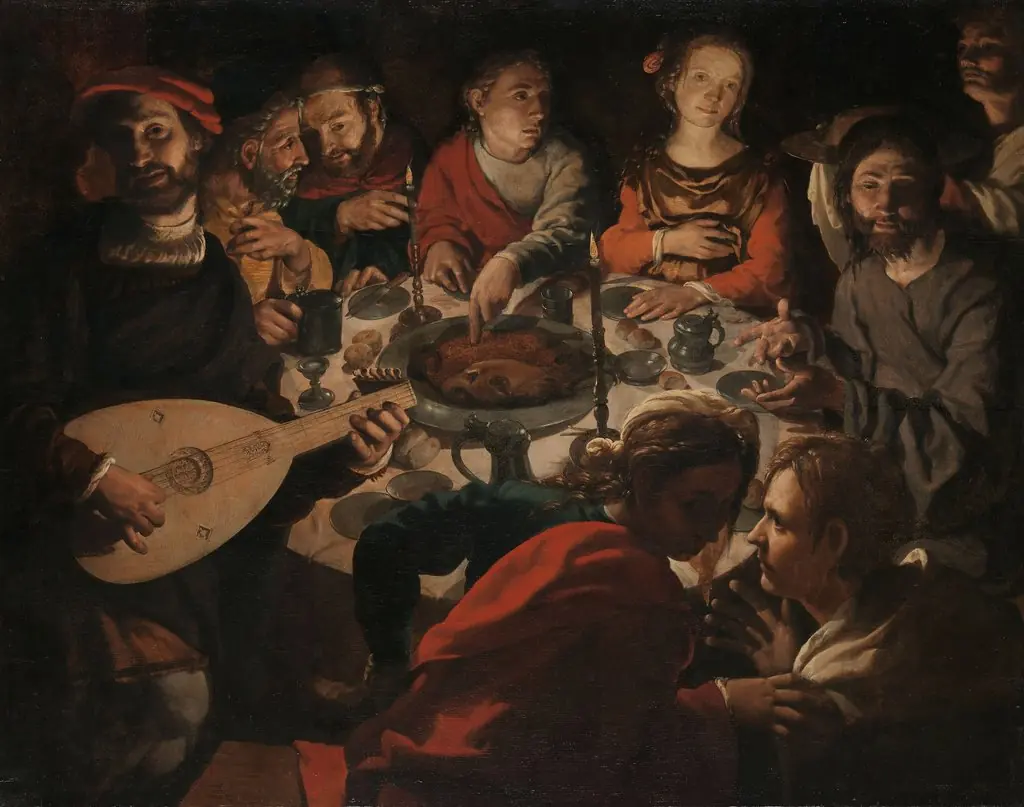
Created around 1530, this oil-on-panel work, attributed—though not definitively—to Jan Cornelis Vermeyen, depicts a narrative drawn from the biblical parable of the prodigal son. The scene places the repentant figure amid a group of elegantly attired women, set within an interior rich in decorative detail. The painting resides in the Musée Carnavalet in Paris.
Subject & Meaning
The central figure is the wayward son, rendered with a troubled expression as he interacts with a circle of courtesans who appear to be reveling. The juxtaposition of his remorse against their merriment underscores themes of moral waywardness, temptation, and the social contrast between penitence and indulgence.
Technique & Style
Executed in the Northern Renaissance idiom, the artist employs oil paint to achieve fine modeling of fabrics and textures. Subtle chiaroscuro creates depth, while the meticulous rendering of clothing, furnishings, and light reflects the period’s interest in realism and material richness.
History & Provenance
The work entered the collection of the Musée Carnavalet in Paris, though its early ownership remains undocumented. It was documented in a 19th‑century slide series compiled by the Université de Louvain, indicating scholarly interest by the early 1900s.
Context
During the early 16th century, Netherlandish painters often treated biblical stories as moralizing genre scenes, embedding contemporary social settings within sacred narratives. This painting follows that tradition, presenting a religious tale within a secular, courtly environment.
Artist & collection
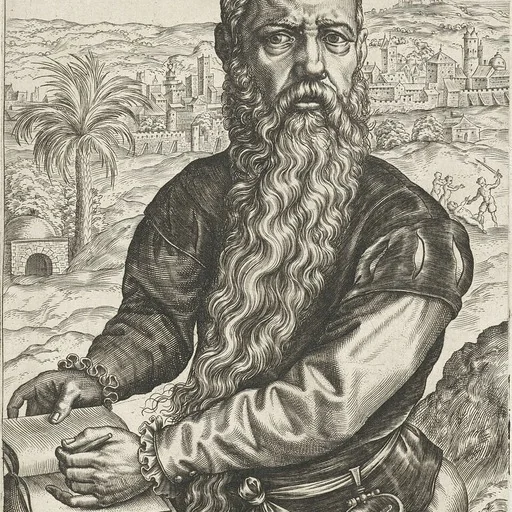
Artist
Jan Cornelisz. Vermeyen, also known as Juan del Mayo (c. 1503 – 1559) was a Dutch painter, printmaker and tapestry designer. He is known for his portraits, history scenes and genre subjects. He worked in Mechelen and…
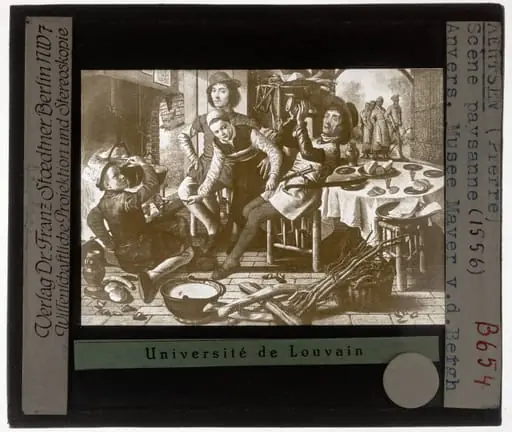 Pieter Aertsen. Boerengezelschap bij de haard
 Jan van Hemessen. De verloren zoon
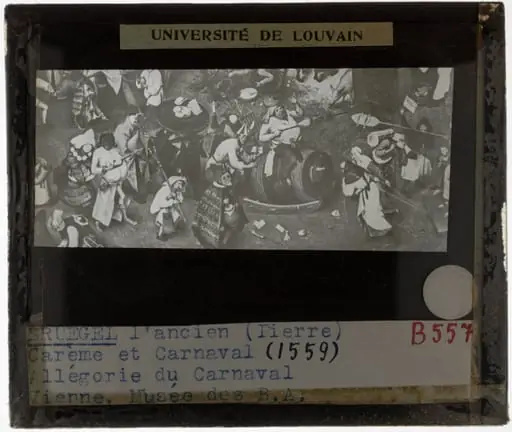 Pieter Brueghel de Oude. Strijd tussen Carnaval en Vasten Detail: Allegorie van Carnaval
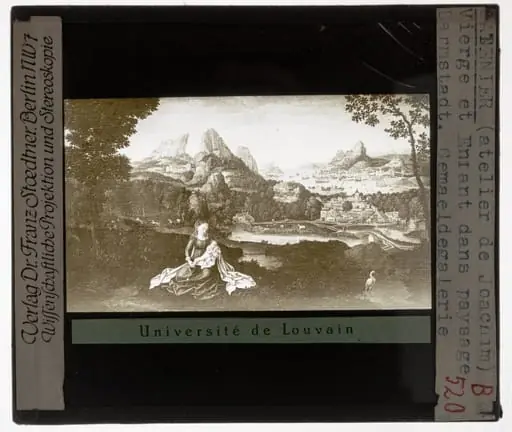 Joachim Patinir (studio). Rest on the flight into Egypt
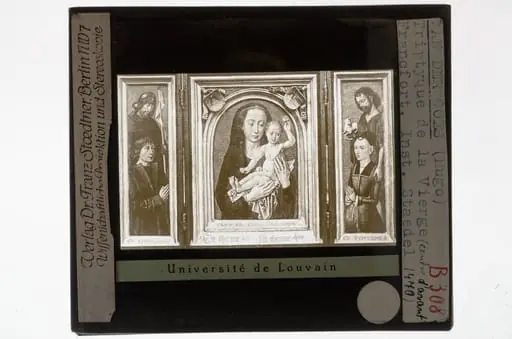 Hugo van der Goes. Triptych
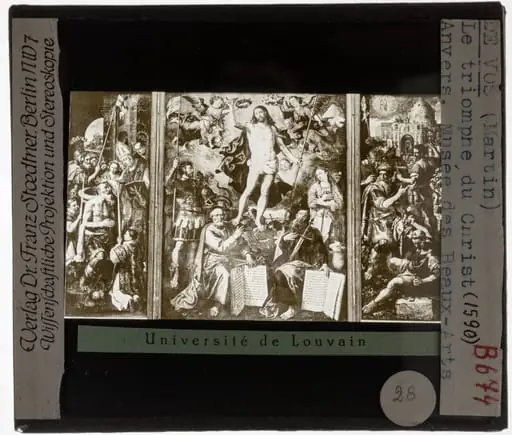 Maarten de Vos. Altaarstuk van de gilde van de oude voetboog
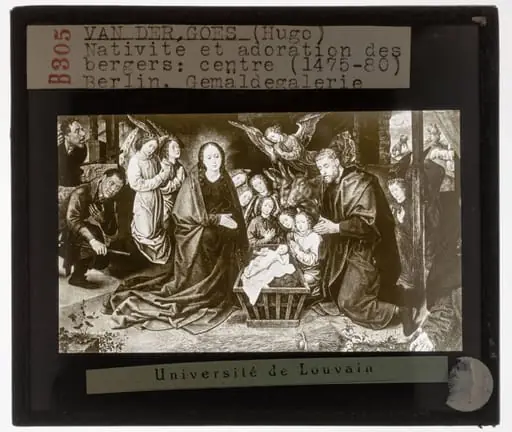 Hugo van der Goes. Kerstverhaal. Aanbidding der Herders Detail, centraal
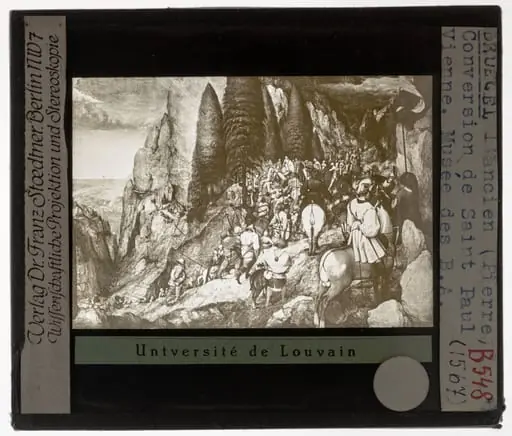 Pieter Brueghel the Elder. Conversion of Paul
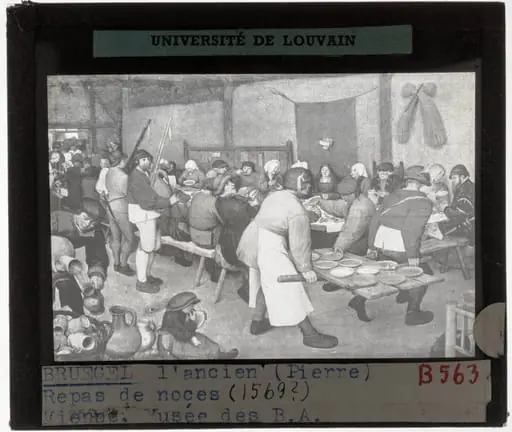 Pieter Brueghel the Elder. Peasant Wedding
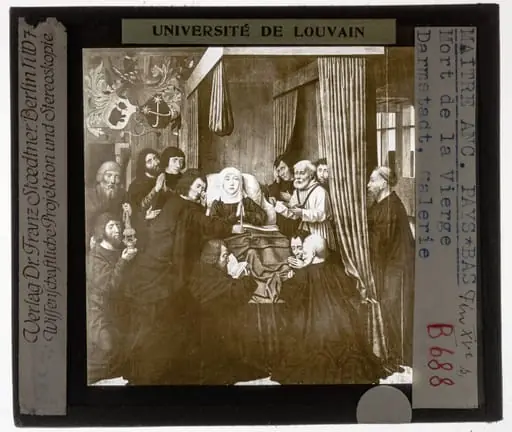 Simon van Haarlem (toegeschreven aan). Dood van Maria
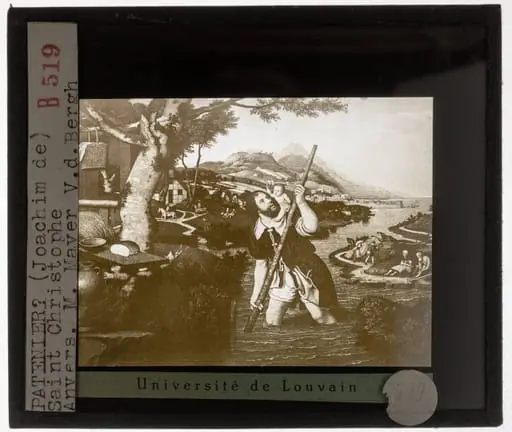 Joachim Patinir. Sint Christoffel