Artwork
The Adoration of the Magi
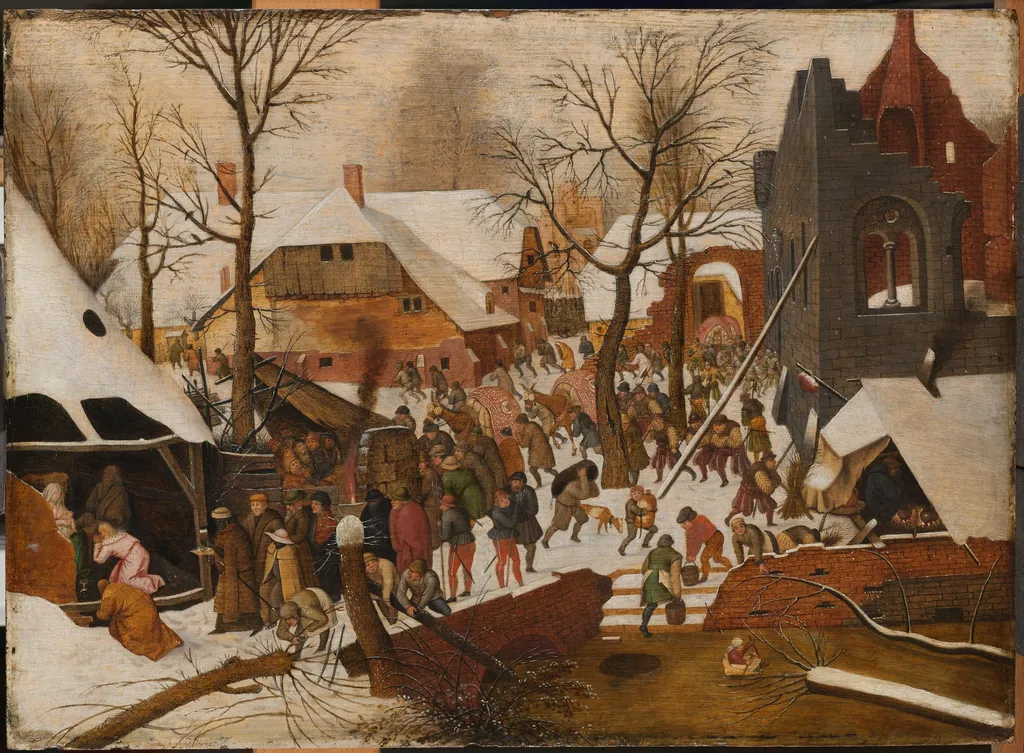
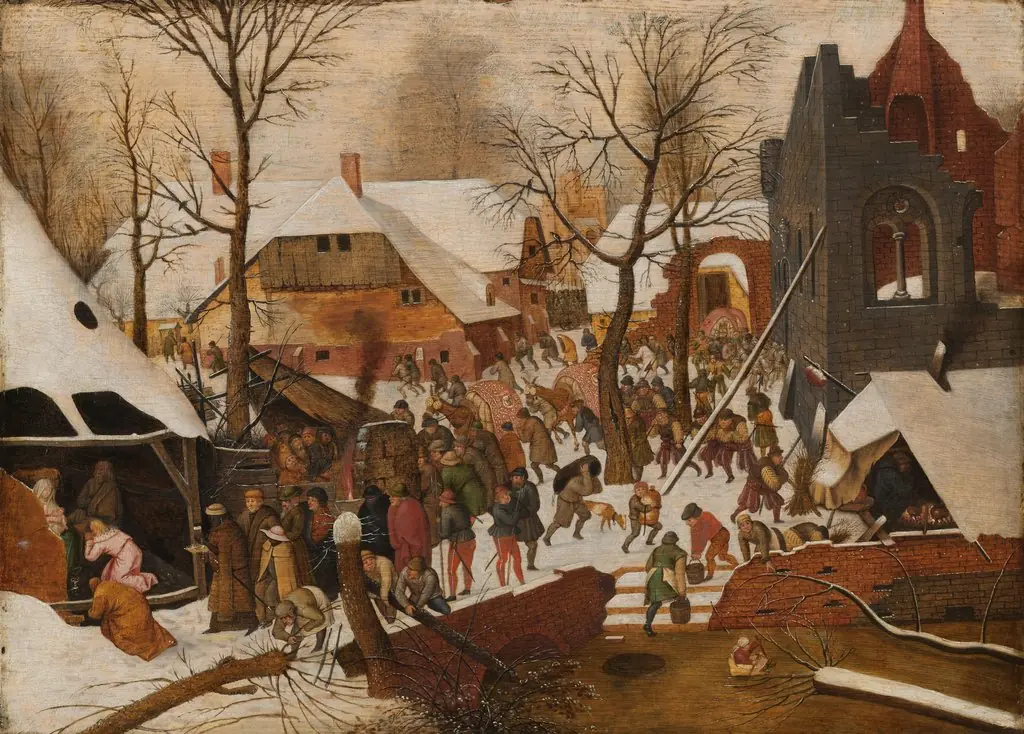
The Adoration of the Magi is an unspecified painting by the Northern Renaissance artist Pieter Brueghel the Younger. It dates from 1614 and is held in the collection of the Rijksmuseum.
About this work
Overview
The Adoration of the Magi is a painting that reimagines a biblical scene within a serene winter landscape. The composition juxtaposes the sacred event with the everyday, set amidst snow-covered village ruins.
Subject & Meaning
The painting depicts the Three Kings paying homage to the Holy Family in a humble, snow-encircled stable. Nearby, a ruined church stands, symbolizing the waning of traditional institutions in the face of the new Christian faith.
Technique & Style
The artist leverages the contrast between the vibrant, colorful robes of the Magi and the monochromatic snowscape to draw visual focus. This use of winter light is characteristic of Dutch Golden Age landscape techniques.
Context
The work reflects the Dutch Golden Age's penchant for blending religious narratives with everyday life and landscapes. Similar winter lighting effects can be observed in the Rijksmuseum's collection of period landscapes.
Legacy
While specific legacy details of 'The Adoration of the Magi' are not provided, its style and technique place it within the broader influence of Dutch Golden Age art, contributing to the period's distinctive visual heritage.
Own this work as a print
Artist & collection
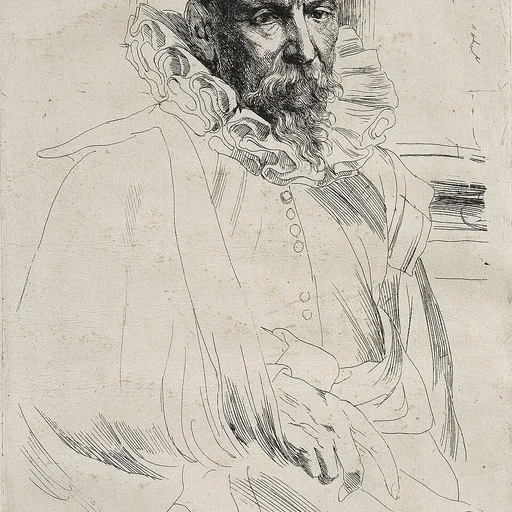
Artist
Pieter Brueghel the Younger ( BROY-gəl, also US: BROO-gəl; Dutch: ; between 23 May and 10 October 1564 – between March and May 1638) was a Flemish painter known for numerous copies after his father Pieter Bruegel the…