Artwork
A Breakfast-piece
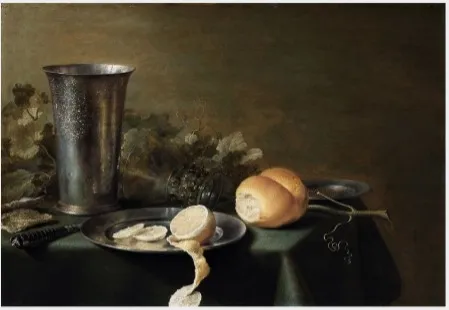
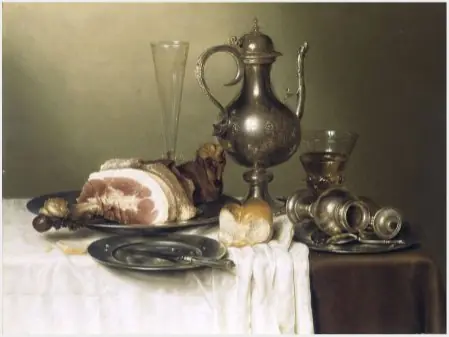
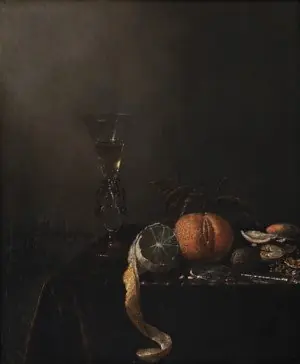
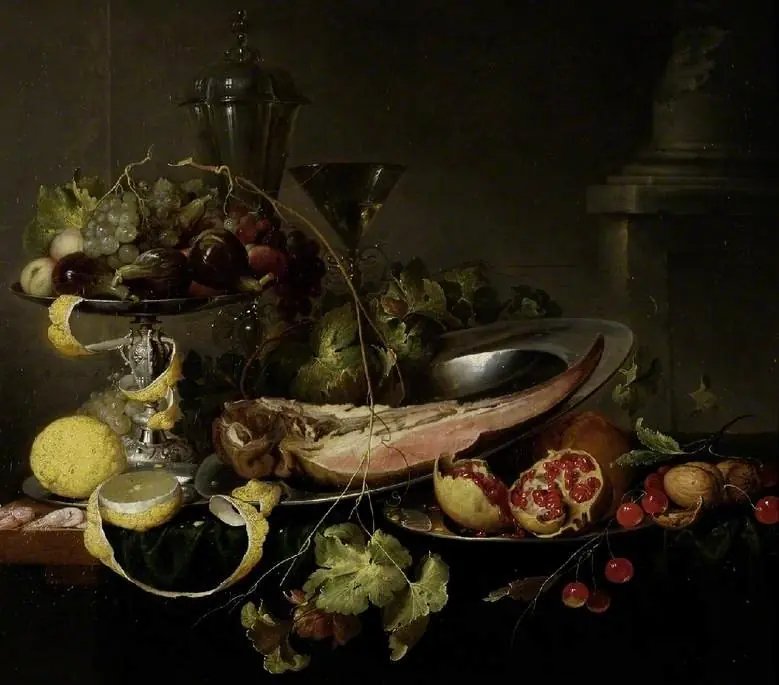
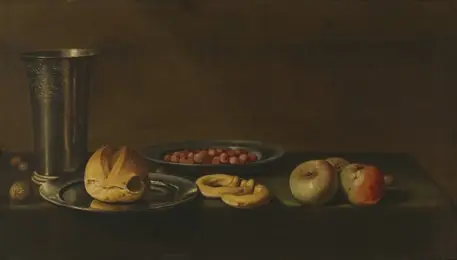
A Breakfast-piece is an unspecified painting by the Dutch Golden Age artist Pieter Claesz. It dates from 1637 and is held in the collection of the National Gallery of Ireland.
About this work
Overview
The work is part of the National Gallery of Ireland’s collection, where it exemplifies the restrained elegance of 17th-century Dutch domestic still lifes.
Painted in 1637 by Pieter Claesz, this still life belongs to the Dutch breakfast-piece tradition. It depicts ordinary tableware and food arranged with quiet precision. The work is part of the National Gallery of Ireland’s collection, where it exemplifies the restrained elegance of 17th-century Dutch domestic still lifes. Its subdued tone and careful composition reflect a broader cultural interest in the quiet dignity of everyday objects.
Subject & Meaning
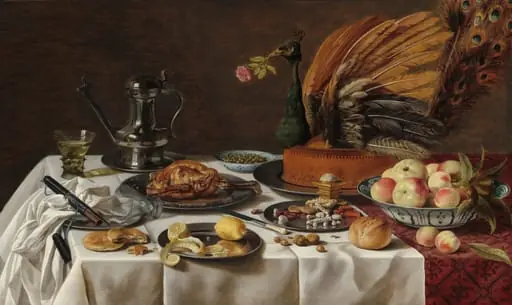
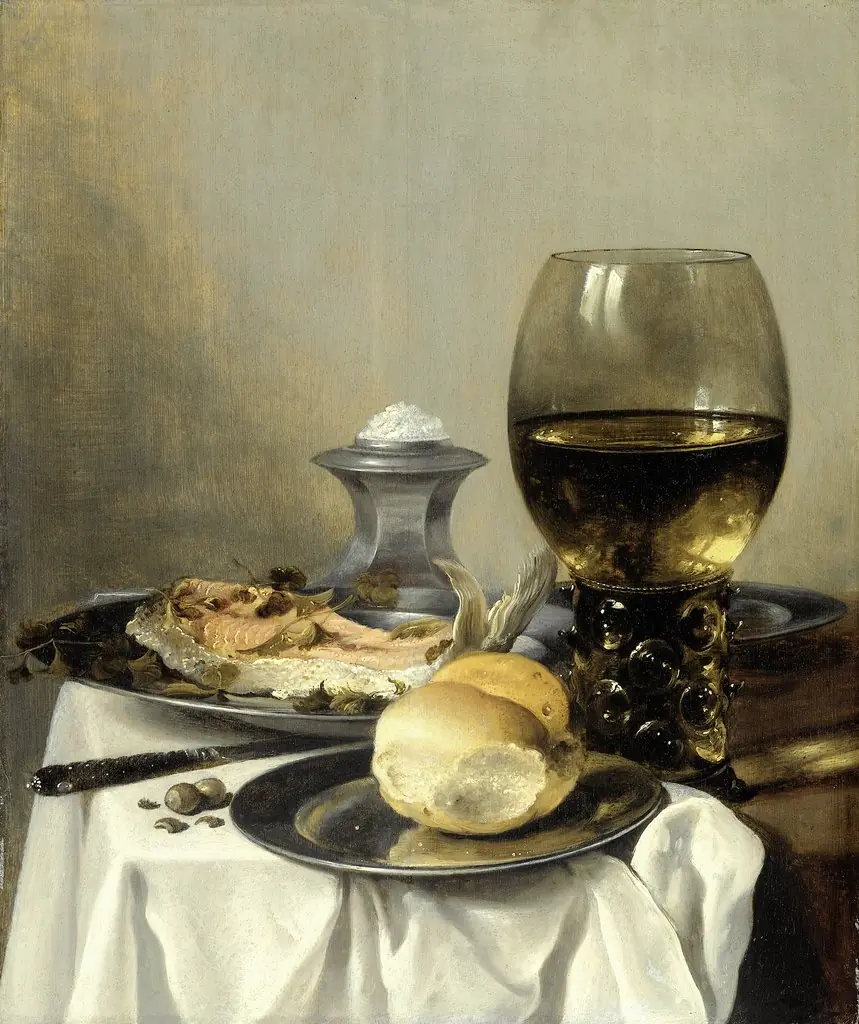
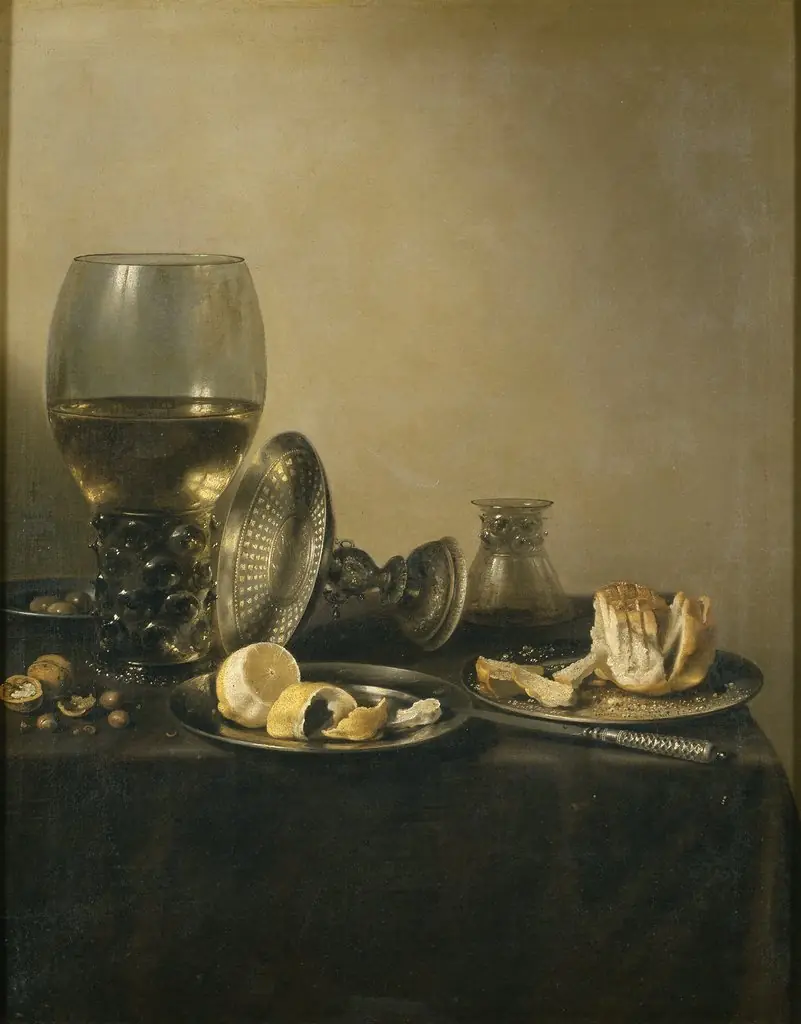
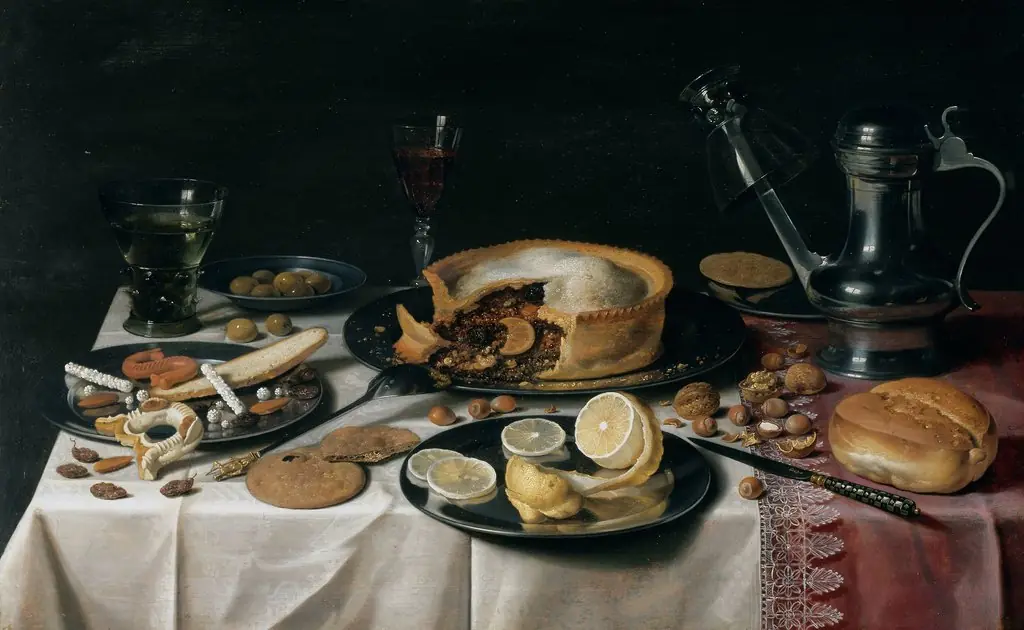
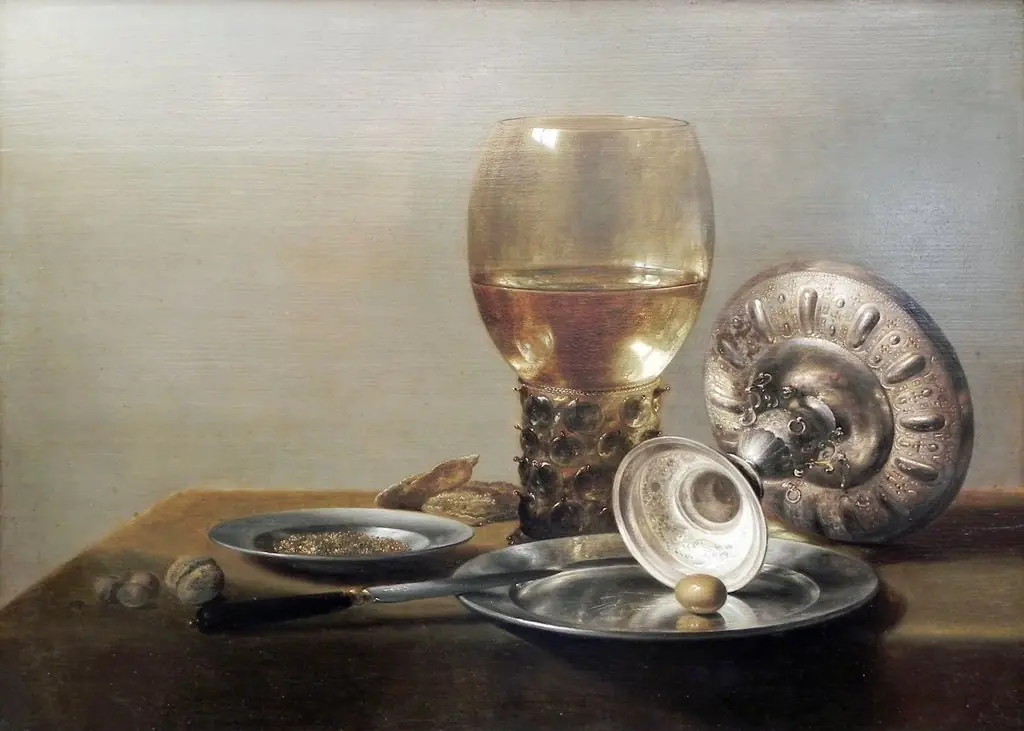
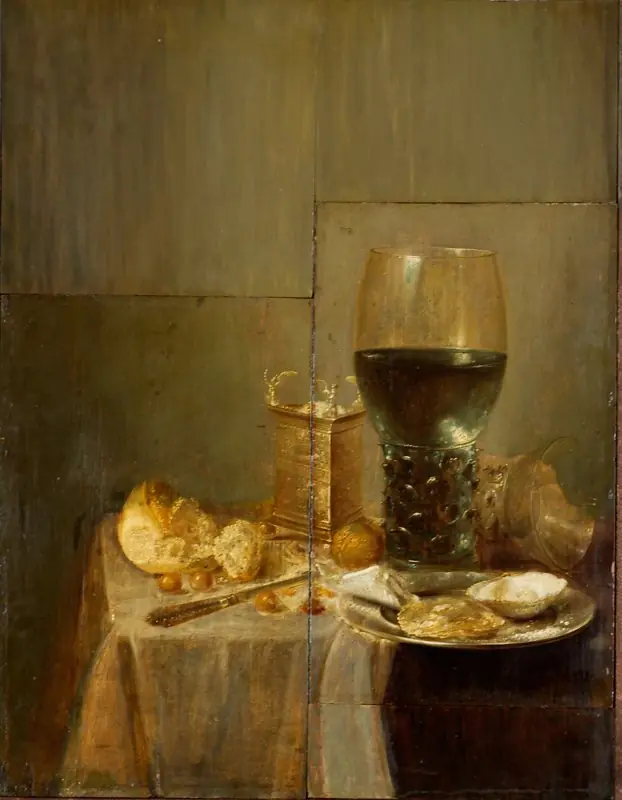
The scene includes a metal beaker, sliced and whole loaves of bread, a knife, and a folded napkin—items associated with a modest morning meal. Delicate floral elements in the background introduce a fleeting natural beauty. Together, these elements suggest themes of transience and restraint, common in Dutch still life, where abundance is present but not excessive, inviting contemplation rather than indulgence.
Technique & Style
Claesz employs a muted palette of browns, grays, and ochres, enhancing the painting’s somber atmosphere. Chiaroscuro modeling defines the forms with subtle light shifts, giving texture to bread crusts and the sheen of metal. Surfaces are rendered with fine brushwork, capturing the matte quality of cloth and the reflective surface of the cup without overt flourish. The composition is tightly controlled, drawing the eye across the table with deliberate balance.
History & Provenance
The painting has been in the National Gallery of Ireland since its acquisition in the 19th century. Its early provenance is not fully documented, but it aligns with the known output of Claesz, who worked in Haarlem and produced similar works for middle-class patrons. Its survival in good condition reflects its continued appreciation among collectors of Dutch Golden Age art.
Context
In 17th-century Holland, still lifes like this reflected both material comfort and moral caution. The breakfast piece, distinct from lavish banquets, emphasized simplicity and order. Such works resonated with Protestant values that favored modesty and reflection. Claesz’s approach, avoiding overt symbolism, allowed viewers to find meaning in the quiet harmony of domestic life.
Legacy
Claesz’s breakfast pieces influenced later Dutch still life painters through their emphasis on restraint and material authenticity. This work, like others in his oeuvre, helped define a genre that valued observation over spectacle. Its enduring presence in public collections underscores its role as a quiet but significant record of daily life in the Dutch Golden Age.
Artist & collection
Artist
Pieter Claesz was born in 1596 or 1597 in Berchem, near Antwerp, and moved to Haarlem in the Dutch Republic around 1620.