Artwork
Still-life with fruit
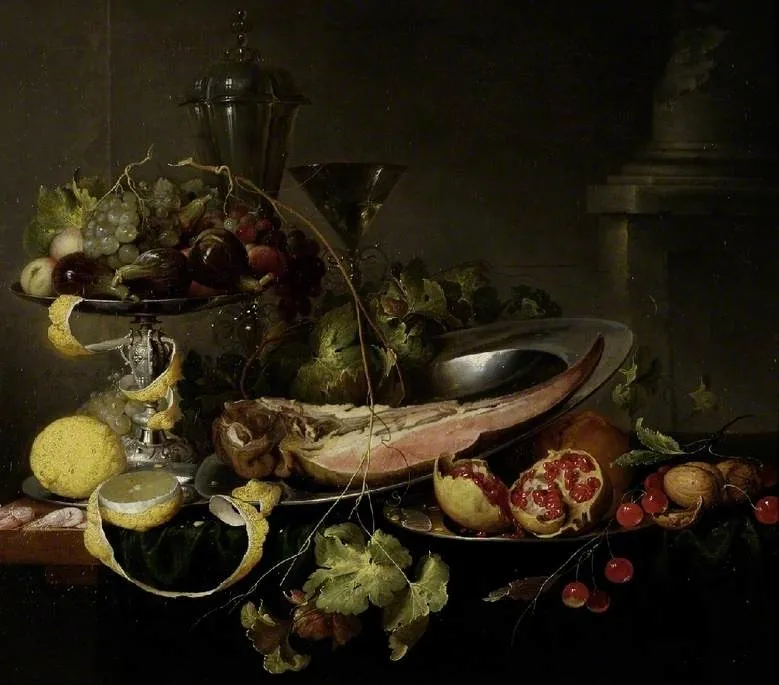
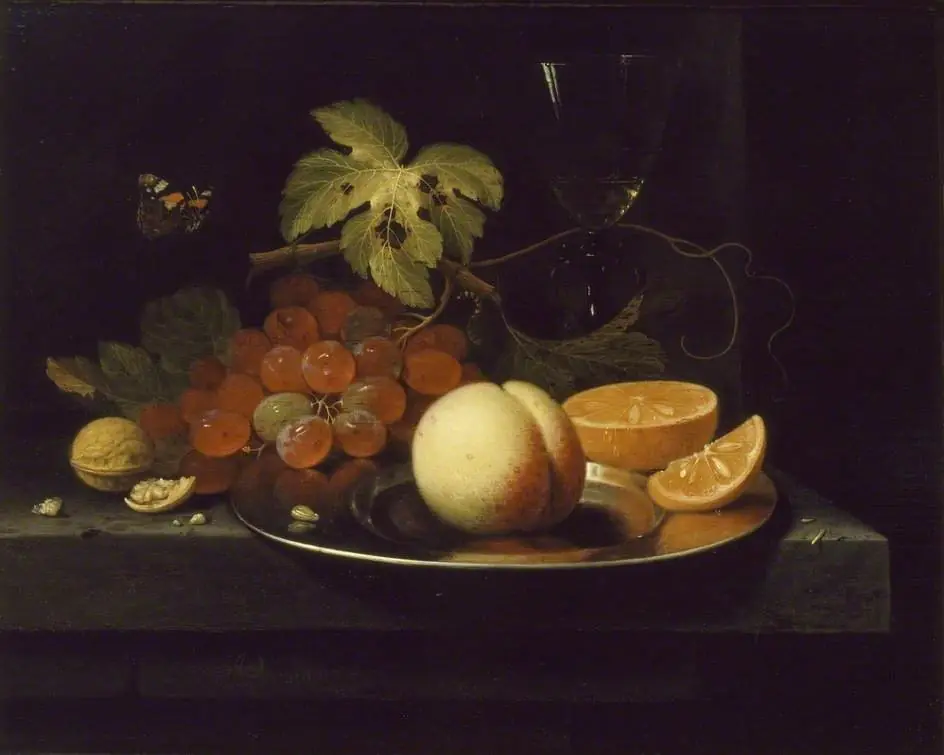
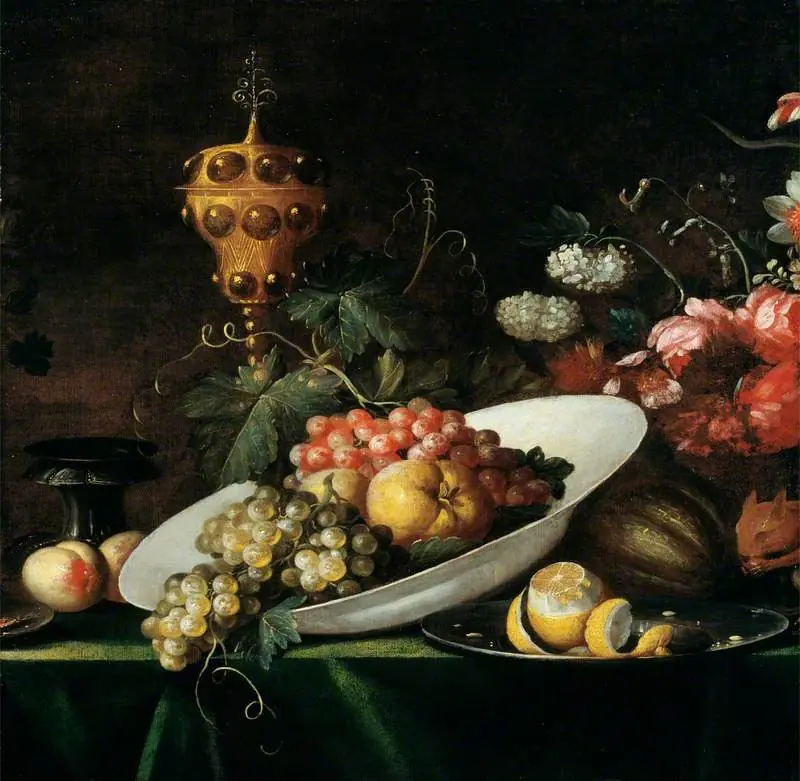
Still-life with fruit is an oil painting by Jan Davidsz. de Heem. It dates from 1640 and is held in the collection of the Fitzwilliam Museum. Jan Davidsz.
About this work
Overview
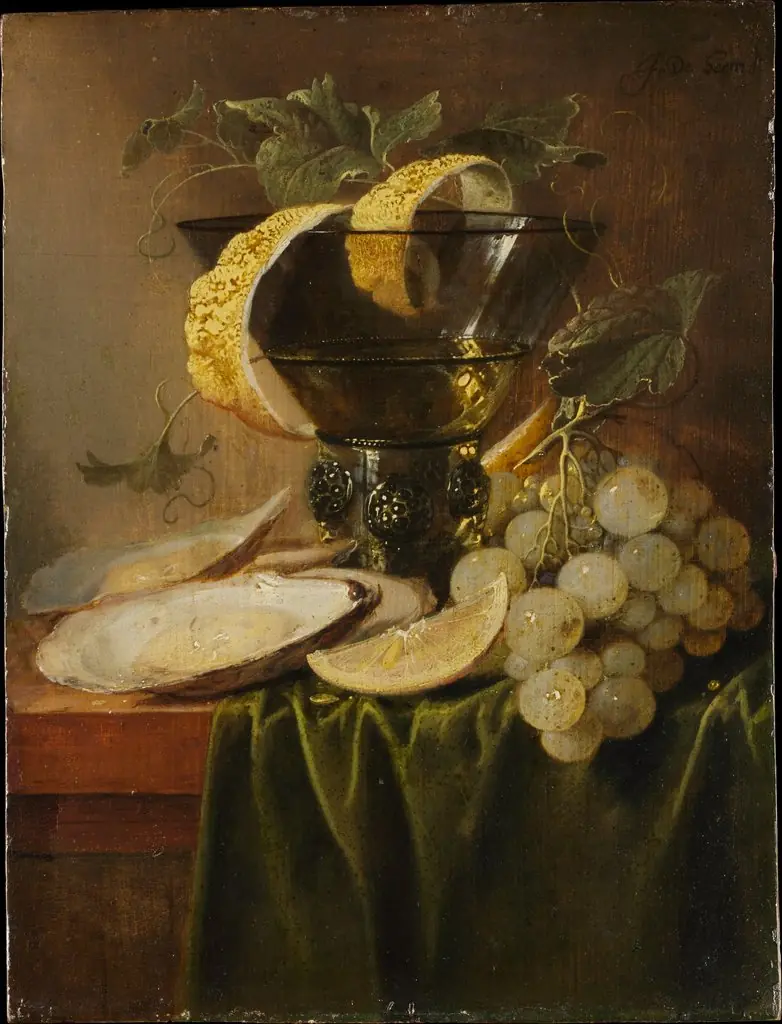
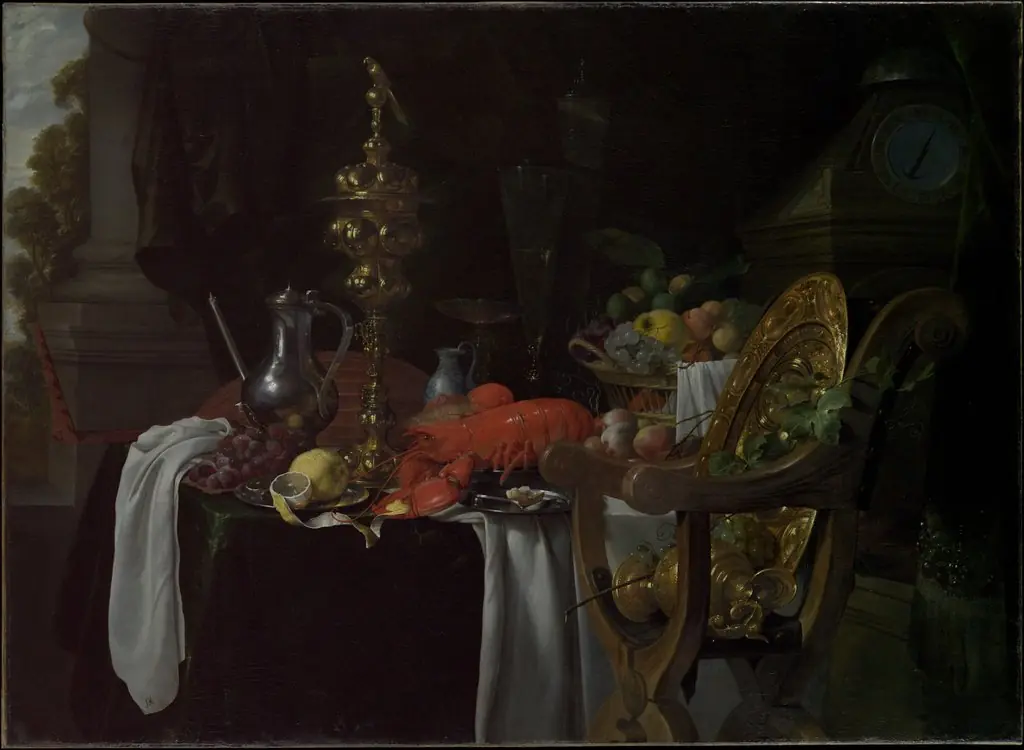
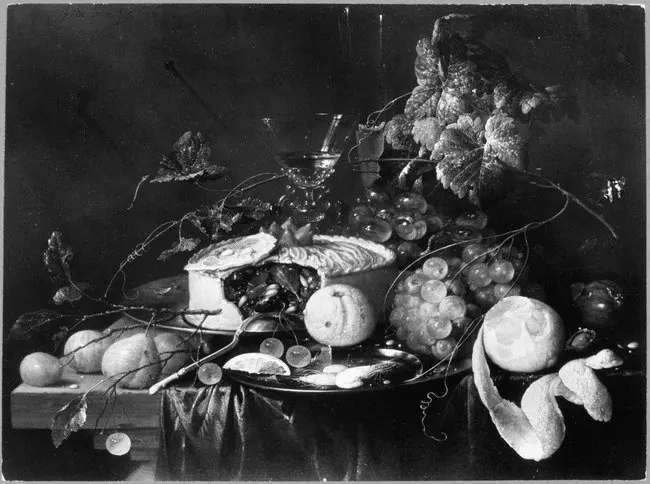
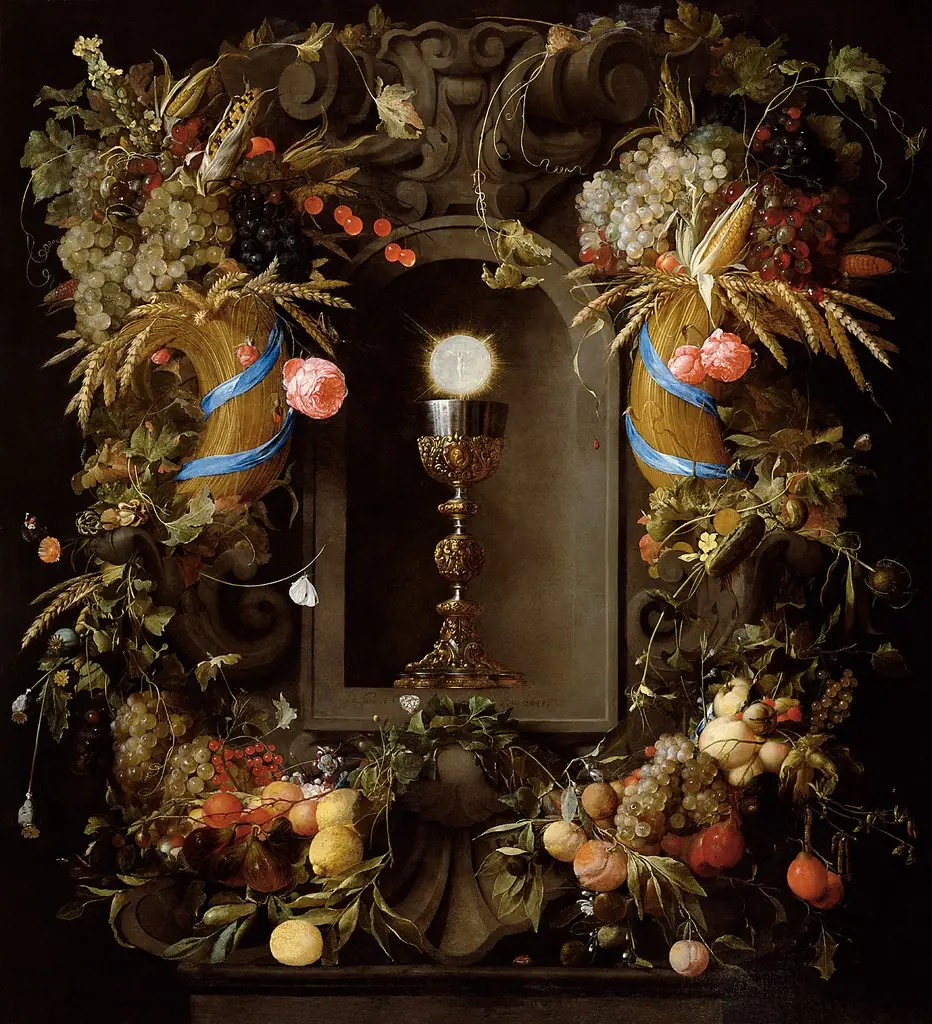
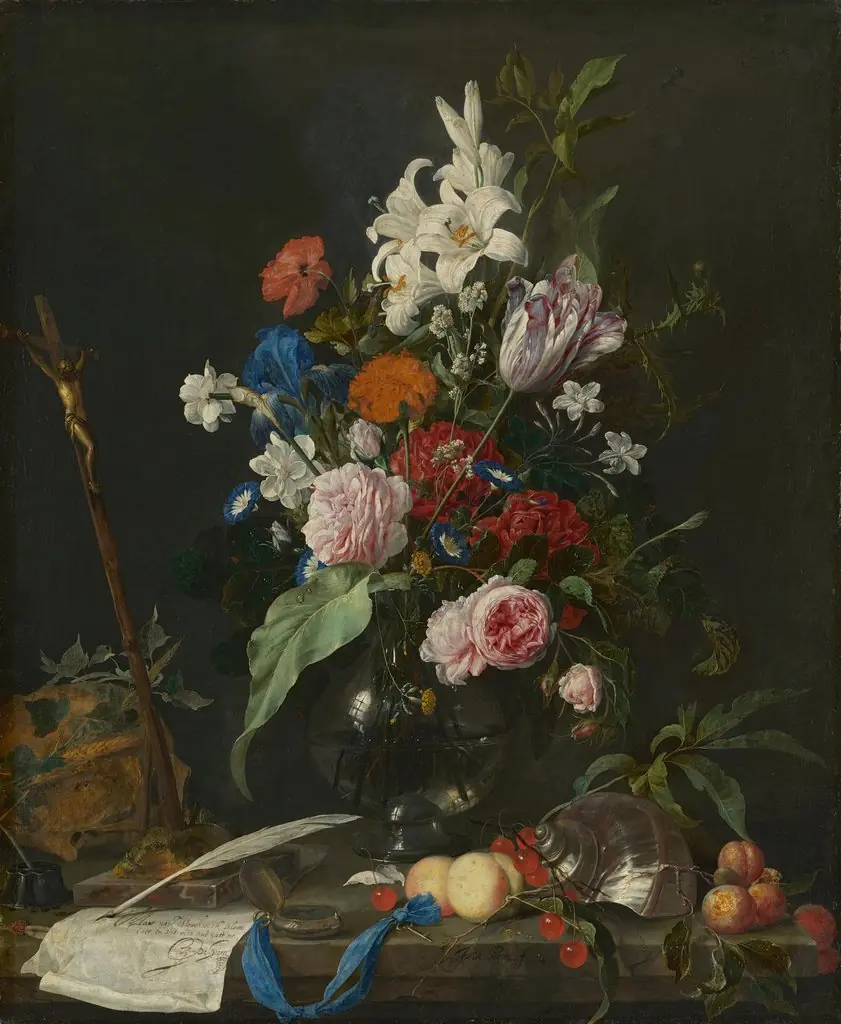
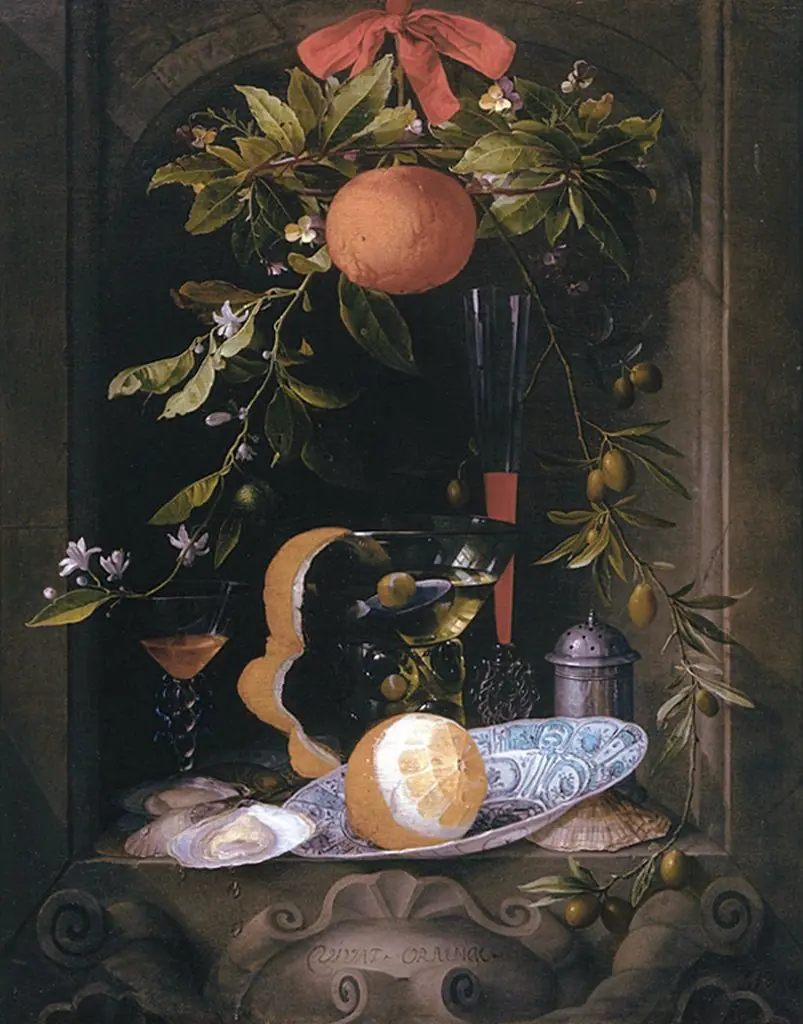
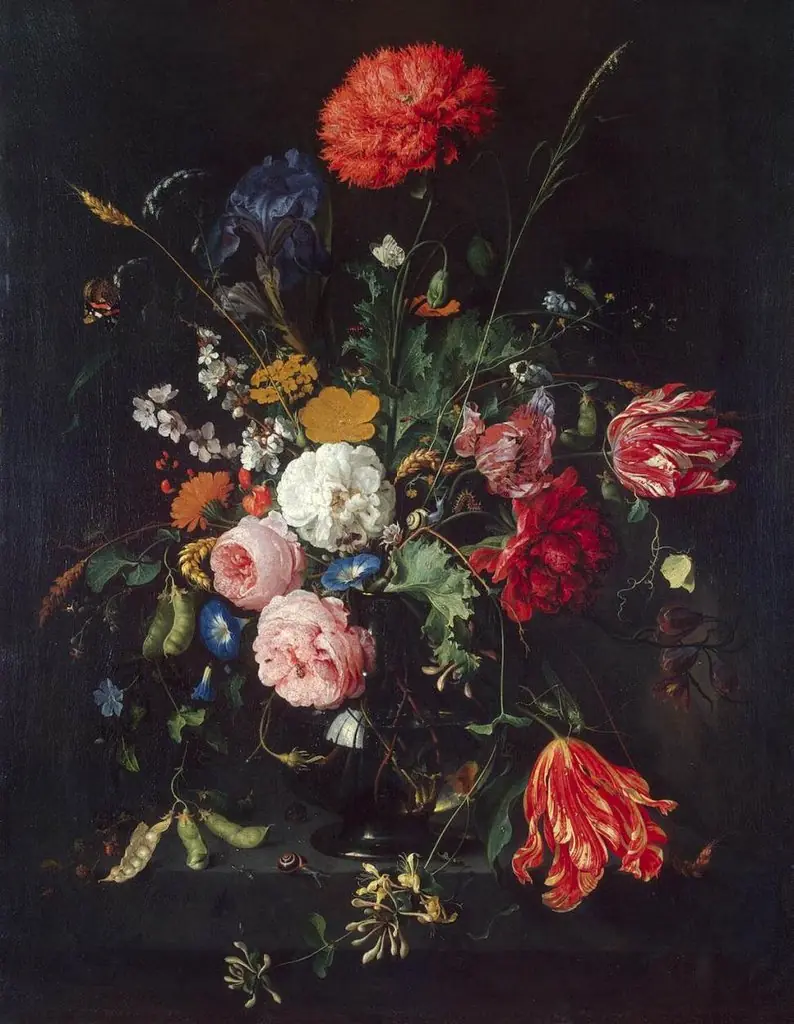
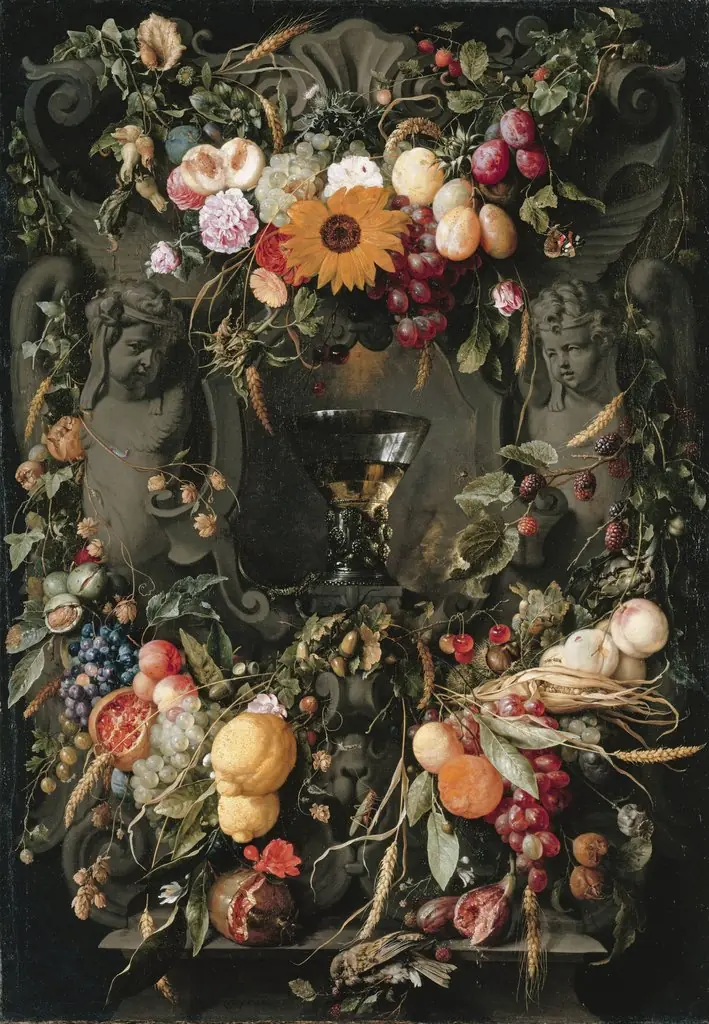
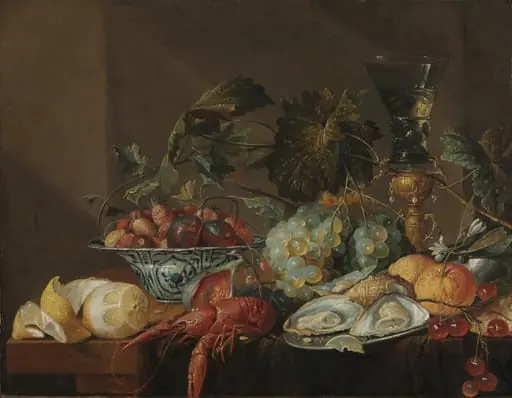
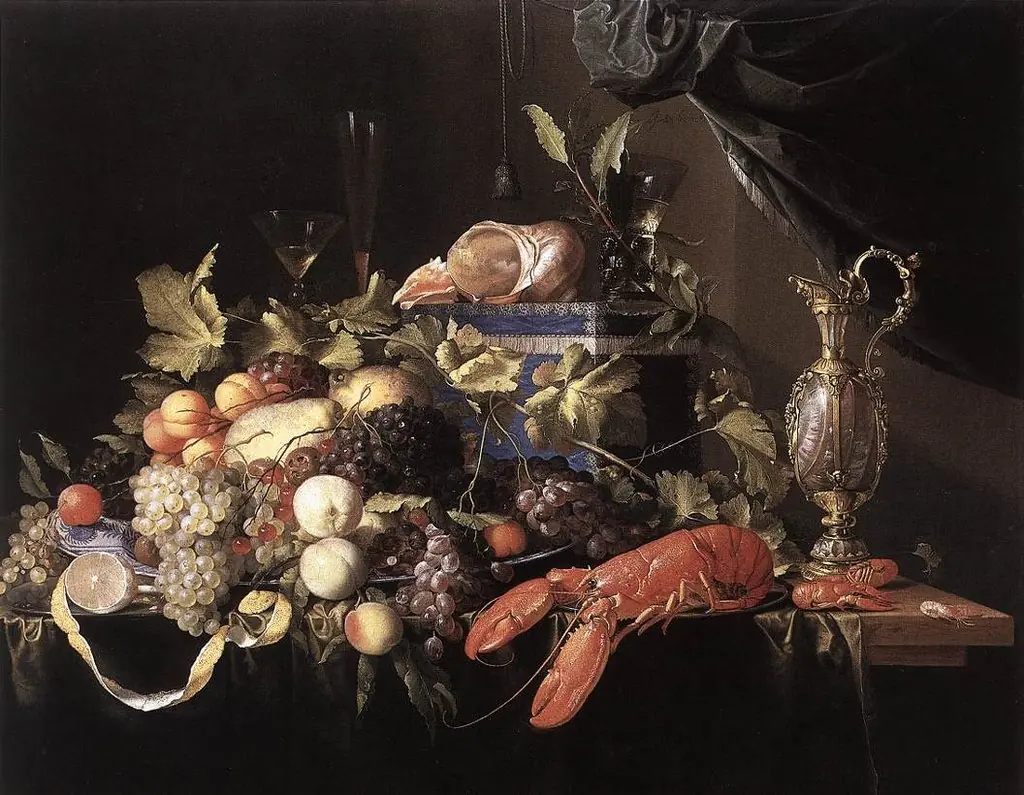
Jan Davidsz. de Heem’s oil painting *Still‑life with fruit*, executed in 1640, presents a compact arrangement of fruit, a half‑eaten fish, a wine glass and a silver tazza on a darkened tabletop. The composition is anchored by a split pomegranate, a lemon, and a cluster of grapes and figs, all illuminated against a muted background that heightens their colour and texture.
Subject & Meaning
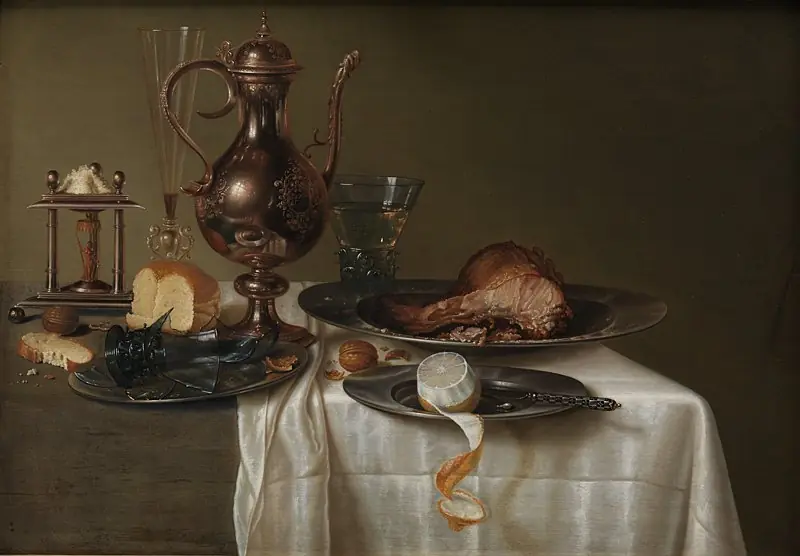
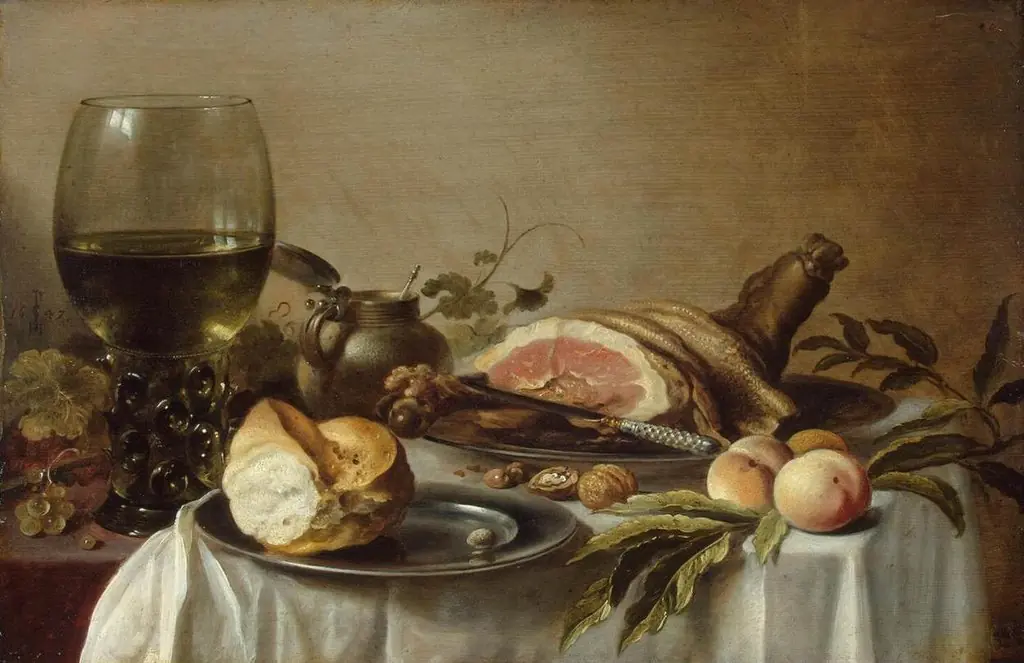
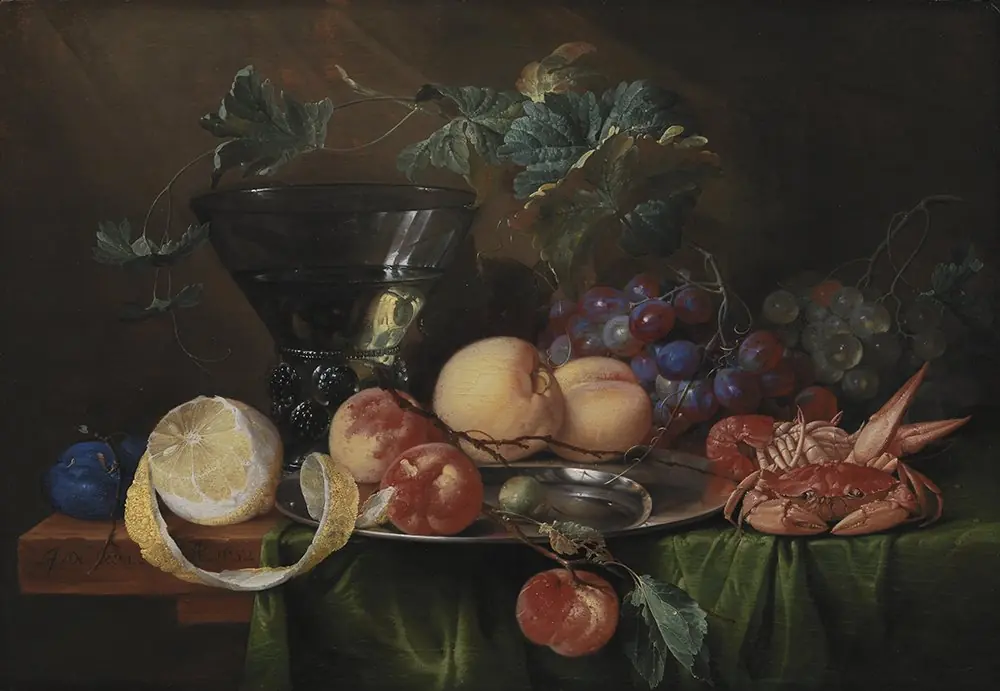
The work gathers a variety of edible items—citrus, pomegranate, grapes, figs, fish, and wine—objects frequently employed in 17th‑century Dutch still lifes to suggest abundance, the transience of pleasure, and moral reflections on mortality. The juxtaposition of fresh fruit with a partially consumed fish invites contemplation of the fleeting nature of sensory delights.
Technique & Style
De Heem applies a refined chiaroscuro, allowing the luminous surfaces of the fruit and metalware to emerge from the deep shadows of the tabletop. Meticulous brushwork renders the translucency of the lemon rind, the glossy skin of the grapes, and the reflective sheen of the silver tazza, creating a convincing three‑dimensional effect.
History & Provenance
Created during the Dutch Golden Age, the painting exemplifies de Heem’s reputation for elaborate, symbol‑laden banquet scenes. It entered the collection of the Fitzwilliam Museum in Cambridge, where it remains on view as part of the institution’s holdings of 17th‑century Dutch art.
Artist & collection
Artist
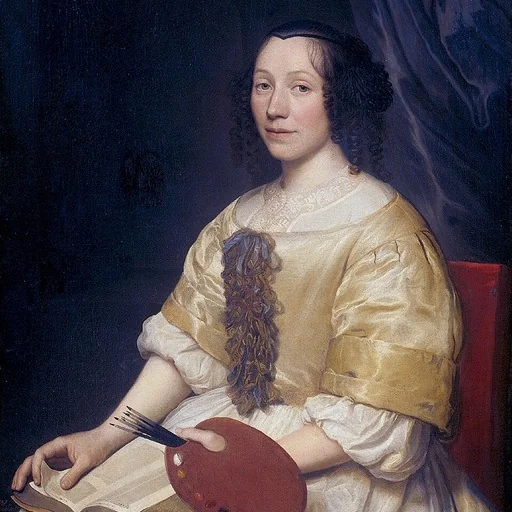
Maria van Oosterwijck (1630–1693), also spelled Oosterwyck, was a Dutch Golden Age painter, specialising in richly detailed flower paintings and other still lifes.