Artwork
Still life with a fish
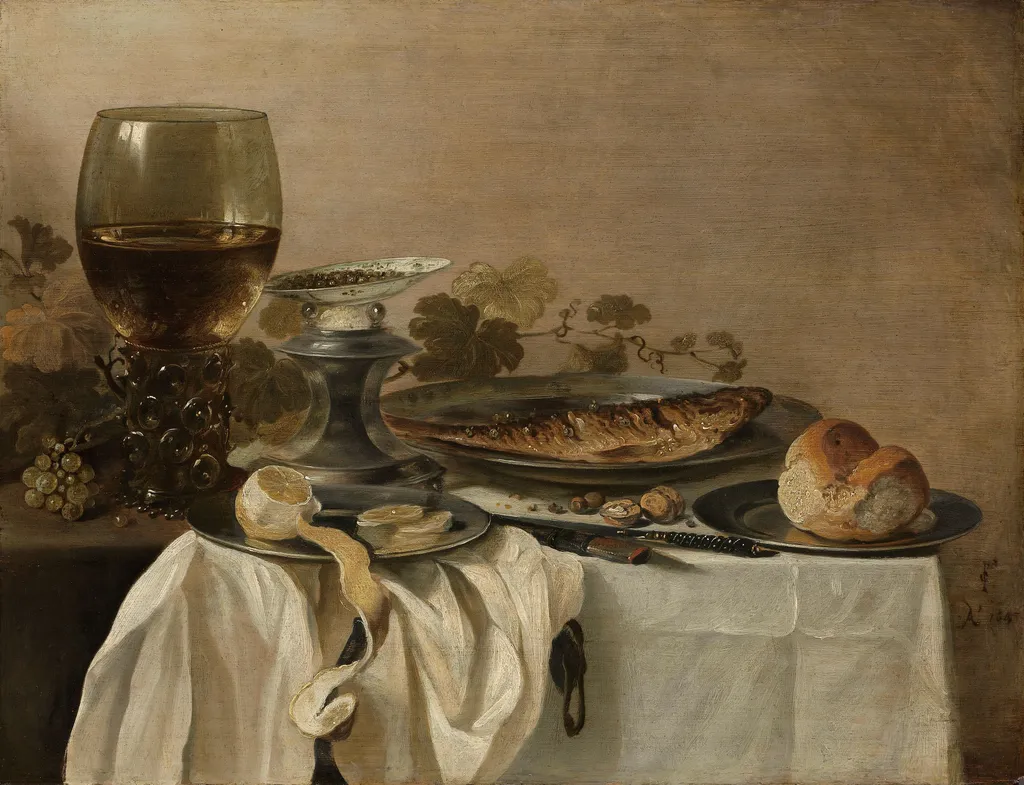
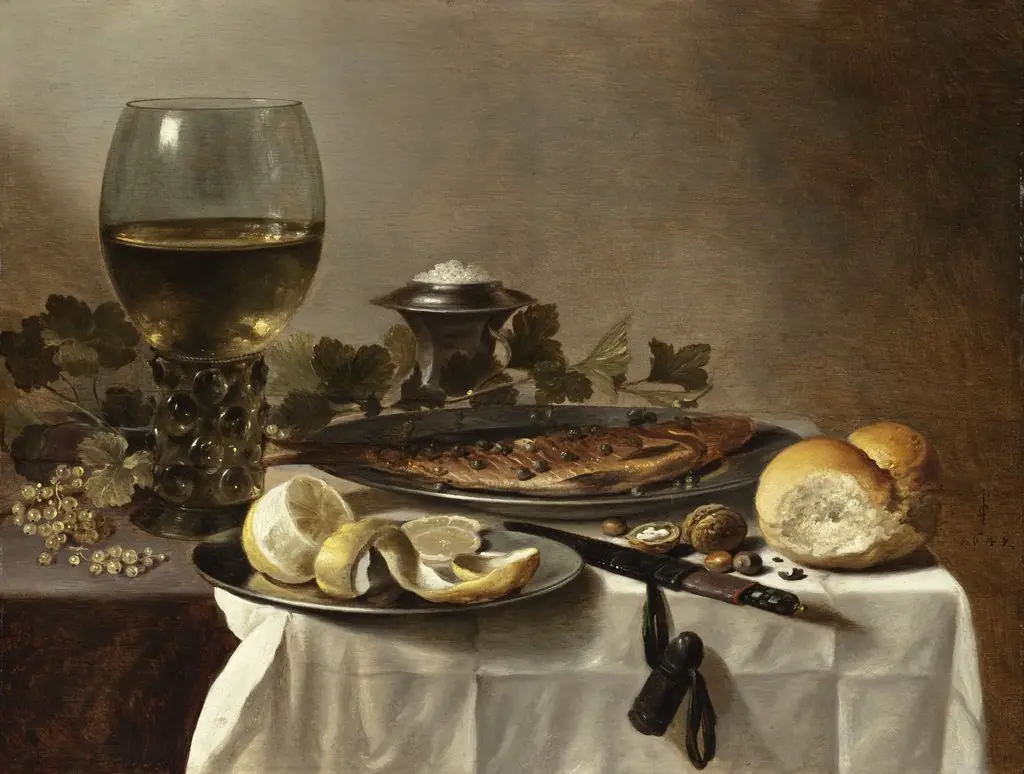
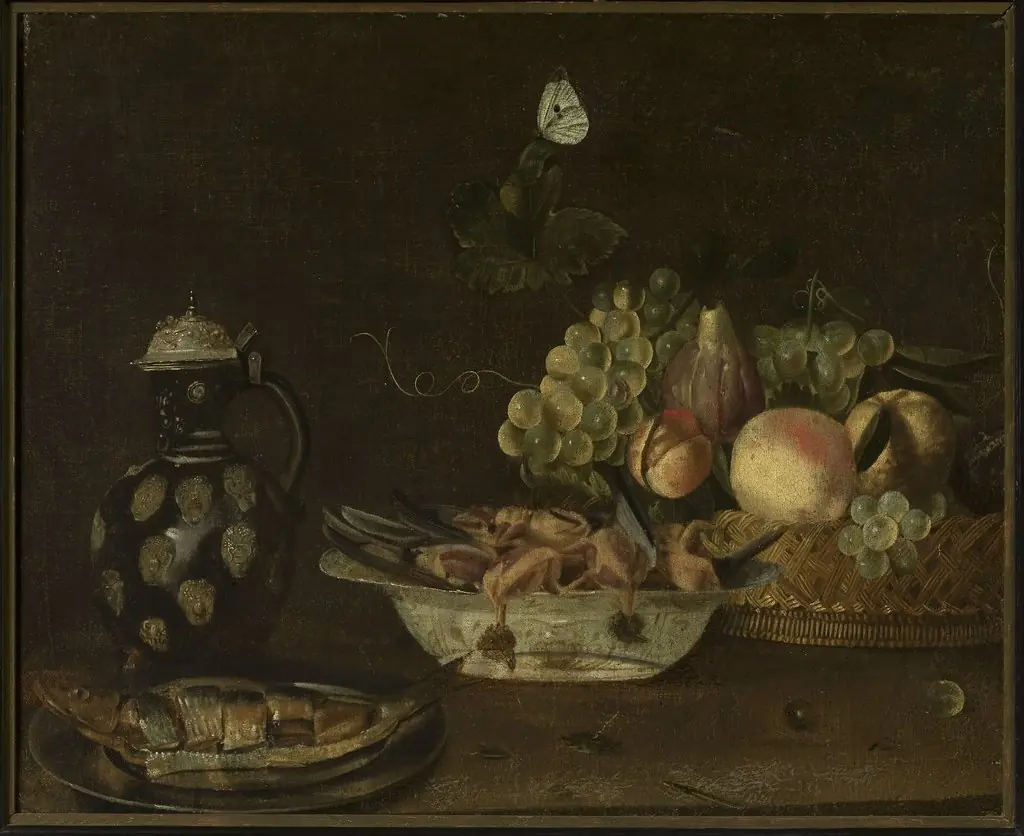
Still life with a fish is an oil painting by the Dutch Golden Age artist Pieter Claesz. It dates from 1647 and is held in the collection of the Rijksmuseum.
About this work
Overview
The composition is anchored by everyday objects—a knife, nuts, a glass of wine, bread, and olives—arranged to guide the viewer’s eye across the scene.
Pieter Claesz’s 1647 oil painting, Still life with a fish, exemplifies the Dutch Golden Age’s interest in domestic tableau. Executed on canvas, the work depicts a modest banquet spread on a white‑draped table, centered on a freshly caught fish resting on a pewter platter. The composition is anchored by everyday objects—a knife, nuts, a glass of wine, bread, and olives—arranged to guide the viewer’s eye across the scene.
Subject & Meaning
The central fish, rendered with meticulous texture, serves as a focal point that underscores themes of abundance and the fleeting nature of material pleasures, common in 17th‑century Dutch still lifes. The surrounding fare—wine, bread, olives—suggests a simple, convivial meal, while the careful placement of each item invites contemplation of the ordinary’s visual richness.
Technique & Style
Claesz employs a restrained palette of warm beiges and muted earth tones, allowing subtle contrasts of light and shadow to model each surface. His use of chiaroscuro creates a three‑dimensional effect, particularly on the reflective pewter and the glistening fish scales. The brushwork is fine and controlled, emphasizing texture—from the crisp crust of the bread to the smooth sheen of the glass.
History & Provenance
Created in 1647, the painting belongs to the oeuvre of Pieter Claesz, a leading still‑life painter of the Dutch Golden Age. It entered the collection of the Rijksmuseum in Amsterdam, where it remains on display as part of the museum’s holdings of 17th‑century Dutch art, illustrating the period’s domestic genre.
Own this work as a print
Artist & collection
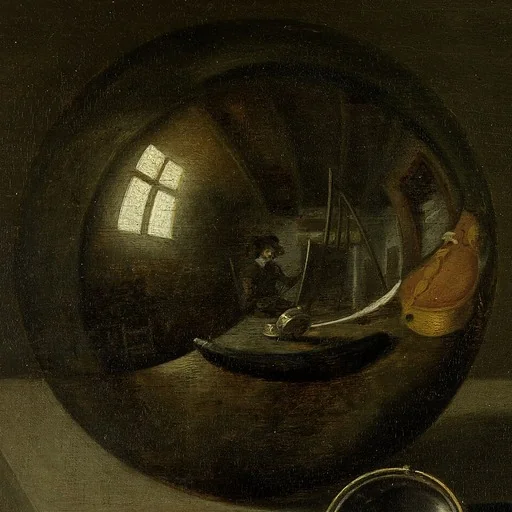
Artist
Pieter Claesz was born in 1596 or 1597 in Berchem, near Antwerp, and moved to Haarlem in the Dutch Republic around 1620.

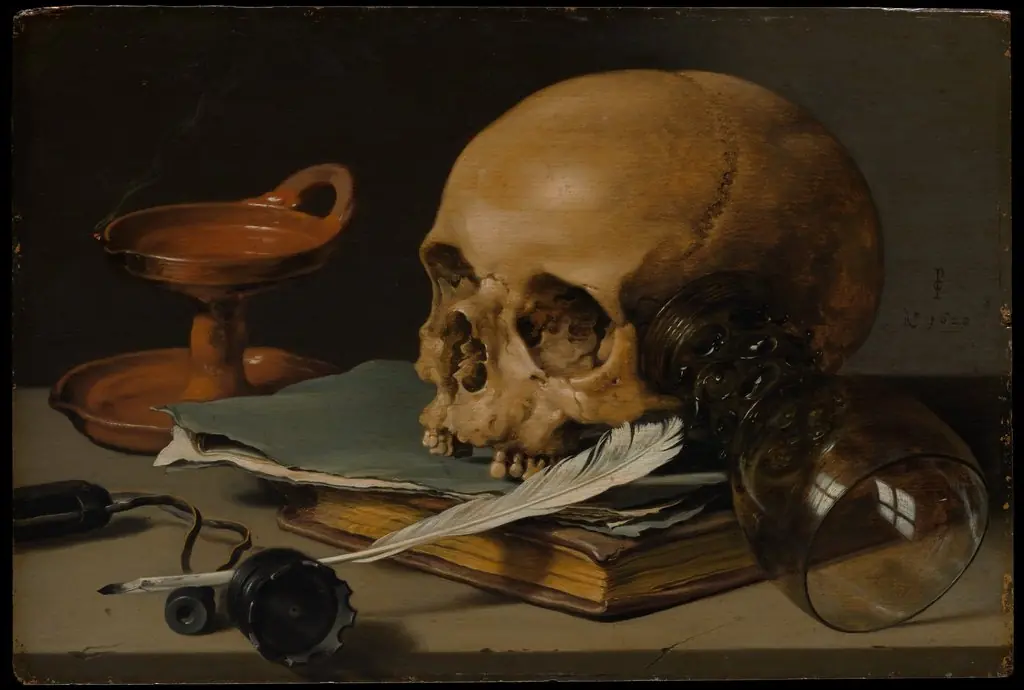
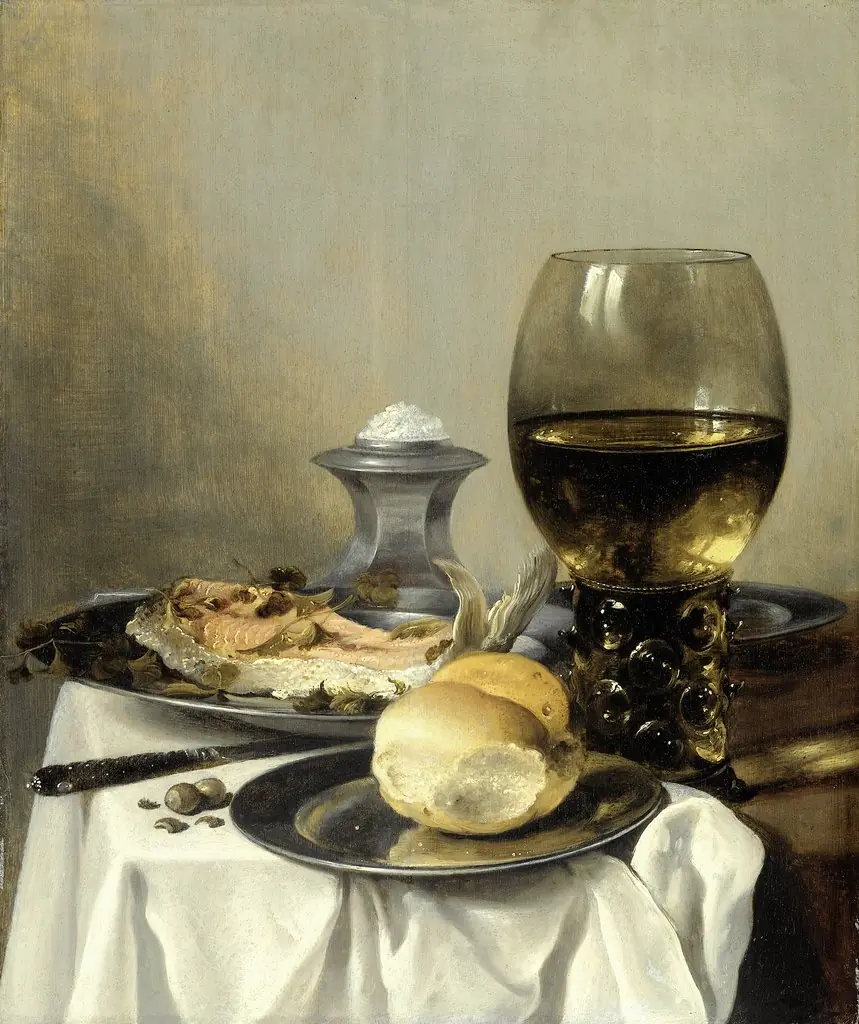
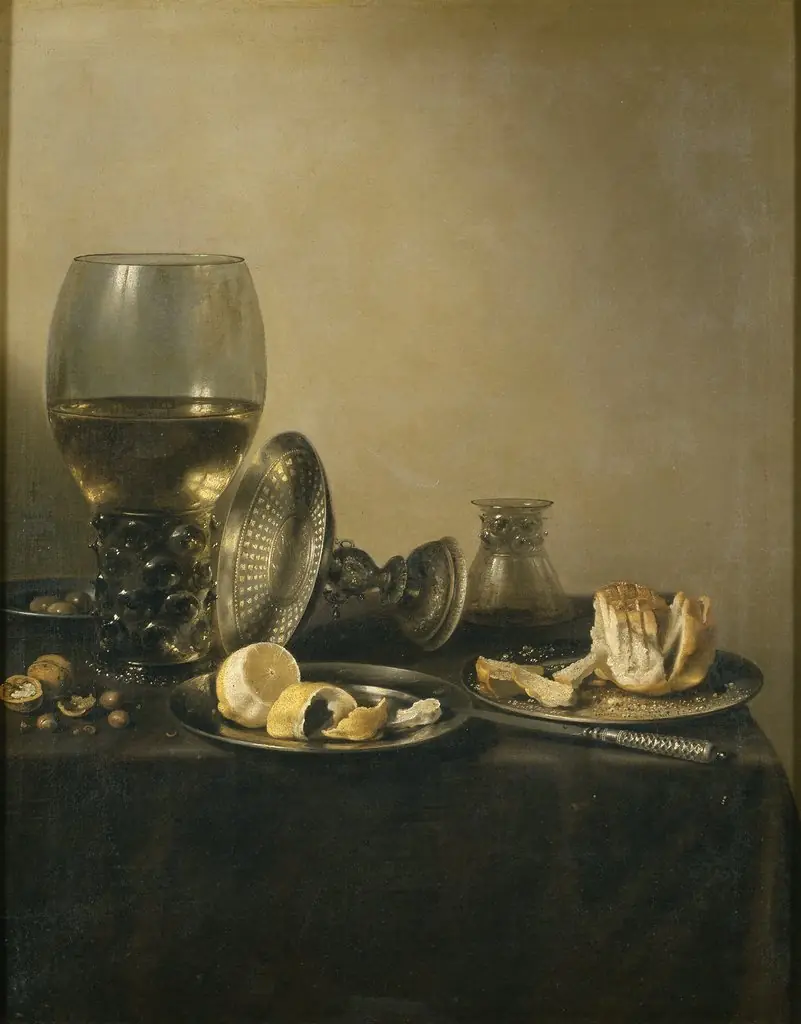
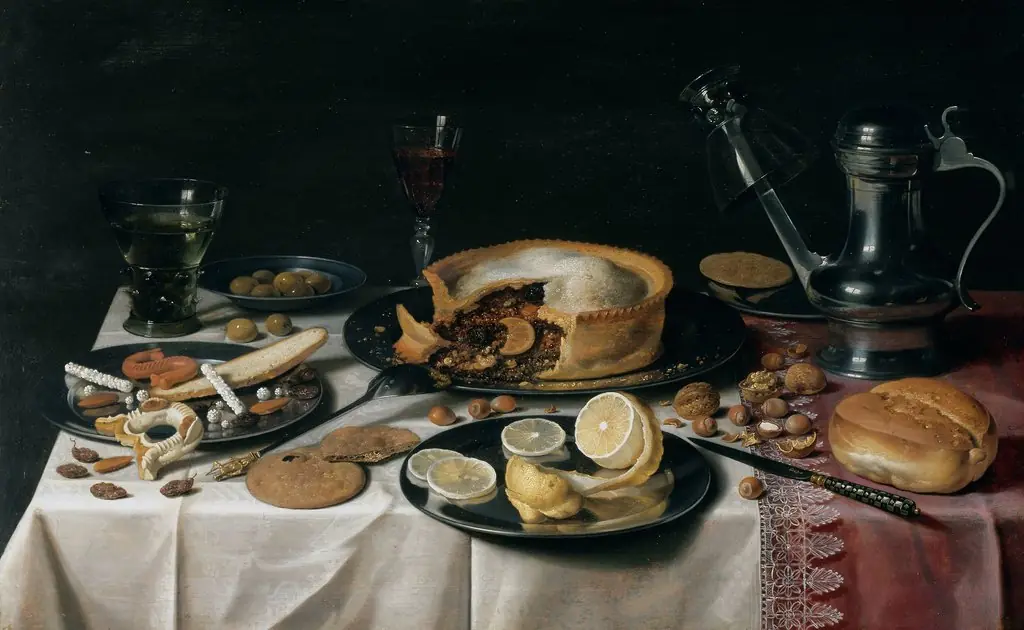
 Still Life with Herring, Wine and Bread
 Still life
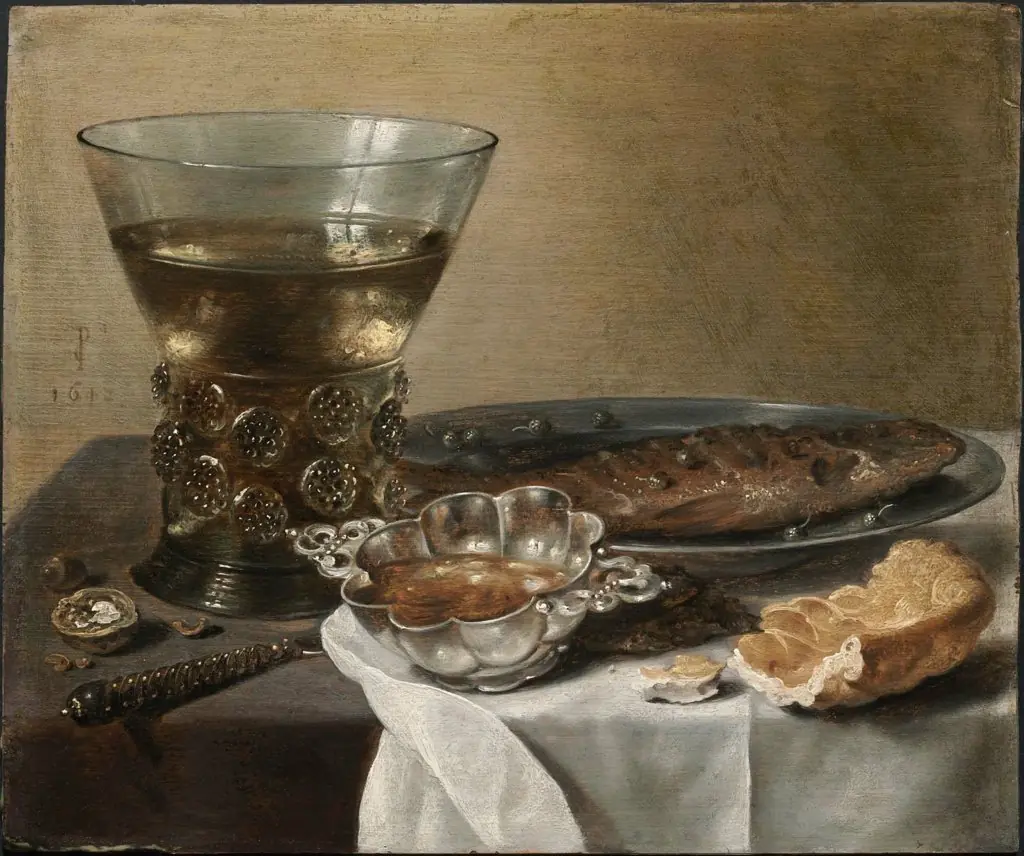 Still Life with Silver Brandy Bowl, Wine Glass, Herring, and Bread
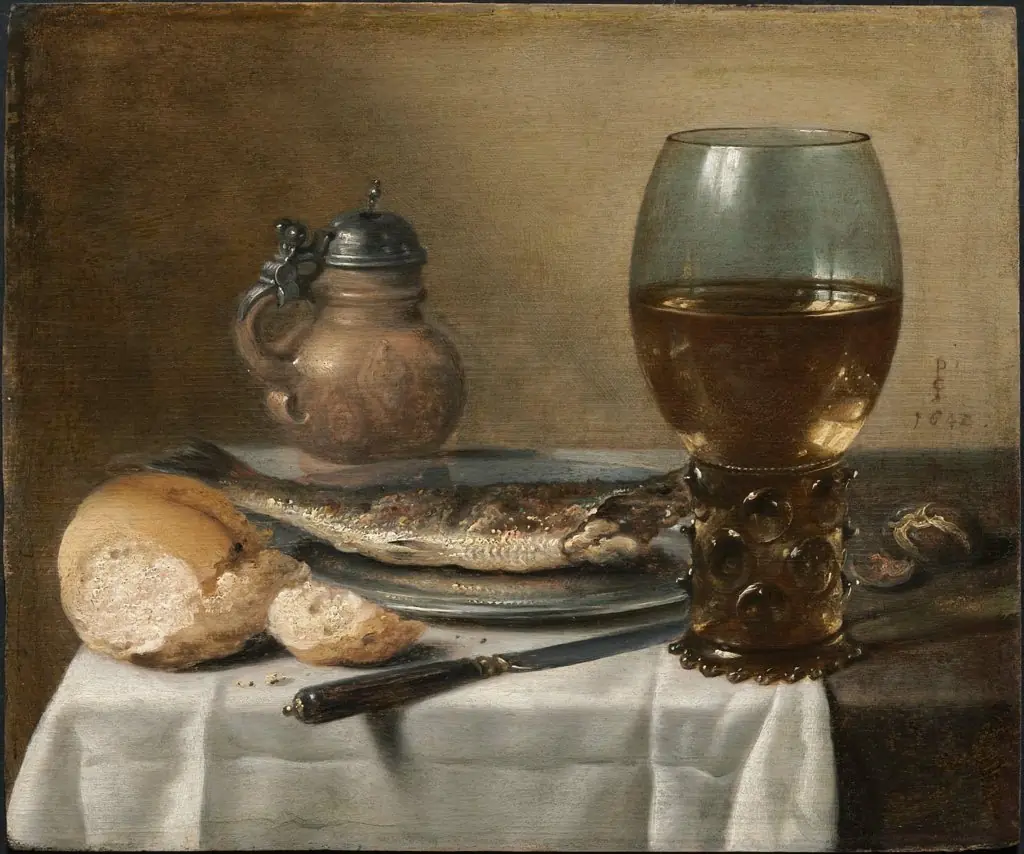 Still Life with Stoneware Jug, Wine Glass, Herring, and Bread
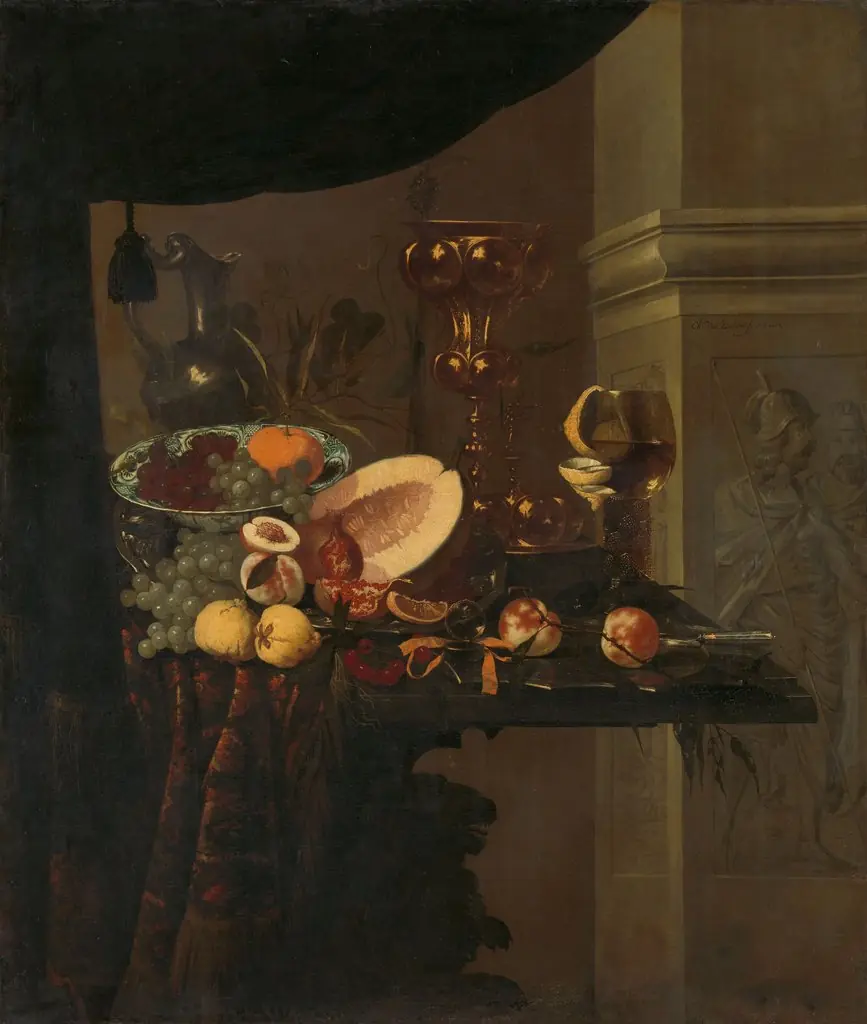 Still Life
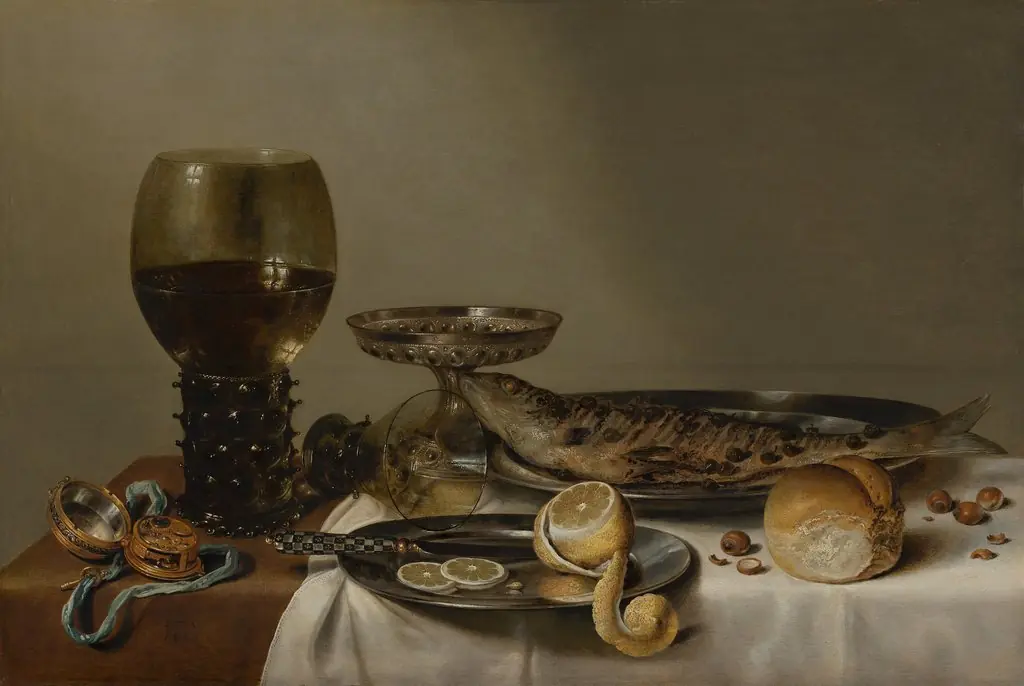 Still Life with a Roemer and a Watch
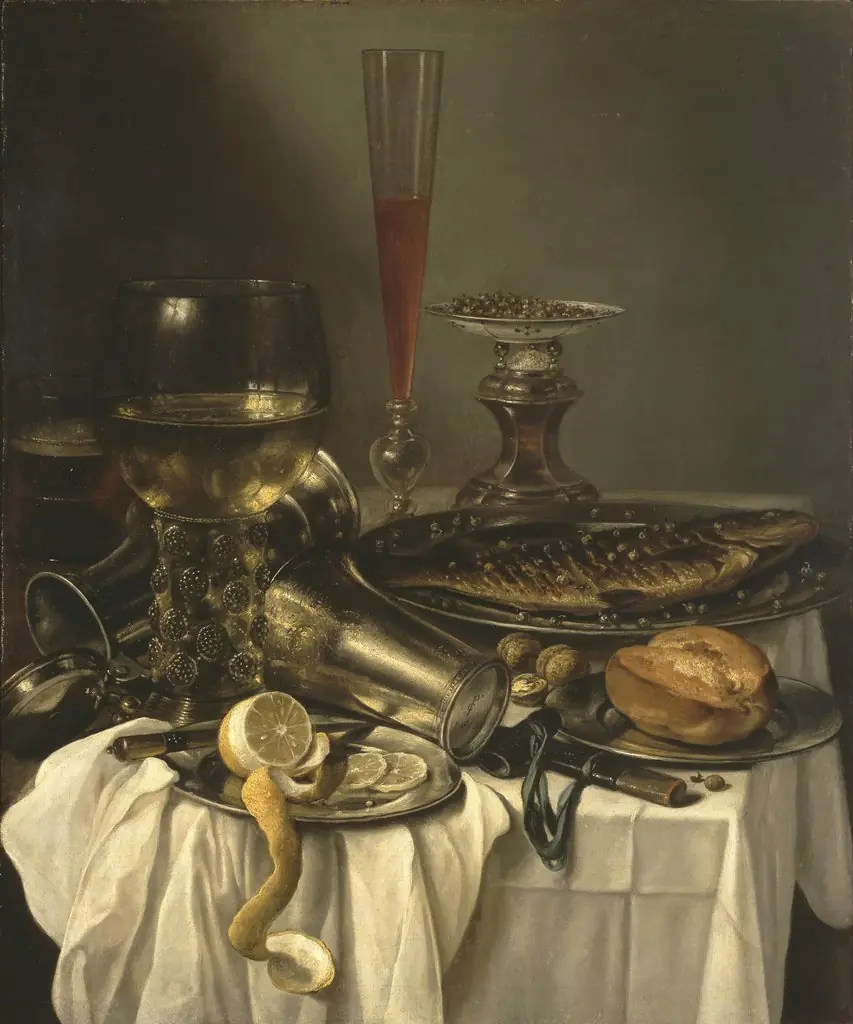 Breakfast with Fish
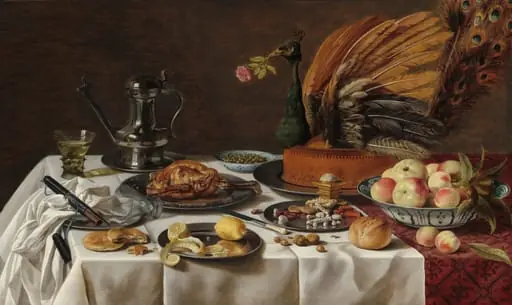
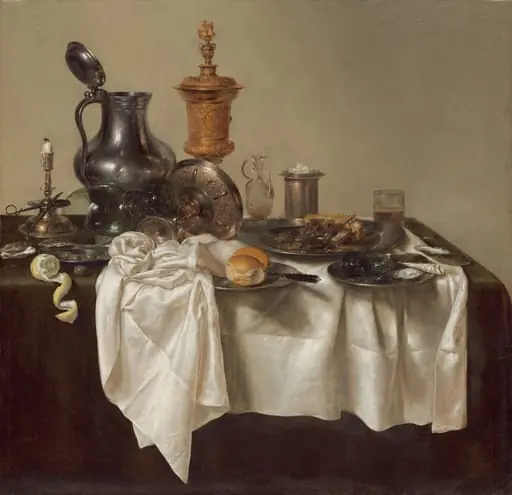 Banquet Piece with Mince Pie
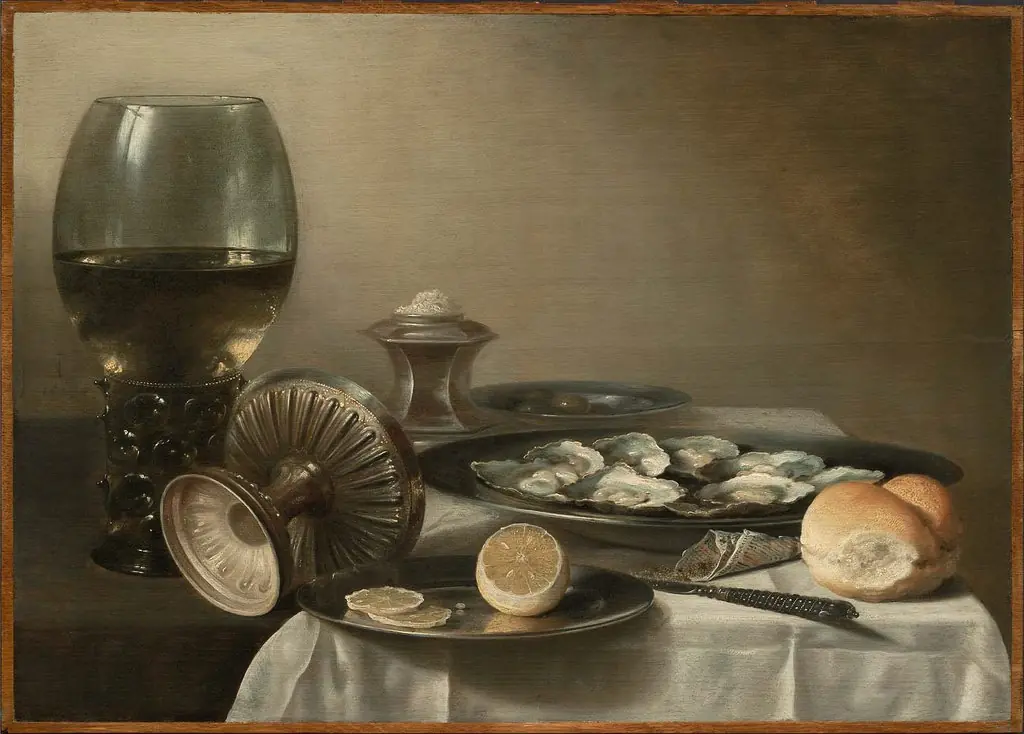 Still Life with Wine Goblet and Oysters
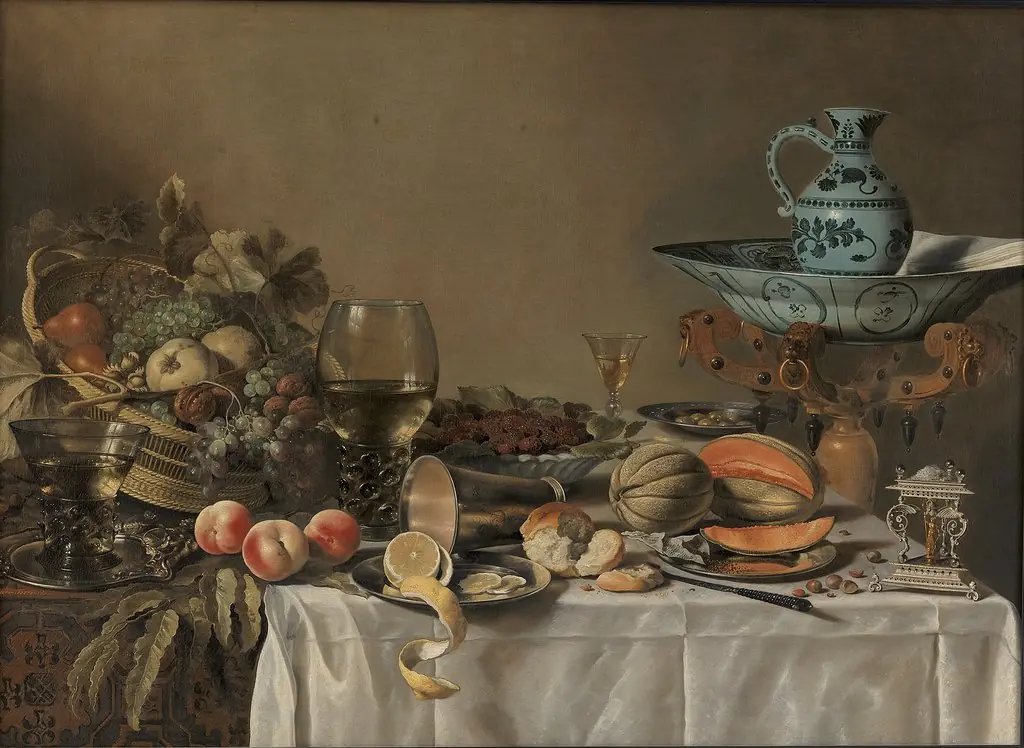 Still Life
 Still life with a herring