Artwork
Portrait of a Young Man
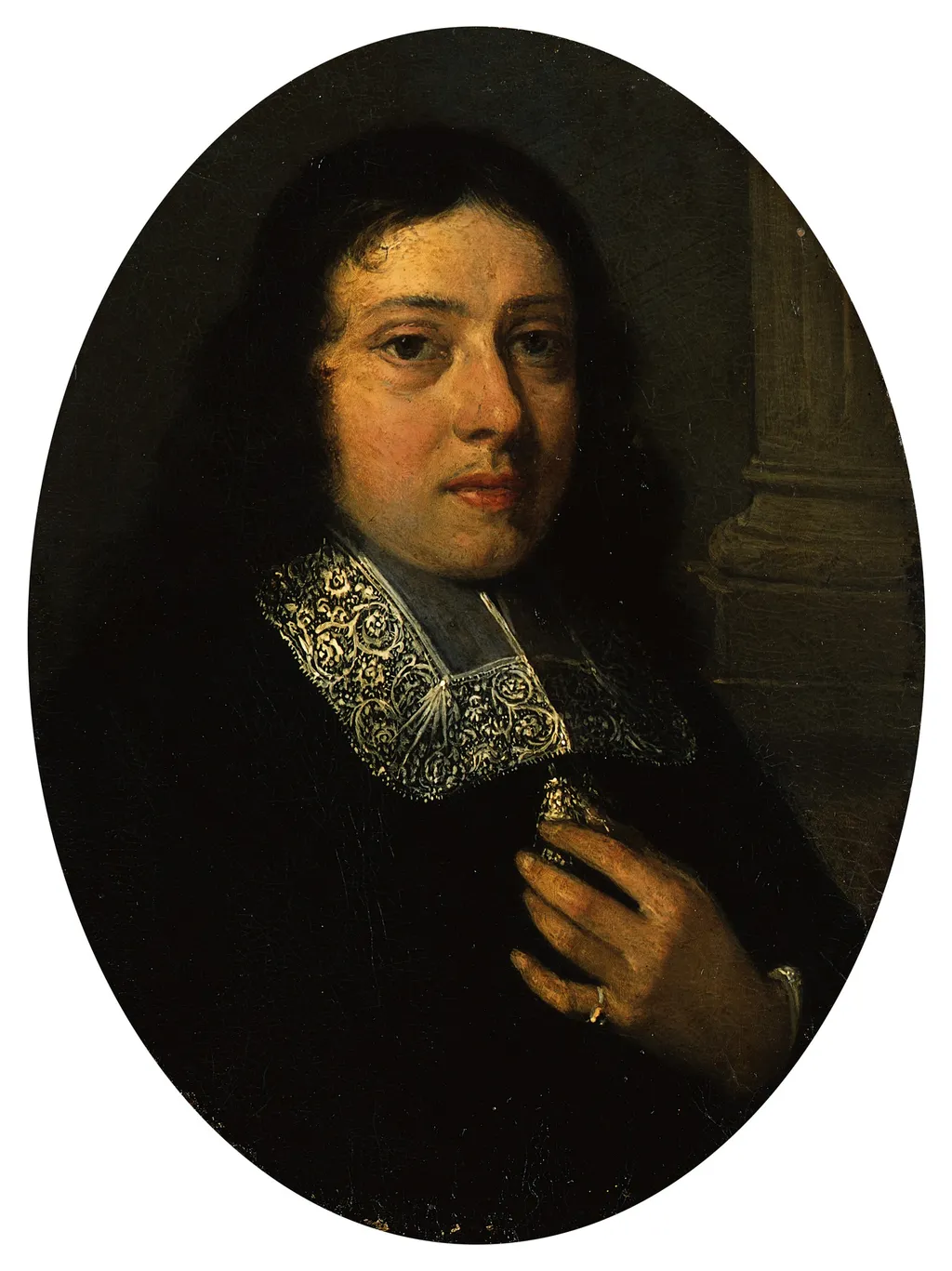
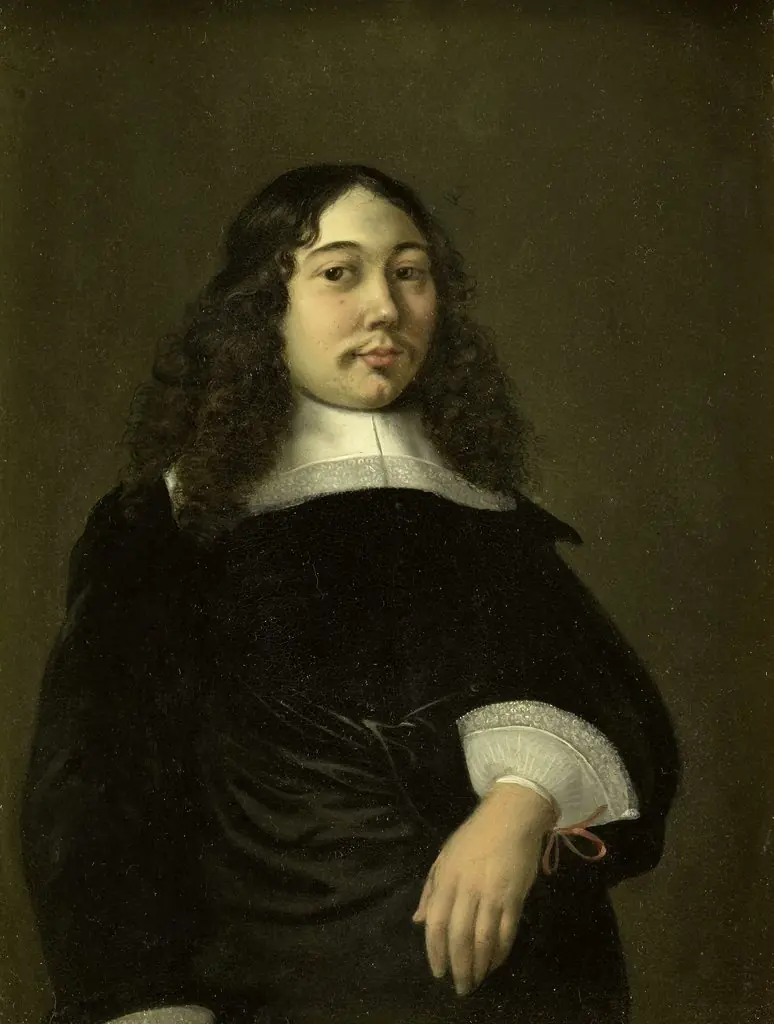
Portrait of a Young Man is a paint painting by the Dutch Golden Age artist Pieter Cornelisz. van Slingelandt. It dates from 1672 and is held in the collection of the Gemäldegalerie Berlin. Painted in 1672 by Pieter Cornelisz.
About this work
Overview
It resides today in the Gemäldegalerie, Berlin, as part of a collection emphasizing technical mastery from the period.
Painted in 1672 by Pieter Cornelisz. van Slingelandt, this portrait captures a young man in quiet composure. Executed on copper, a favored support among Leiden’s fijnschilders for its fine texture, the work reflects the precision and restraint characteristic of Dutch Golden Age portraiture. It resides today in the Gemäldegalerie, Berlin, as part of a collection emphasizing technical mastery from the period.
Subject & Meaning
The sitter, dressed in a dark coat with a detailed silver collar, holds his right hand over his chest in a gesture of quiet dignity. His dark curls and solemn gaze suggest introspection rather than display. The absence of identifying symbols or context implies a focus on personal presence rather than social status, aligning with the era’s interest in individual character over heraldic display.
Technique & Style
Van Slingelandt employed fine brushwork and subtle chiaroscuro to model the face and fabric with exceptional clarity. The copper support allowed for smooth transitions and sharp detail, particularly in the collar’s metallic sheen and the softness of the skin. The dark, undefined background isolates the figure, enhancing the three-dimensionality achieved through controlled light and shadow.
History & Provenance
Created during the height of Leiden’s fijnschilder tradition, the painting reflects van Slingelandt’s training under Gerard Dou and his commitment to meticulous execution. It entered the Gemäldegalerie Berlin’s collection in the 19th century, likely through acquisitions of Dutch works by Prussian collectors. Its provenance before that remains undocumented, though its condition suggests careful preservation.
Context
In mid-17th century Holland, portraiture thrived among the urban elite, who valued understated elegance over grandeur. Artists like van Slingelandt catered to patrons seeking intimate, lifelike representations. The use of copper, though costly, signaled both technical ambition and a preference for durability, reflecting the market’s appreciation for finely crafted, long-lasting works.
Legacy
Van Slingelandt’s portrait exemplifies the quiet refinement of Leiden’s fijnschilders, whose influence extended beyond their time through technical emulation. Though less widely known than contemporaries like Rembrandt, his work contributed to the broader Dutch tradition of psychological depth in portraiture. The painting endures as a testament to the discipline of minute observation and controlled execution.
Artist & collection
Artist
Pieter Cornelisz. van Slingelandt
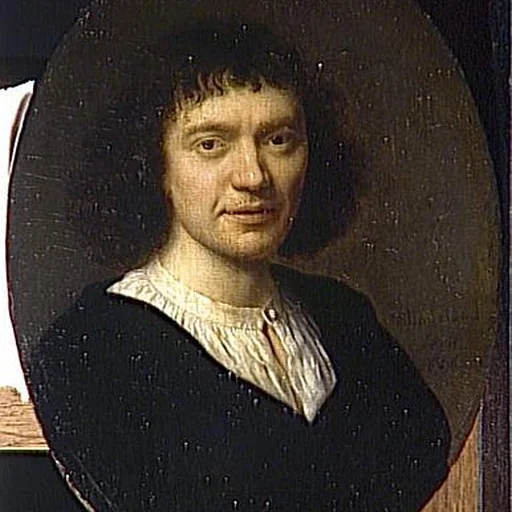
Pieter Cornelisz van Slingelandt (20 October 1640 – 7 November 1691) was a Dutch Golden Age portrait painter who had been a pupil of Gerard Dou and is known as one of Leiden's fijnschilders.

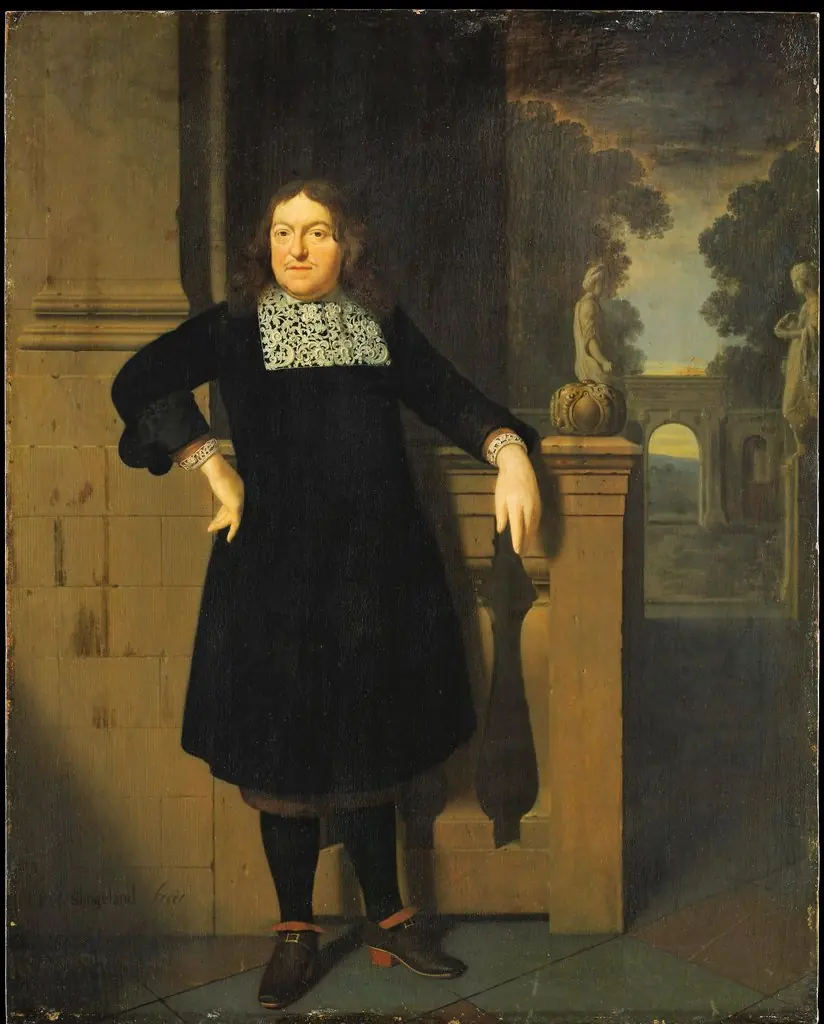 Portrait of Johan Hulshout (1623–1687)
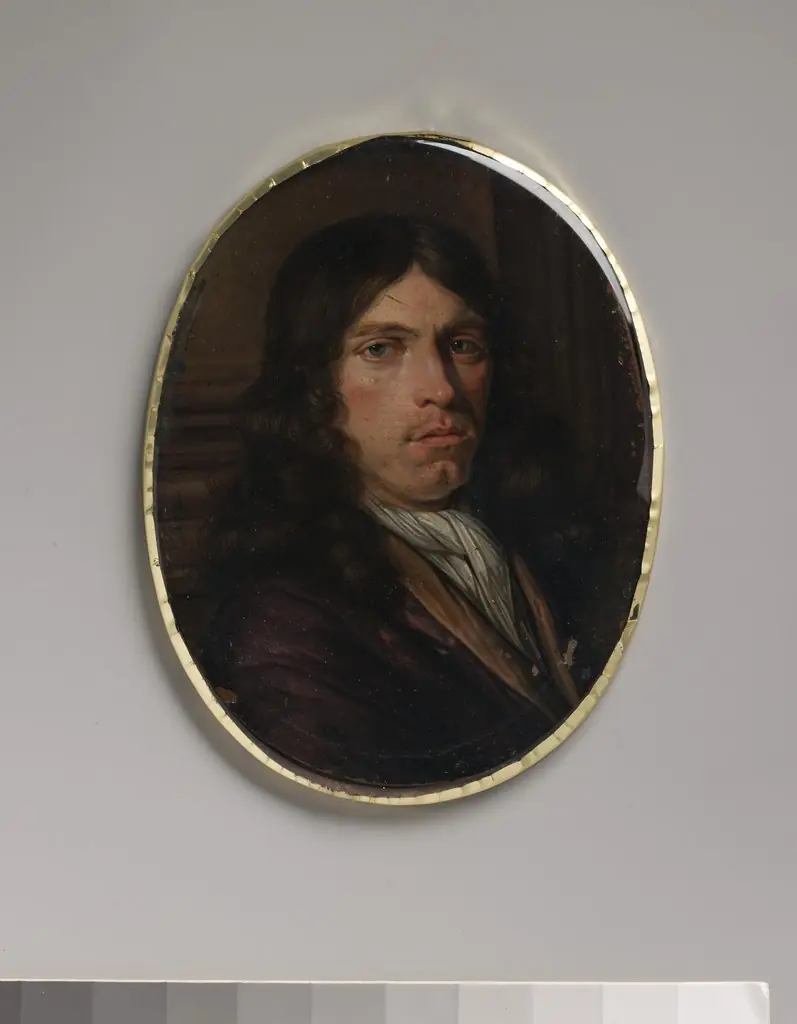 Portrait of a Man
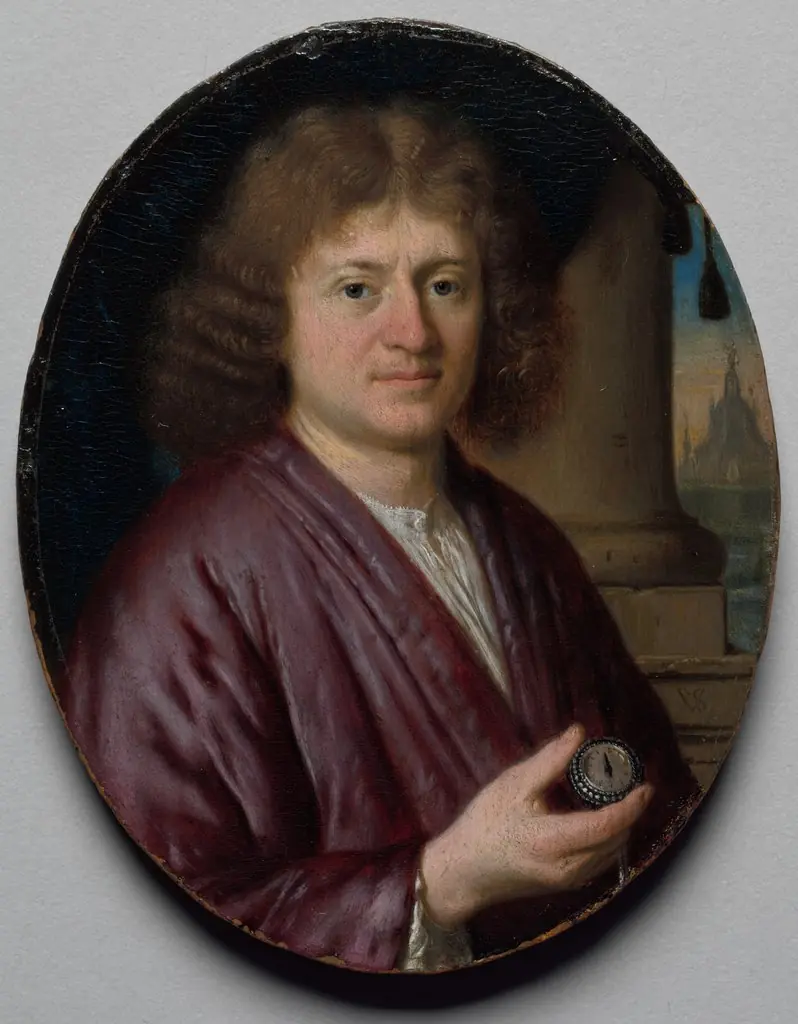 Portrait of a Man Holding a Watch
 Kitchen Scene
 Girl with a Parrot
 Portraits of a Man and a Woman framed with two ornamental frieze miniatures with shell motif and a Triumph of Amphitrite
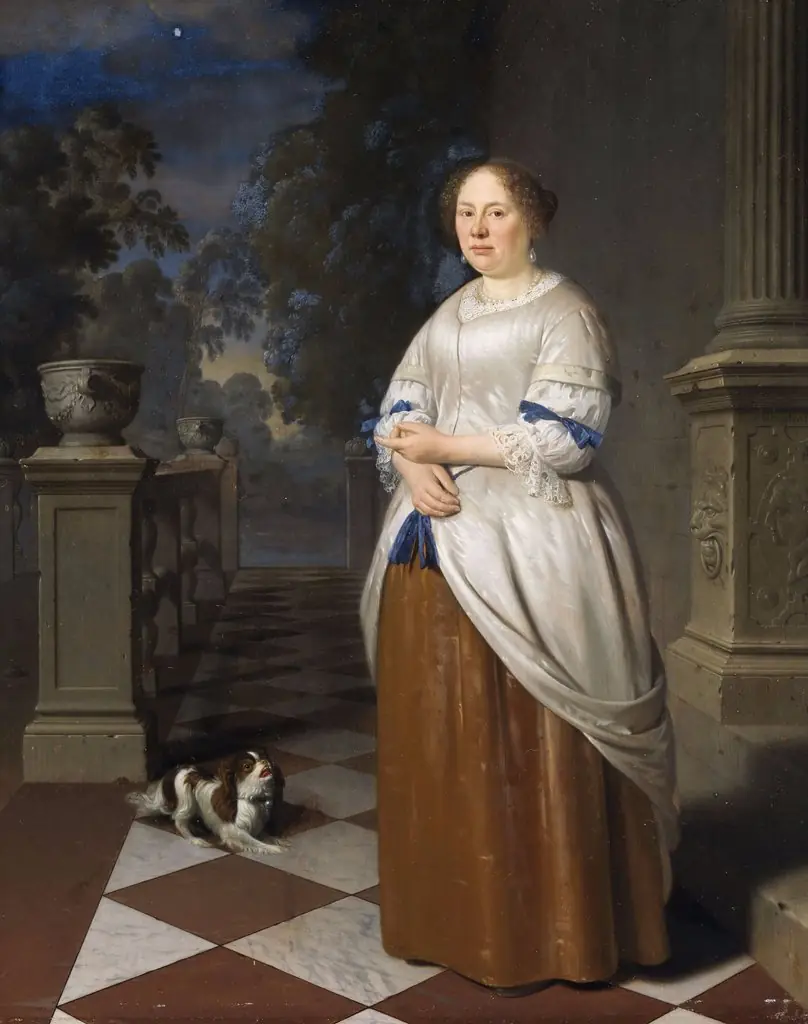 Portrait of Anna Splinter, wife of Johan Hulshout (1623–1687)
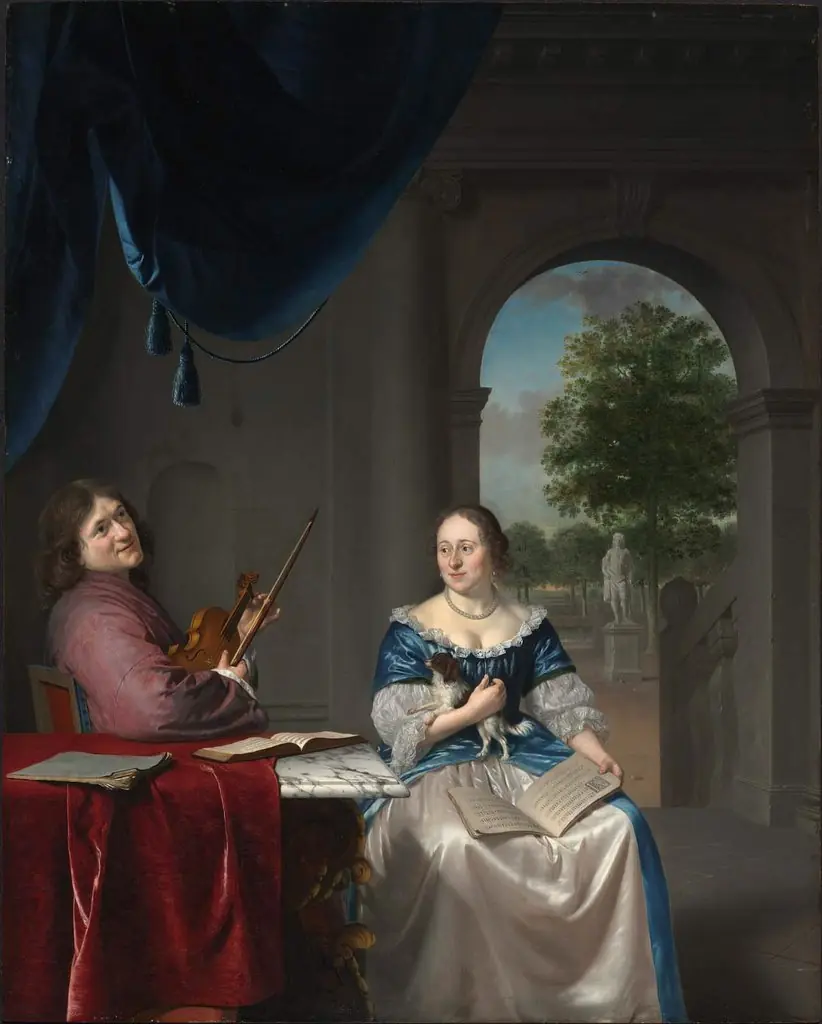 Johan van Musschenbroek and His Wife
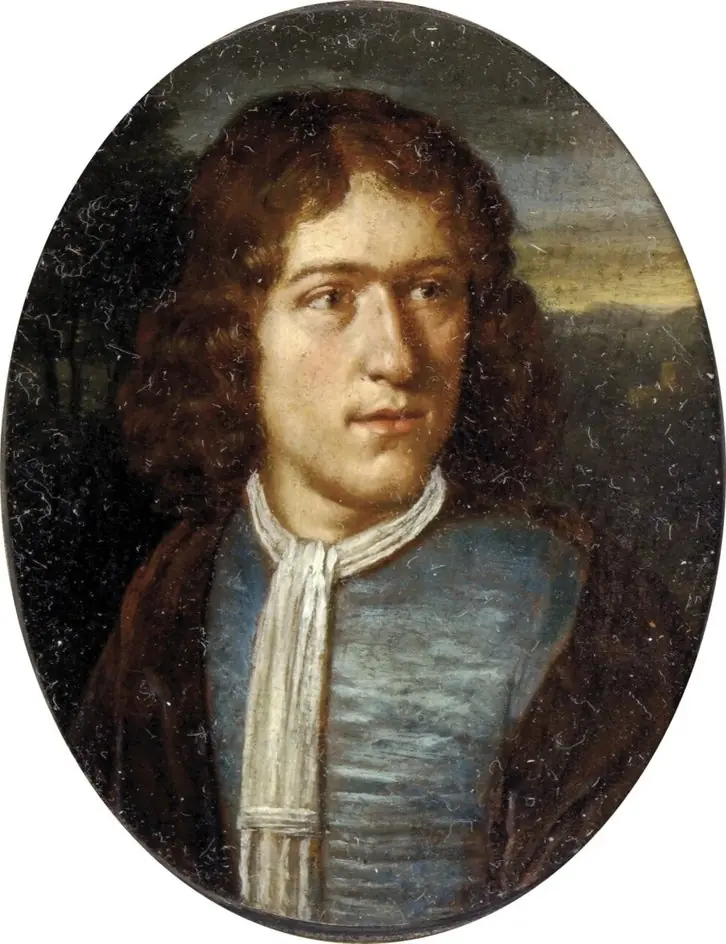 Portrait of a young Man
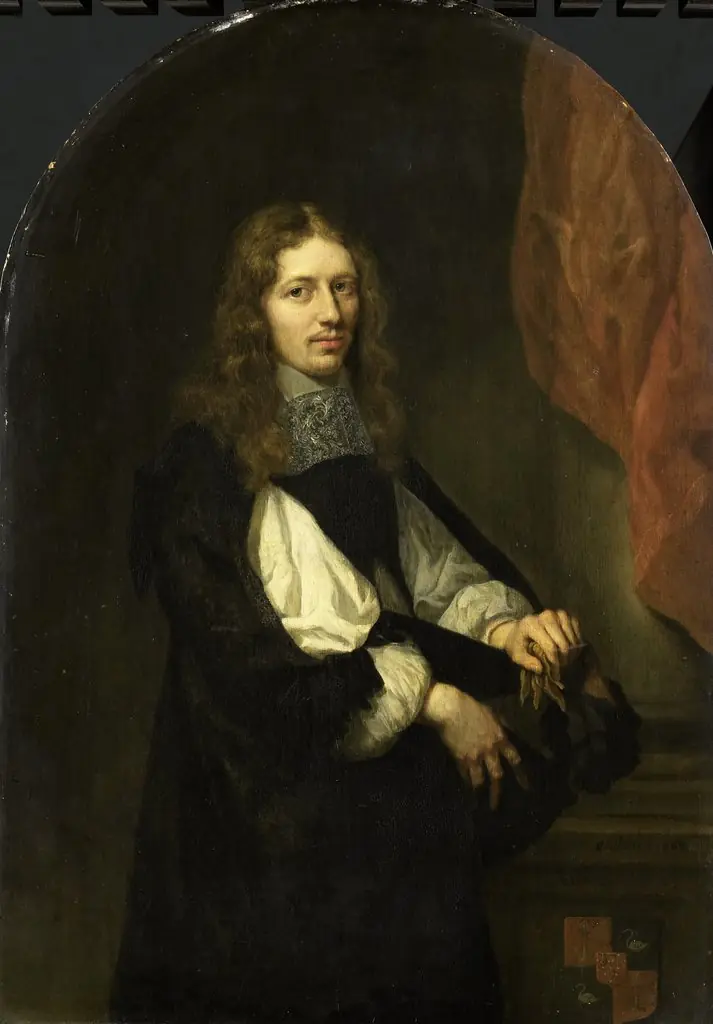 Portrait of Pieter de Graeff (1638-1707), lord of Zuid-Polsbroek, Purmerland, and Ilpendam. Alderman of Amsterdam
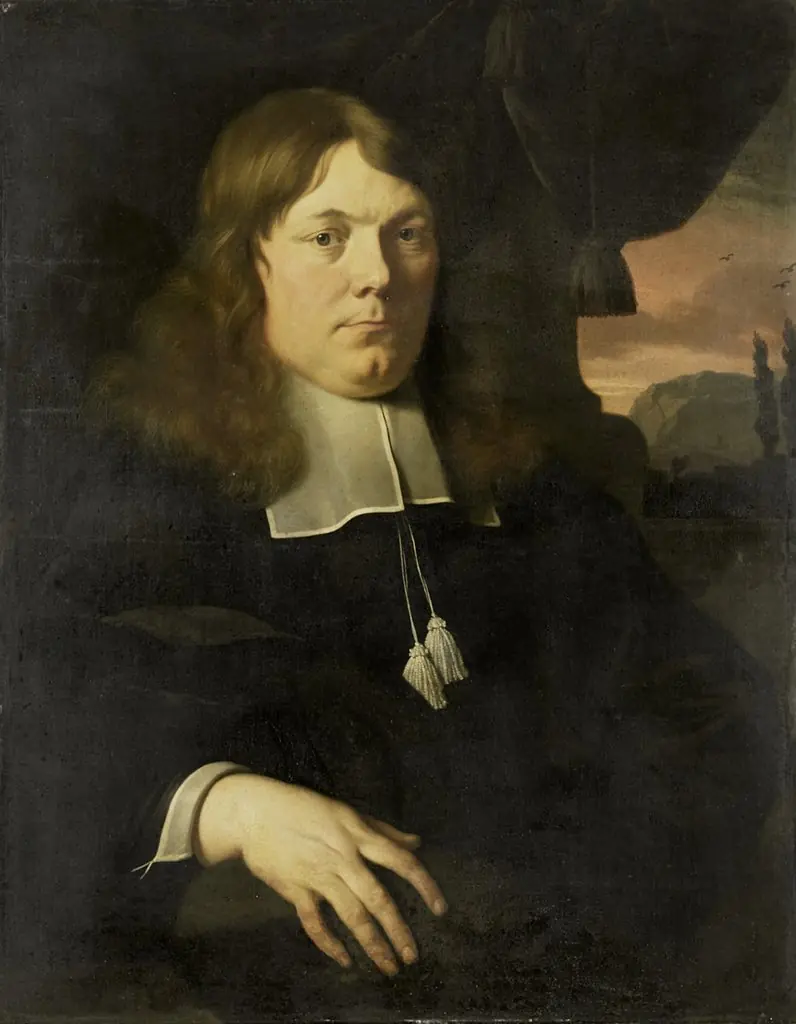 Portrait of a man
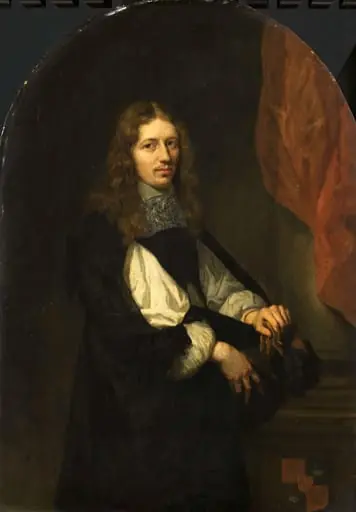 Portrait of Pieter de Graeff (1638-1707), lord of Zuid-Polsbroek, Purmerland, and Ilpendam. Alderman of Amsterdam
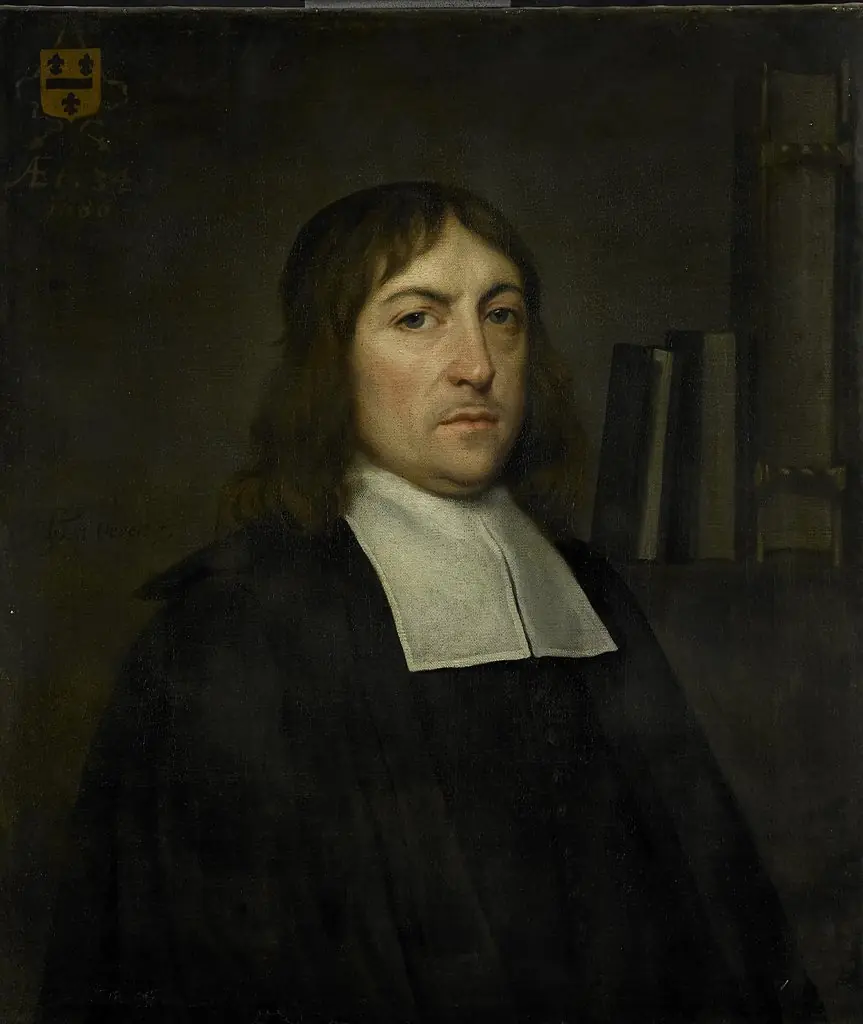 Portrait of Barend Hakvoort (1652-1735), bookseller, church reader and catechism master in Zwolle
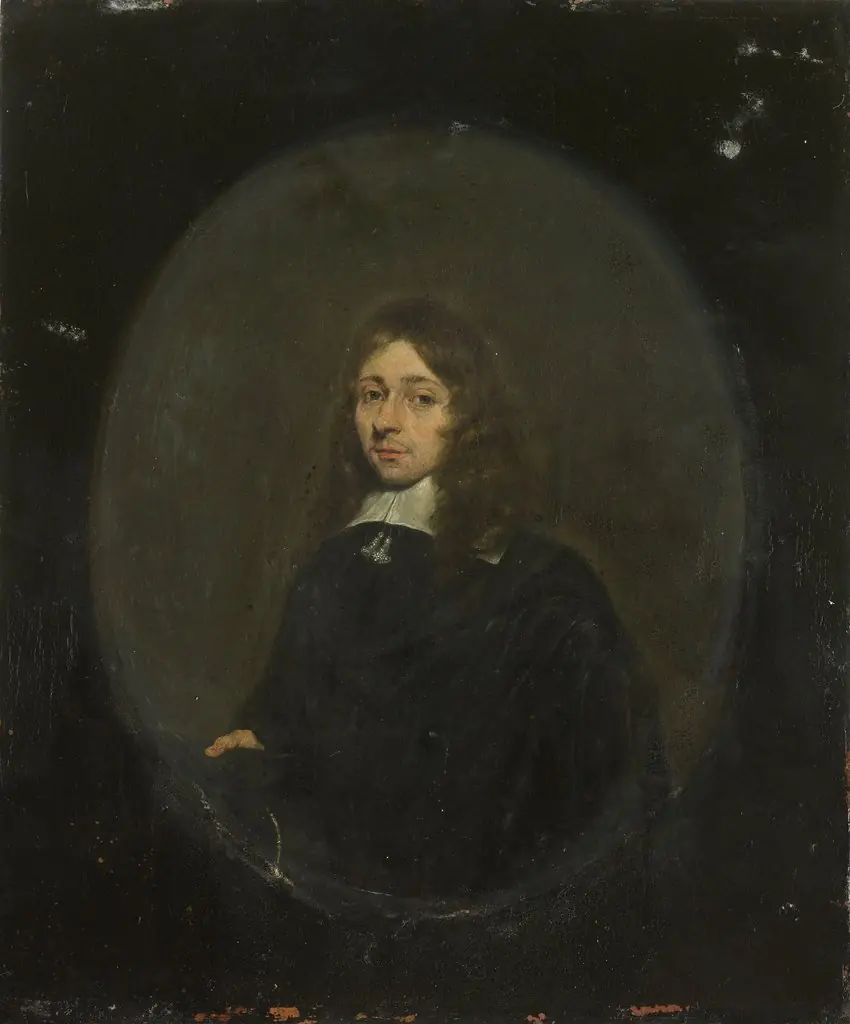 Portrait of a man
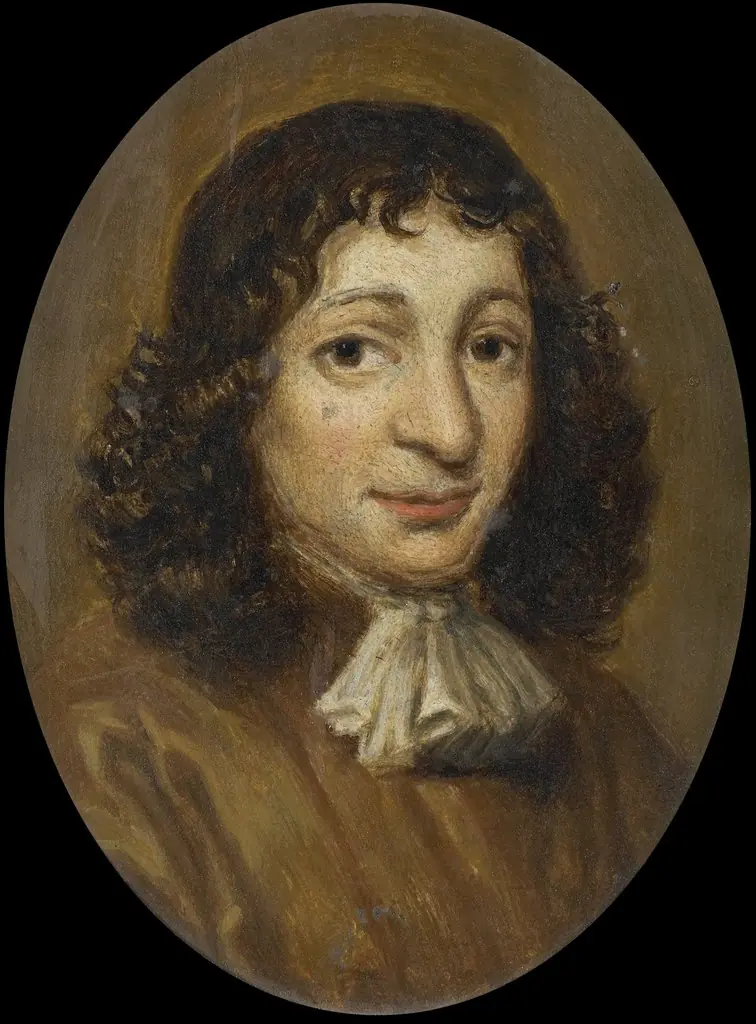 Portrait of a man
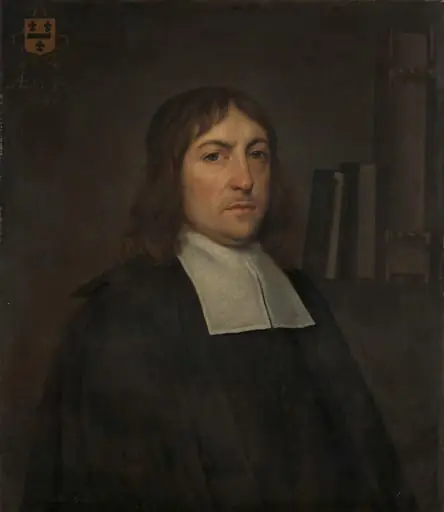 Portrait of Barend Hakvoort (1652-1735)
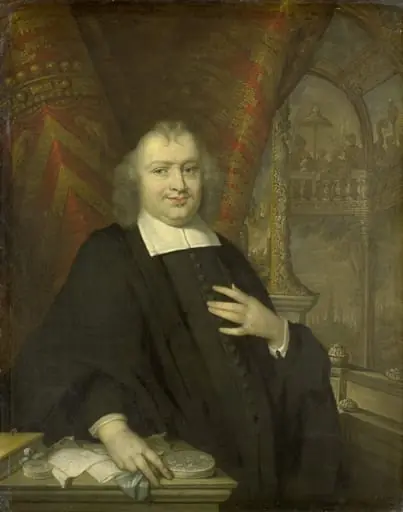 Untitled
 Portrait of Barend Hakvoort (1652-1735)
 Wijnand Wijnands
 Portrait of Daniel Niellius. Elder of the Remonstrant Church and Sampling Official of Alkmaar