Artwork
Sea-piece with shipping
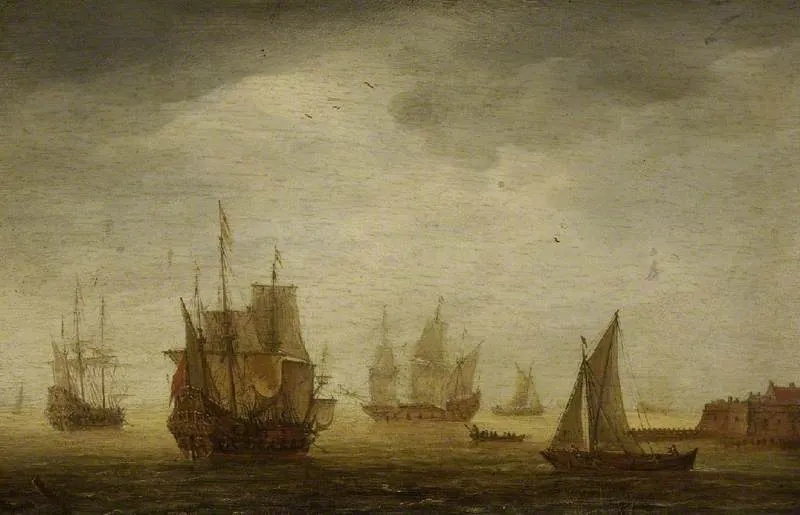
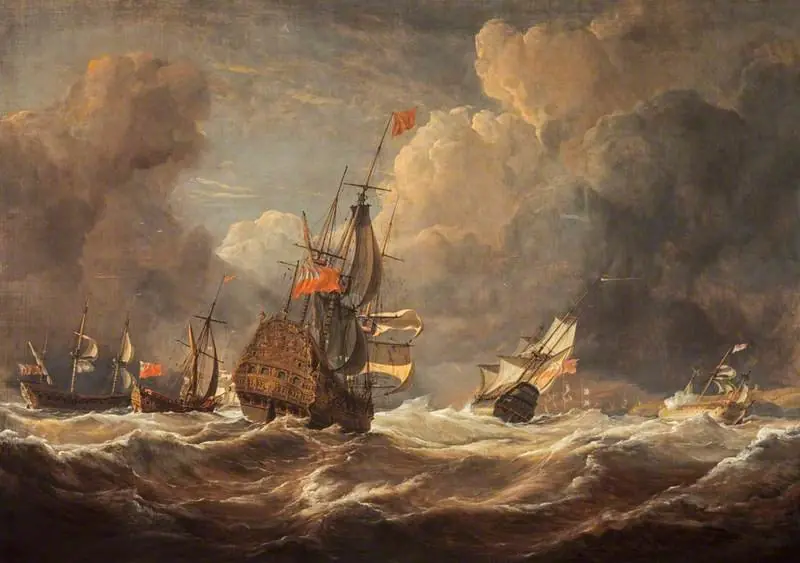
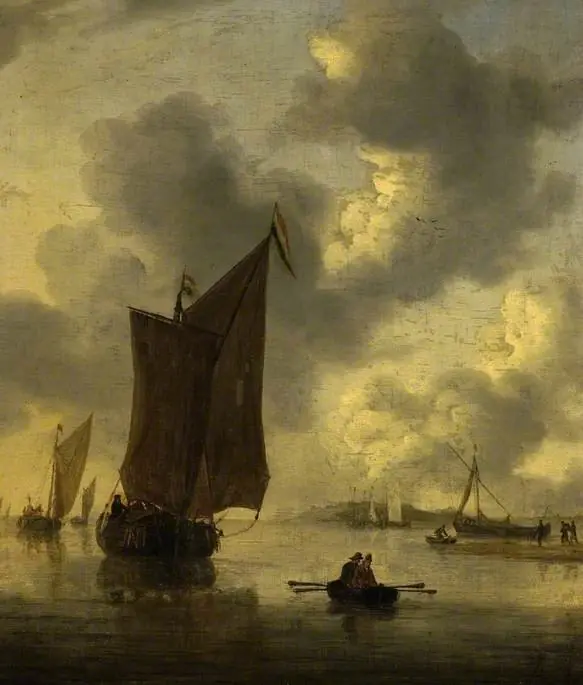
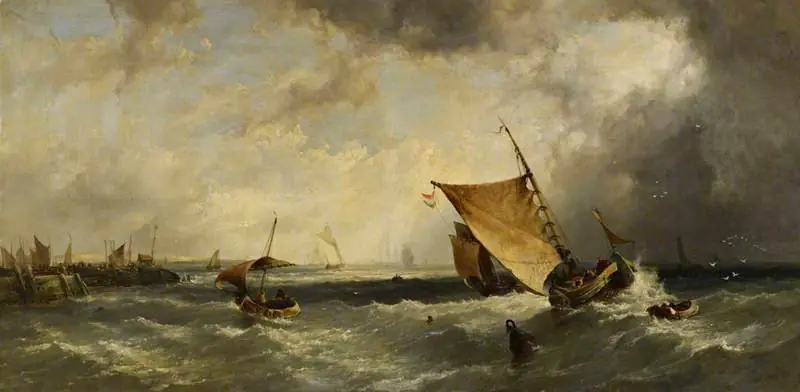
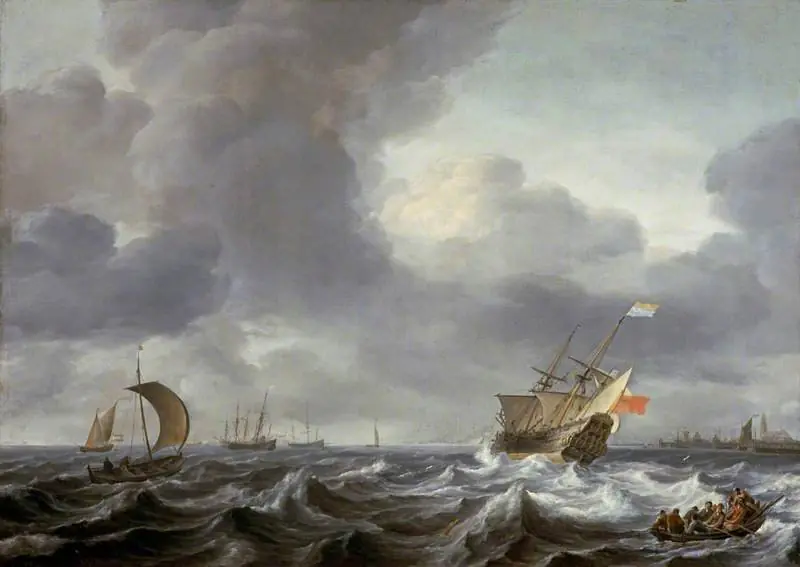
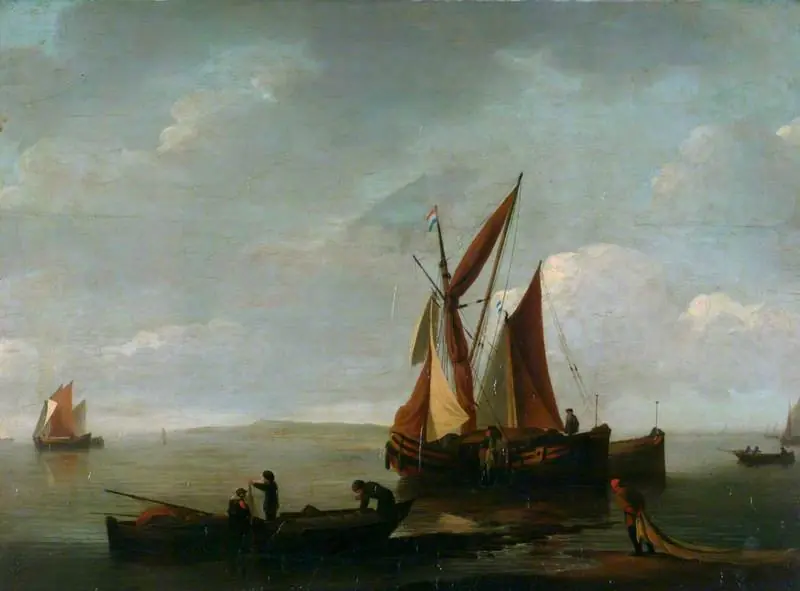
Sea-piece with shipping is an oil painting by the Dutch Golden Age artist Pieter Cornelisz Verbeeck. It dates from 1637 and is held in the collection of the Fitzwilliam Museum.
About this work
Overview
Painted around 1637, this oil-on-canvas work by Pieter Cornelisz Verbeeck depicts a maritime scene with multiple vessels navigating open water.
Painted around 1637, this oil-on-canvas work by Pieter Cornelisz Verbeeck depicts a maritime scene with multiple vessels navigating open water. The painting belongs to a tradition of Dutch marine art that flourished in the early 17th century, emphasizing observation of sea conditions and ship types rather than narrative drama. It is currently part of the collection at the Fitzwilliam Museum in Cambridge.
Subject & Meaning
The painting presents a quiet, observational view of shipping activity, with several vessels of varying size and rigging under a subdued sky. No heroic or mythological elements are present; instead, the focus lies in the accurate rendering of maritime commerce and the natural environment. The scene reflects the economic importance of sea trade to the Dutch Republic during its Golden Age.
Technique & Style
Verbeeck employs a restrained palette of grays, blues, and muted browns to convey atmospheric depth and sea mist. Brushwork is precise yet unobtrusive, capturing the texture of sails, water, and hulls without theatrical flourish. The composition is balanced, with ships arranged to suggest depth and movement, characteristic of Dutch marine painters of the period.
History & Provenance
The painting entered the Fitzwilliam Museum’s collection in the 19th century, likely through a private acquisition or bequest. Its early provenance is not fully documented, but it aligns with the known output of Verbeeck, who worked primarily in Haarlem and was active in the Dutch maritime art scene. The work has remained in institutional hands since its acquisition.
Context
Created during the height of Dutch maritime power, the painting reflects a cultural fascination with seafaring and trade. Unlike grand naval battles depicted by some contemporaries, Verbeeck’s work captures the everyday rhythm of commercial shipping. This quiet realism was typical of Haarlem artists who favored understated observation over dramatic spectacle.
Legacy
Verbeeck’s marine paintings, including this one, contribute to the broader understanding of how Dutch artists documented maritime life with scientific precision. While not widely known today, his works remain valuable for their fidelity to ship design and sea conditions, offering insight into the visual culture of 17th-century Dutch commerce.
Artist & collection
Artist
Pieter Cornelisz Verbeeck (1600–1654) was an artist, born in Haarlem.