Artwork
Teapot, Ginger Jar and Slave Candlestick
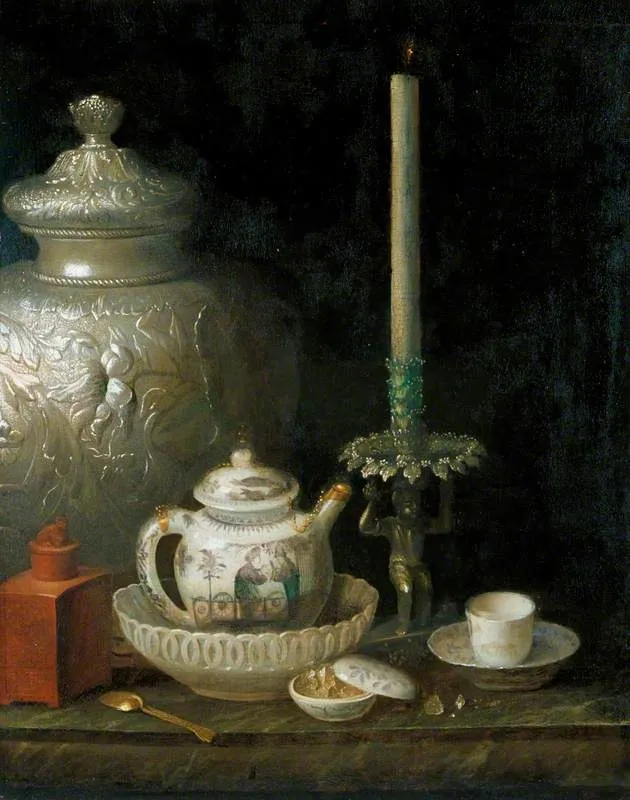
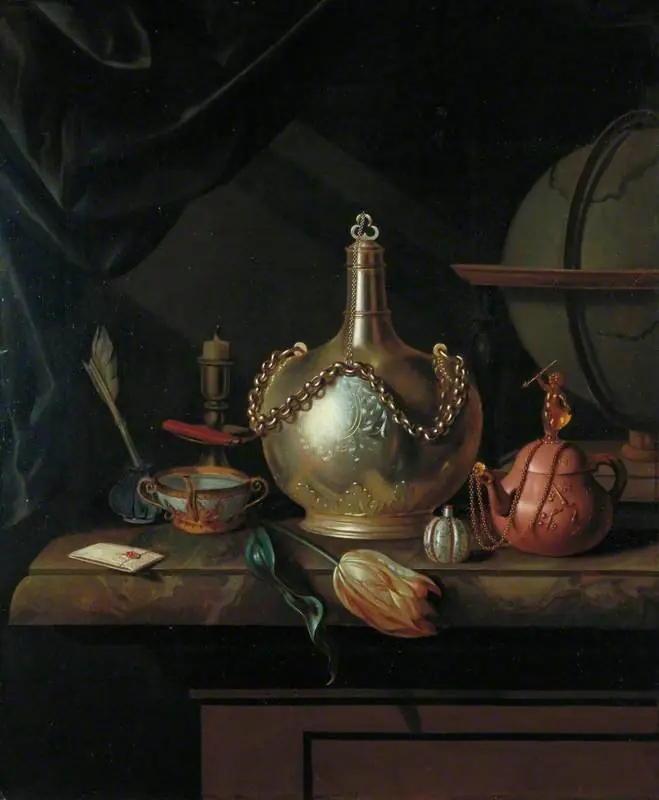
Teapot, Ginger Jar and Slave Candlestick is an oil painting by the Dutch Golden Age artist Pieter Gerritsz van Roestraten. It dates from 1698 and is held in the collection of the Victoria and Albert Museum.
About this work
Overview
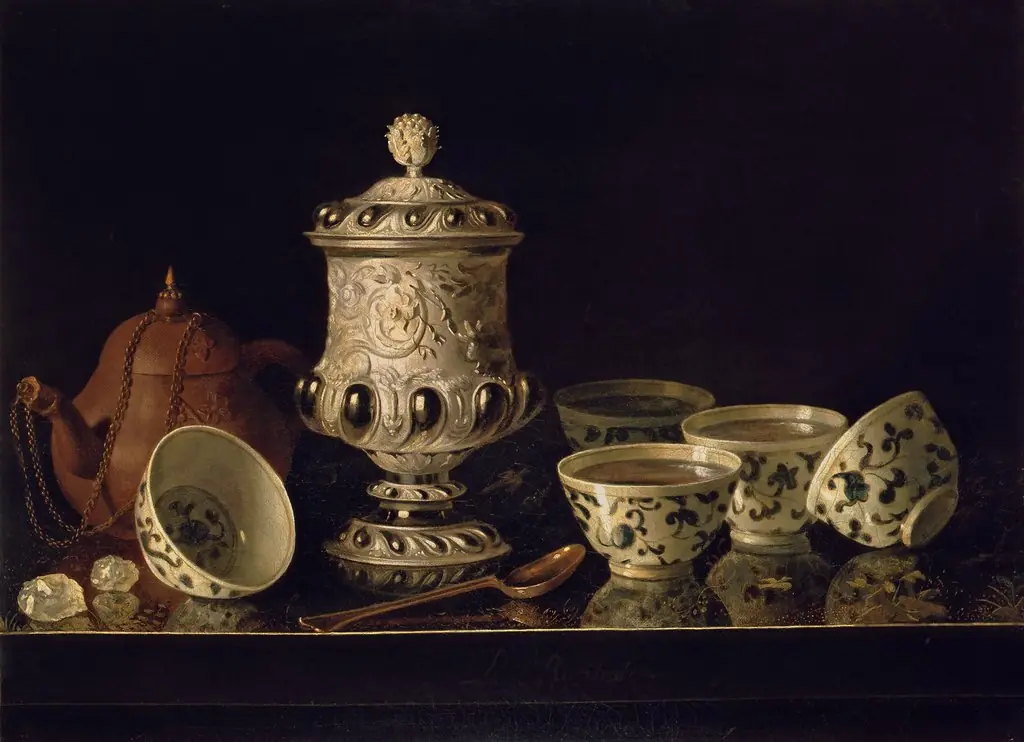
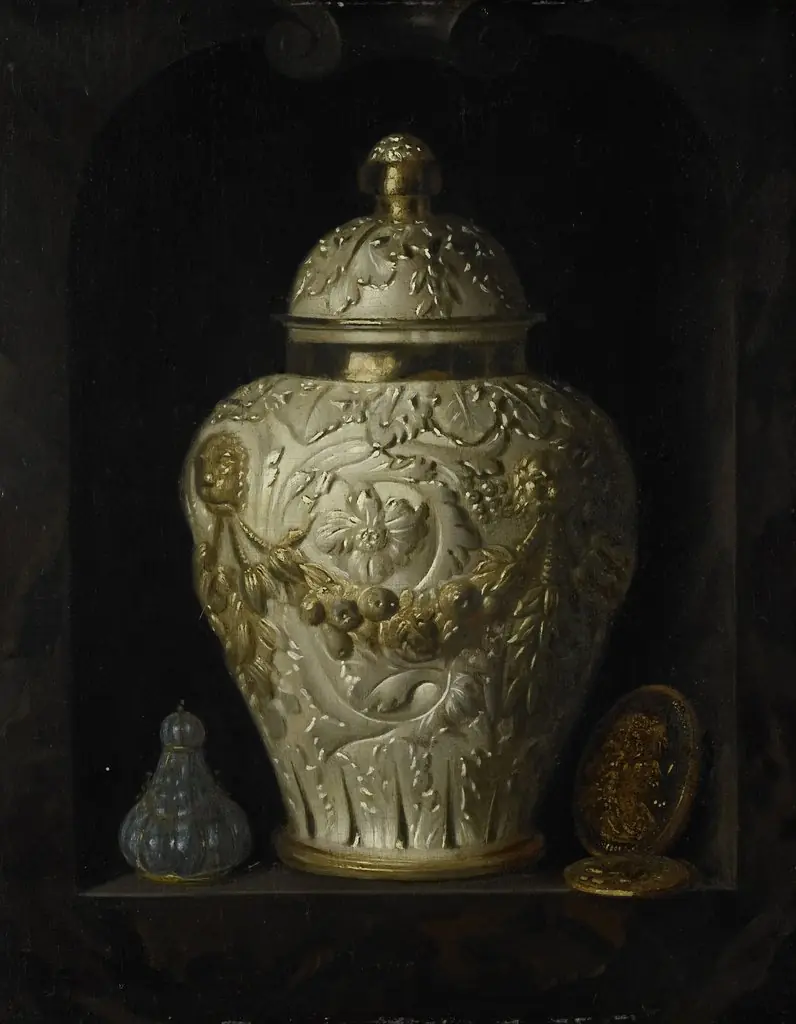
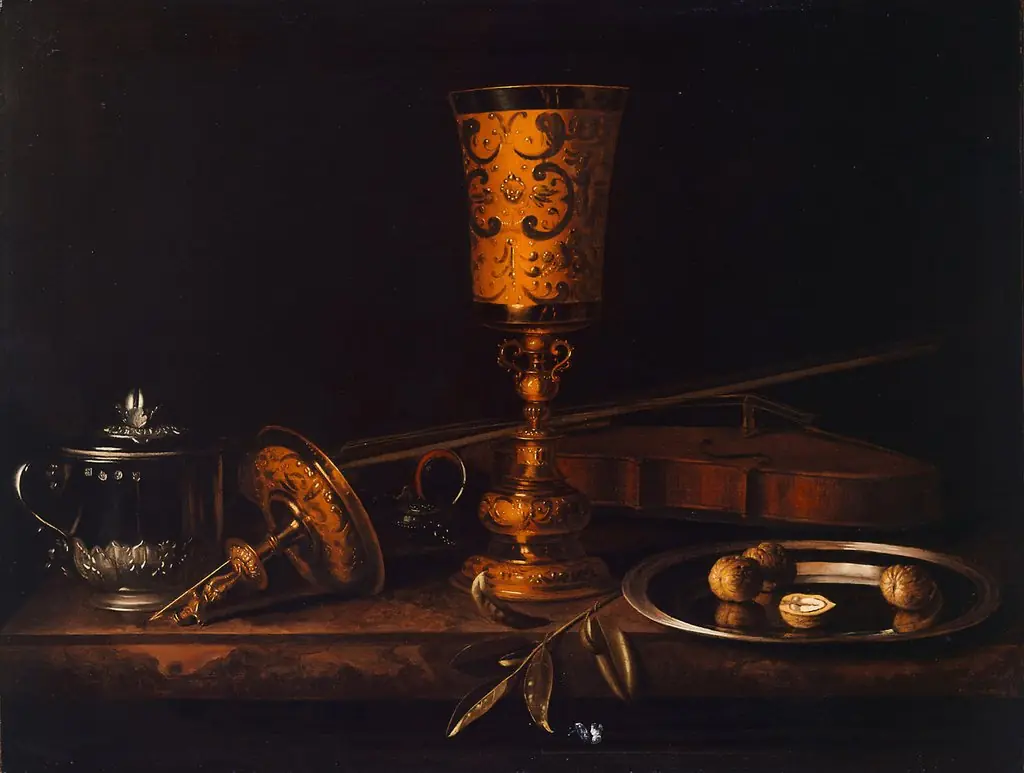
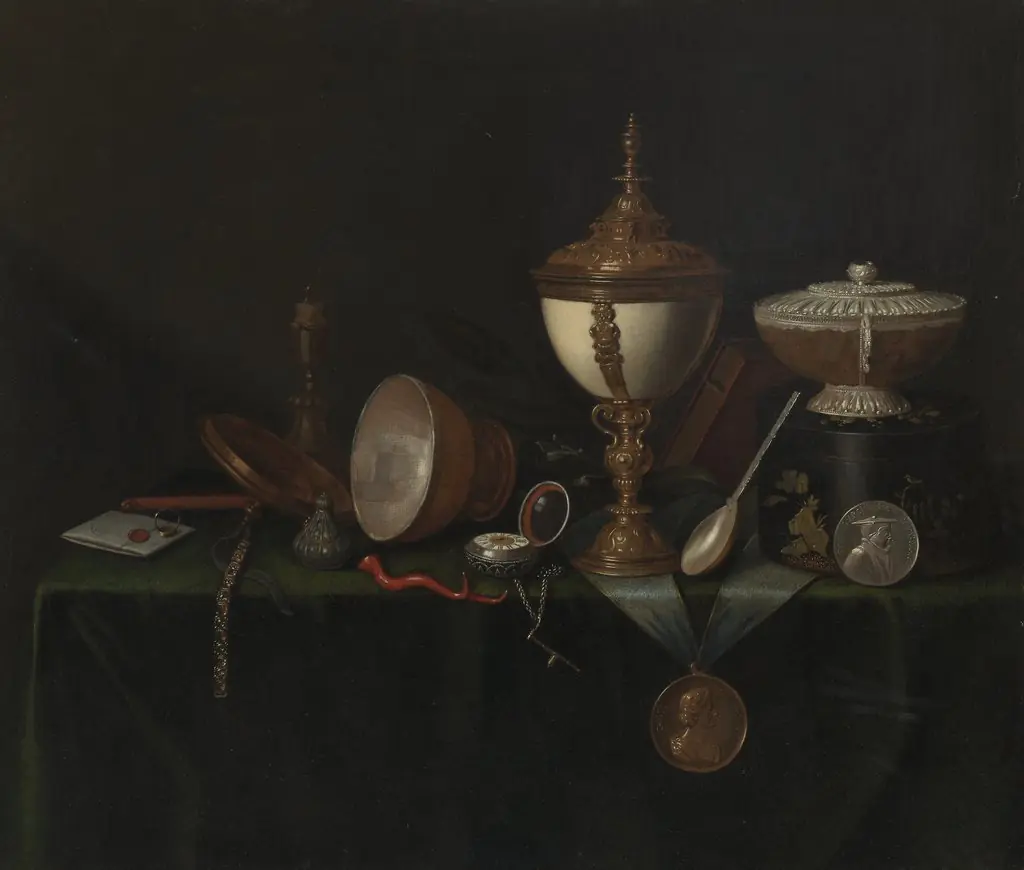
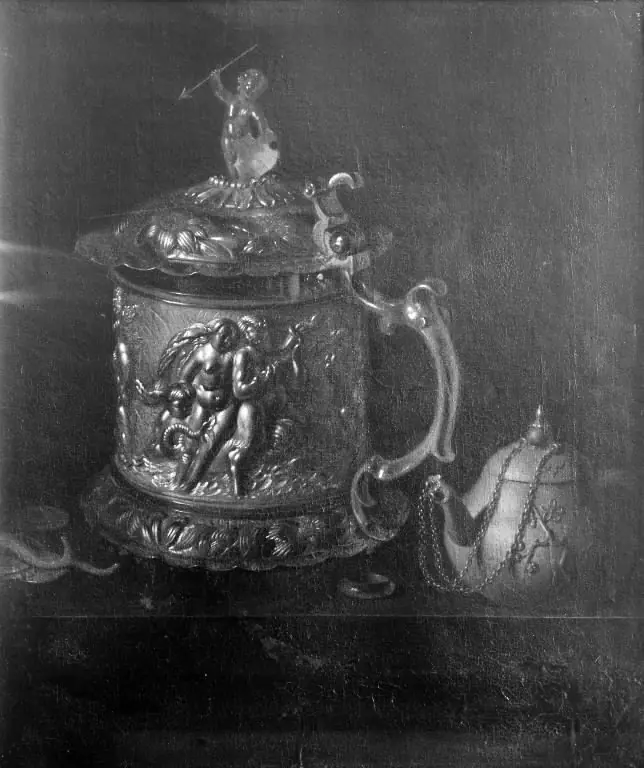
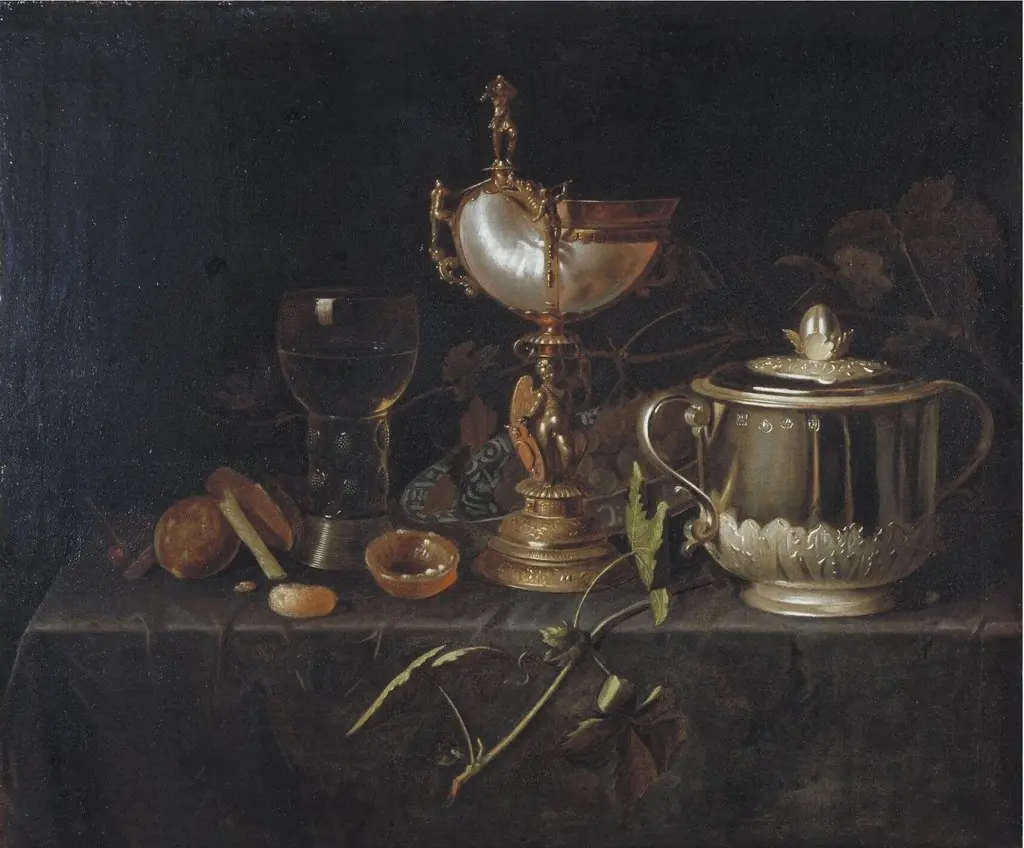
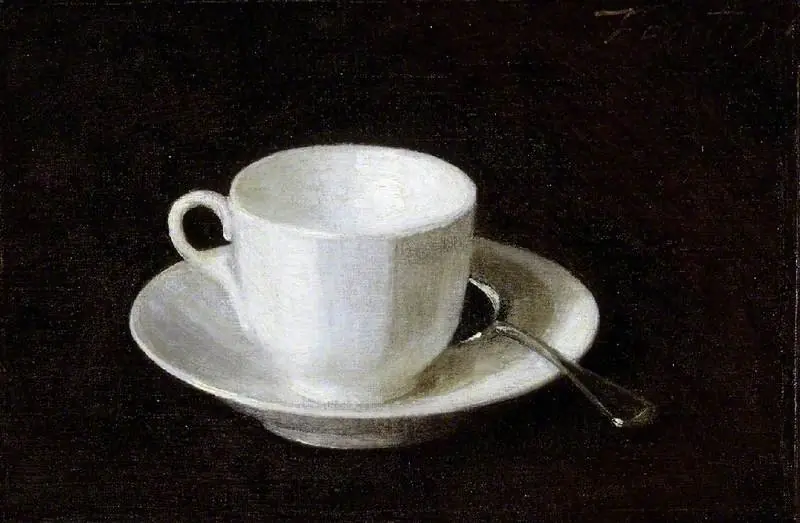
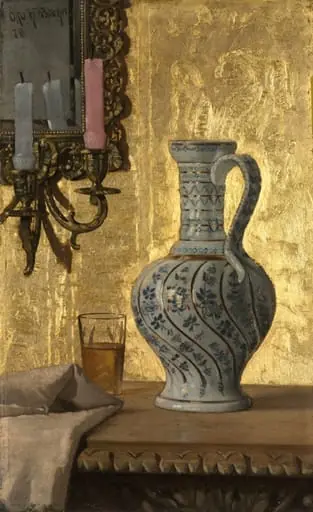
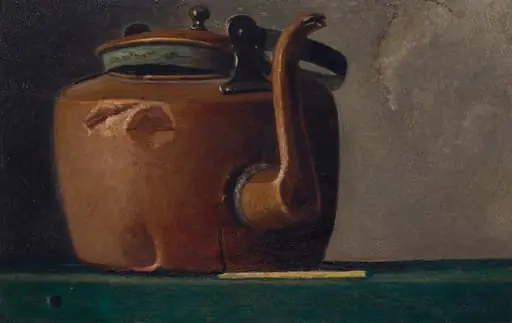
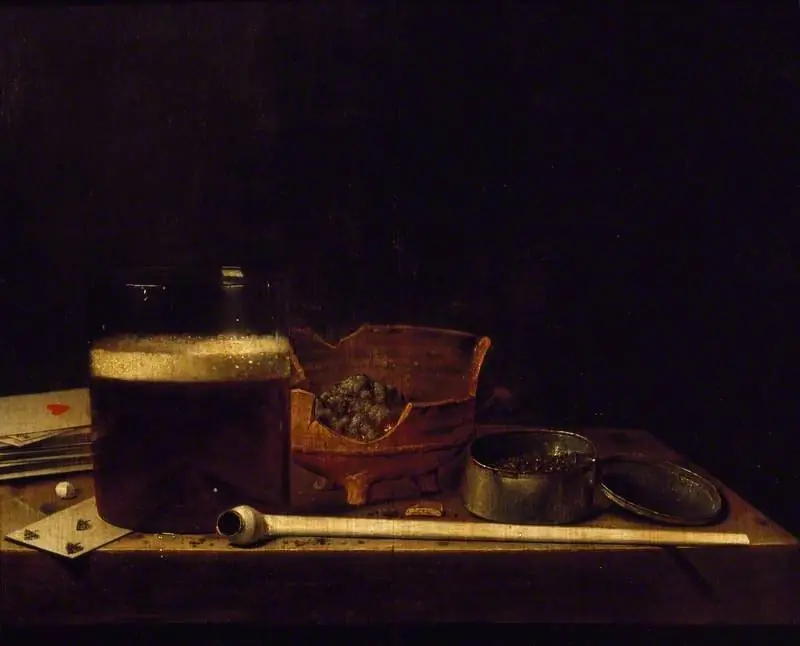
Pieter Gerritsz van Roestraten’s 1698 oil painting, *Teapot, Ginger Jar and Slave Candlestick*, presents a modest still‑life grouping of domestic objects. Executed during the later phase of the Dutch Golden Age, the work reflects the artist’s move from Haarlem to London, where he continued to explore the quiet dignity of everyday material culture.
Subject & Meaning
The composition centers on a metal teapot with elaborate ornamentation, a simple‑shaped ginger jar, and a slender candlestick with an ornate base. Arranged on a tabletop, the items are positioned to achieve visual equilibrium, inviting contemplation of the ordinary objects that populate daily life and their subtle interplay of form and function.
Technique & Style
Rendered in oil on canvas, van Roestraten employs a muted, dark ground that intensifies the contrast between light and shadow. Careful modeling of surfaces captures the reflective sheen of metal, the smooth glaze of the jar, and the delicate texture of the candlestick’s base, while the restrained palette underscores the work’s quiet refinement.
History & Provenance
Created after the artist’s relocation to London, the painting exemplifies his continued engagement with Dutch still‑life conventions while adapting to an English market. Though specific ownership records are sparse, the work has been documented in several 18th‑century inventories, indicating its appreciation among collectors of refined domestic genre pieces.
Artist & collection
Artist
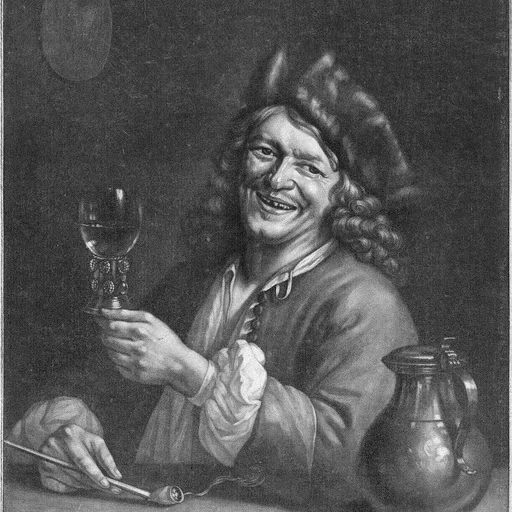
Pieter Gerritsz van Roestraten
Pieter Gerritsz van Roestraten or Pieter Gerritsz van Roestraeten (21 April 1630 – 10 July 1700) was a Dutch painter of still lifes, in particular floral and vanitas still lifes.