Artwork
Portrait of a Couple
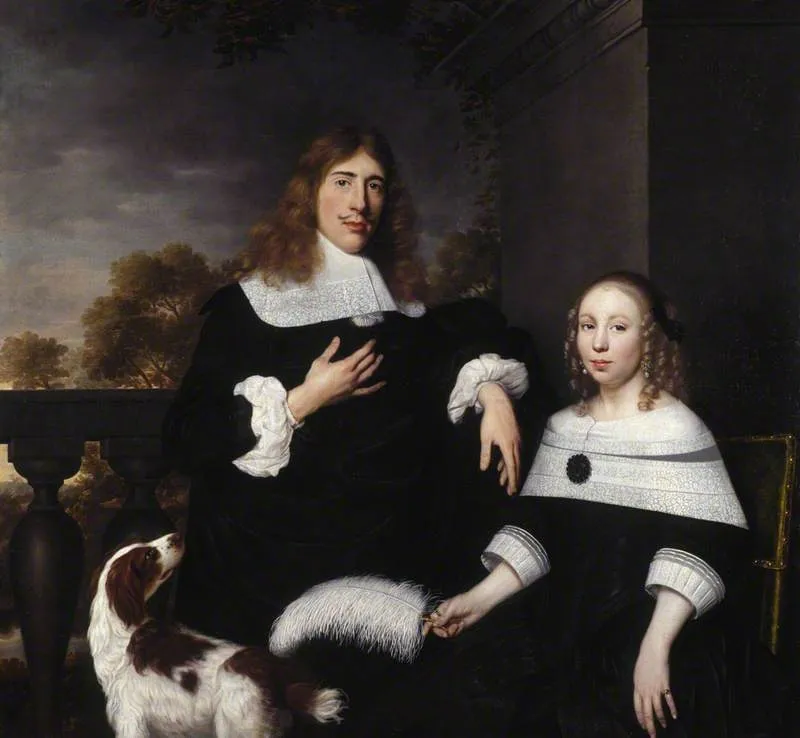
Portrait of a Couple is an oil painting by the Dutch Golden Age artist Pieter Nason. It dates from 1660 and is held in the collection of the National Galleries Scotland.
About this work
Overview
Painted around 1660 by Pieter Nason, this oil portrait captures a married pair in the refined aesthetic of mid-seventeenth-century Dutch society.
Painted around 1660 by Pieter Nason, this oil portrait captures a married pair in the refined aesthetic of mid-seventeenth-century Dutch society. Nason, active in The Hague and affiliated with the local Guild of Painters, specialized in commissioned portraits during a period when civic and domestic imagery gained prominence. The work reflects the era’s emphasis on personal dignity and social standing through carefully rendered dress and composed posture.
Subject & Meaning
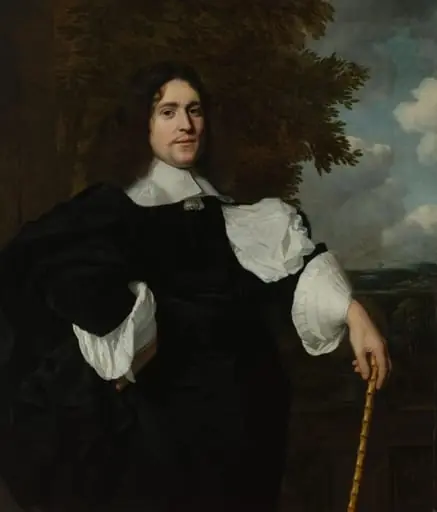
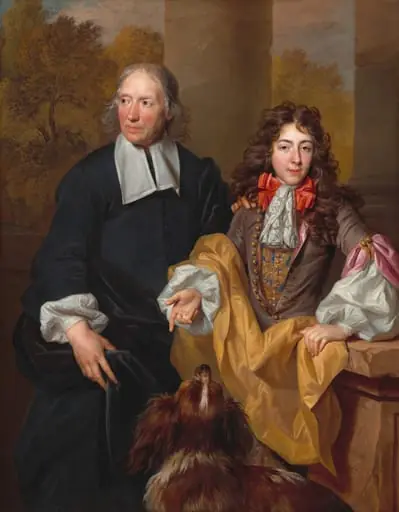
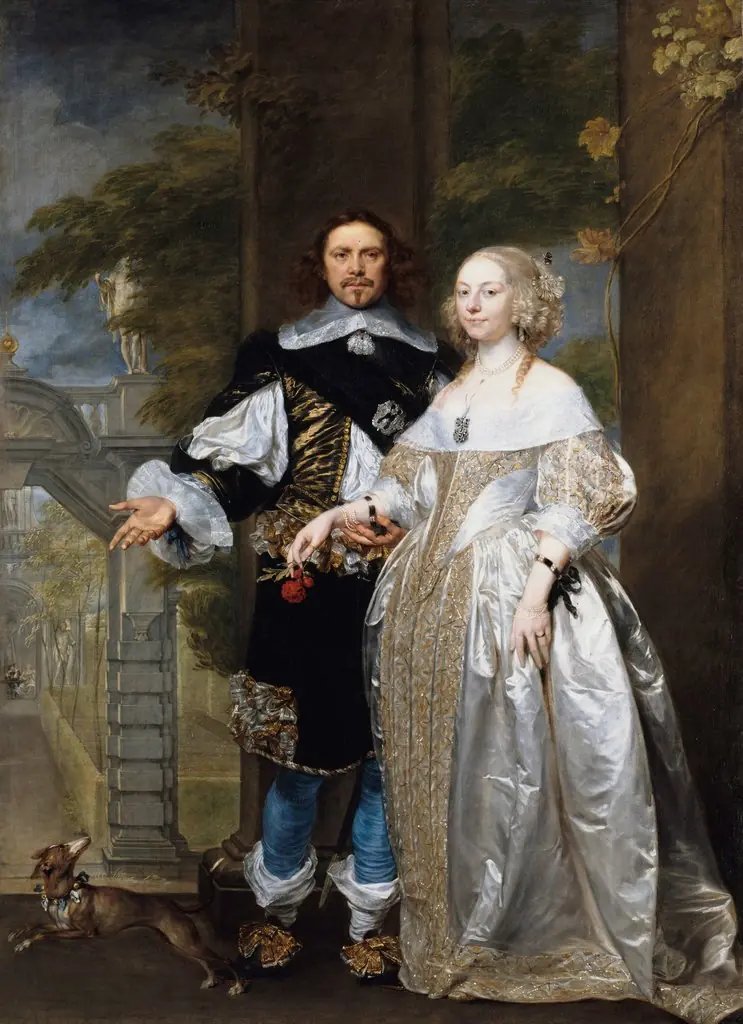
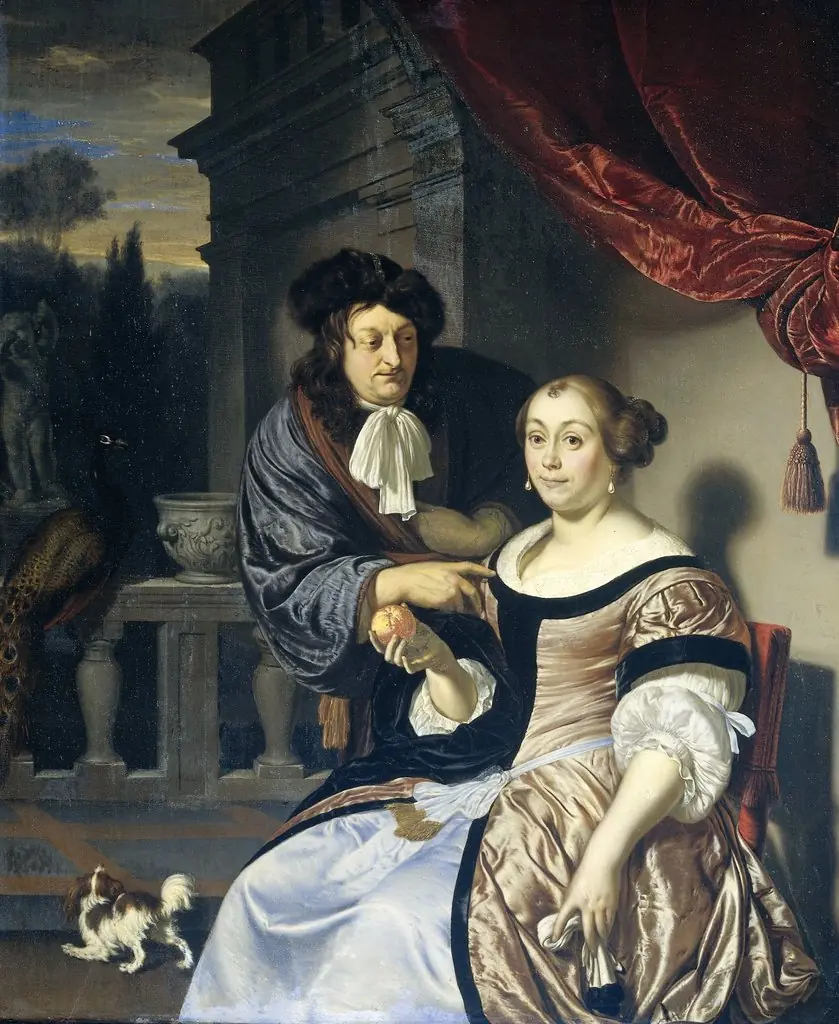
The couple is presented with quiet formality, their positioning suggesting mutual respect rather than intimacy. The man stands, one hand gesturing, the other holding a feathered fan—a symbol of leisure and refinement. The seated woman, adorned with a prominent brooch, embodies domestic grace. The small dog at their feet signifies loyalty and companionship. Together, the elements convey status, stability, and the values of a prosperous urban household.
Technique & Style
Nason employs subtle chiaroscuro to model the figures against a soft, atmospheric background of trees and sky. The textures of lace, silk, and fur are rendered with precision, highlighting the couple’s wealth without overt display. The composition is balanced yet informal, avoiding rigid symmetry. The stone railing and column in the distance anchor the scene in a cultivated outdoor setting, reinforcing the subjects’ connection to both nature and order.
History & Provenance
The painting’s early ownership is undocumented, but its style aligns with commissions from The Hague’s merchant and administrative elite. Nason, a founding member of the Pictura Society, was known for his portraits of local dignitaries. The work likely entered private collections soon after completion and remained in Dutch hands until the modern era, preserving its original condition and attribution.
Context
During the Dutch Golden Age, portraiture became a vehicle for expressing individual identity and social cohesion, distinct from the religious or mythological themes dominant elsewhere in Europe. The couple’s restrained elegance reflects the Calvinist-influenced values of modesty and diligence. Their attire, though luxurious, avoids extravagance, mirroring the broader cultural preference for understated refinement among the urban middle class.
Legacy
Nason’s work contributes to the broader understanding of Dutch portraiture beyond the works of Rembrandt or Hals. His attention to psychological presence and material detail influenced regional artists. Though less widely known today, this portrait exemplifies the quiet authority of middle-class self-representation in the Dutch Republic, offering insight into the visual culture of everyday elite life.
Artist & collection
Artist
Pieter Nason (bapt. 16 February 1612, Amsterdam - 1688/90, The Hague) was a Dutch painter. He became a member of the Guild of Painters of The Hague in 1639, and in 1656 was one of the forty seven members who established…

 Portrait of John Maurice, Prince of Nassau-Siegen
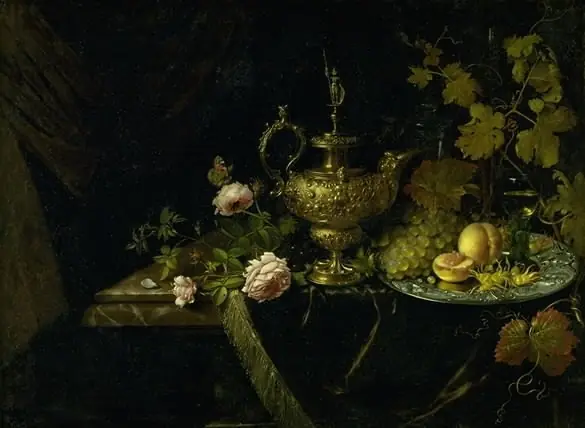 Still Life
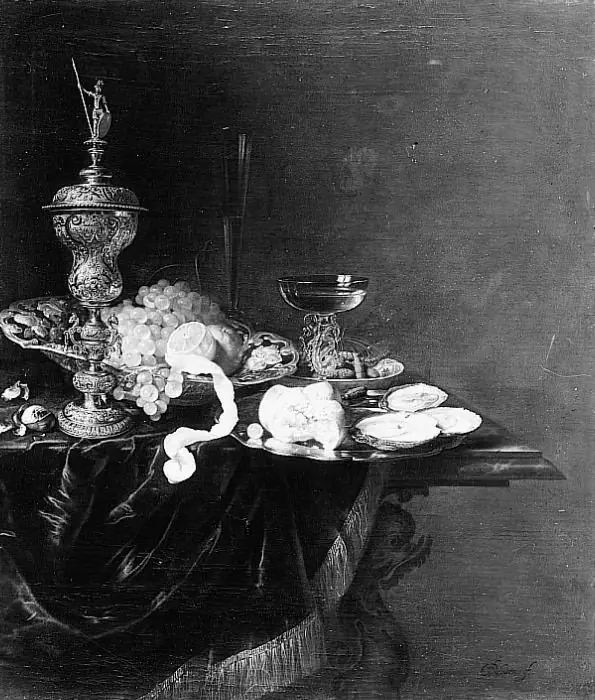 Still life with Akelei covered beaker dish of grapes, lemon and wine glasses
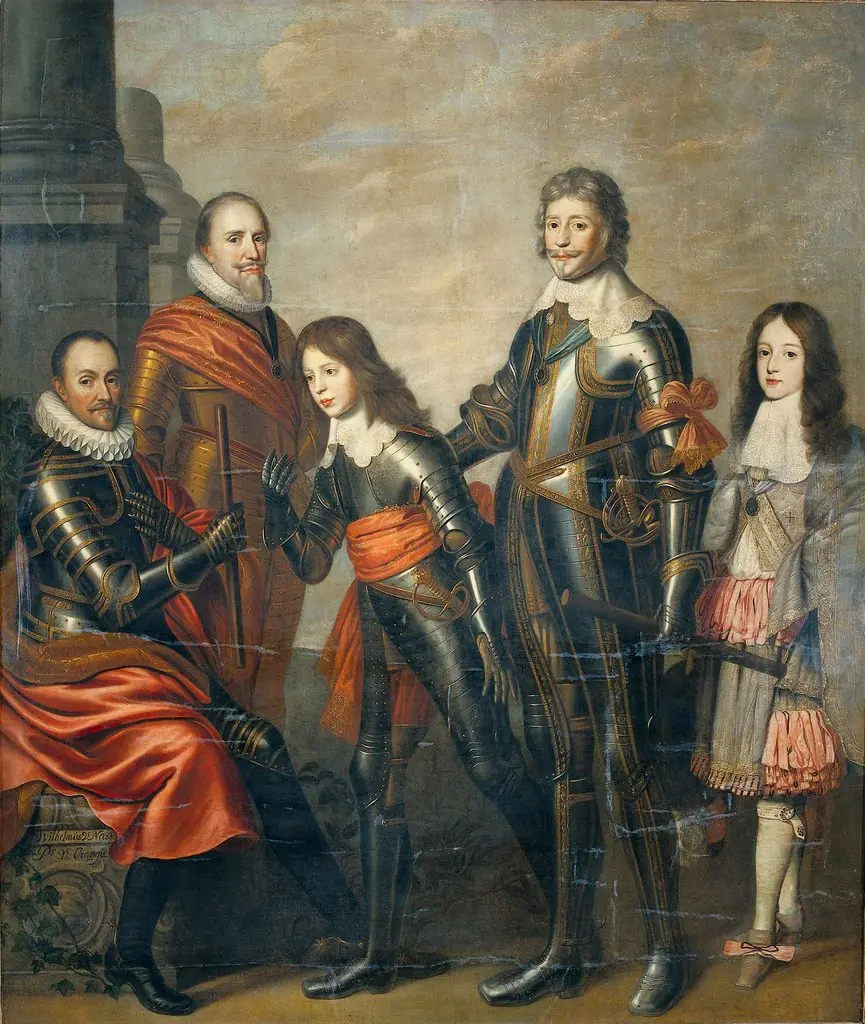 Four Generations of the Princes of Orange: William I, Maurice and Frederick Henry, William II and William III
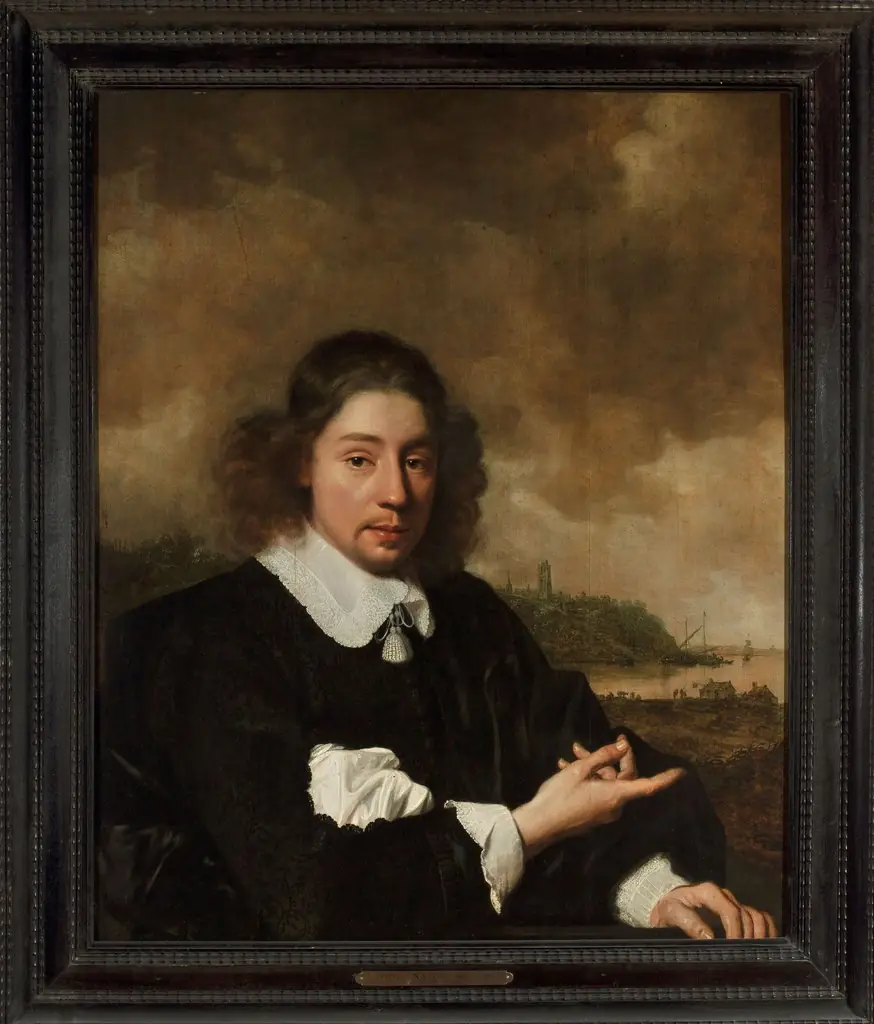 Portrait of a Man
 Portrait of a man
 Portrait of a Man
 Portrait of Kronprinz Wilhelm Heinrich zu Brandenburg