Artwork
Portrait of a Man
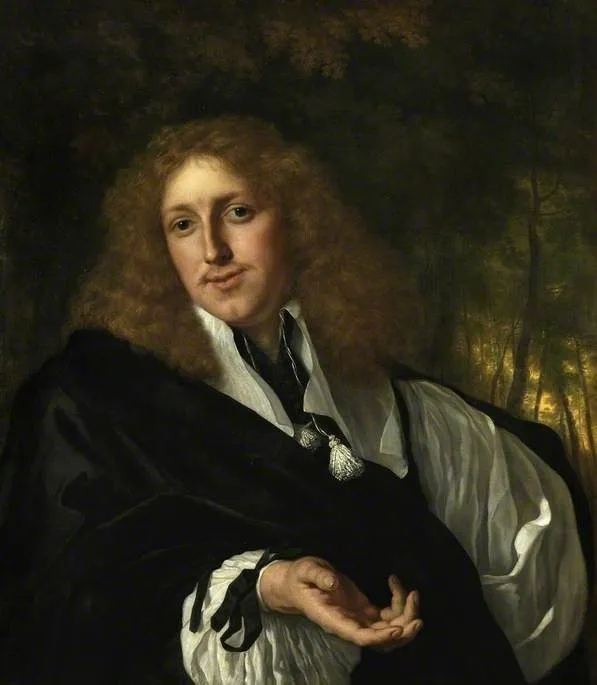
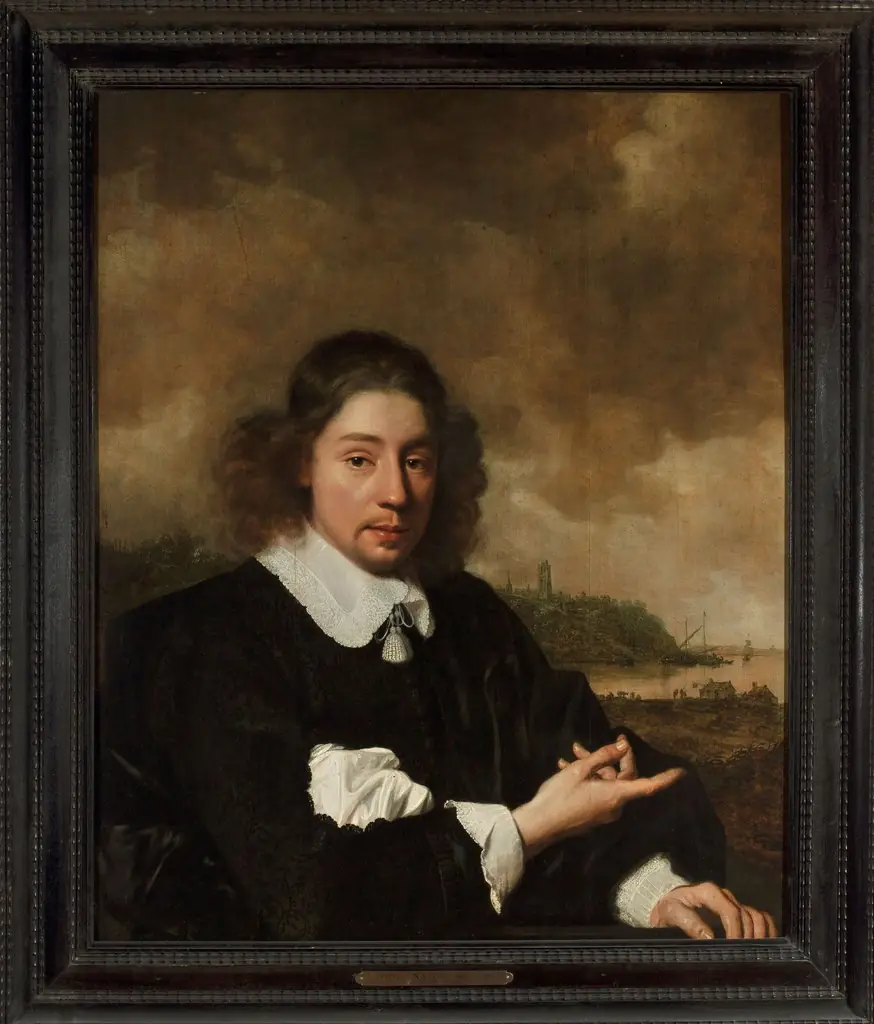
Portrait of a Man is an oil painting by the Dutch Golden Age artist Bartholomeus van der Helst. It dates from 1662 and is held in the collection of the Fitzwilliam Museum.
About this work
Overview
Painted in 1662 by Bartholomeus van der Helst, this oil on canvas portrait captures a man of probable civic standing during the Dutch Golden Age.
Painted in 1662 by Bartholomeus van der Helst, this oil on canvas portrait captures a man of probable civic standing during the Dutch Golden Age. Van der Helst, known for his refined approach to portraiture, rendered the subject with quiet dignity. The painting is part of the Fitzwilliam Museum’s collection, where it represents the era’s emphasis on individual presence and social stature through controlled, intimate composition.
Subject & Meaning
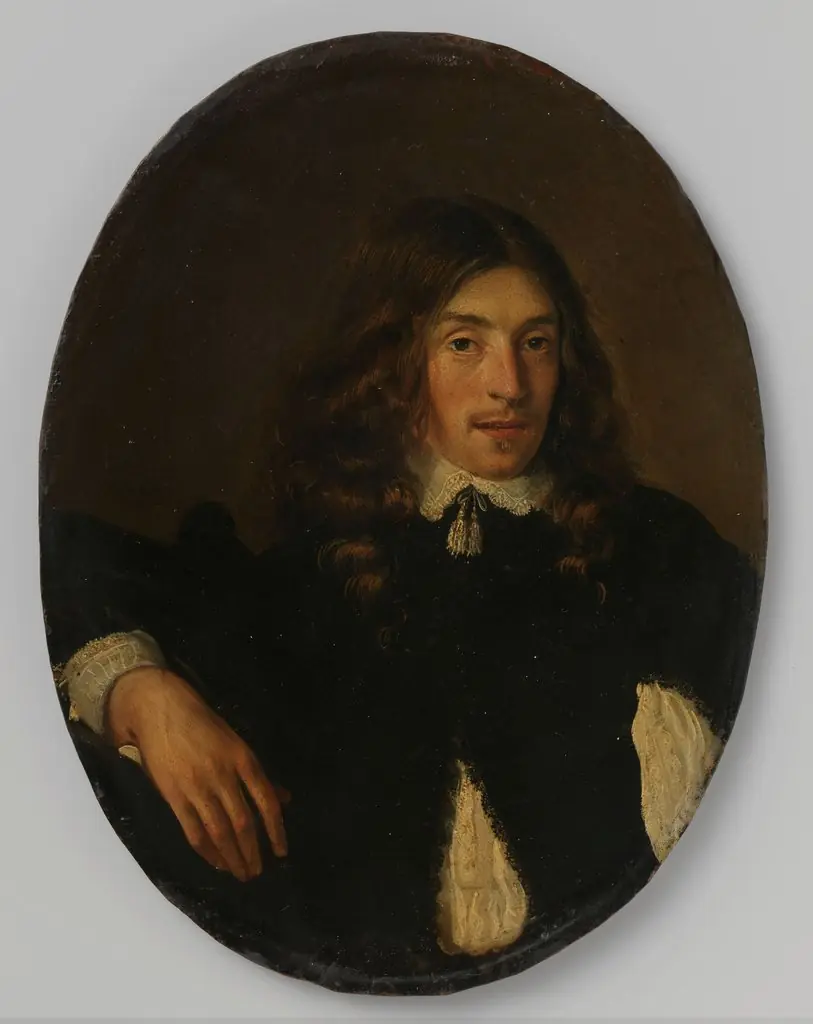
The sitter, identified only by his attire and posture, appears composed and self-assured. His open hand resting on the chest suggests sincerity, while the tucked left hand conveys restraint. The subtle smile and direct gaze imply a calm confidence, typical of Amsterdam’s merchant class who commissioned portraits to affirm their status without overt grandeur. The dark, indistinct background isolates him, focusing attention on his demeanor rather than context.
Technique & Style
Van der Helst employed chiaroscuro to model the face and clothing with soft gradations of light, enhancing volume without harsh contrasts. The ruffled cuffs and curly hair catch subtle highlights, giving texture and depth. The dark, atmospheric background recedes gently, allowing the figure to emerge with quiet authority. Brushwork is precise yet unobtrusive, prioritizing naturalism over ornamentation, consistent with Dutch portraiture of the mid-seventeenth century.
History & Provenance
The painting entered the Fitzwilliam Museum’s collection in the 19th century, though its earlier ownership remains undocumented. It was likely commissioned by the sitter or a close associate, as was customary among Amsterdam’s affluent circles. No records of exhibition or alteration exist prior to its acquisition by the museum, suggesting it remained in private hands for much of its history.
Context
In 1660s Amsterdam, portraiture served as a tool of social identity for the rising middle class. Unlike aristocratic portraits elsewhere, Dutch examples favored understated elegance and psychological presence over symbols of power. Van der Helst, among the most sought-after portraitists of the time, responded to this demand with balanced compositions and restrained color, reflecting the values of civic pride and personal integrity.
Legacy
This portrait exemplifies the quiet sophistication of Dutch Golden Age portraiture, influencing later artists who valued psychological nuance over theatricality. While van der Helst’s fame waned after his death, his works, including this one, remain important for understanding how individual identity was visually constructed in a society that prized modesty and self-possession.
Artist & collection
Artist
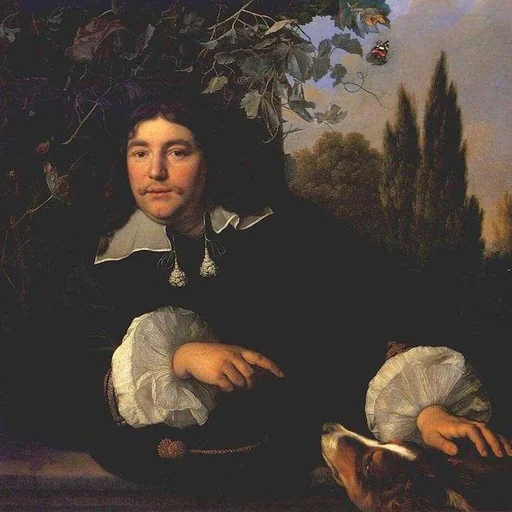
Bartholomeus van der Helst (1613 – buried 16 December 1670) was a Dutch painter. Considered to be one of the leading portrait painters of the Dutch Golden Age, his elegant portraits gained him the patronage of…

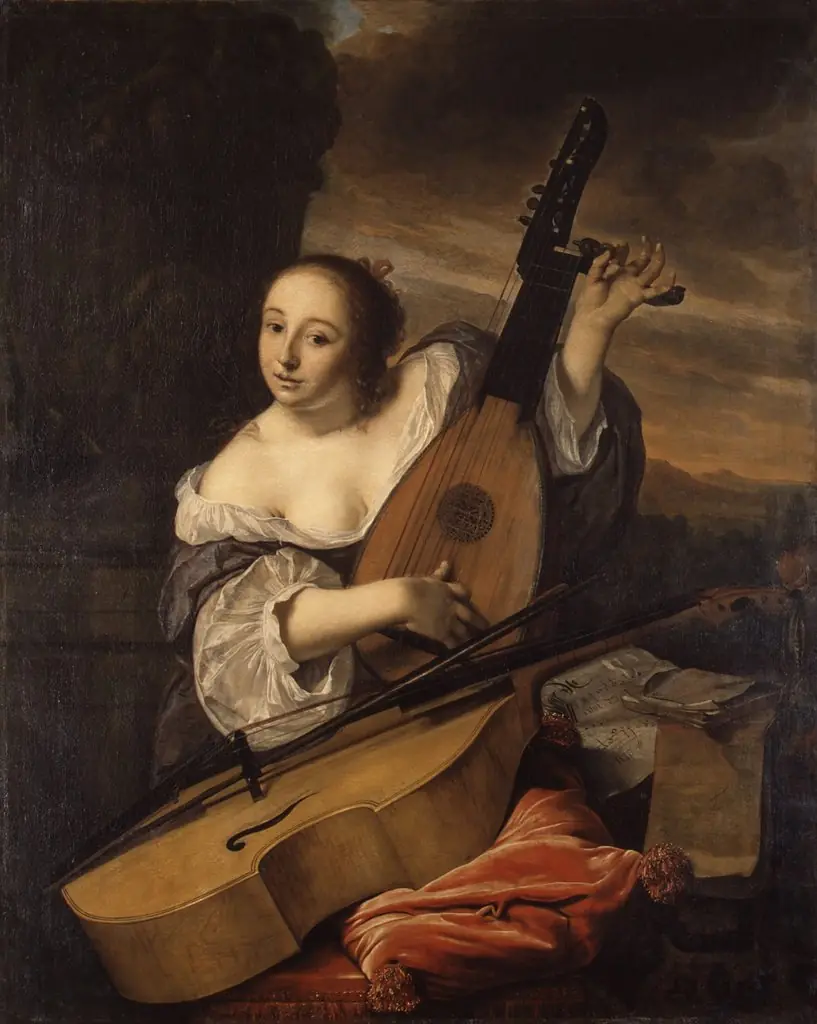 The Musician
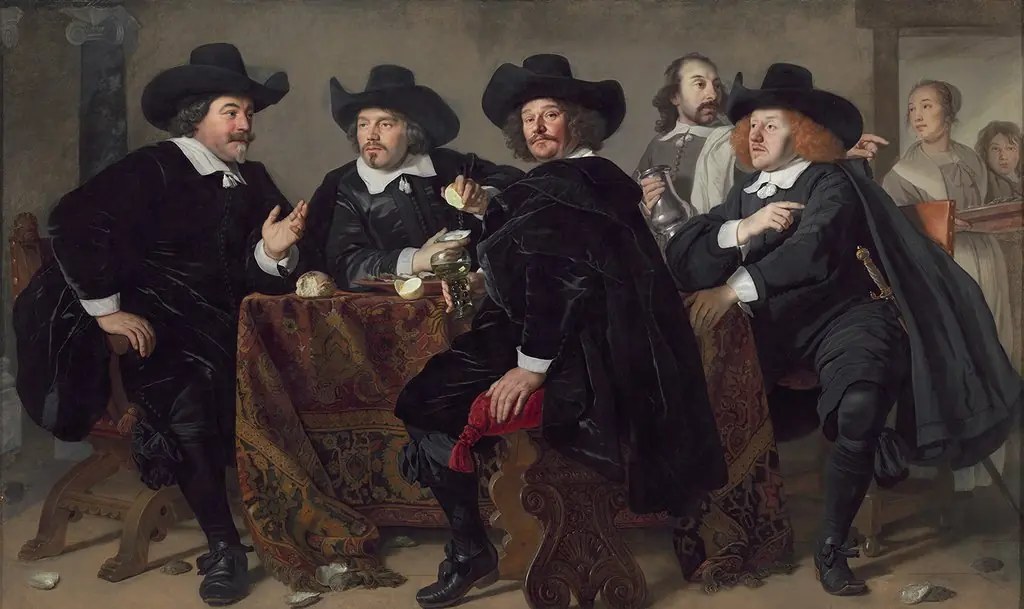 Four directors of the arquebusier's guild, Amsterdam, 1655
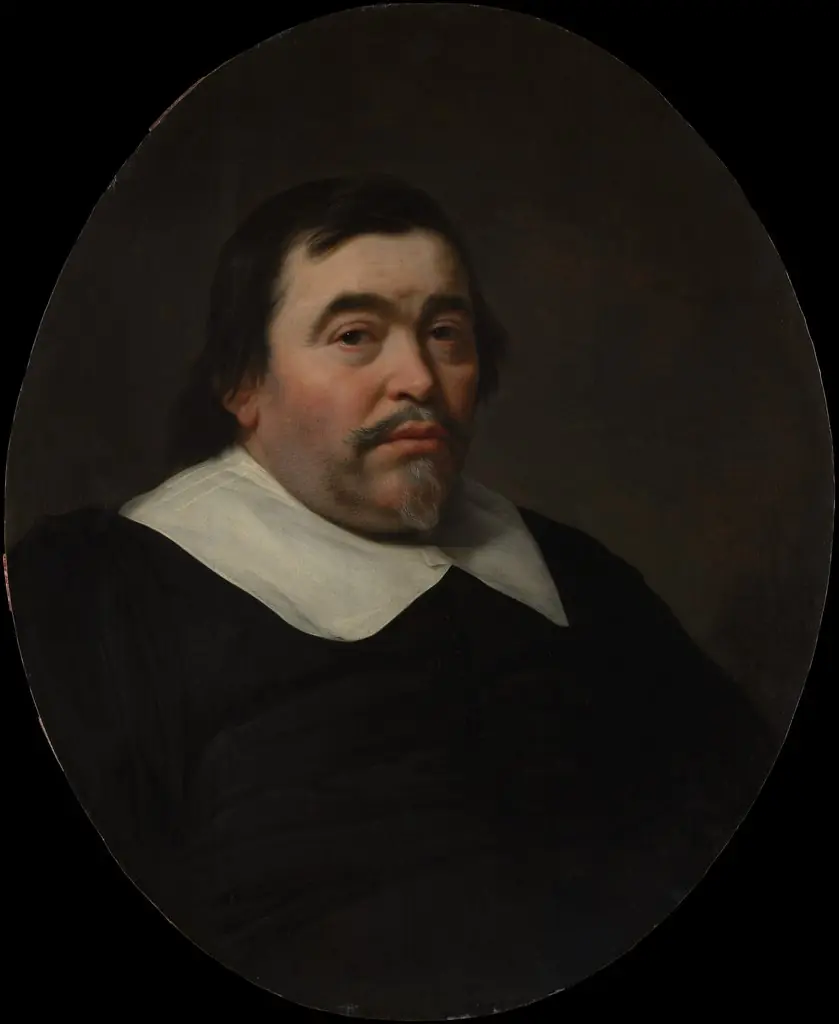 Portrait of a Man
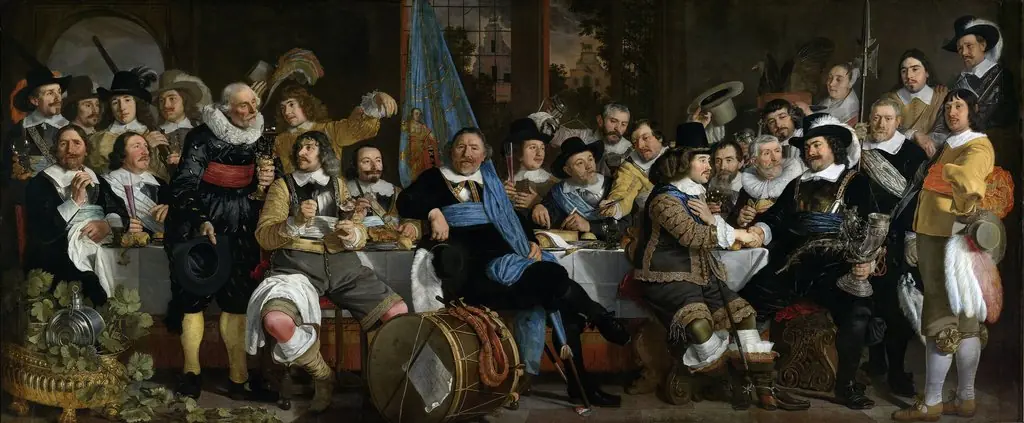 Banquet at the Crossbowmen’s Guild in Celebration of the Treaty of Münster
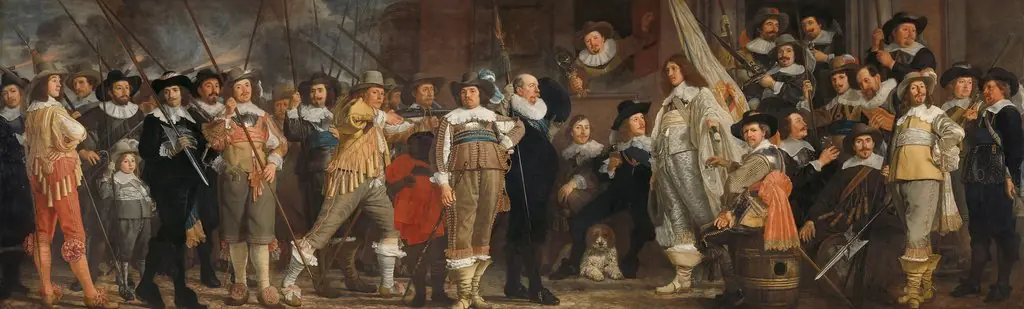 Militia Company of District VIII under the Command of Captain Roelof Bicker
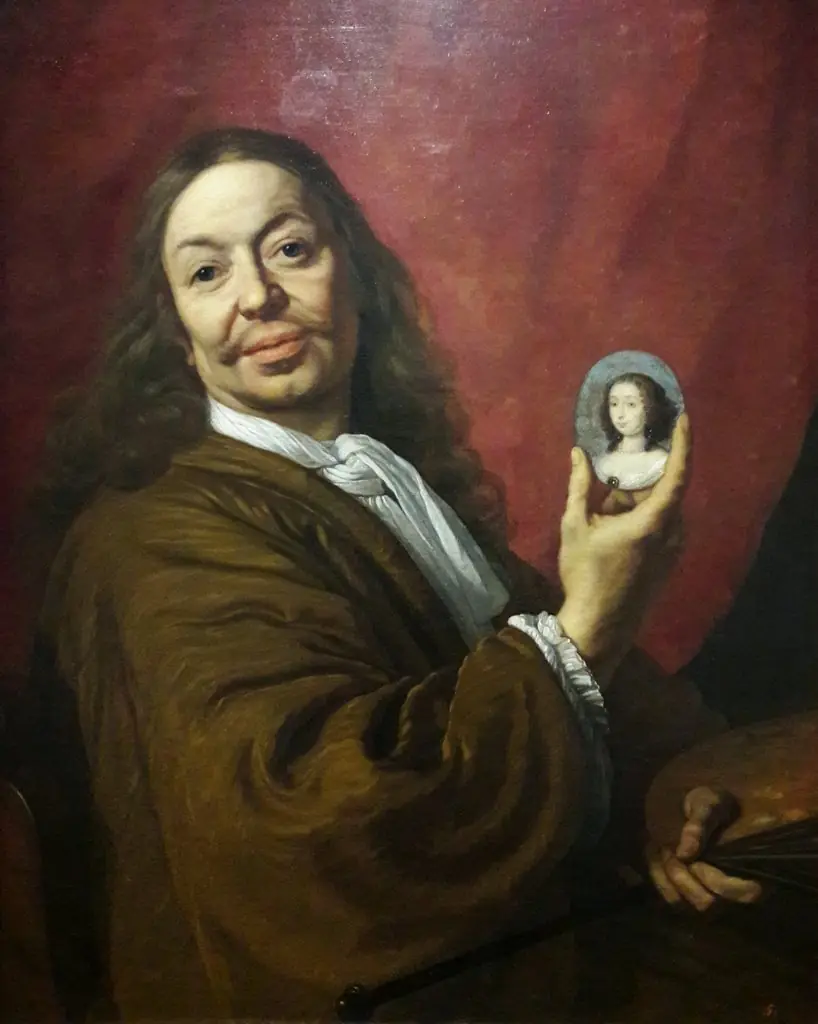 Self-portrait
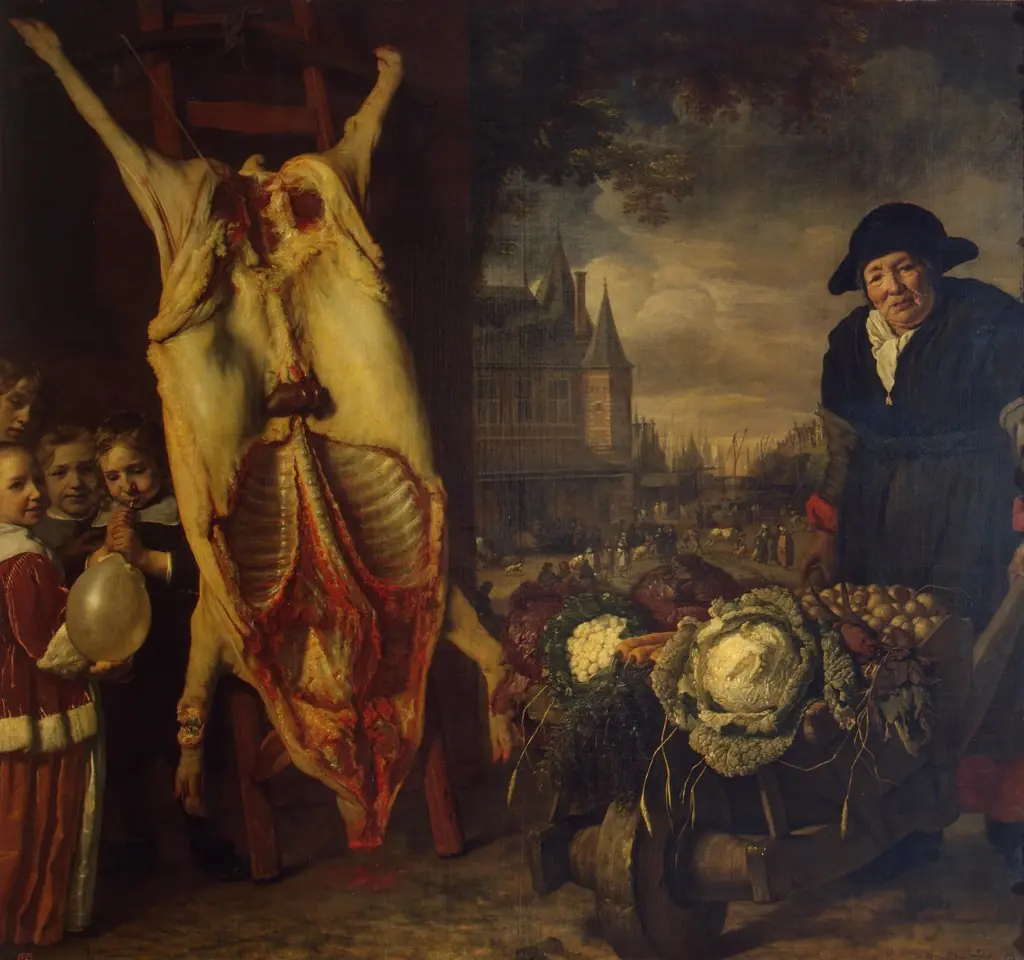 Nieuwmarkt in Amsterdam
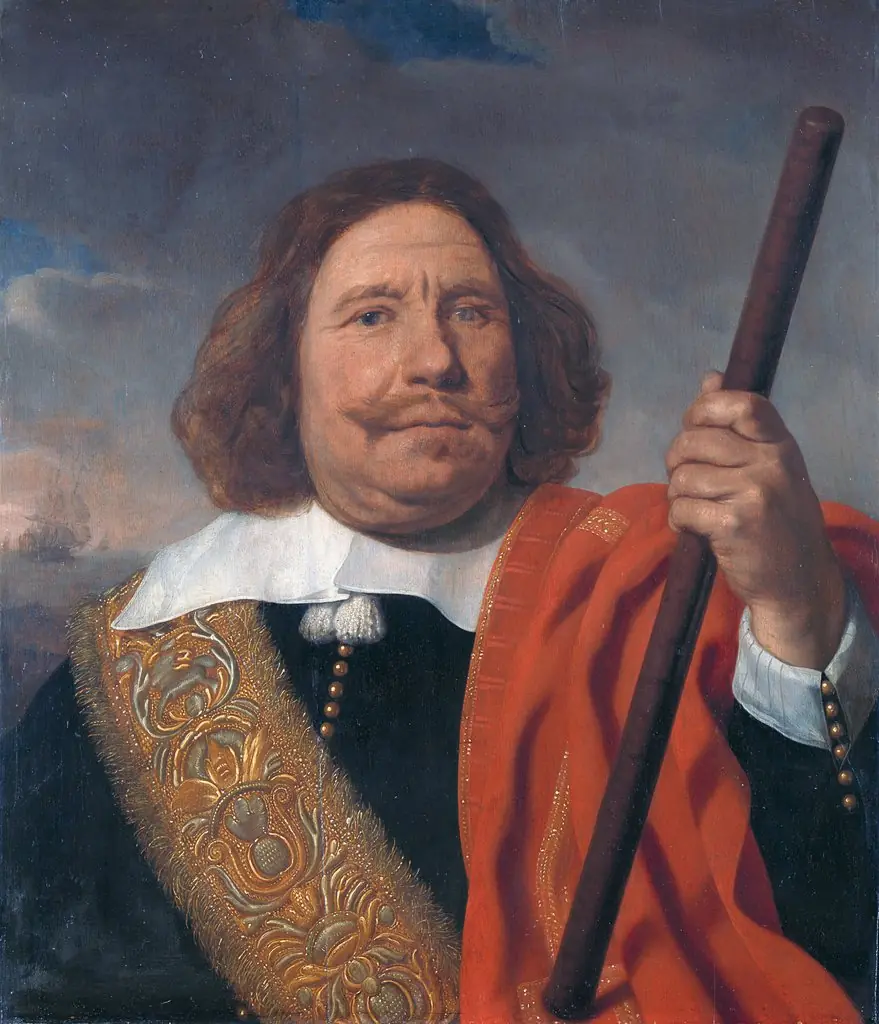 Egbert Meeuwsz Cortenaer (1605-65). Vice admiral, admiralty of the Maas, Rotterdam
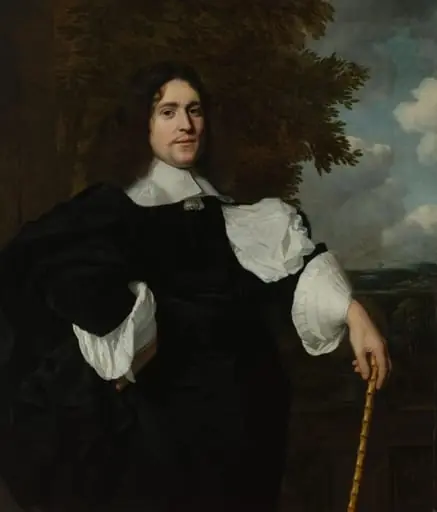 Jacobus Trip (1627-70), Armaments Dealer of Amsterdam and Dordrecht
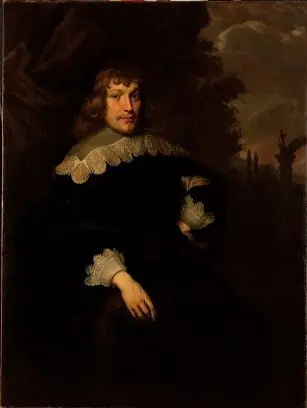 Portrait of Hendrick Bicker (1615-1651)
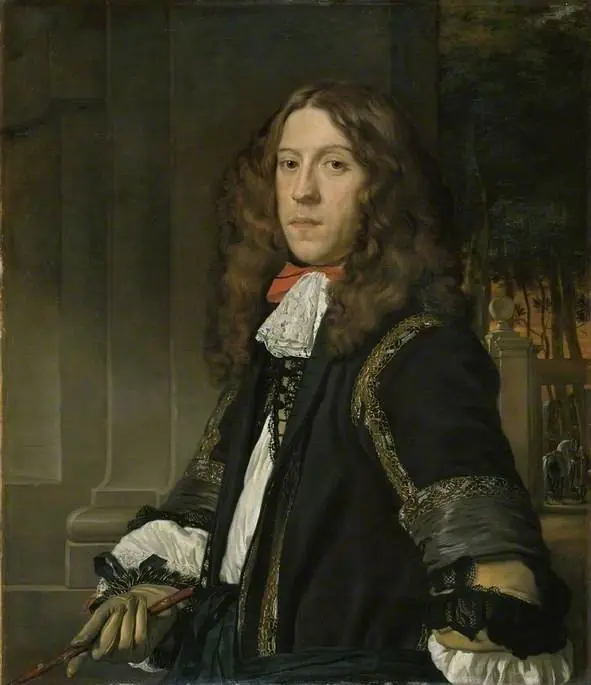 Portrait of a man
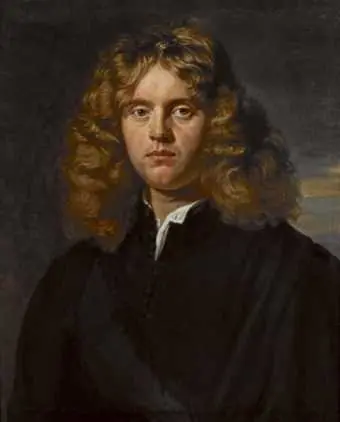 Portrait of a Man
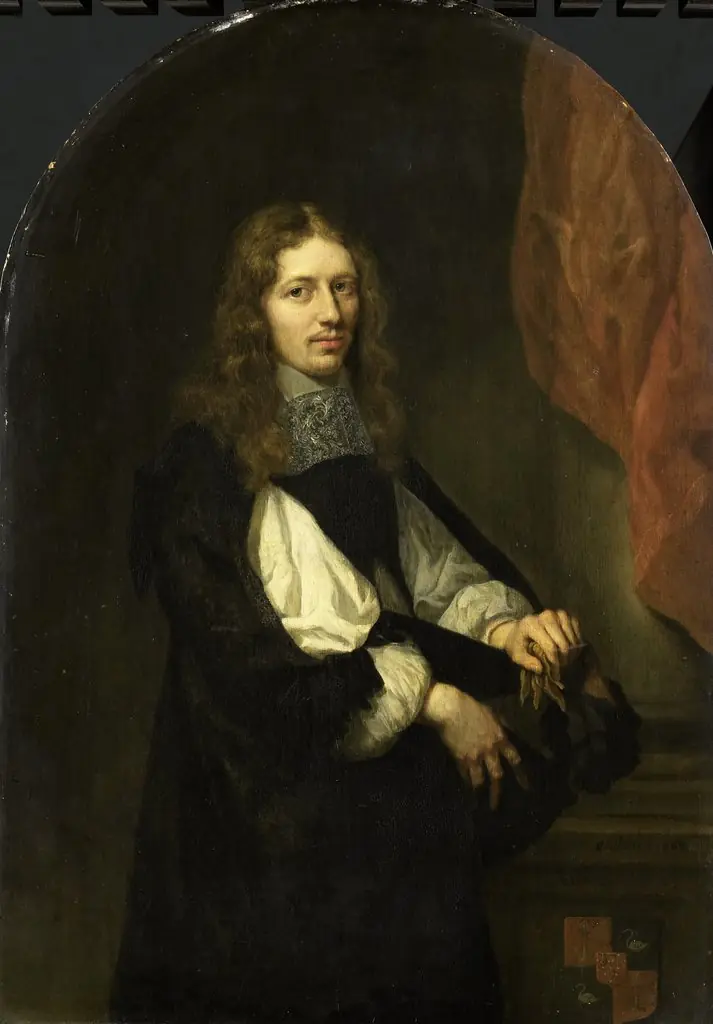 Portrait of Pieter de Graeff (1638-1707), lord of Zuid-Polsbroek, Purmerland, and Ilpendam. Alderman of Amsterdam
 Portrait of Pieter de Graeff (1638-1707), lord of Zuid-Polsbroek, Purmerland, and Ilpendam. Alderman of Amsterdam
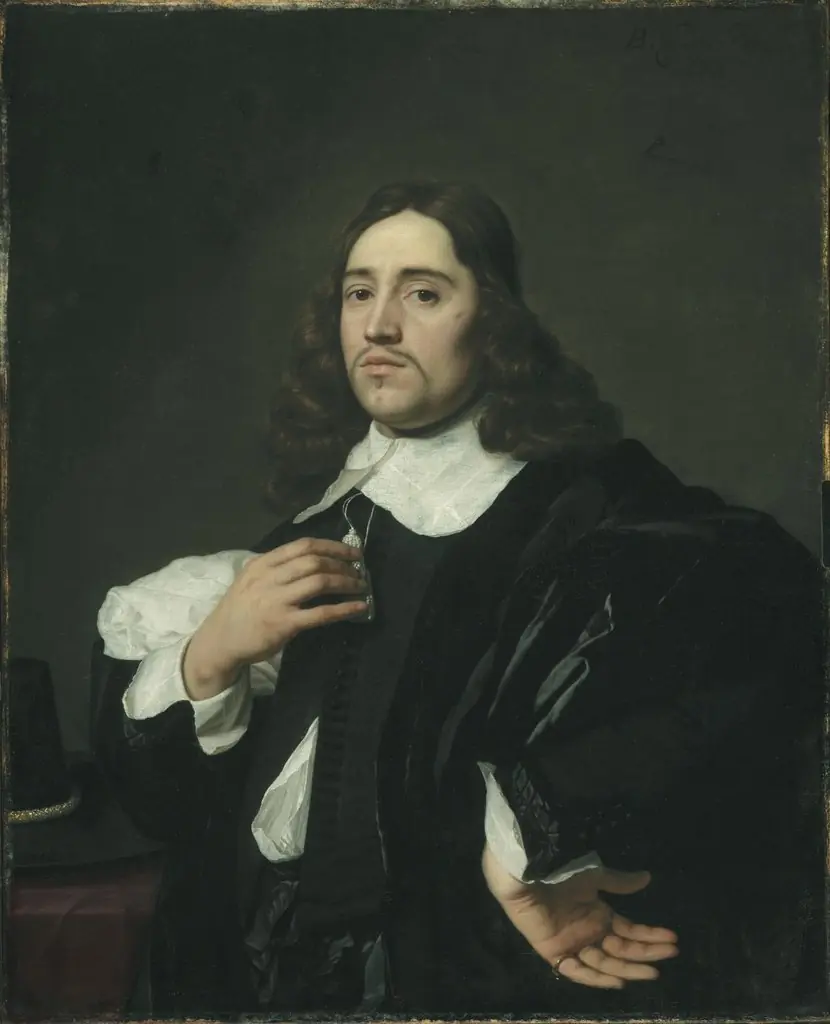 Portrait of a Gentleman (hand on hip)
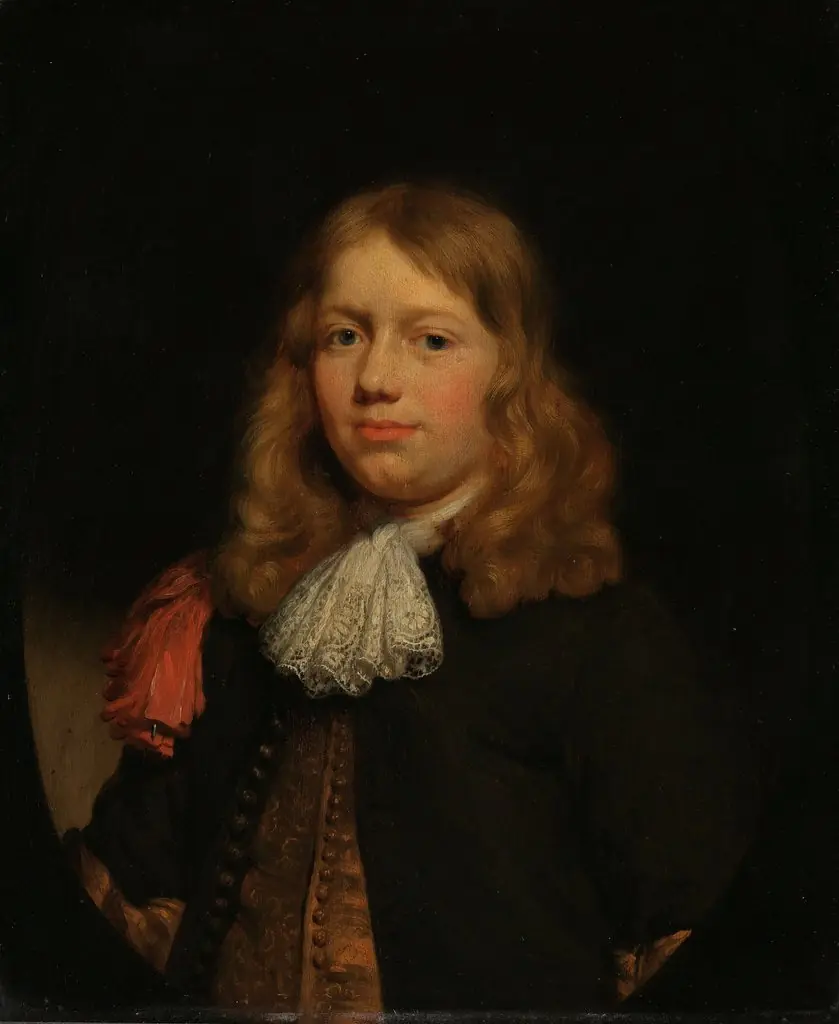 Portrait of a young man
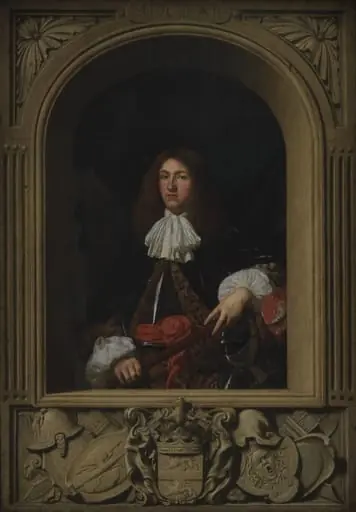 Portrait of Count Ulrik Frederik Gyldenløve
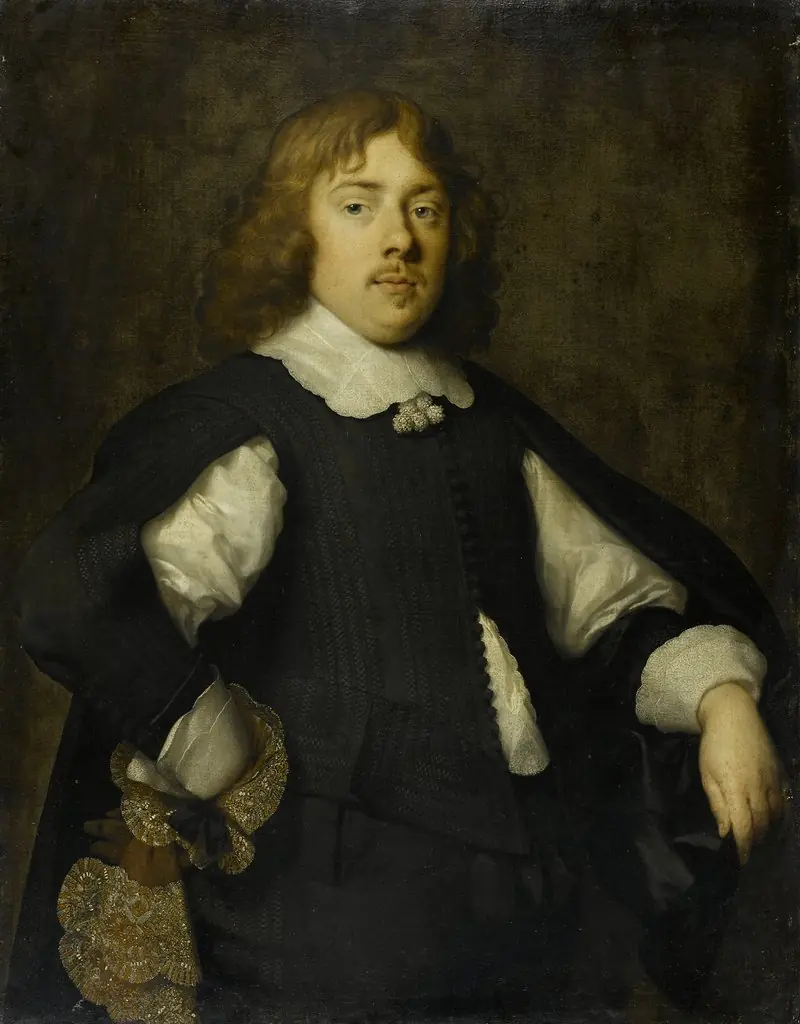 Portrait of Joan Pietersz Reael (1625-59)
 Portrait of a young man
 Portrait of a Man