Artwork
Carnival Scene
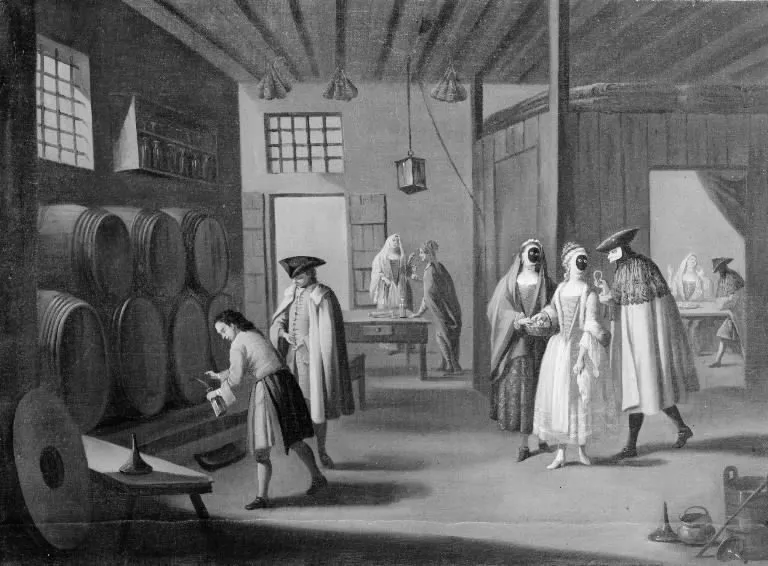
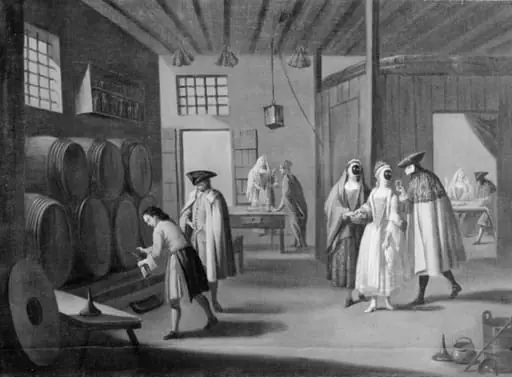
Carnival Scene is an oil painting by the Rococo painting artist Pietro Longhi. It dates from 1751 and is held in the collection of the Statens Museum for Kunst.
About this work
Overview
Pietro Longhi’s 1751 oil on canvas, titled Carnival Scene, depicts a bustling interior festivity. The composition is set in a spacious hall filled with barrels, tables, and a high, window‑lit ceiling, while a door recedes into the background. Figures in elaborate costumes and masks mingle, converse, and laugh, conveying the animated atmosphere of a public celebration.
Subject & Meaning
The gathering represents a carnival, a traditional Venetian event marked by masquerade and social inversion. By portraying participants in ornate attire and masks, Longhi emphasizes themes of disguise, communal revelry, and the temporary suspension of everyday hierarchies. The interaction among the figures suggests conviviality and the collective enjoyment of public spectacle.
Technique & Style
Executed in oil, the work showcases Longhi’s characteristic fine brushwork and a palette of vivid hues that enliven the scene. Careful attention to surface detail—such as the texture of fabrics, the sheen of masks, and the play of light through the high windows—creates depth and a sense of immediacy, while the loose handling of background elements maintains a lively rhythm.
History & Provenance
Created in 1751, the painting entered the collection of Denmark’s Statens Museum for Kunst, where it remains on display. Its acquisition reflects the museum’s interest in 18th‑century Venetian genre painting, and it has been referenced in exhibitions exploring social customs and festive traditions of the period.
Artist & collection


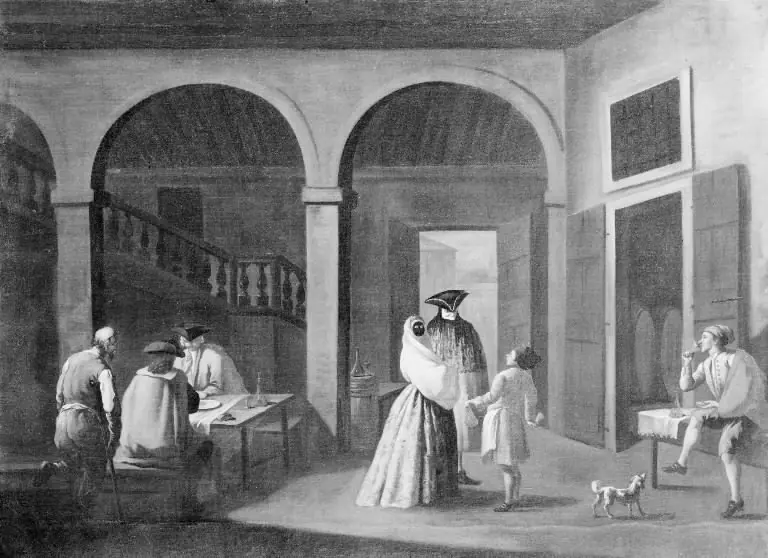 Beggar in a Public House
 Beggar in a Public House
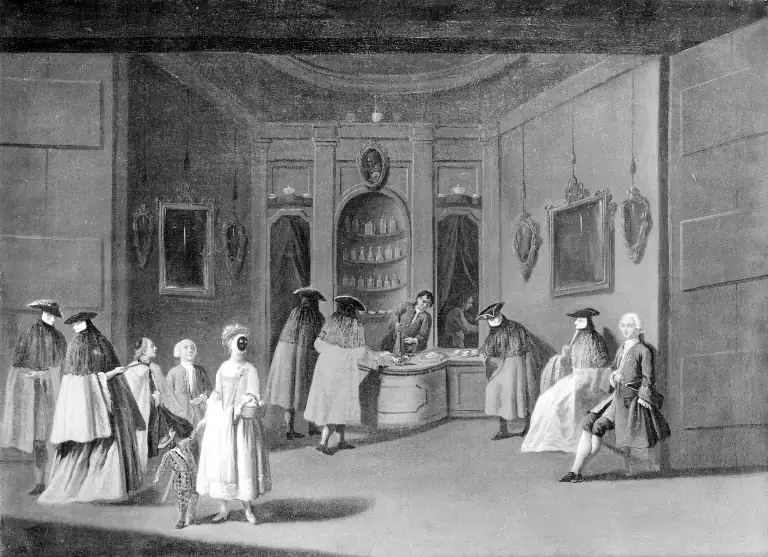 Masked and Unmasked Persons at the Confectioner's
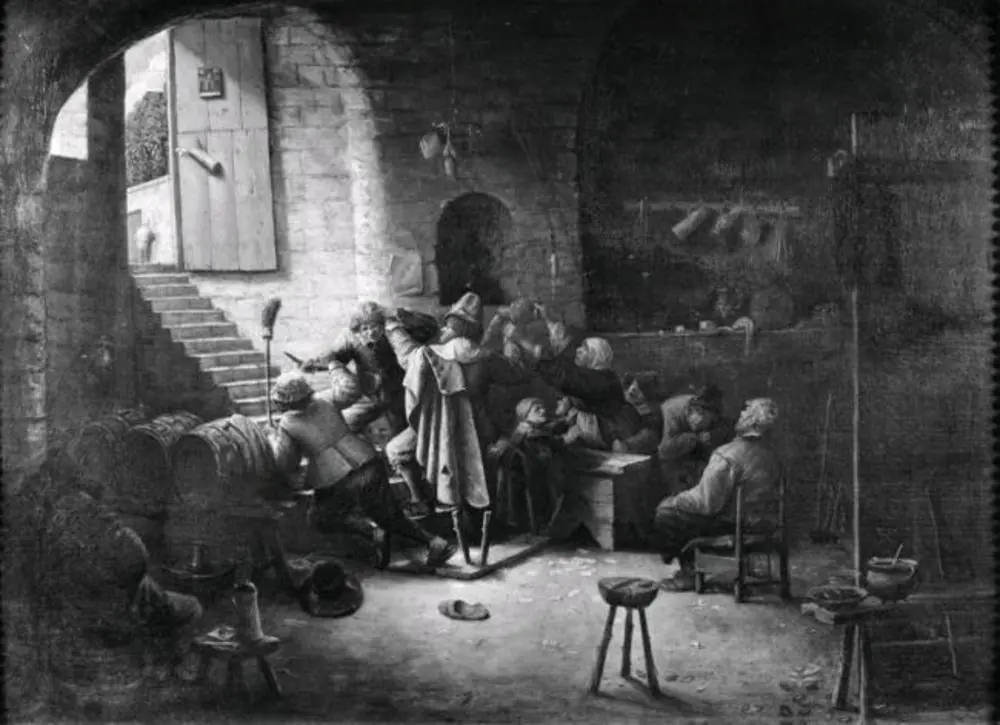 The Antwerp Arms", Tavern Scene
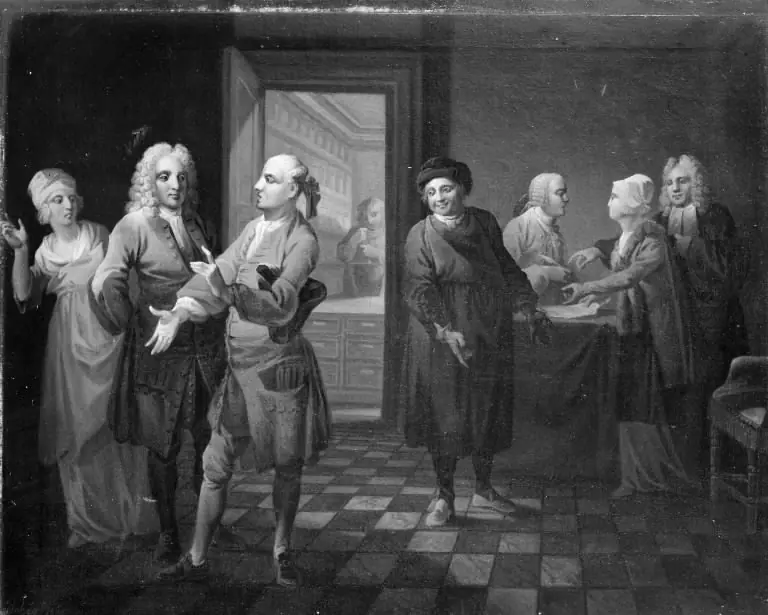 Mester Gert Westphaler, 25. scene
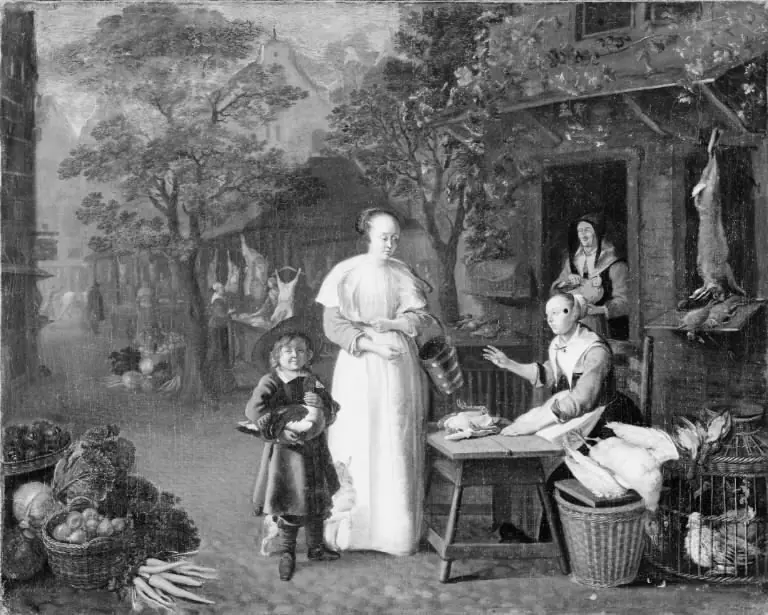
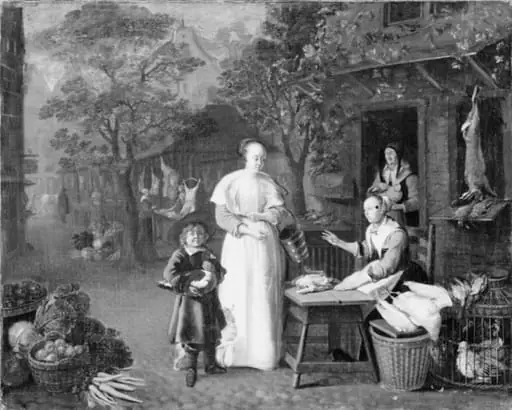 A Market Scene
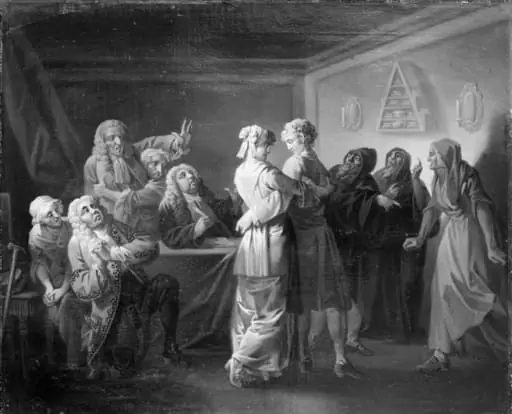
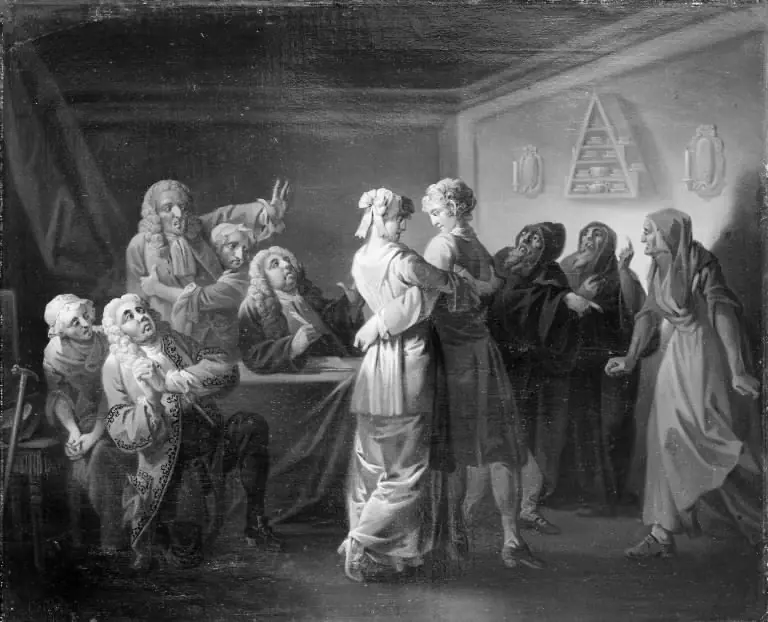 Pernilles korte Frøkenstand, III akt, 7. scene
 Keittiö
 Interior of a Peasant's Cottage
 A Market Scene
 Pernilles korte Frøkenstand, III akt, 7. scene
 Carnival Scene